
Performance · Other credits
Nino Rota
real name Giovanni Rota Rinaldi
Italian composer
Milan, Italy · 1911-12-03 – 1979-04-10
Nino Rota is credited on 7,282 releases across 1,742 albums tracked on Gatefold, active 1951–2025 — the collector-built map of who actually made the music.

7,282
Credits
1,742
Albums
8
Decades active
242
In collections
Biography
Showing the Discogs bio
Italian composer.
Born: 3 December 1911 in Milan, Italy. Died: 10 April 1979 in Rome, Italy.
Born into a musical family in Milan, Rota studied at the conservatory there under Ildebrando Pizzetti. His first oratorio, L'infanzia di San Giovanni Battista, was performed in Milan and Paris as early as 1923 and his lyrical comedy, "Il Principe Porcaro", was composed in 1926.
Encouraged by Arturo Toscanini, Rota moved to the United States where he lived from 1930 to 1932. He won a scholarship to the Curtis Institute of Philadelphia, where he took classes in orchestra with Fritz Reiner and had Rosario Scalero as an instructor in composition. Returning to Milan, he wrote a thesis on the renaissance composer Gioseffo Zarlino.
Rota earned a degree in literature from the University of Milan. In 1937, he began a teaching career that led to the directorship of the Bari Conservatory, a title he held from 1950 until his death in 1979. During the 1940s, Rota composed scores for more than 32 films, including Renato Castellani's Zazà (1944). His association with Fellini began with "Lo sceicco bianco" (1952), followed by "I vitelloni" (1953) and "La strada" (1954).
They continued to work together for decades, and Fellini recalled: 'The most precious collaborator I have ever had, I say it straightaway and don't even have to hesitate, was Nino Rota — between us, immediately, a complete, total, harmony... He had a geometric imagination, a musical approach worthy of celestial spheres. He thus had no need to see images from my movies. When I asked him about the melodies he had in mind to comment one sequence or another, I clearly realized he was not concerned with images at all. His world was inner, inside himself, and reality had no way to enter it.'
Rota's score for Fellini's "8½" (1963) is often cited as one of the factors which makes the film cohesive. His score for Fellini's "Juliet Of The Spirits" (1965) included a collaboration with Eugene Walter on the song, "Go Milk The Moon" (cut from the final version of the film), and they teamed again for the song "What Is A Youth?", part of Rota's score for Franco Zeffirelli's "Romeo And Juliet".
In all, Rota wrote scores to more than 150 films. Rota wrote several concerti and other orchestral works as well as piano, chamber and choral music.
After his death Rota's music was the subject of the 1981 tribute album "Amarcord Nino Rota". Gus Van Sant used some of Rota's music in his 2007 film "Paranoid Park". His 1977 opera "The Italian Straw Hat", an adaptation of the play by Eugène Labiche was presented by the Santa Fe Opera.
In 2005 his opera "Aladino e la lampada magica" ("Aladdin And The Magical Lamp"), with Cosmin Ifrim in the title role, was performed in German translation at the Vienna State Opera and released on DVD.
Written for a radio production by RAI in 1950, his short opera, "I due timidi" ("The Two Timid Ones"), will be presented by the Santa Fe Opera as part of their pre-season "One-Hour Opera" program in May-June 2008.
Son of Ernesta Rota and cousin to Anna Maria Rota.
Bio from Discogs
Credited work
7,282 releases · 1,742 albums · active 1951–2025
- Performance · 8,012
- Other credits · 1,378
- Production · 2
Studios: Van Gelder Studio, Englewood Cliffs, New Jersey · Studio Des Dames · RCA's Music Center Of The World · Abbey Road Studios
Discography
Records they worked on — most-collected first.
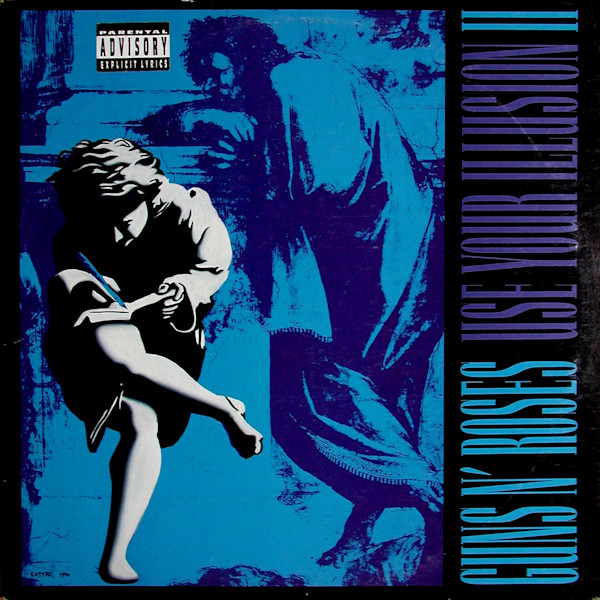
Use Your Illusion II
1991

The Director's Cut
2001
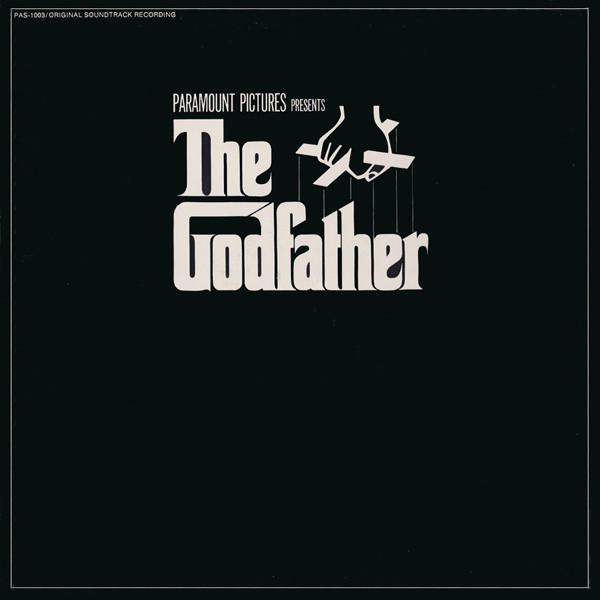
The Godfather (Original Soundtrack Recording)
1972
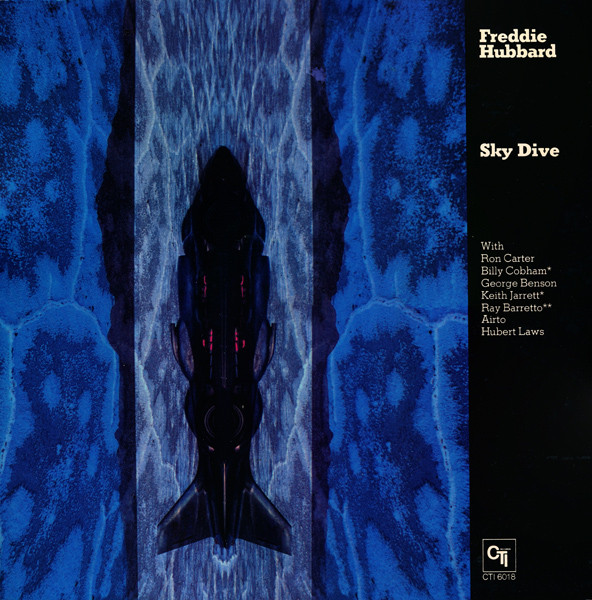
Sky Dive
1972
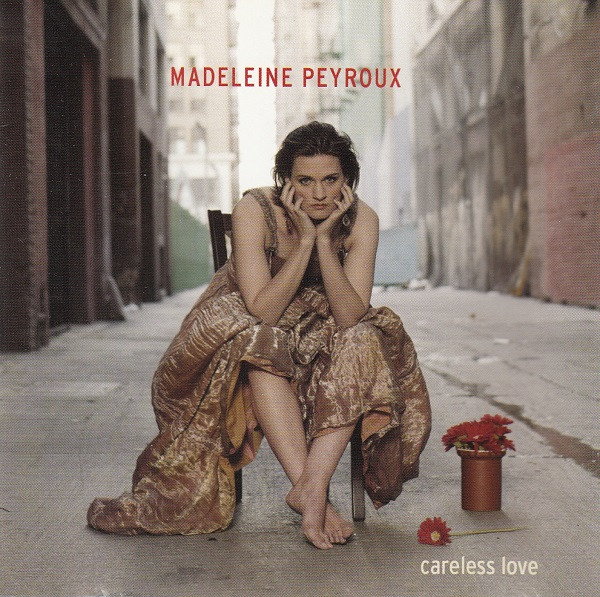
Careless Love
2004

All You Need Is Now
2010
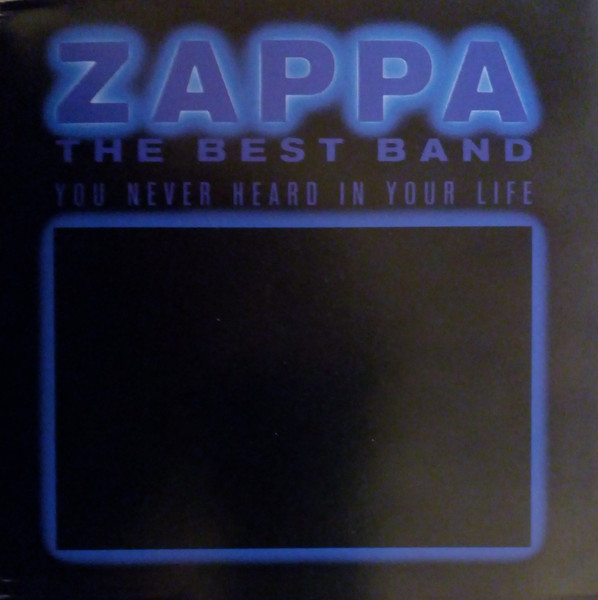
The Best Band You Never Heard In Your Life
1991
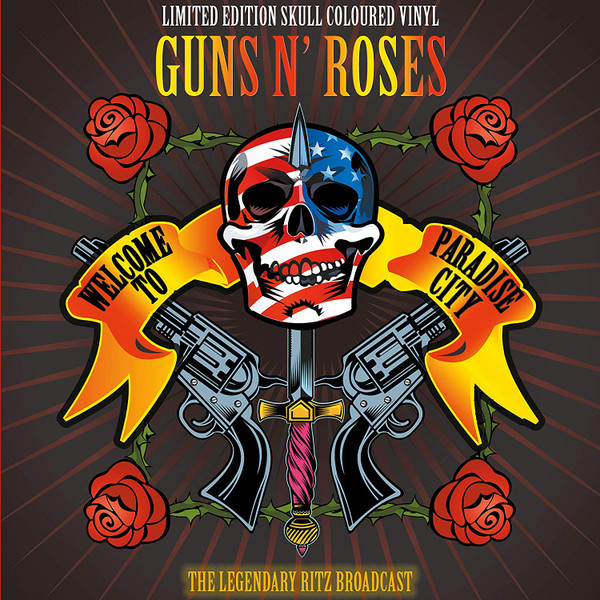
Superstar Concert Series
1989

Travelin'
1963
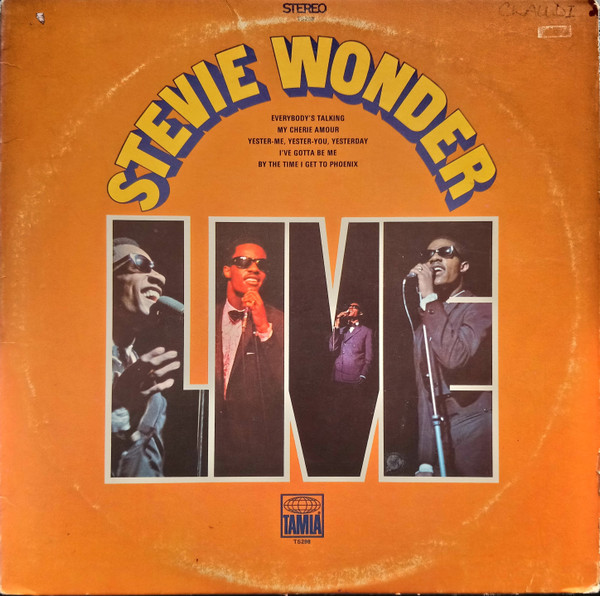
Stevie Wonder Live
1970
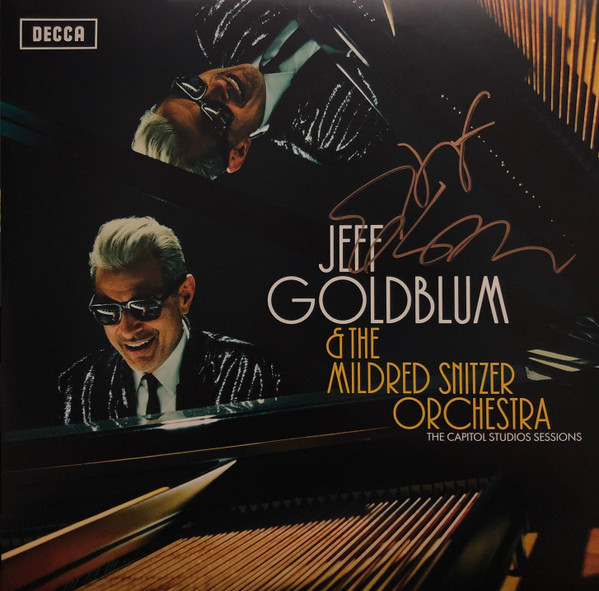
The Capitol Studios Sessions
2018

Come By Me
1999

When You Wish Upon A Star
2016
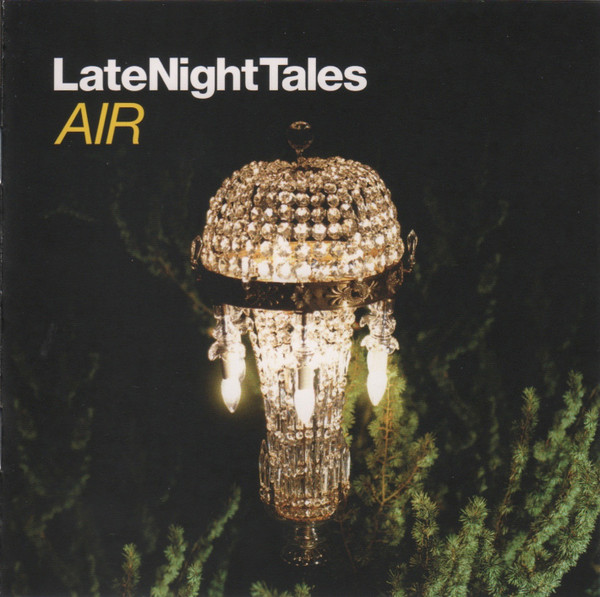
LateNightTales
2006

Collaboration
1987

Mambo Nassau
1981

The First 25 Years The Silver Anniversary Album
1981
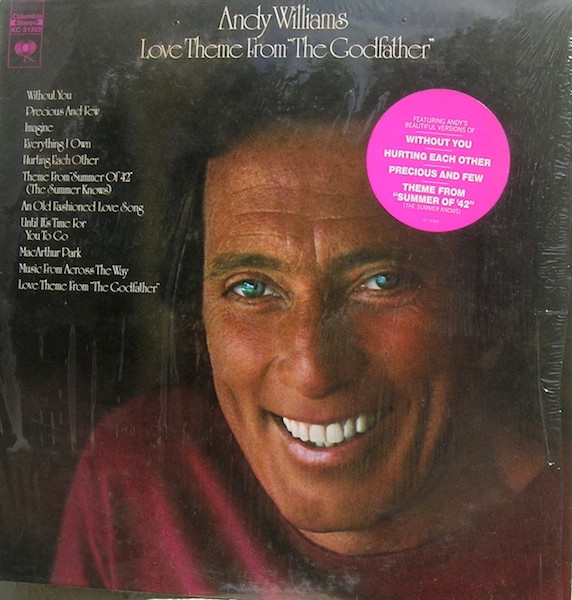
Love Theme From "The Godfather"
1972

Love Theme From The Godfather
1972
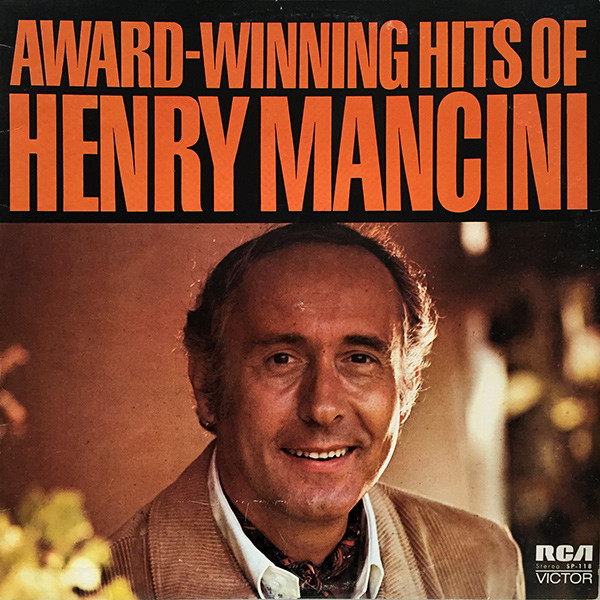
Award Winning Hits Of Henry Mancini
1972

Cornucopia
1970

This Is Henry Mancini
1970
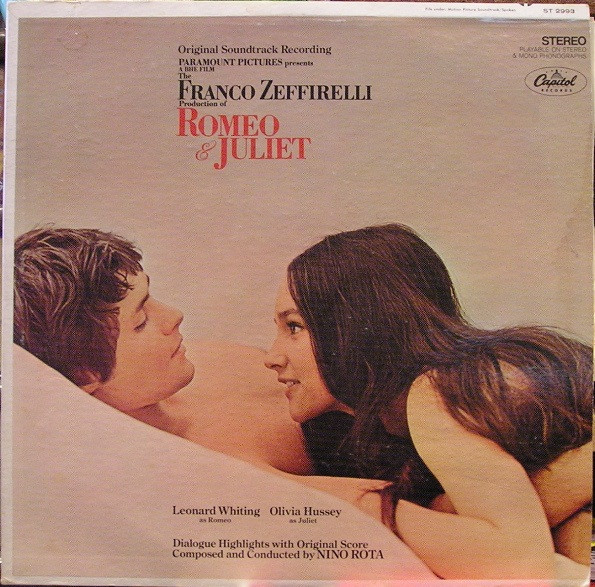
Romeo & Juliet
1968

Music For Dining
1952
Frequent collaborators
Around the web
See who really made the music.
Gatefold maps every producer, engineer, and player across your shelf — the credits no one else surfaces.
Start your shelf →Free forever. Works with 10 records or 10,000.