
Performance · Other credits
Karl Jenkins
real name Karl William Pamp Jenkins
Karl Jenkins is credited on 1,180 releases across 237 albums tracked on Gatefold, active 1967–2025 — the collector-built map of who actually made the music.

1,180
Credits
237
Albums
7
Decades active
362
In collections
Biography
Showing the Discogs bio
Welsh multi-instrumentalist and contemporary composer (born 17 February 1944, Penclawdd [Swansea], Wales). Sir Karl Jenkins is Commander of the Most Excellent Order of the British Empire (CBE), Knight Bachelor, Fellow of the Royal Academy of Music (FRAM), and Honorary Fellow of the Learned Society of Wales (HonFSLW). He performs on baritone & soprano saxophones, oboe, and keyboards. Jenkins grew up in Penclawdd village in Gower (now part of Swansea), born to a Swedish mother and Welsh father, a chapel organist and choirmaster, who gave Karl his first music lessons. In high school, 12-year-old Jenkins began playing oboe in the National Youth Orchestra Of Wales. He got formally educated at Cardiff University, followed by postgraduate studies at the Royal Academy of Music in London.
Early in his career, Karl Jenkins was primarily known as a jazz and fusion / jazz-rock saxophonist, oboist, and keyboard player. He participated in several of Graham Collier's ensembles and was active in the early free jazz / improv UK scene. In 1969, Jenkins co-founded the Nucleus (opens in a new tab) band, which won the Montreux Jazz Festival's first prize and headlined the Newport Jazz Festival the following year. As a session player and band member, Karl Jenkins appeared on such notable albums as Elton John's Tumbleweed Connection (1970) or Ode (1972) by Barry Guy with London Jazz Composers Orchestra. (Jenkins played alongside Mark Charig on a bugle and Alan Wakeman on tenor & soprano saxophones, cousin of Rick Wakeman of Yes fame).
In 1972, Karl Jenkins joined Soft Machine, a prog / jazz-rock / fusion band from Canterbury formed by Mike Ratledge. He remained with the group until 1978 (and joined for brief reunions in 1980–81 and '84), active as a lead composer on many Soft Machine LPs. Jenkins toured extensively with the band, performing at Carnegie Hall, the Royal Albert Hall's "Proms" and The Reading Festival. In November 1973, Jenkins and Ratledge participated in a live-in-the-studio performance of Mike Oldfield's Tubular Bells for the BBC (available on The Best Of Mike Oldfield Elements VHS/DVD compilation). Jenkins also recorded library music with Ratledge, sometimes using the Rubba moniker.
In the late 1980s and early 1990s, Karl Jenkins mainly focused on commercial music. Collaborating with Bartle Bogle Hegarty (opens in a new tab) agency, Jenkins created soundtracks for Levi's, Renault, and De Beers, among other prominent clients. (Karl subsequently developed De Beers' theme into a full-length orchestral work, Diamond Music). In 1994, Jenkins started Adiemus - a series of orchestral new-age albums with vocals. (The opening song on the debut album, Songs Of Sanctuary, released in 1995 on CD/Cassette by Virgin, was based on Karl's TV commercial tune for Delta Air Lines.) Notably, all singing was in a fictional lyrical language, vaguely reminiscent of Latin, and constructed by Jenkins purely phonetically. (Similar to the Kobaïan language invented by French drummer and musician Christian Vander for Magma (opens in a new tab) band).
In 1999, Jenkins wrote The Armed Man: A Mass For Peace, a neo-classical Mass for orchestra and mixed choir, commissioned by the Royal Armouries and debuted at Royal Albert Hall. Since then, it become one of Karl's best-known works, with over 400 performances and several critically-acclaimed recordings. In May 2023, Jenkins commissioned Tros Y Garreg (Crossing The Stone in English), one of 12 new works for the coronation of Charles III (opens in a new tab), attending its debut performance at Westminster Abbey's ceremony. His photos from the event briefly circulated in the media, starting with memes joking that Karl was, instead, Meghan Markle (HRH Prince Harry's wife and estranged Duchess of Sussex) in buffoonish disguise, and subsequently numerous debunkings in high-profile press.
Bio from Discogs
Credited work
1,180 releases · 237 albums · active 1967–2025
- Performance · 3,125
- Other credits · 152
- Production · 139
- Mastering · 2
Studios: Trident Studios · Advision Studios · Island Studios · Spot Productions Studios
Discography
Records they worked on — most-collected first.
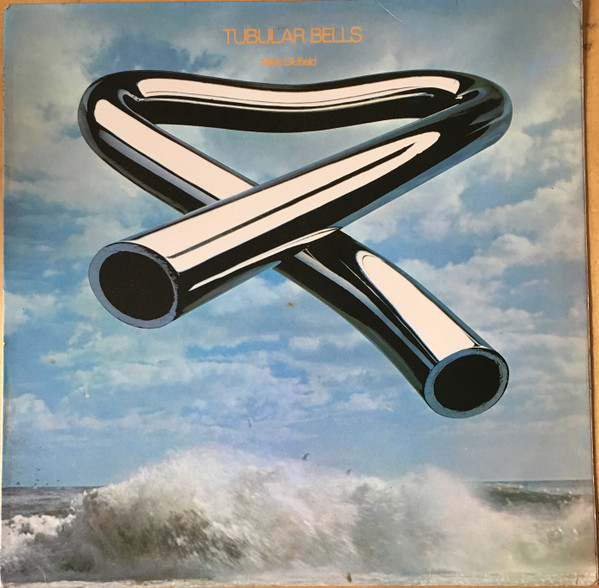
Tubular Bells
1973

Tumbleweed Connection
1970

Jesus Christ Superstar
1970
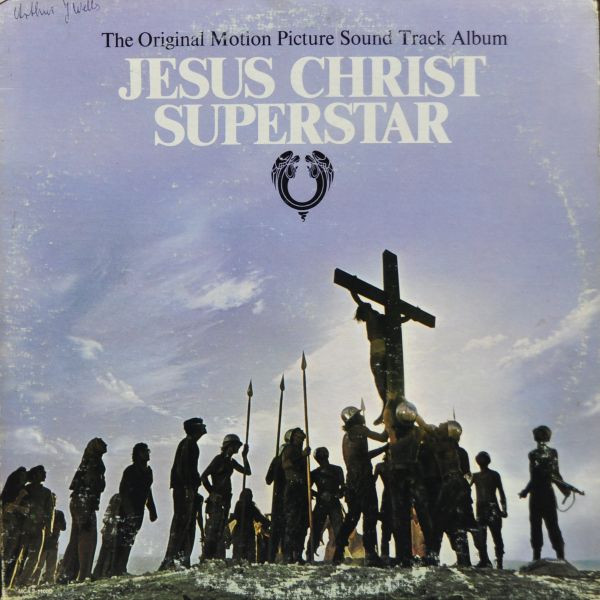
Jesus Christ Superstar (The Original Motion Picture Sound Track Album)
1973

Rising Down
2008
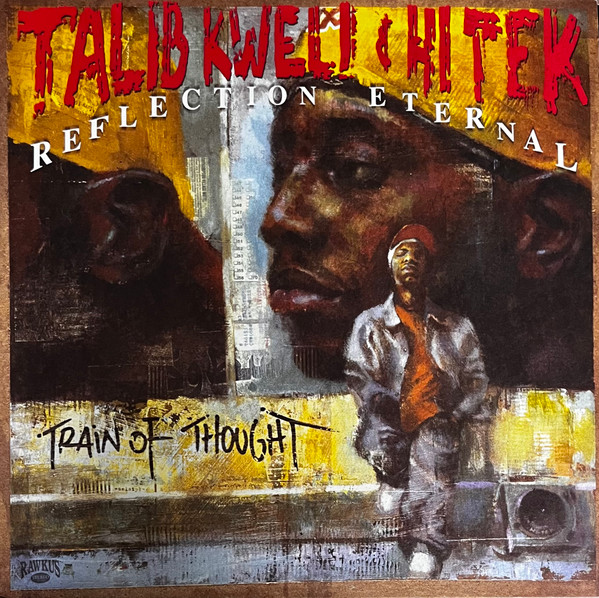
Train Of Thought
2000
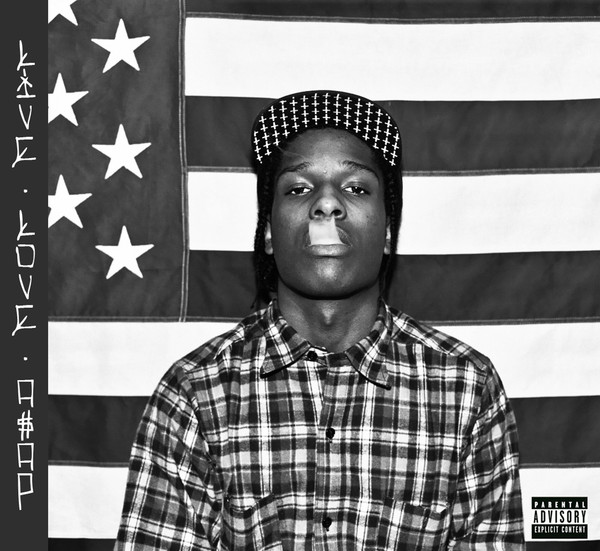
LiveLoveA$AP
2011

The Roots Come Alive
1999
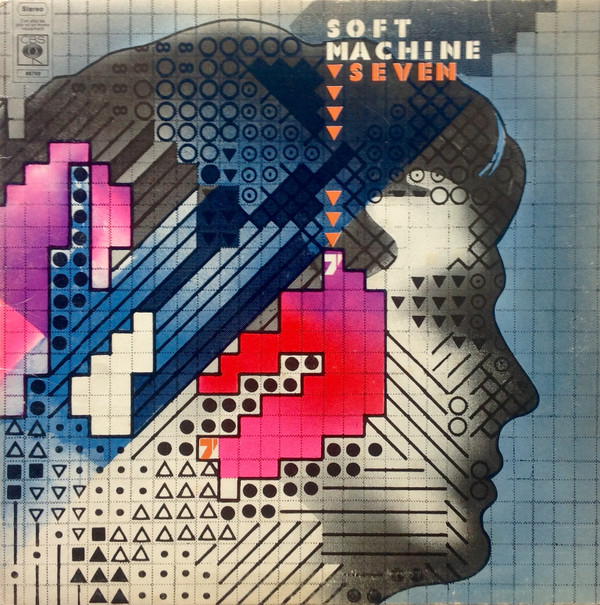
Seven
1973
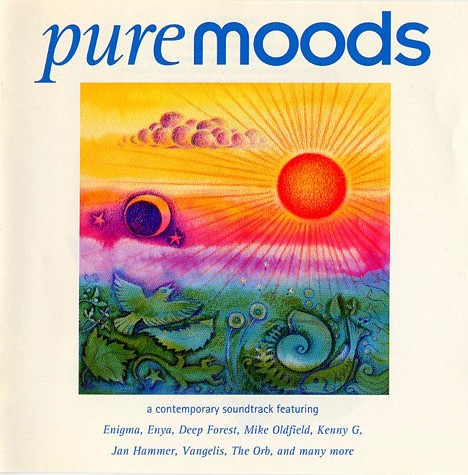
Pure Moods
1994
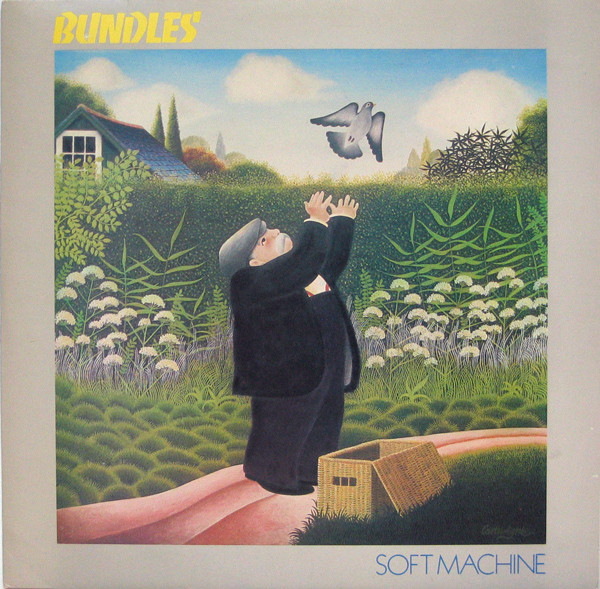
Bundles
1975
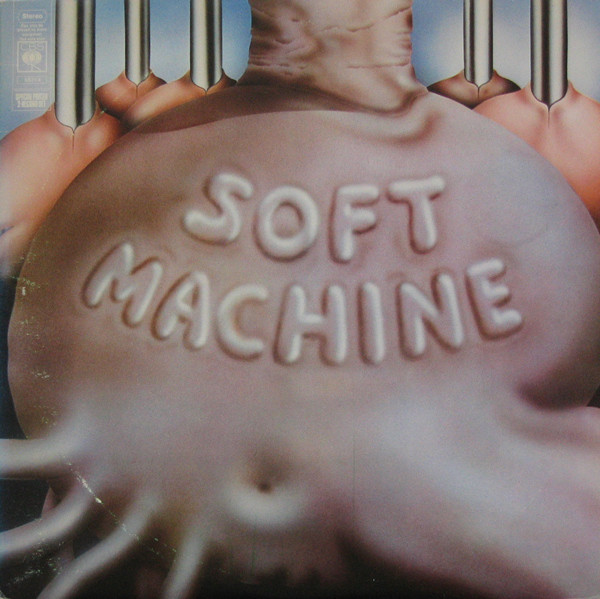
Six
1973

Cafe Exil (New Adventures In European Music 1972-1980)
2020

Classical Chillout
2001
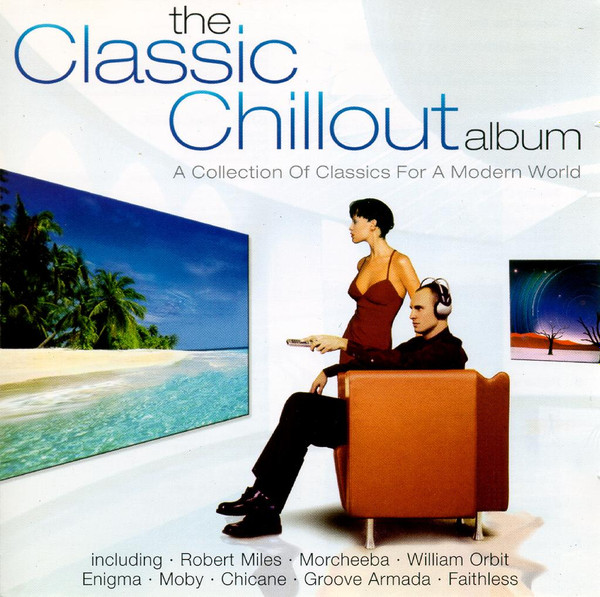
The Classic Chillout Album (A Collection Of Classics For A Modern World)
2001

New Pure Moods
1997

Land Of Cockayne
1981
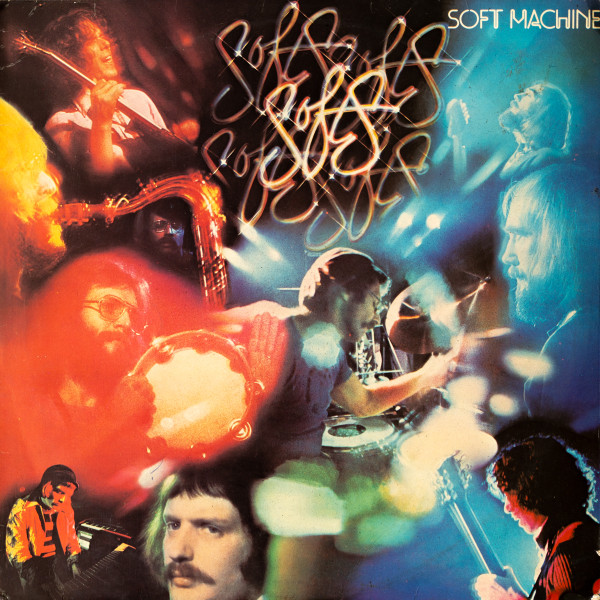
Softs
1976

Septober Energy
1971

Pieces Of Me
1971

Journeys In Modern Jazz: Britain (1965-1972)
2021
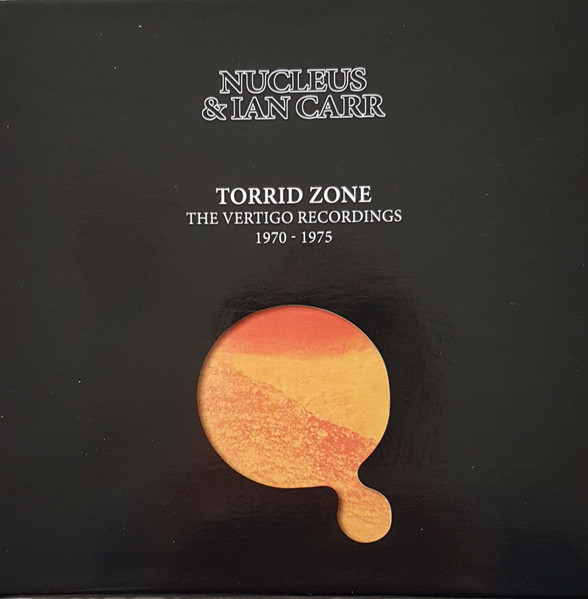
Torrid Zone (The Vertigo Recordings 1970 - 1975)
2019
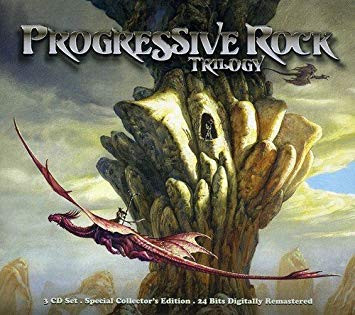
Progressive Rock Trilogy
2010
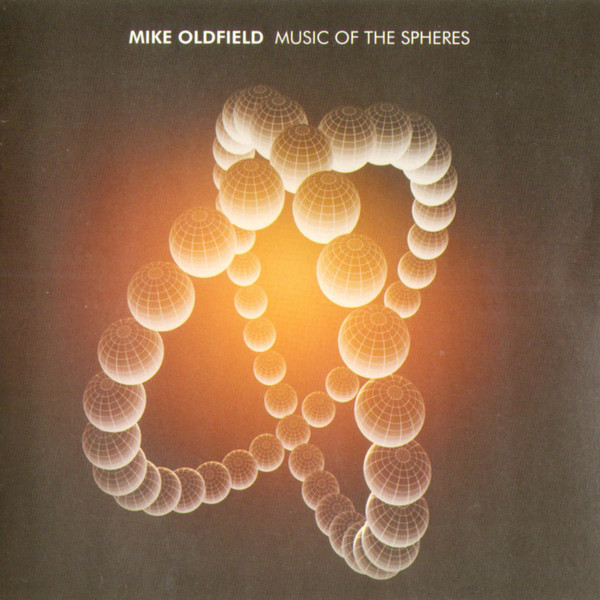
Music Of The Spheres
2008
Frequent collaborators
- Various
- Soft Machine
- Nucleus (3)
- Mauro Picotto
- Adiemus
- Mike Oldfield
- Plaza (4)
- Rubba
Around the web
See who really made the music.
Gatefold maps every producer, engineer, and player across your shelf — the credits no one else surfaces.
Start your shelf →Free forever. Works with 10 records or 10,000.