
Performance · Other credits
Johannes Brahms
German composer
Germany · 1833-05-07 – 1897-04-03
Johannes Brahms is credited on 35,082 releases across 5,942 albums tracked on Gatefold, active 1950–2026 — the collector-built map of who actually made the music.

35,082
Credits
5,942
Albums
8
Decades active
330
In collections
Biography
Showing the Discogs bio
German composer, pianist, and conductor of the Romantic period, born May 7, 1833 in Hamburg, Germany, died April 3, 1897 in Vienna, Austria-Hungary.
Bio from Discogs
Credited work
35,082 releases · 5,942 albums · active 1950–2026
- Performance · 43,957
- Other credits · 1,151
- Engineering · 3
Studios: Abbey Road Studios · Jesus-Christus-Kirche, Berlin · Berliner Philharmonie · Kingsway Hall
Discography
Records they worked on — most-collected first.
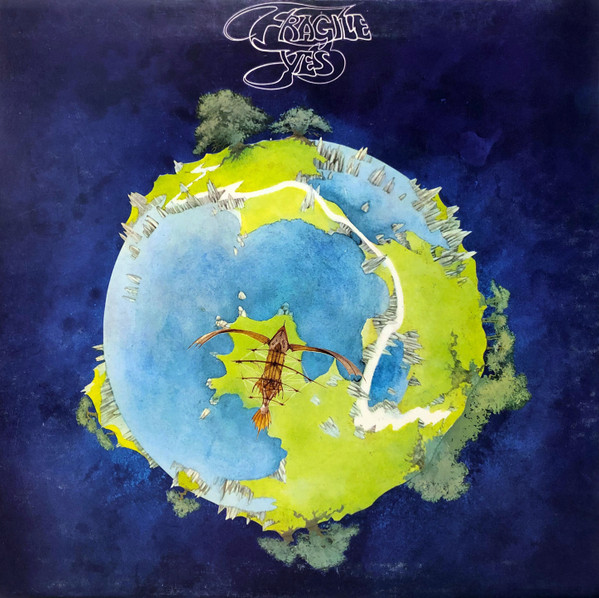
Fragile
1971
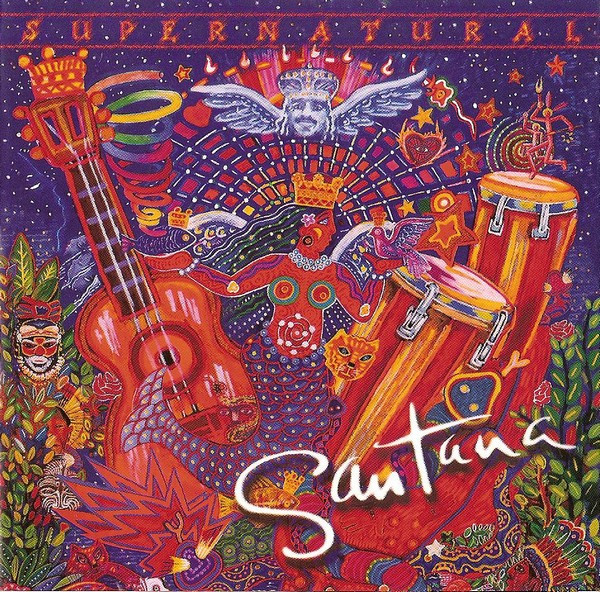
Supernatural
1999
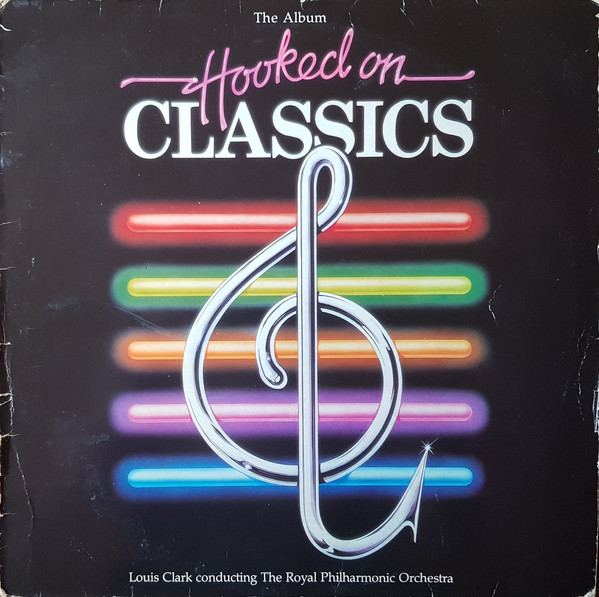
Hooked On Classics
1981
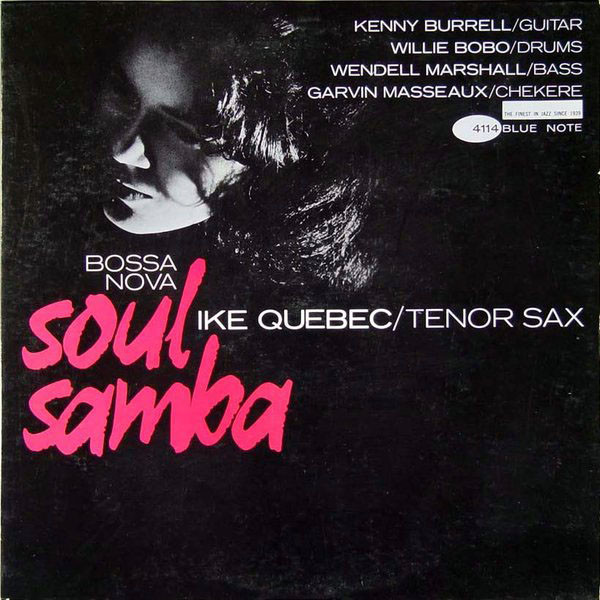
Bossa Nova Soul Samba
1962
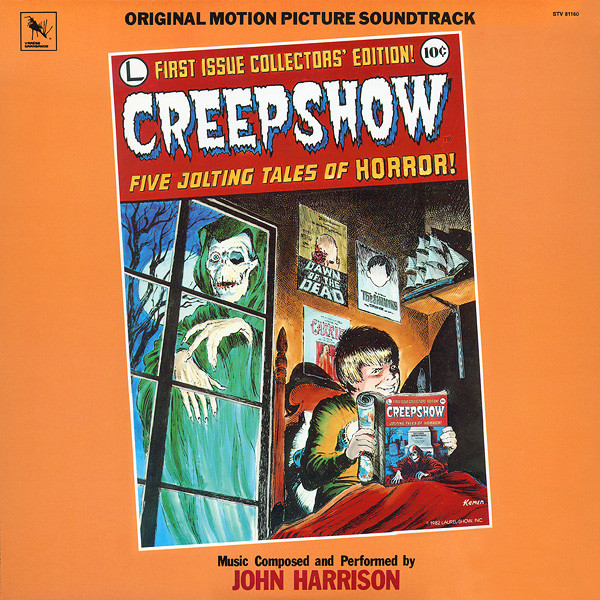
Creepshow (Original Motion Picture Soundtrack)
1982

Finger-Style Guitar
1957

9 Symphonien
1963

These Are Special Times
1998

Hooked On Classics 3 - Journey Through The Classics
1983

A Winter Romance
1959
The Hawk And The Hunter
1965

Gypsy!
1958

The Banshees Of Inisherin (Original Score)
2022

Motherland
2014

Two Rhapsodies, Op.79 • Piano Pieces · Klavierstücke, Opp.117-119
1987

Pieces Of Dreams
1974
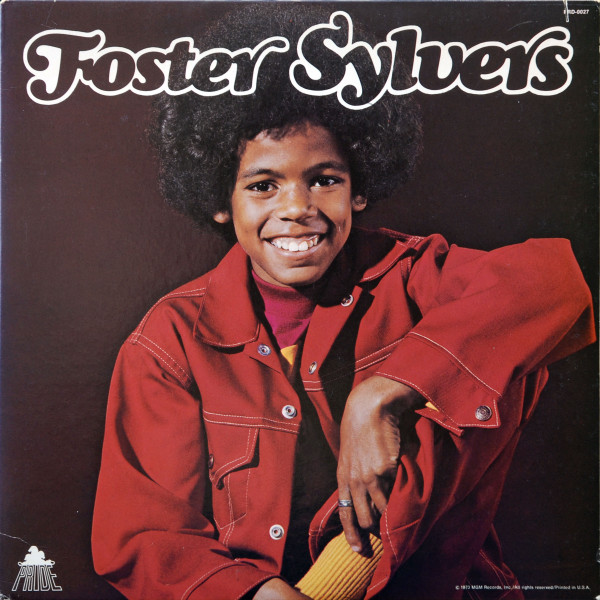
Foster Sylvers
1973
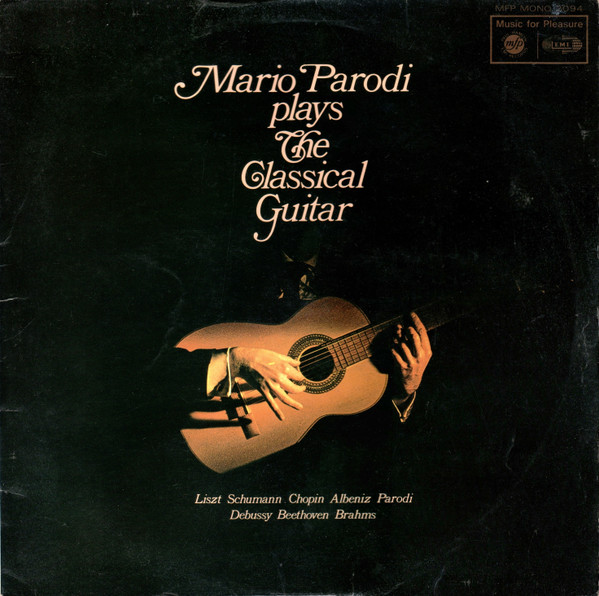
Mario Parodi Plays The Classical Guitar
1965

Reminiscing
1964

Walk, Don't Run Vol. 2
1964
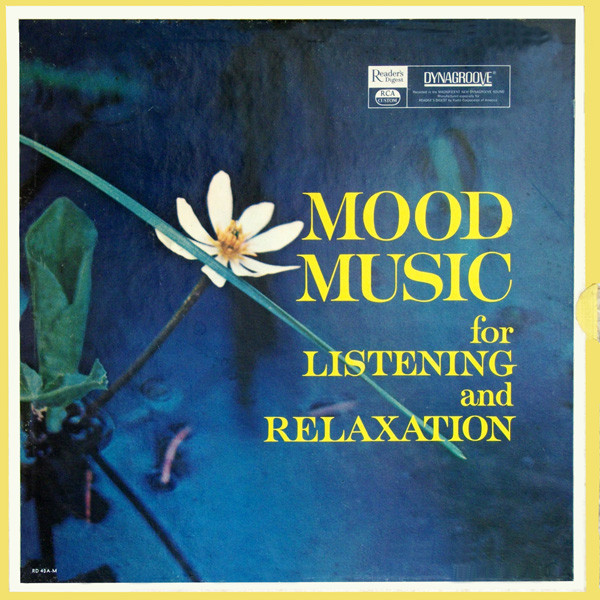
Mood Music For Listening And Relaxation
1963

50 Great Music Treasures
1962

Violin Concerto
1955

Symphonie Nr. 1 C-Moll Op. 68
Frequent collaborators
- Brahms
- Various
- Beethoven
- J. Brahms
- Unknown Artist
- Schumann
- Mozart
- Schubert
Around the web
See who really made the music.
Gatefold maps every producer, engineer, and player across your shelf — the credits no one else surfaces.
Start your shelf →Free forever. Works with 10 records or 10,000.