Performance · Other credits
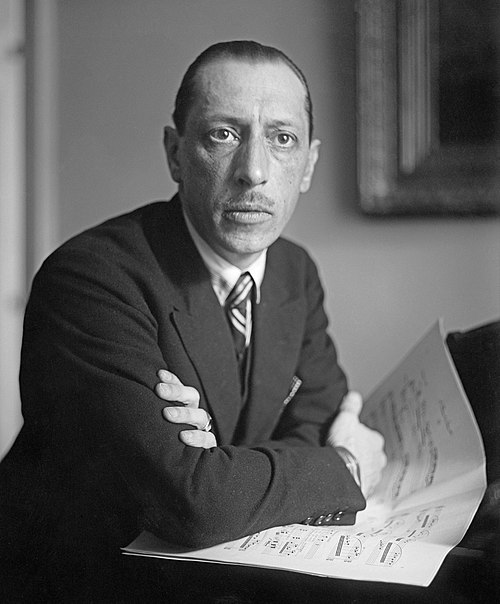
Igor Stravinsky
real name Игорь Фёдорович Стравинский
Lomonosov, Russia
Igor Stravinsky is credited on 9,529 releases across 1,647 albums tracked on Gatefold, active 1950–2026 — the collector-built map of who actually made the music.
9,529
Credits
1,647
Albums
8
Decades active
345
In collections
Biography
Showing the Discogs bio
Born: 1882-06-17 (Oranienbaum, Saint Petersburg Governorate, Russian Empire) At present Lomonosov, Russian Federation.
Died: 1971-04-06 (New York City, New York, United States).
Russian composer, pianist and conductor.
Main figure of musical modernism, one of the greatest representatives of world musical culture of the 20th century.
The composer's creative itinerary was extremely dynamic.
Stravinsky's musical language tends to overcome the barrier of historical periods and uses historical and personal models
(such as Russian folklore, Western cultured tradition, dodecaphony, polyrhythms and asymmetrical rhythms)
Freely adapting them to his personal creative needs.
In stravinsky's works the rhythmic dimension is extremely dynamic and varied and becomes a structural element of the composition, as is the interval elaboration.
The composer uses melodic cells that are reassembled and broken down with great variety and freedom, the overlapping and reiteration of rhythmic-interval cells creates episodes of rhythmic-metric asymmetry and polyrhythm.
Other elements that we find in his compositions are: the structuring in discordant sections, the use of the octotonic scale and the modal scales.
He has written music for a variety of different instrumental and vocal combinations, ranging from works for huge orchestras to works for small ensembles or solo instruments
Starting from the 1920s he wanted to leave a precise sound testimony of his creative intentions, through the recording of his works directed by himself
A citizen of France (1934) and the USA (1945).
Bio from Discogs
Credited work
9,529 releases · 1,647 albums · active 1950–2026
- Performance · 12,105
- Other credits · 450
- Production · 3
- Engineering · 1
Studios: Abbey Road Studios · Kingsway Hall · Jesus-Christus-Kirche, Berlin · Victoria Hall, Geneva
Discography
Records they worked on — most-collected first.
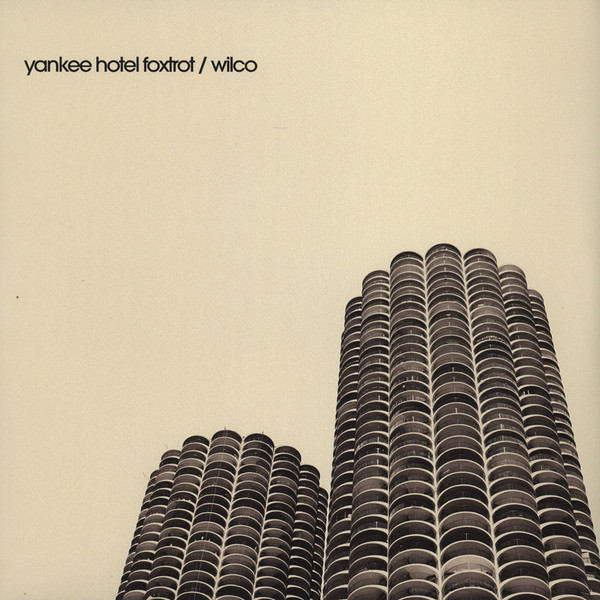
Yankee Hotel Foxtrot
2002
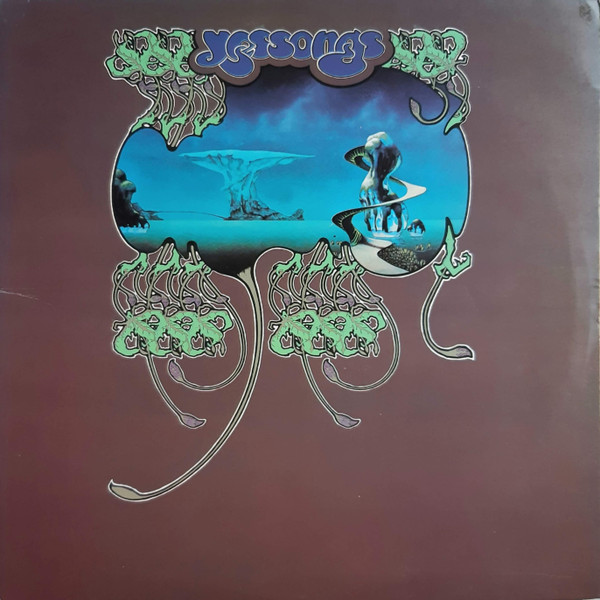
Yessongs
1973

Nocturne
1983
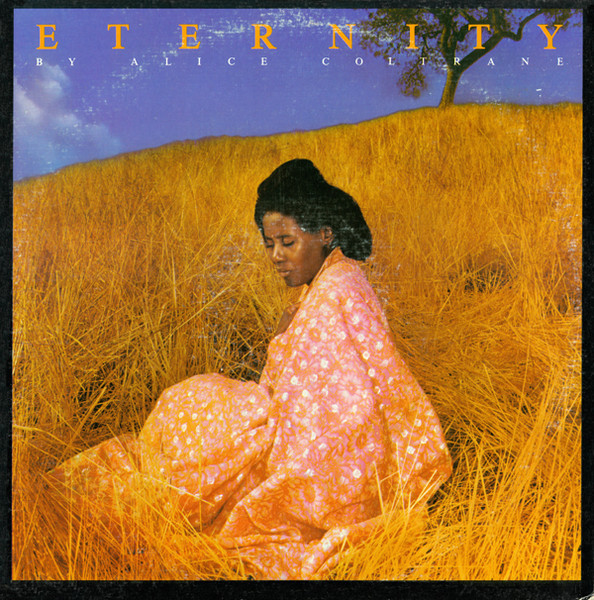
Eternity
1976
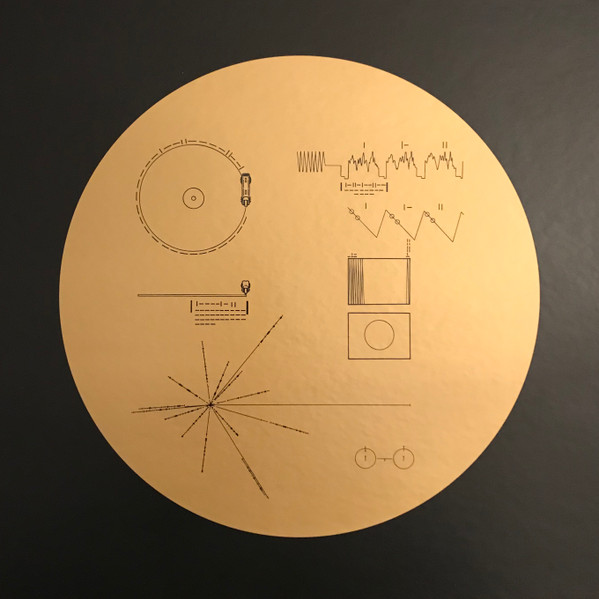
The Sounds Of Earth
1977

Walt Disney's Fantasia
1957

The Music Of Cosmos
1981
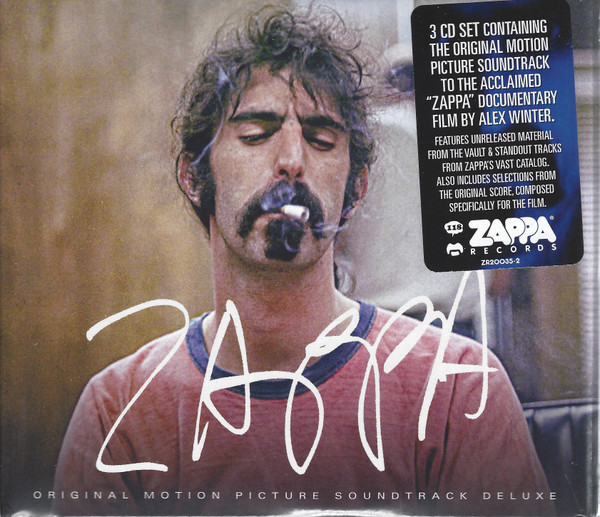
Zappa (Original Motion Picture Soundtrack Deluxe)
2021
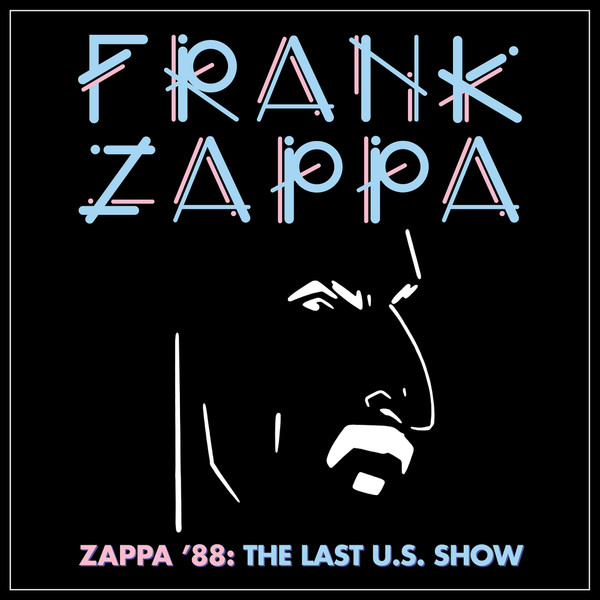
Zappa '88: The Last U.S. Show
2021

Make A Jazz Noise Here
1991

The Firebird
1975

Lord Of Lords
1972
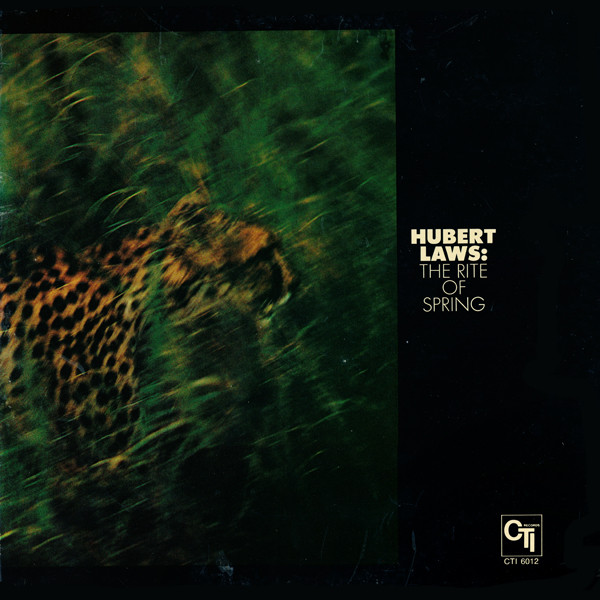
The Rite Of Spring
1971

Le Sacre Du Printemps
1974

New World Symphony
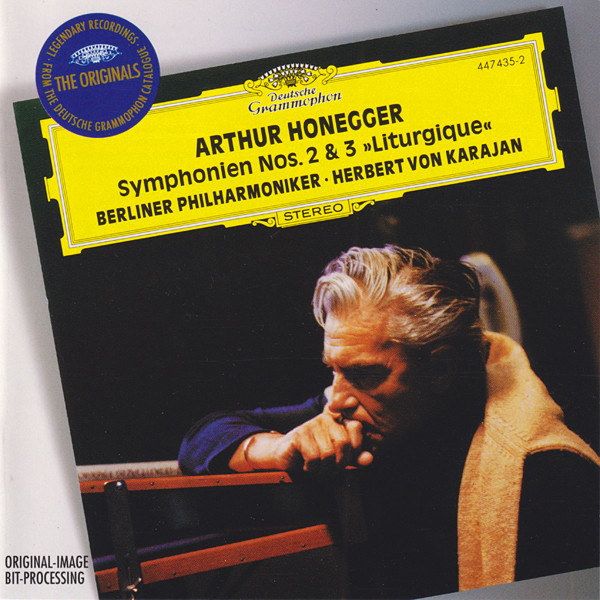
Symphonien Nos. 2 & 3 »Liturgique«
1995

Romances For Saxophone
1986

Live At Linz, 1984 (The Mind Of The Universe)
1985

Egg
1970

The Rite Of Spring (Le Sacre Du Printemps)

Road Tapes, Venue #3
2016

Colour Temple
1994

Tomita's Greatest Hits
1979
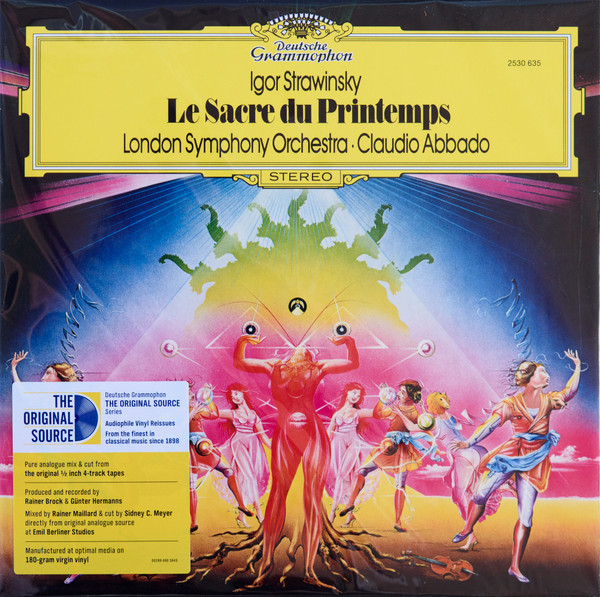
Le Sacre Du Printemps
1976
Frequent collaborators
Around the web
See who really made the music.
Gatefold maps every producer, engineer, and player across your shelf — the credits no one else surfaces.
Start your shelf →Free forever. Works with 10 records or 10,000.