
Performance · Production
George Goldner
George Goldner is credited on 1,477 releases across 433 albums tracked on Gatefold, active 1953–2025 — the collector-built map of who actually made the music.
1,477
Credits
433
Albums
8
Decades active
159
In collections
Biography
Showing the Discogs bio
Born 1918, New York City, New York, USA
Died 15 April 1970, Turtle Bay, New York, USA
Goldner's involvement in the record label industry began in the early 1940s, when he ran popular dance halls in New York City and New Jersey. After his marriage to a Latin girl his interest in Latin-American music grew, as did that of his dancehall clientele who followed artists such as Tito Puente, Machito, Tito Rodriguez and Joe Loco. In 1948 Goldner created his first label Tico Records, inspired by the popular 'Tico Tico' number, on which he released the mambo & cha cha style artists of the time.
By the early 1950s, with the emergence of the fusions in urban blues, rhythm & blues and gospel and the popular doo wop style, Goldner spied a new market and created the Rama label in 1953. Noticing that DJs tended not to fill the airwaves with music from only one label he cleverly created another- the Gee label, named after a hit he'd had with The Crows (opens in a new tab). The Valentines (opens in a new tab), with the versatile Richard Barrett, gained him hits on Gee. Most of Goldner's recording was done at Bell Sound Studios in Manhattan.
In late 1955 Goldner sold half his interest in Tico, Rama and Gee to the partnership of Joe Kolsky and Morris Levy. In January 1957 they formed Roulette Records with Levy as president but, by April, Goldner sold out his interest in the four labels. However, his interest in music development had been elsewhere, with the creation of the Luniverse label in 1956. This label was in partnership with Bill Buchanan and Dickie Goodman, on which they released 'novelty' recordings.
Shortly after departing from Roulette, in early 1957, Goldnercreated the Gone Records and End labels. The former to release the more jazz-based and easy listening styles, and the latter for the doo wop and 'bluesy' styles of the day. Barrett's work with Goldner during this period was fundamental to the success of these labels, especially with The Chantels (opens in a new tab). In 1962 Goldner sold Gone and End to Roulette.
In 1964 Goldner then created Red Bird Records in partnership with the hot writing team of Jerry Leiber and Mike Stoller. Goldner was president of the associated company Stuyvesant Productions Inc. then. The label's first release 'Chapel Of Love' by The Dixie Cups (opens in a new tab) went to #1 internationally. Blue Cat was formed in this period. In 1966 the writing duo sold their Red Bird interest to Goldner. Early in 1970 he had just developed the Firebird Records label when, in April of that year, he suddenly died of a heart attack.
Bio from Discogs
Credited work
1,477 releases · 433 albums · active 1953–2025
- Performance · 1,097
- Production · 428
- Other credits · 187
- Engineering · 1
Studios: Regent Sound Studios, New York City · Mirasound Studios · Bell Sound Studios · Incredible Sound Studio, N.Y.
Discography
Records they worked on — most-collected first.
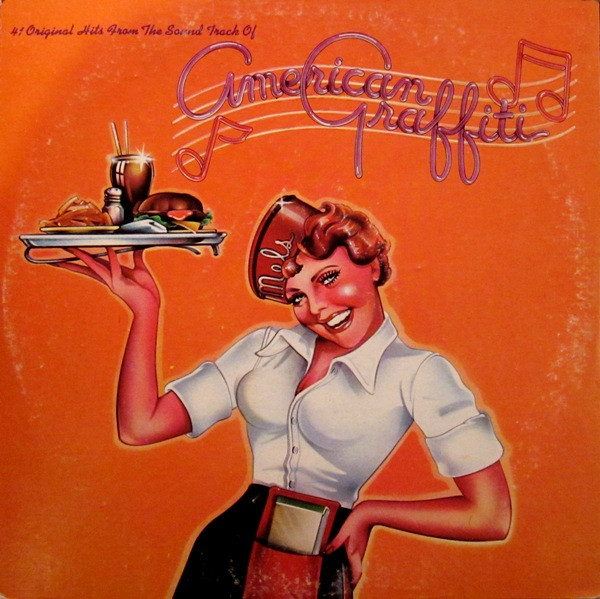
41 Original Hits From The Sound Track Of American Graffiti
1973
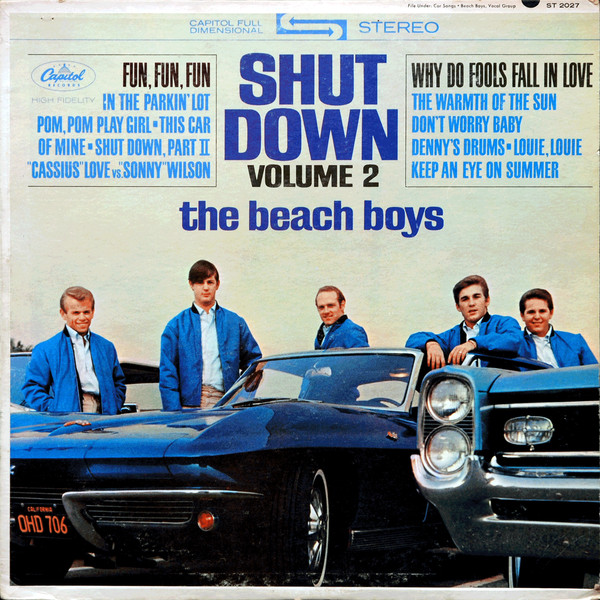
Shut Down Volume 2
1964
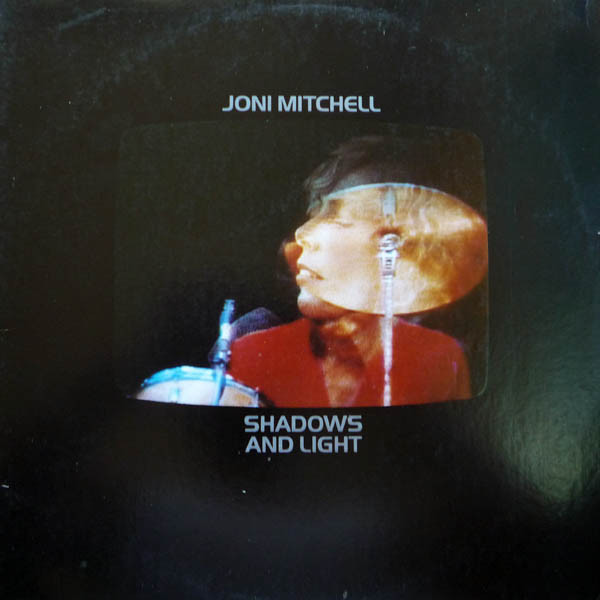
Shadows And Light
1980
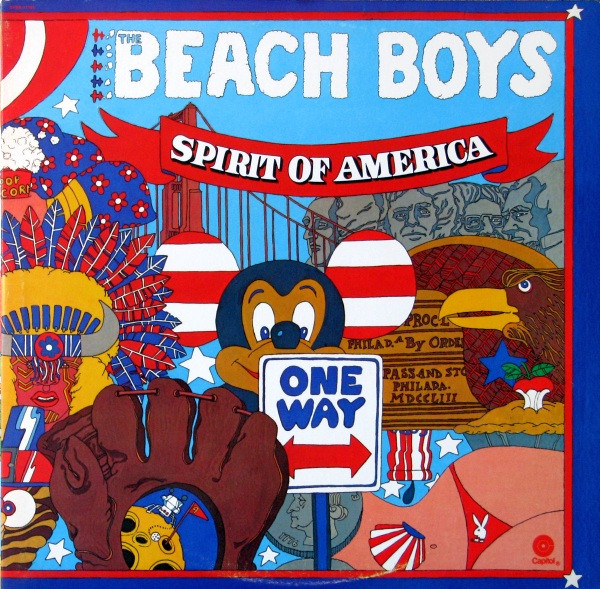
Spirit Of America
1975

Why Do Fools Fall In Love
1981
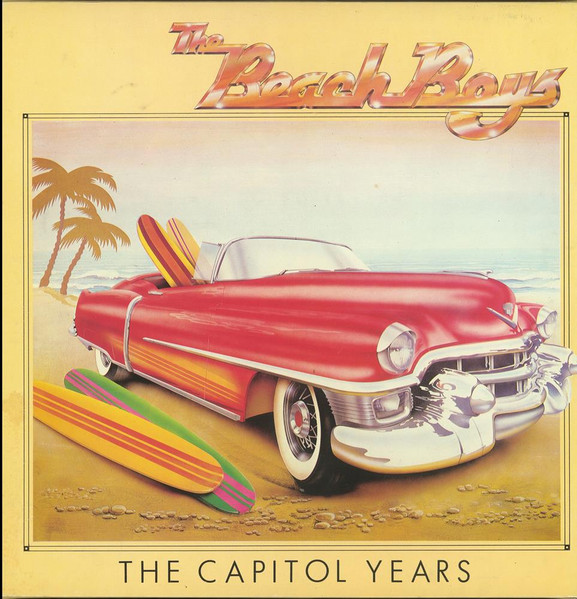
The Capitol Years
1980
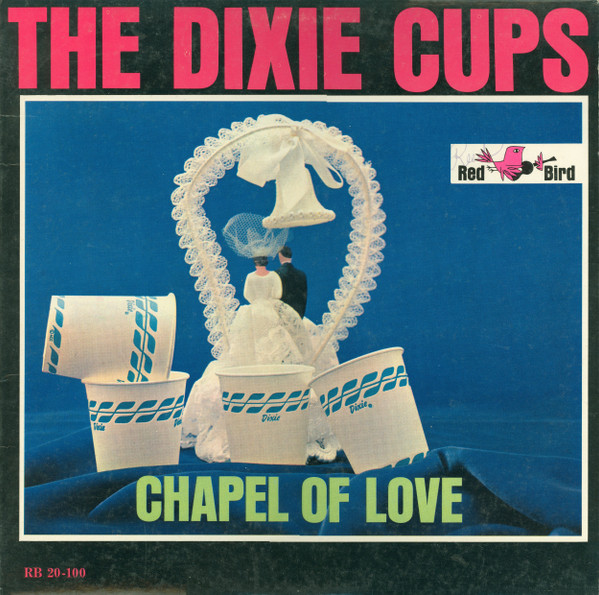
Chapel Of Love
1964

24 Original Classics
1984

The Best Of Frankie Lymon & The Teenagers
1989

Fun, Fun, Fun / Dance, Dance, Dance
1975
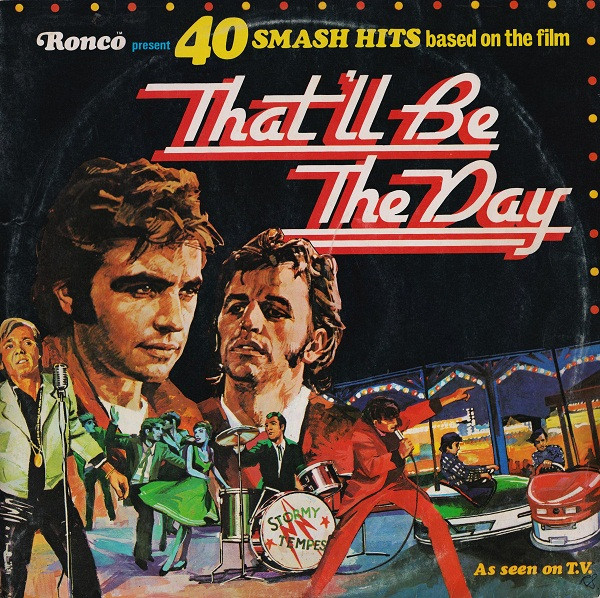
That'll Be The Day
1973

Greatest Hits Live
1989

Remember When
1972

Psychedelic Goes Latin
1967

Fun, Fun, Fun
1964

Why Do Fools Fall In Love / Please Be Mine
1955

Mighty SuperFunk. Rare 45s And Undiscovered Masters 1967-1978 (Volume 6)
2008
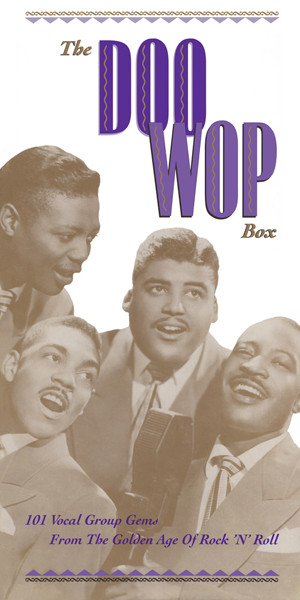
The Doo Wop Box
1994

One Woman - The Ultimate Collection
1993

A Bronx Tale (Music From The Motion Picture)
1993

Don't Stop... Doo Wop!
1991

Massive 3 (Double Album Of Reggae Hits)
1989

Then Came Rock 'N' Roll
1984

Lookin' Back
1966
Frequent collaborators
- Various
- The Flamingos
- The Beach Boys
- The Chantels
- Diana Ross
- Little Anthony & The Imperials
- The Teenagers Featuring Frankie Lymon
- The Cleftones
Around the web
See who really made the music.
Gatefold maps every producer, engineer, and player across your shelf — the credits no one else surfaces.
Start your shelf →Free forever. Works with 10 records or 10,000.