
Artist
The Beach Boys
American rock band
Hawthorne, United States · Formed 1961
The Beach Boys is a music group from Hawthorne, United States, active since 1961. Their discography on Gatefold includes 24 records.

110
Albums tracked
1,531
In collections
1961
Since
Biography
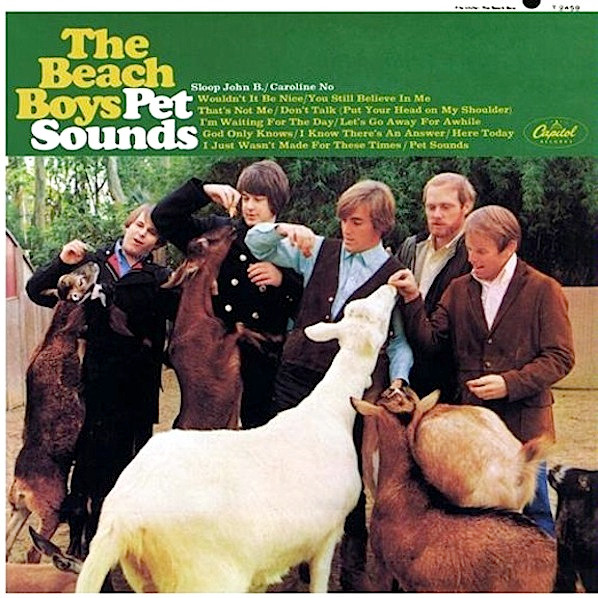
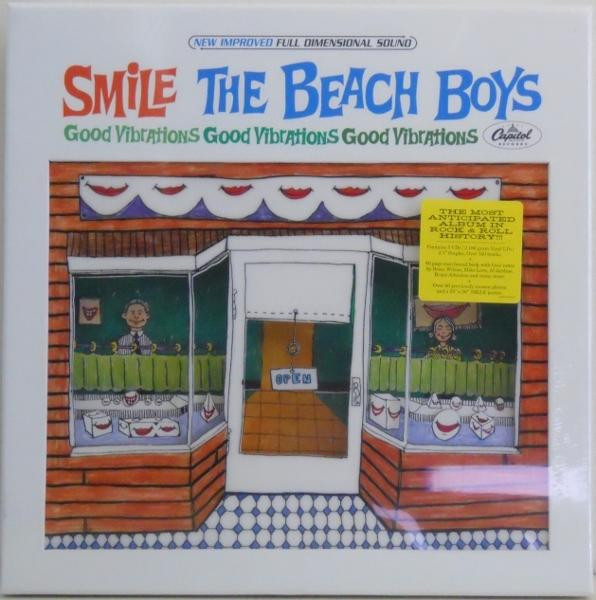
Brian Wilson tracked the instrumental beds for Pet Sounds using Phil Spector's session regulars while the rest of the band was thousands of miles away in Japan. He was deaf in one ear, which meant stereo was a useless novelty to him; mono was the only way to lock down every single horn, bicycle bell, and electro-theremin exactly where he wanted them. The suits at Capitol panicked because there were no hot rods or surfboards on the tape, but Brian had already moved past teenage escapism into dense, terrifyingly vulnerable orchestration. When Mike Love and the brothers got back to Los Angeles, they were essentially handed sheet music and told to sing complex, interlocking choral arrangements over tracks they hadn't touched. Then came the crash. The aborted Smile sessions cracked Brian wide open, leaving the rest of the band to pick up the pieces and steer the ship through the late sixties and seventies. Dennis Wilson turned out to be a bruised, soulful songwriter in his own right, while Carl Wilson stepped up to run the production board with remarkable precision on records like Sunflower and Holland. They went from boardroom darlings to counterculture castaways, briefly morphing into one of the tightest live rock units of the early seventies before the nostalgia circuit swallowed them whole. It's easy to write them off as striped-shirt beach bums, but underneath the sun-bleached varnish is some of the most intricate vocal architecture ever cut to tape.
Bio from The Clerk
The Arc of The Beach Boys
The pivots — what forced The Beach Boys to reinvent.
The Studio Sanctuary
Brian stepped off the touring road in late 1964 to hole up in studios like Western Recorders and Gold Star. Armed with the finest session players in town and lyricist Tony Asher, he abandoned simple two-minute surf stomps to build symphonic pop mini-suites. The culmination, 1966's Pet Sounds, swapped teenage bravado for French horns, bass harmonicas, and exposed insecurity. You hear the shift instantly in the dense, layered mono mixes where vocal harmonies float over unconventional percussion rather than garage-rock guitar riffs.
Lo-Fi Brotherhood
After the Smile sessions collapsed under internal friction and mounting paranoia, Brian retreated to a makeshift studio in his Bel Air living room. The grand orchestral ambitions were junked overnight in favor of cheap detuned upright pianos, organs, and stripped-down R&B grooves. Records like Smiley Smile and Wild Honey shocked an industry expecting a pop masterpiece, pivoting instead into raw, playful, tape-hiss-soaked soul music. Carl and Dennis took over vocal leads and arrangements, turning what could have been total ruin into an intimate, communal survival sound.
The Brother Records Renaissance
Leaving Capitol and taking creative control onto their own Brother Records imprint, the band shifted into a true democracy as Brian's studio presence grew erratic. Carl assumed control as primary producer, bringing in South African musicians Blondie Chaplin and Ricky Fataar to inject tough, bluesy grit into Carl and the Passions: 'So Tough' and Holland. Dennis emerged as a devastatingly emotional writer with tracks that traded bright harmonies for smoky, cinematic piano ballads. On Holland, tracked via a dismantled studio shipped directly to the Dutch countryside, the band proved they could survive outside the California sun as a serious, progressive seventies rock outfit.
Influences
- The Four Freshmen — Brian Wilson spent his youth obsessively dissecting Bob Flanigan's vocal arrangements, memorizing their five-part modal harmonies note for note. You hear those complex open jazz voicings directly mapped onto rock and roll chord progressions across 'Surfer Girl' and 'The Warmth of the Sun.' Without Flanigan's soaring falsetto and stacked vocal intervals, the core Beach Boys vocal formula simply doesn't exist.
- Phil Spector — Brian famously attended Spector's Wall of Sound sessions at Gold Star, studying how engineer Larry Levine bled pianos, acoustic guitars, and massed percussion into a single mono wave. That lesson directly informed the tracking of 'California Girls' and Pet Sounds, where Wilson commandeered Spector's exact session crew to build dense, acoustic-electric tapestries. It wasn't flattery; it was an explicit attempt to beat the master at his own audio game.
- Chuck Berry — The band literally built their breakthrough single 'Surfin' U.S.A.' around the melody and rhythm of Berry's 1958 hit 'Sweet Little Sixteen,' resulting in Berry getting sole songwriting credit. Carl Wilson lifted his early lead guitar phrasing directly from Berry's double-stop pentatonic vocabulary, which powered almost every early car track they recorded. They took urban Midwestern electric blues and retrofitted it into high-octane suburban hot-rod soundtracks.
- The Robins — Leiber and Stoller's early doo-wop productions for groups like The Robins established the comedic, story-driven vocal back-and-forth between a punchy lead and a goofy bass vocal. Mike Love modeled his entire early vocal persona on those bouncy, street-corner bass refrains. You can track the DNA straight through the doo-wop tags on early sides like 'Surfin' Safari' and 'Shut Down.'
- Gershwin — Brian Wilson frequently referenced George Gershwin's 'Rhapsody in Blue' as a foundational moment of emotional clarity that blew open his concept of melody. The expansive, modular chord movement in Brian's mid-sixties pocket symphonies borrows directly from that 20th-century American orchestral tradition. It is the bridge between straightforward three-chord pop songs and the impressionistic, shifting movements of tracks like 'Heroes and Villains.'
Discography
Their records — most-collected first.
Pet Sounds
1966
Endless Summer
1974
The Smile Sessions
2011
Surf's Up
1971
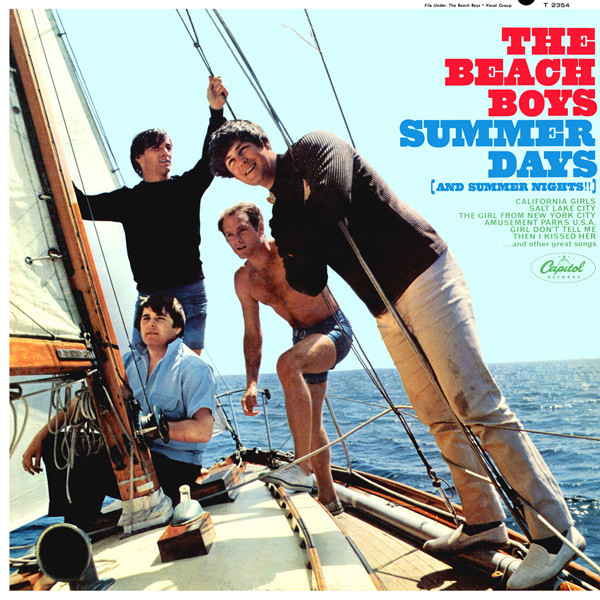
Summer Days (And Summer Nights!!)
1965
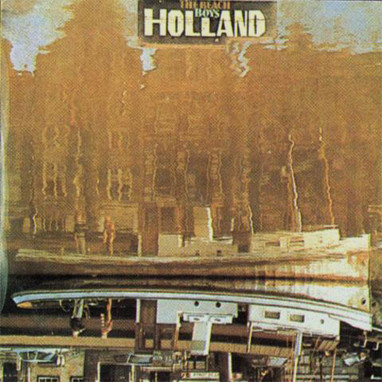
Holland
1973
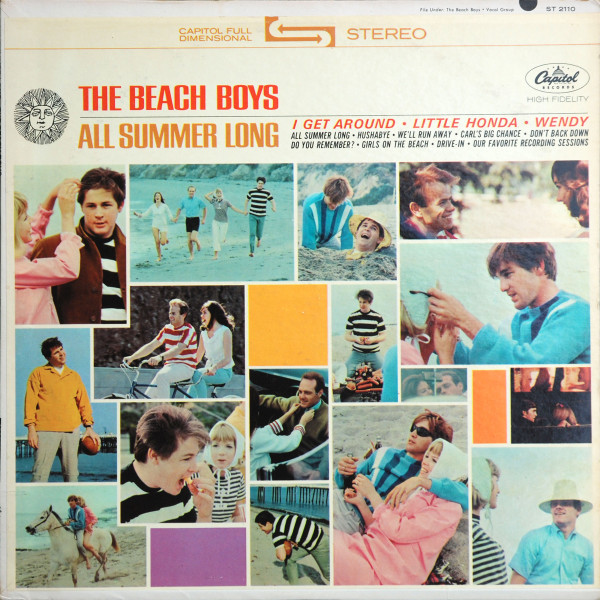
All Summer Long
1964
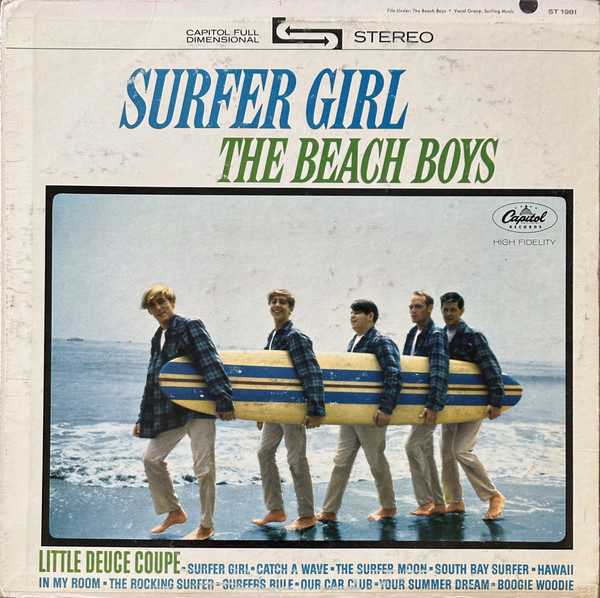
Surfer Girl
1963

Surfin' U.S.A.
1963

The Beach Boys' Christmas Album
1964
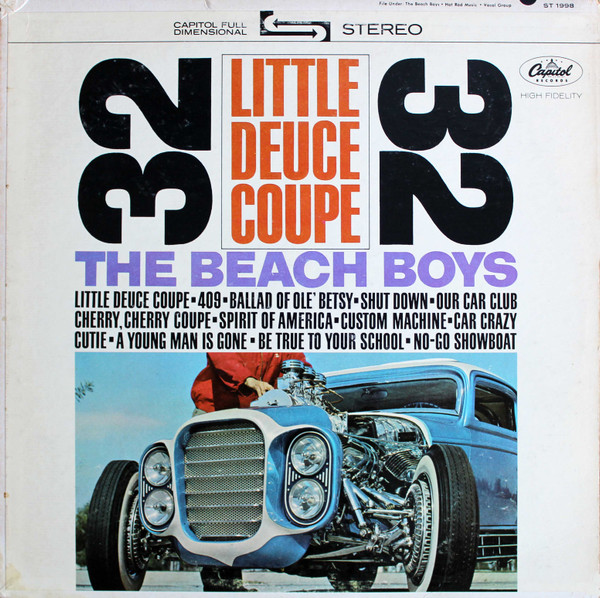
Little Deuce Coupe
1963
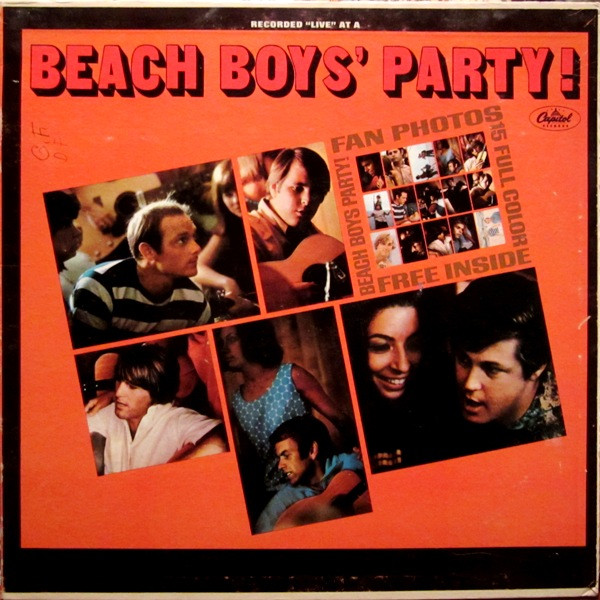
Beach Boys' Party!
1965
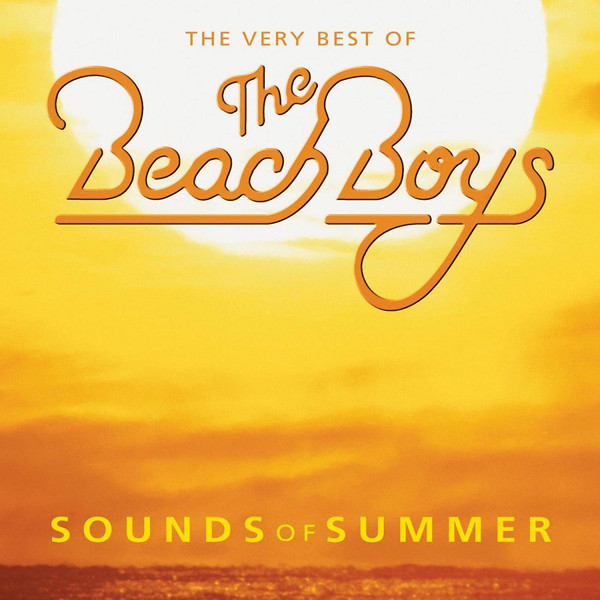
Sounds Of Summer - The Very Best Of
2003
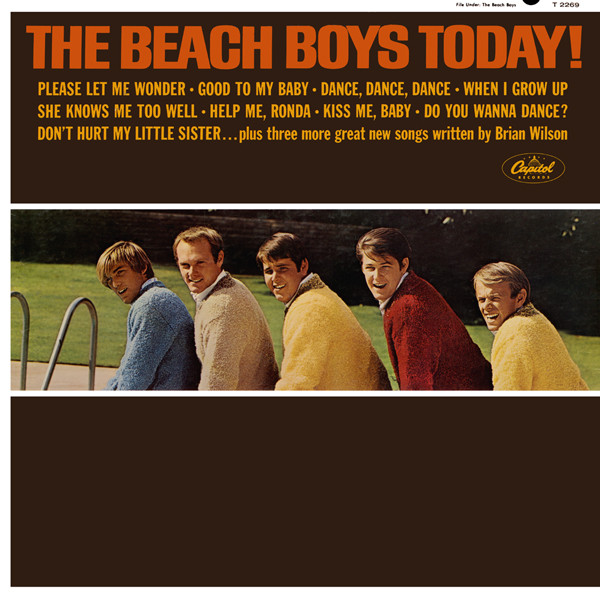
The Beach Boys Today!
1965
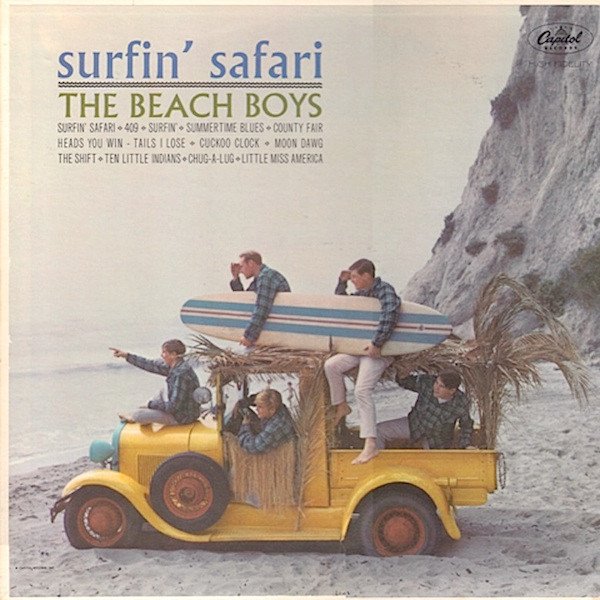
Surfin' Safari
1962
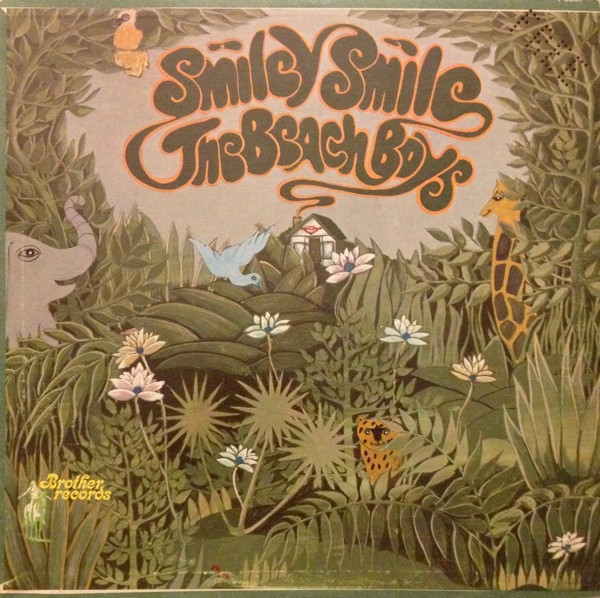
Smiley Smile
1967
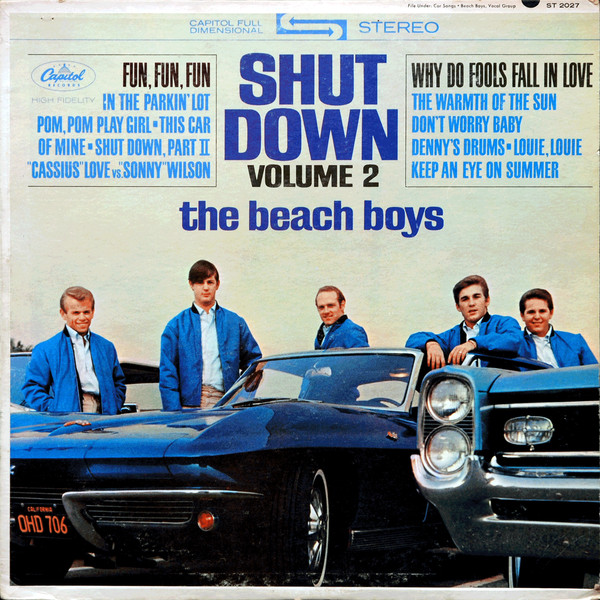
Shut Down Volume 2
1964
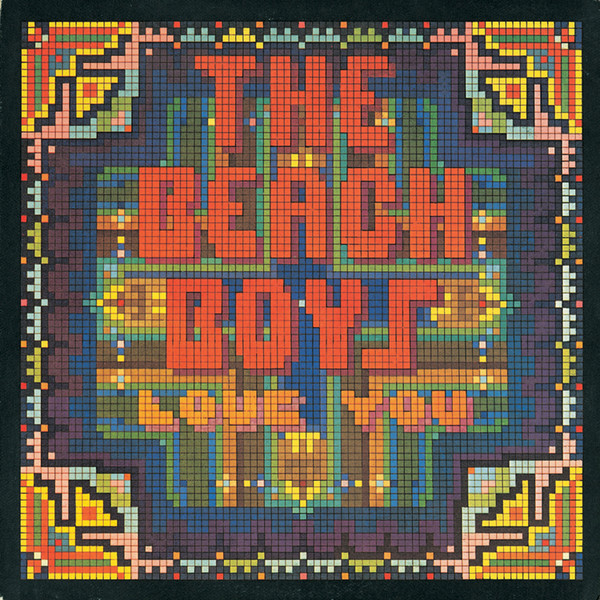
Love You
1977

Concert
1964
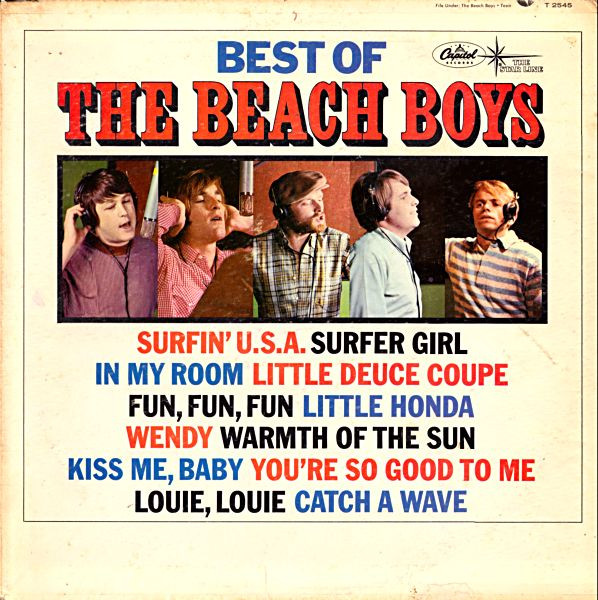
Best Of The Beach Boys - Vol. 1
1966
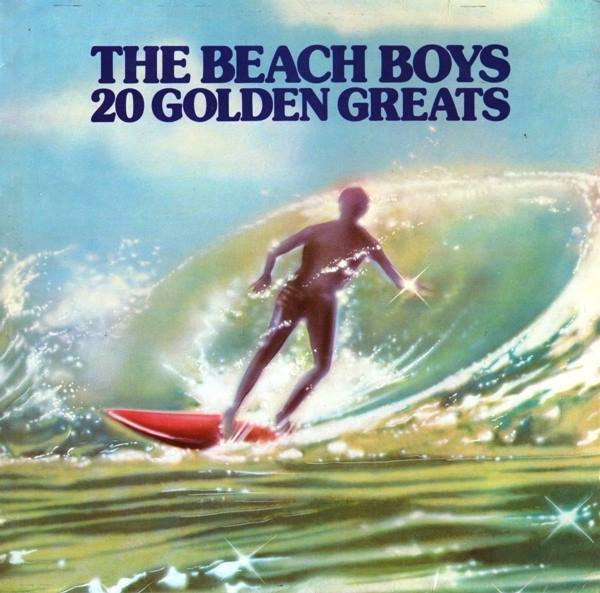
20 Golden Greats
1976
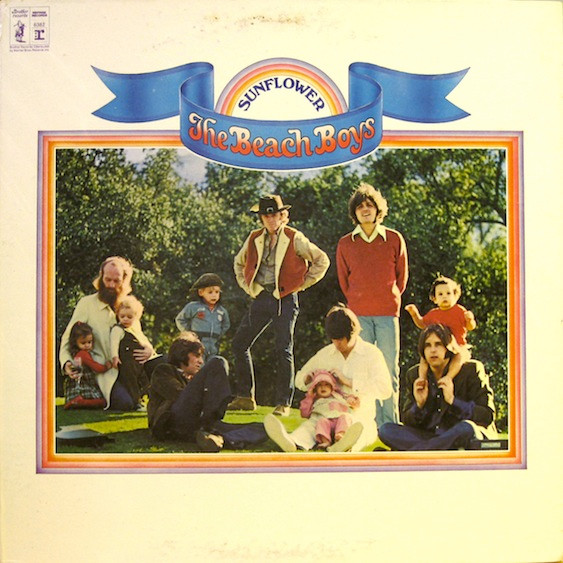
Sunflower
1970
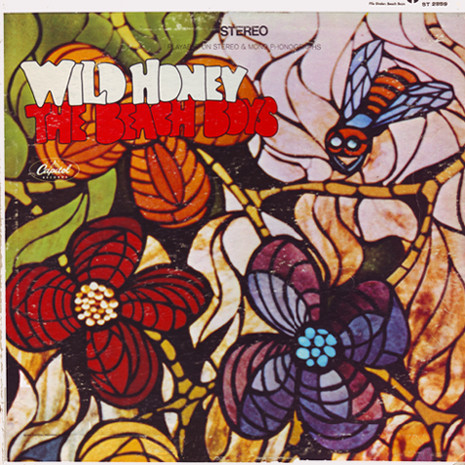
Wild Honey
1967
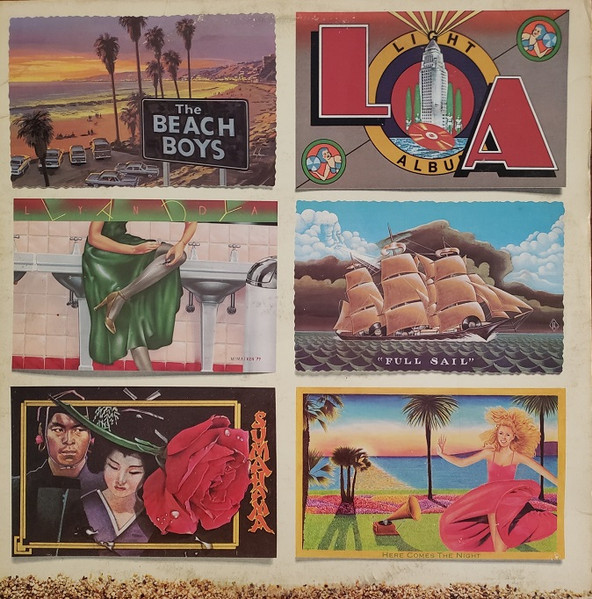
L.A. (Light Album)
1979
Related artists
Members
Frequent collaborators
Around the web
Follow every record they touch.
Start your shelf and Gatefold tracks The Beach Boys's new pressings, tour dates, and the whole discography — automatically.
Start your shelf →Free forever. Works with 10 records or 10,000.