
Performance
Charles Newman
real name Isador Charles Newman
Charles Newman is credited on 913 releases across 325 albums tracked on Gatefold, active 1950–2021 — the collector-built map of who actually made the music.

913
Credits
325
Albums
8
Decades active
55
In collections
Biography
Showing the Discogs bio
American songwriter and lyricist.
Born: February 22, 1901 in Chicago, Illinois, USA
Died: January 9, 1978 (age 76) in Beverly Hills, Los Angeles, California, USA
The son of a butcher working in the Chicago stockyards, Newman grew up in Chicago, where he graduated from John Marshall High School. He started working life at age 18 as the correspondent for a bank. At some point, he attended Columbia University in New York City. By the later half of the 1920s, he had become a professional songwriter, living in Chicago. In June 1930, he married Lessie Jane Greenwald in Chicago. In 1935, he collaborated on the music for the 1935 "Earl Carroll's Sketch Book" revue on Broadway, which featured the song "Let's Swing It."
Between 1935 and 1940, he moved to Beverly Hills, California, and became involved with writing music for Hollywood movies like "Jitterbugs", "Tahiti Honey", "What's Buzzin' Cousin" (all 1943) and "Lady, Let's Dance" (1944). A song written for that last movie, "Silver Shadows and Golden Dreams" (with Lew Pollack), was nominated for an Academy Award. In 1943, Pollack and Newman also collaborated on a variety revue, "Born Happy", that featured Bill "Bojangles" Robinson and premiered in Los Angeles, but the show flopped.
Newman's greatest hits were "Our Bungalow Of Dreams" (1927, with Tommie Malie and Joe Verges) and "Sweethearts On Parade" (1928, with Carmen Lombardo).
Other successful songs were "That's What Puts The "Sweet" In Home Sweet Home" (1928, with Mack Gordon and Ed Lowry), "Dream Train" (1929, with Billy Baskette), "The Moonlight March" (1929, with Carmen Lombardo), "What's The Use" (1930, with Isham Jones), "(Was I To Blame For) Falling In Love With You" (1930, as M. Neuman with Gus Kahn and Victor Young), "I'll Never Have To Dream Again" (1933, with Isham Jones), "You've Got Me Crying Again" (1933, with Isham Jones), "Flowers For Madame" (1933, with Charles Tobias and Murray Mencher), "Let's Swing It" (1935, with Charles Tobias and Murray Mencher), "Tiny Little Fingerprints" (1935, with Charles Tobias and Sam H. Stept), "West Wind" (1936, with Milton Ager and Murray Mencher), "It's No Fun" (1936, with Milton Ager and Murray Mencher), "You Can't Pull The Wool Over My Eyes" (1936, with Milton Ager and Murray Mencher), "The Meanest Thing You Ever Did Was Kiss Me" (1937, with Al Lewis and Murray Mencher), "Summer Souvenirs" (1938, with J. Fred Coots), "The Answer Is Love" (1939, with Sam H. Stept), "Little Old Band Of Gold" (1939, with Fred Glickman and Gene Autry), "He's My Uncle" (1940, with Lew Pollack), "Six Lessons From Madame La Zonga" (1940, with James V. Monaco), "Why Don't We Do This More Often" (1941, with Allie Wrubel), "Rancho Pillow" (1941, with Allie Wrubel), "I Met Her On Monday" (1942, with Allie Wrubel), "A Boy In Khaki-A Girl In Lace" (1942, with Allie Wrubel), "It Isn't A Dream Anymore" (1942, with Walter Samuels), "I'm A-Comin' A-Courtin' Corabelle" (1947, with Allie Wrubel), and many others.
Bio from Discogs
Credited work
913 releases · 325 albums · active 1950–2021
- Performance · 940
Studios: Van Gelder Studio, Englewood Cliffs, New Jersey · Group IV Recording Studios · Fine Recording Studios · United Recording Studios
Discography
Records they worked on — most-collected first.
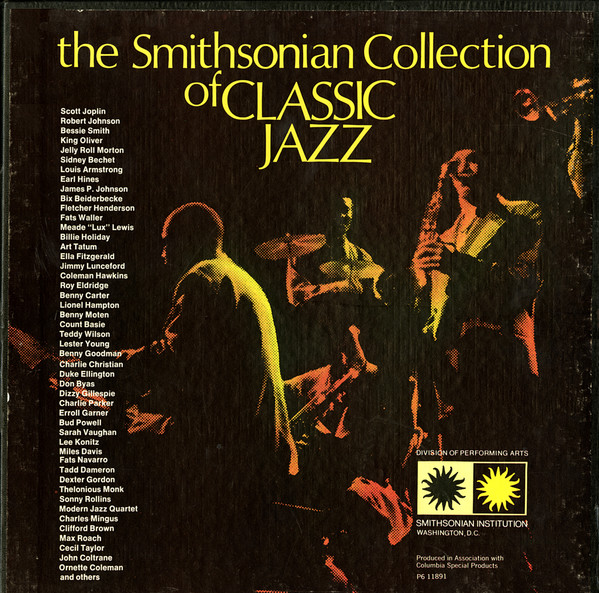
The Smithsonian Collection Of Classic Jazz
1973

Transistor Radio
2005

Sweet & Sour Tears
1964
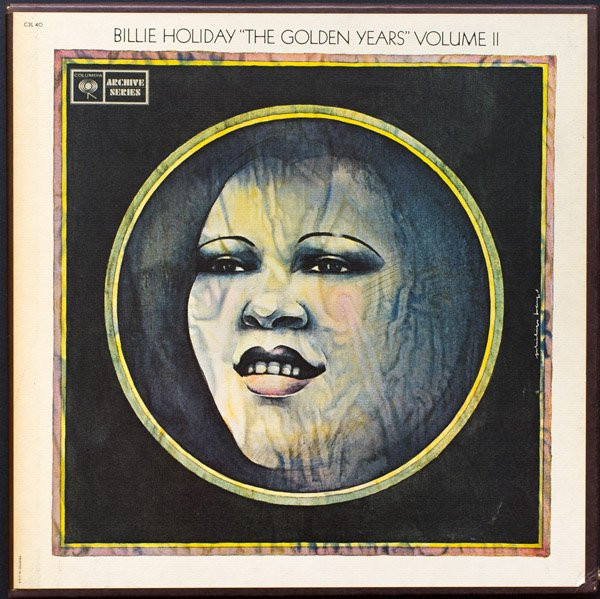
"The Golden Years" Volume II
1966

Louis Armstrong And Earl Hines 1928 - The Smithsonian Collection
1975
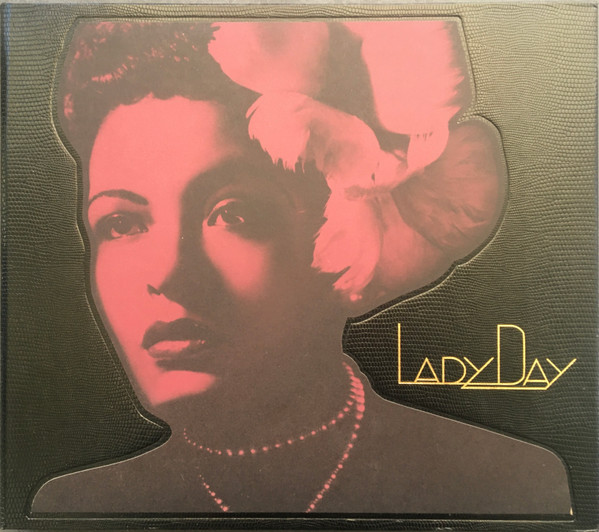
Lady Day (The Complete Billie Holiday On Columbia) (1933-1944)
2001

Portrait Of The Artist As A Young Man: 1923-1934
1994

The Quintessential Billie Holiday Volume 1, 1933-1935
1987

The Commodore Years
1973
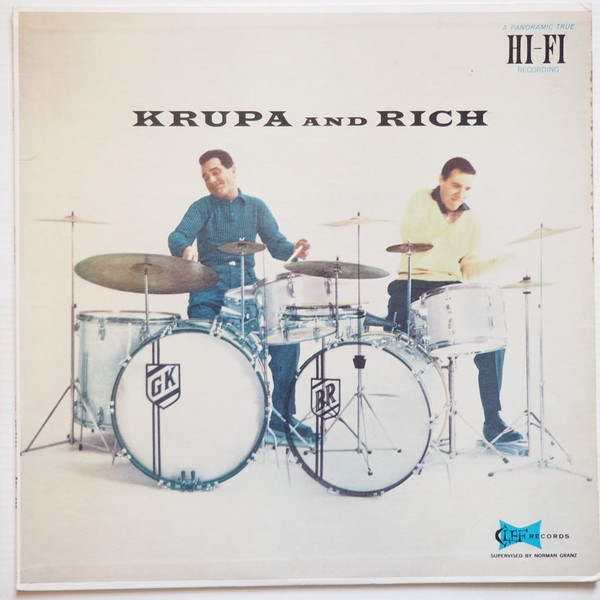
Krupa And Rich
1956

Brenda, That's All / All Alone Am I
2006

Small Combos 1937-1940
1990

The Complete Tommy Dorsey Vol. I / 1935
1976

Happy Time
1975
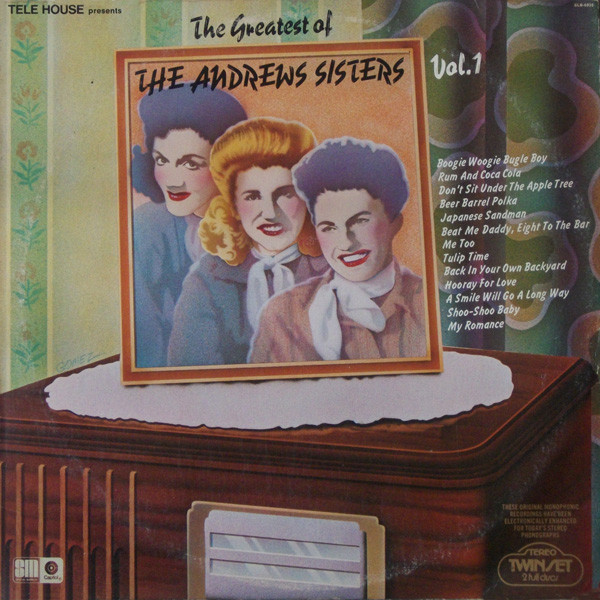
The Greatest Of The Andrews Sisters
1974

The Best Years Of Ella Fitzgerald - Registrazione Originale 1936-1939
1970

Brenda, That's All
1962

Kay Kyser's Greatest Hits
1962

For Lonely Lovers
1961

60 Years Of Music America Loves Best (Volume II)
1960

A Man Ain't Supposed To Cry
1958

An Evening With Guy Lombardo
1958

Lawrence Welk Plays Dixieland
1957

Cocktails And Conversation
1957
Frequent collaborators
Around the web
See who really made the music.
Gatefold maps every producer, engineer, and player across your shelf — the credits no one else surfaces.
Start your shelf →Free forever. Works with 10 records or 10,000.