
Performance · Other credits
B.B. King
real name Riley B. King
Itta Bena, United States · 1925-09-16 – 2015-05-14
B.B. King is credited on 4,657 releases across 1,171 albums tracked on Gatefold, active 1951–2026 — the collector-built map of who actually made the music.

4,657
Credits
1,171
Albums
8
Decades active
938
In collections
Biography
Showing the Discogs bio
American blues singer, guitarist, and songwriter born September 16, 1925 near Itta Bena, Mississippi and died May 14, 2015, Las Vegas, Nevada. B.B. is an abbreviation for 'Blues Boy'.
King is one of the most influential blues musicians of all time, earning the nickname "The King of the Blues." He is considered one of the "Three Kings of the Blues Guitar" (along with Albert King and Freddie King, none of whom are related). Since he started recording in the 1940s, he released over fifty albums. He previously worked as a tractor driver.
In his youth, he played on street corners for dimes, and would sometimes play in as many as four towns a night. In 1947, he hitchhiked to Memphis, TN, to pursue his music career. In Memphis, B.B. stayed with his cousin Bukka White, one of the most celebrated blues performers of his time, who B.B. credits as one of his earliest mentors and teachers. King's first big break came in 1948 when he performed on Sonny Boy Williamson’s radio program on KWEM out of West Memphis. This radio performance led to steady engagements at the Sixteenth Avenue Grill in West Memphis and later to a ten-minute spot on the Memphis radio station WDIA. King's radio spot become so popular, it was expanded and became the “Sepia Swing Club.” As King worked at WDIA as a singer and disc jockey, he was given the catchy radio nickname "Beale Street Blues Boy", later shortened to "Blues Boy", and finally to "B.B."
In the late 1940s and early 1950s, King was a part of the blues scene on Beale Street. "Beale Street was where it all started for me", King said. He performed with Bobby Bland, Johnny Ace, and Earl Forest in a group known as The Beale Streeters. In 1949, King made his recording debut on Bullet (Bullet Recording & Transcription Co.) by issuing the single "Miss Martha King" (opens in a new tab), which did not chart well. Later that year, he began a recording contract with Los Angeles-based RPM Records. Many of King's early recordings were produced by Sam Phillips (who later founded Sun Record Company). King's recording contract was followed by tours across the US, with performances in big city theatres as well as gigs in small clubs and juke joints in the southern United States. During one show in Twist, Arkansas, a fight broke out between two men and caused a fire. King evacuated with the rest of the crowd, but realizing he left his acoustic guitar inside, rushed back inside the burning building to retrieve it. He later discovered the two men were fighting over a woman named Lucille. Ever since, each one of B.B.’s trademark Gibson guitars has been called Lucille, as a reminder not to fight over women or run into any more burning buildings.
In 1952, B.B. had a number one hit with “Three O’Clock Blues,” and began touring nationally soon after. 1956 became a record-breaking year, with 342 concerts booked and three recording sessions. That same year he founded his own record label, Blues Boys Kingdom, with headquarters at Beale Street in Memphis. In 1962, King signed to ABC-Paramount Records, which was later absorbed into MCA Records. In November 1964, King recorded the Live At The Regal album, considered to be one of his finest recordings. In 1968, B.B. played at the Newport Folk Festival and at Bill Graham’s Fillmore West on bills with the hottest contemporary rock artists of the day who idolized B.B. and helped to introduce him to a young white audience. In 1969, B.B. was chosen by The Rolling Stones as the opening act for their American tour. He won a 1970 Grammy Award for his version of the song "The Thrill Is Gone", which was a hit on both the Pop and R&B charts. It also gained the number 183 spot in Rolling Stone magazine's 500 Greatest Songs of All Time. From the 1980s until his death in 2015, he maintained a highly visible and active career, appearing on numerous television shows and performing as much as 300 nights a year.
B.B. was inducted into the Blues Foundation Hall of Fame in 1984 and into the Rock And Roll Hall of Fame in 1987 (Performer).
Bio from Discogs
Credited work
4,657 releases · 1,171 albums · active 1951–2026
- Performance · 10,348
- Other credits · 241
- Production · 39
Studios: Olympic Studios · Fillmore East · Monterey Pop Festival · Amigo Studios
Discography
Records they worked on — most-collected first.
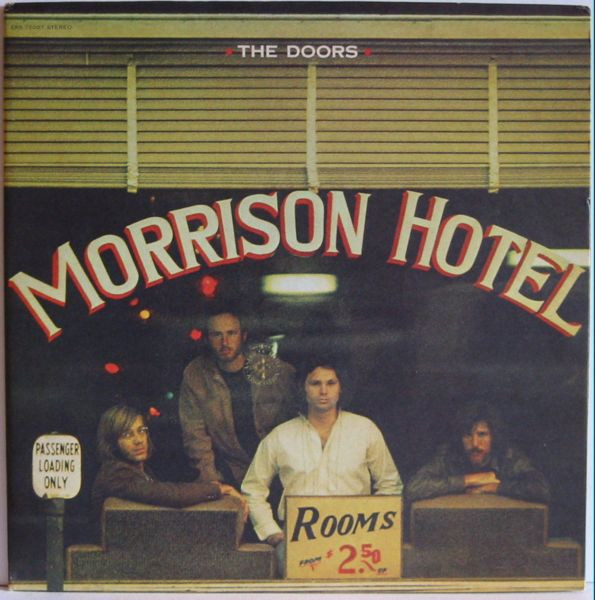
Morrison Hotel
1970
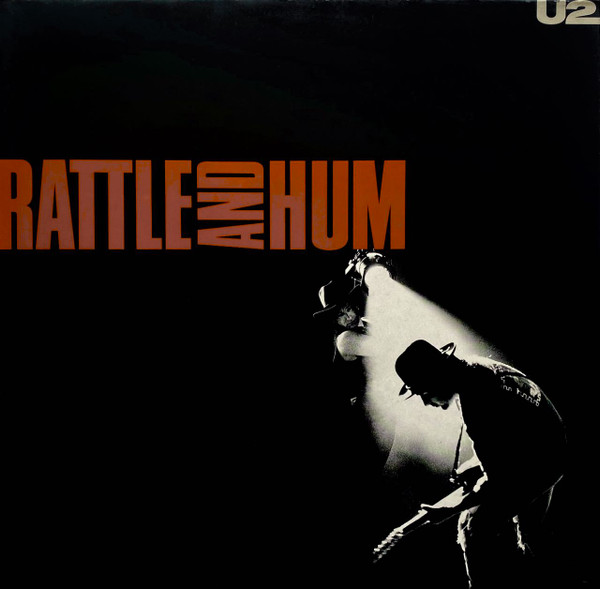
Rattle And Hum
1988
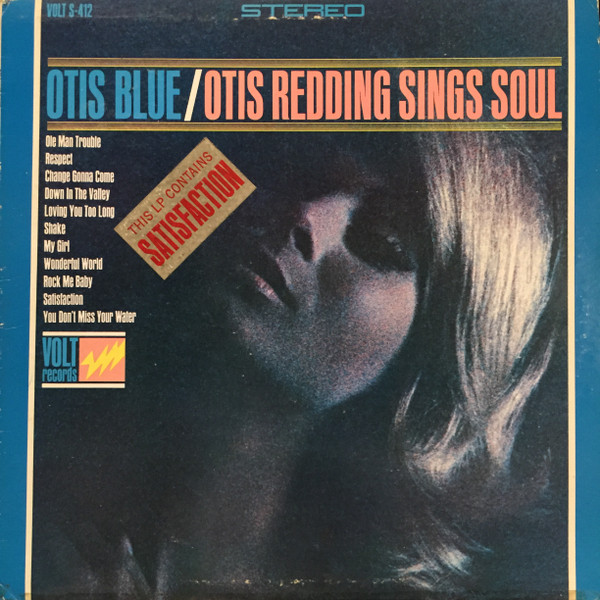
Otis Blue / Otis Redding Sings Soul
1965

Get Yer Ya-Ya's Out! - The Rolling Stones In Concert
1970
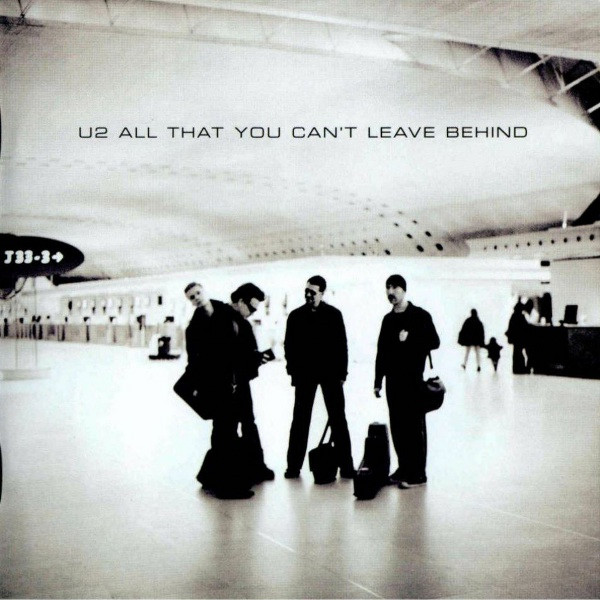
All That You Can't Leave Behind
2000

Bridge Of Sighs
1974

Vincebus Eruptum
1968
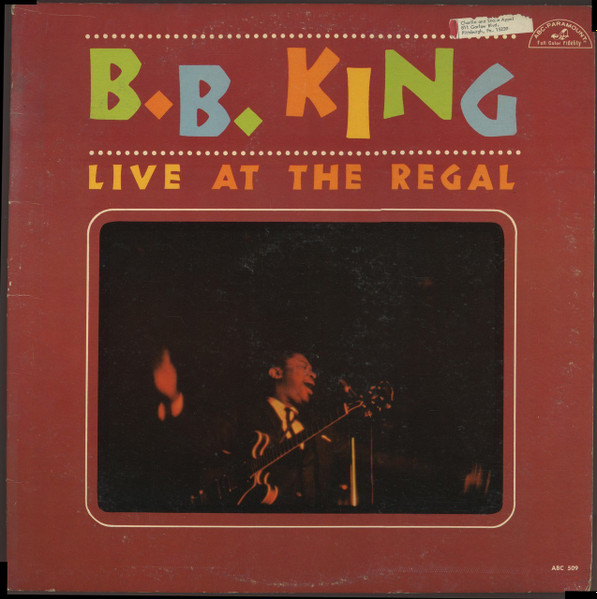
Live At The Regal
1965

Live At The Greek - Excess All Areas
2000

Live In Cook County Jail
1971
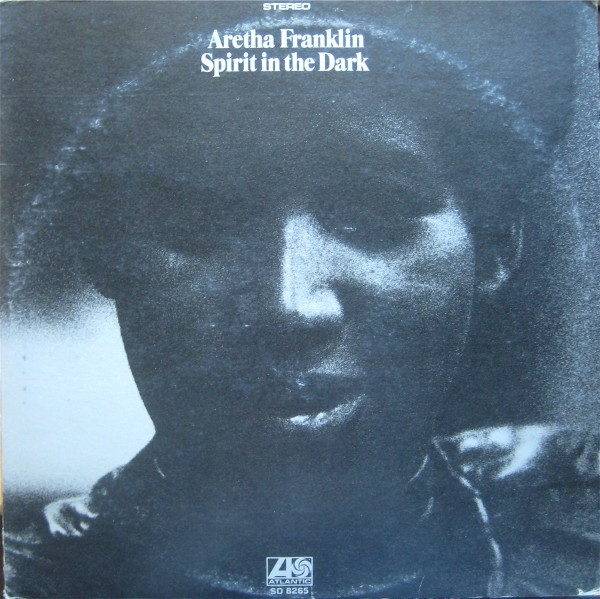
Spirit In The Dark
1970

Beck-Ola
1969
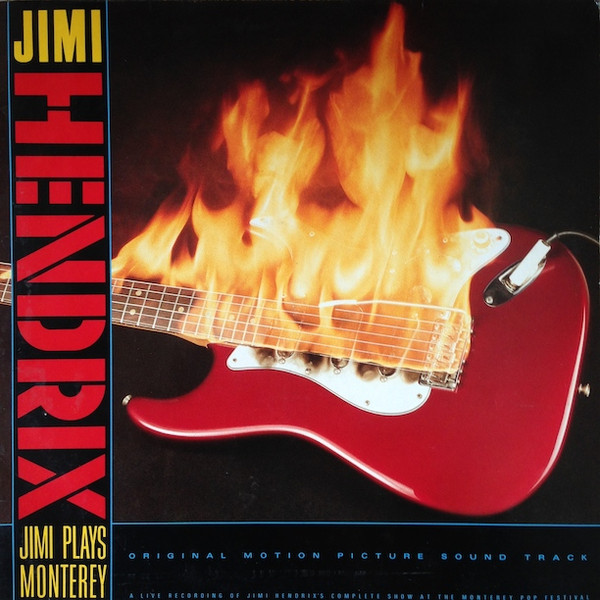
Jimi Plays Monterey (Original Motion Picture Sound Track)
1986
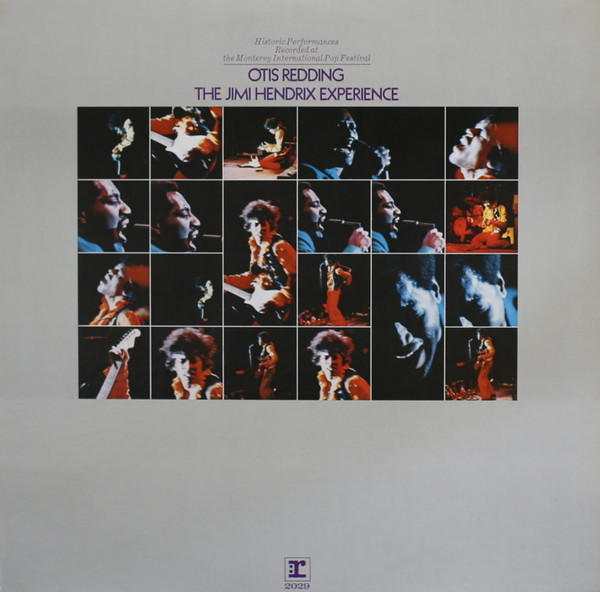
Historic Performances Recorded At The Monterey International Pop Festival
1970

The Best Of 1980-1990
1998
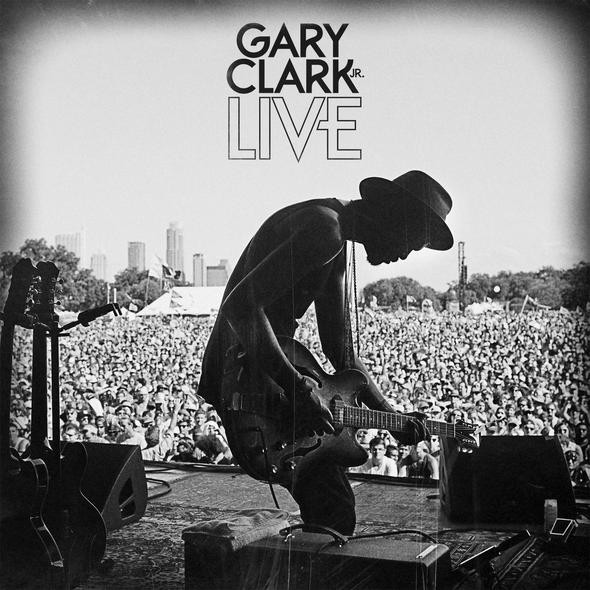
Live
2014
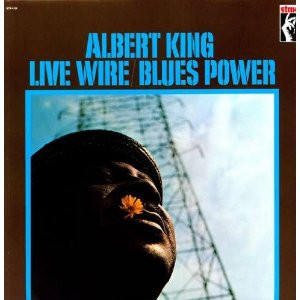
Live Wire / Blues Power
1968

In Session
1999
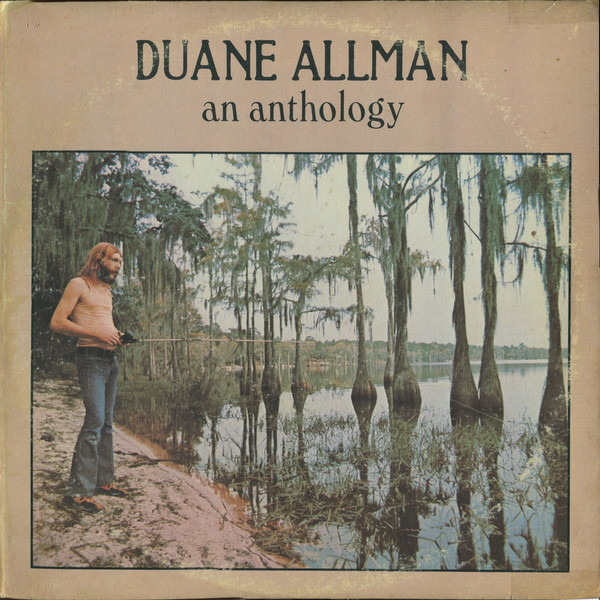
An Anthology
1972
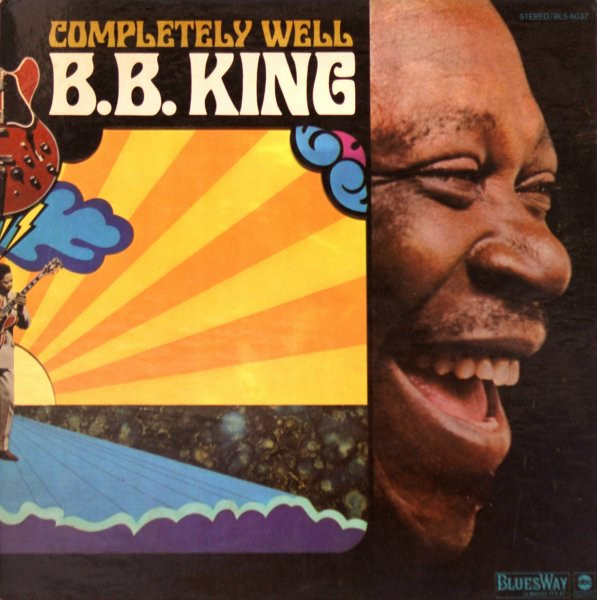
Completely Well
1969

Riding With The King
2000

The Best Of Otis Redding
1972
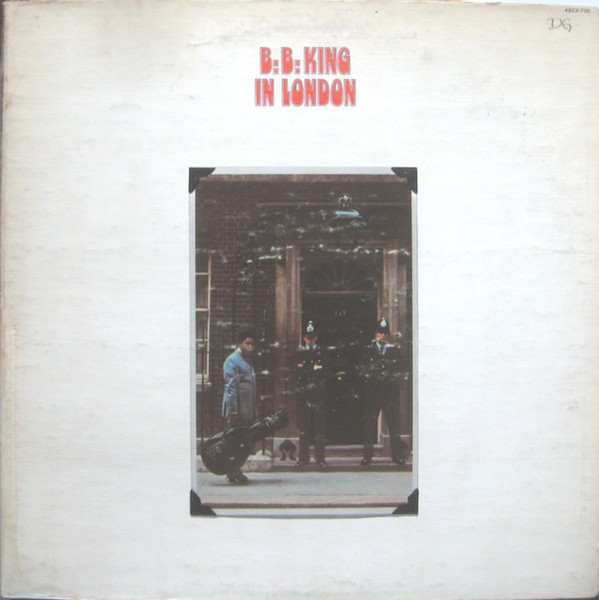
In London
1971
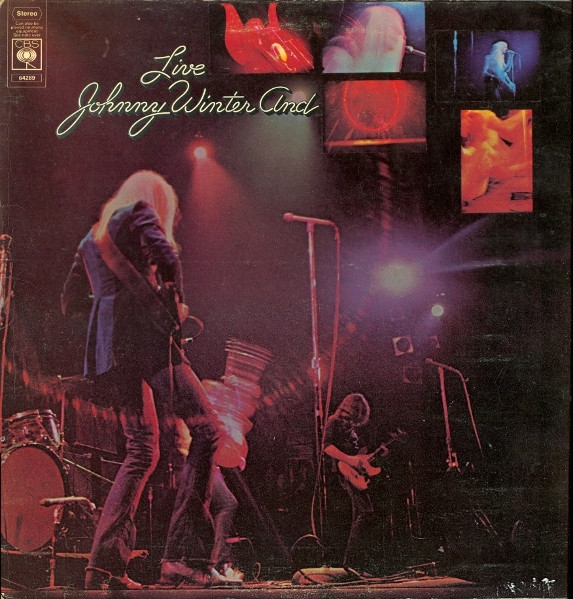
Live
1971
Frequent collaborators
- Various
- U2
- Jimi Hendrix
- Fleetwood Mac
- B. B. King And His Orchestra
- John Lee Hooker
- Otis Rush
- Gary Moore
Around the web
See who really made the music.
Gatefold maps every producer, engineer, and player across your shelf — the credits no one else surfaces.
Start your shelf →Free forever. Works with 10 records or 10,000.