Performance · Production
Alan Parsons
of The Alan Parsons Project
Willesden, United Kingdom · b. 1948-12-20
Alan Parsons is credited on 4,688 releases across 622 albums tracked on Gatefold, active 1968–2026 — the collector-built map of who actually made the music.

4,688
Credits
622
Albums
7
Decades active
3,463
In collections
Biography
Showing the Discogs bio
Born: December 20, 1949 in London, England.
Alan Parsons studied a number of musical instruments in childhood but, like many of his peers, settled on the guitar in his early teens. His job in the late 1960s at the EMI tape duplication facility allowed him access to many classics of the day, including the tape master of The Beatles Sgt. Pepper's Lonely Hearts Club Band (1967), which fired him up to become a recording engineer. He subsequently managed to get work at the and participated in the creation of The Beatles albums Let It Be (1970) and Abbey Road (1969) and the infamous Apple rooftop session. He also went on to work as mix engineer with Paul McCartney and George Harrison after The Beatles split.
Other artists Parsons has worked with include The Hollies, Cockney Rebel, John Miles & Al Stewart but his real ongoing claim to fame was his engineering work on Pink Floyd's Dark Side Of The Moon (1973) which earned him his first Grammy nomination.
It was after this that Parsons co-founded The Alan Parsons Project (APP) with songwriter Eric Woolfson, creating conceptual albums that featured a revolving cast of uber studio aces and members of bands such as Cockney Rebel, The Hollies, Pilot and The Zombies. The early albums were inspired by the works of Edgar Allan Poe (Tales Of Mystery & Imagination, 1976) and Isaac Asimov (I Robot, 1977), and later by esoteric subjects (Pyramid, 1977 and Eye In The Sky, 1982).
During the 1990s Parsons expanded his repertoire with a theatre show (Freudiana, 1990), and a touring live act with long time collaborators, guitarist Ian Bairnson and drummer Stuart Elliott. Alan dropped the “Project” identity for Alan Parsons’ 'Try Anything Once' in 1994, 'On Air' in 1996 and 'The Time Machine' in 1999. The incarnation of 'Alan Parsons Live Project', which should not be confused with APP as it misses Woolfson as a key person, was created and toured to sold-out audiences around the globe. A long-standing fan of Alan's music, Mike Myers as Austin Powers in The Spy Who Shagged Me decided to name his Dr. Evil character's death ray "The Alan Parsons Project".
Alan has written extensively for the Pro-Audio press and is an acknowledged expert in 5.1 Surround Sound recording. He has often lectured at Recording conferences and Schools of Recording and was the keynote speaker at The Audio Engineering Society convention in 1998.
He was married to Smokey Parsons with whom they had two sons, the first born Jeremy Parsons and Daniel Parsons; they divorced in 1999. He then married Lisa Parsons in 2003 with whom they had two daughters, Tabitha Parsons and Brittni Parsons.
Bio from Discogs
Credited work
4,688 releases · 622 albums · active 1968–2026
- Performance · 4,633
- Production · 2,476
- Engineering · 2,455
- Other credits · 416
- Mastering · 191
Studios: Abbey Road Studios · EMI Studios · The Grange · Mayfair Studios
Discography
Records they worked on — most-collected first.

The Dark Side Of The Moon
1973
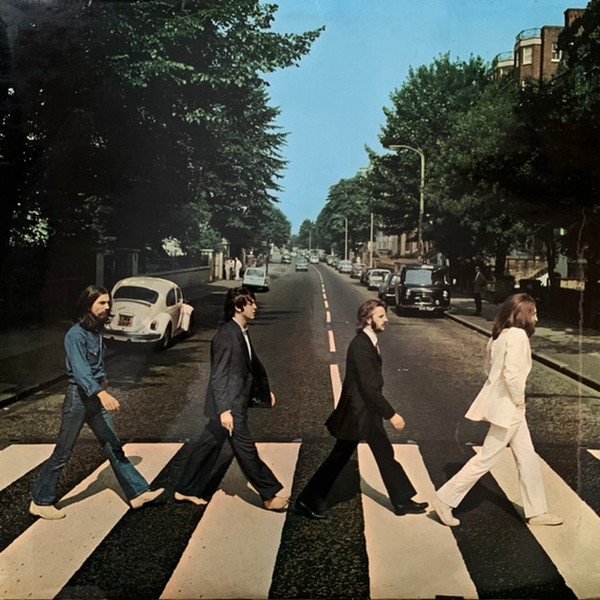
Abbey Road
1969
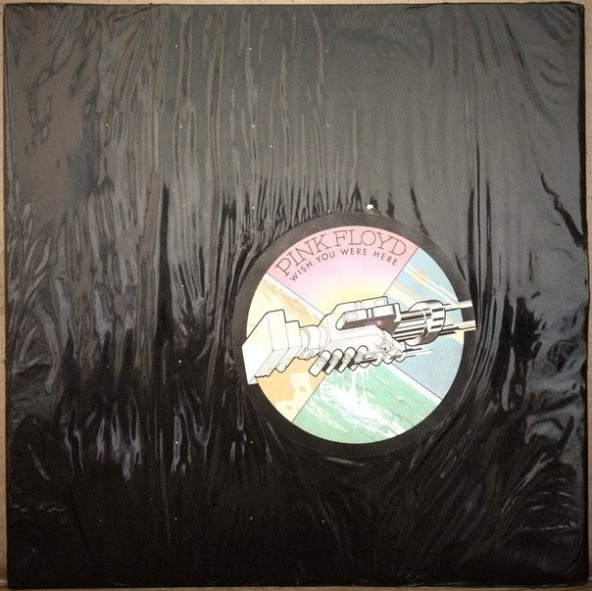
Wish You Were Here
1975

Let It Be
1970
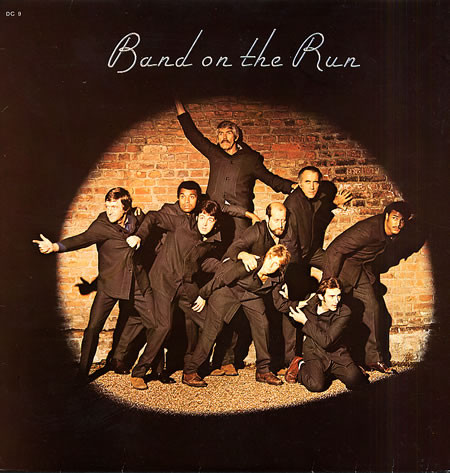
Band On The Run
1973
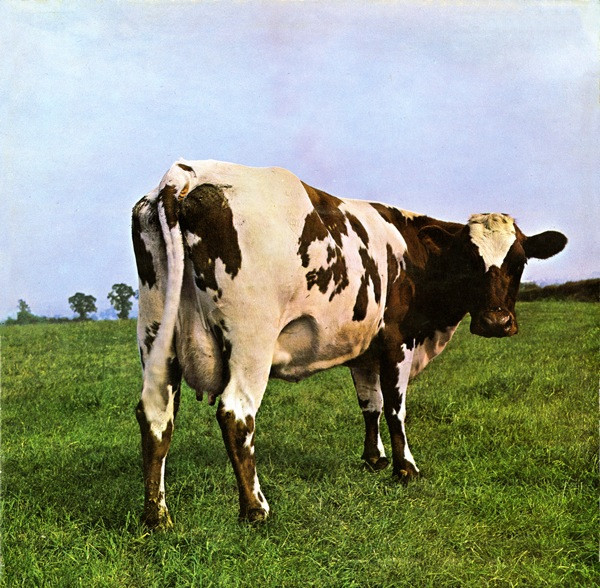
Atom Heart Mother
1970
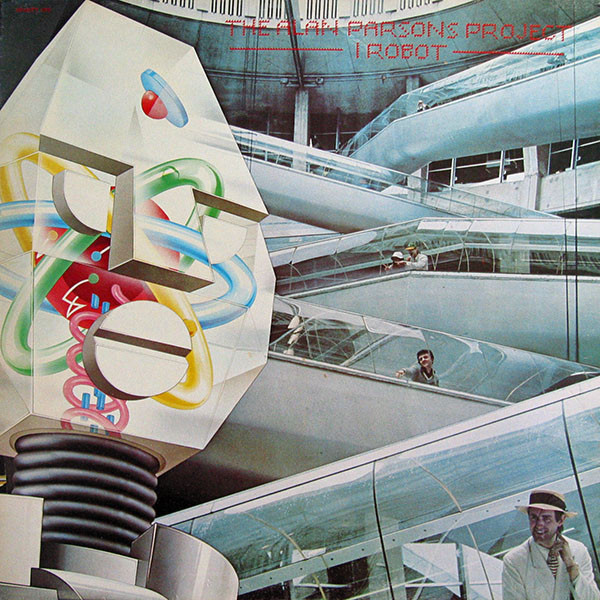
I Robot
1977
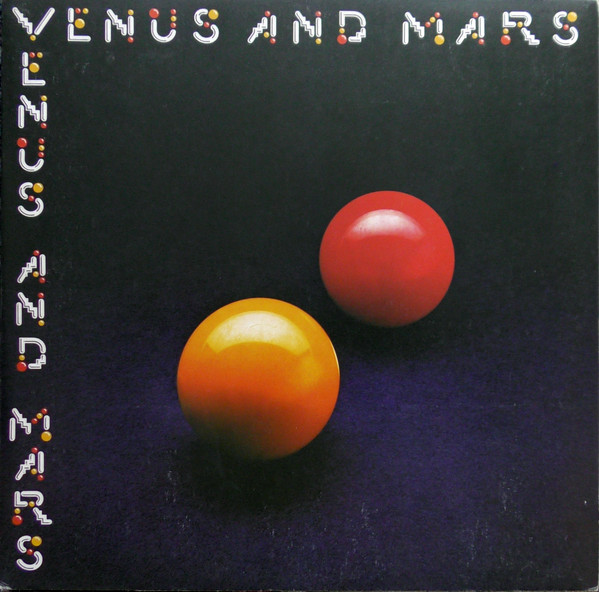
Venus And Mars
1975
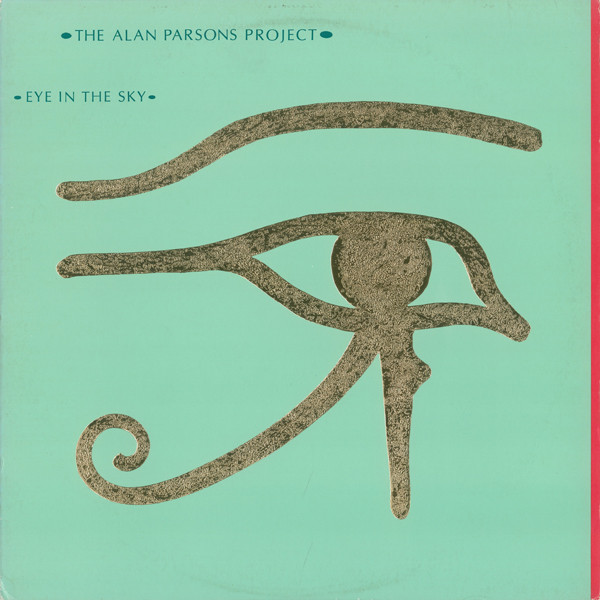
Eye In The Sky
1982
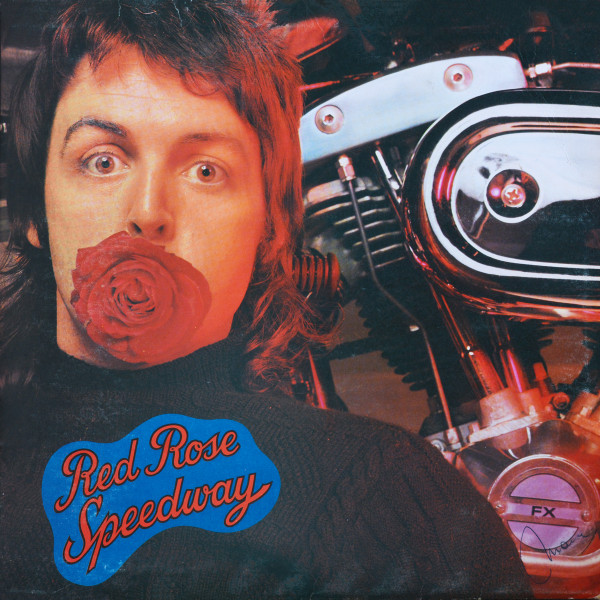
Red Rose Speedway
1973
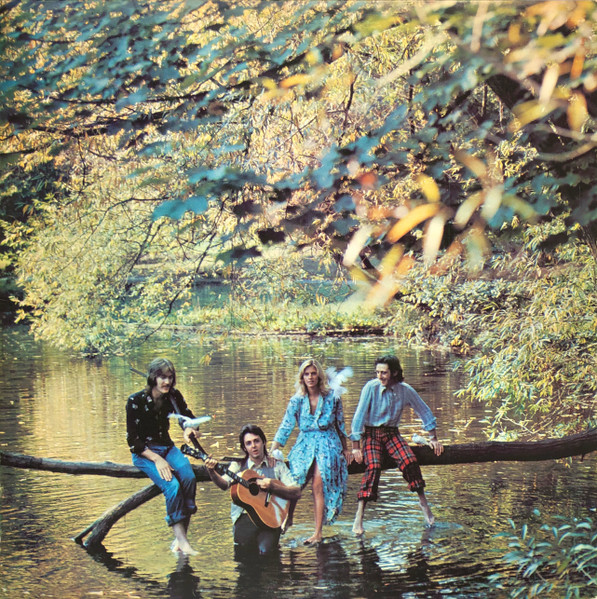
Wild Life
1971
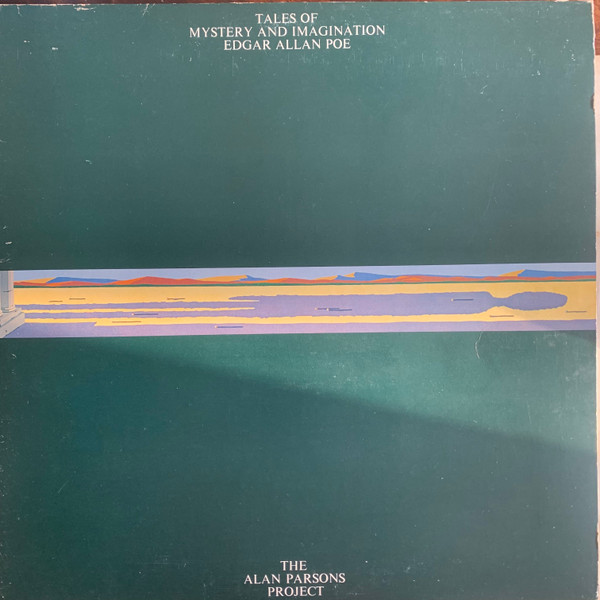
Tales Of Mystery And Imagination
1976
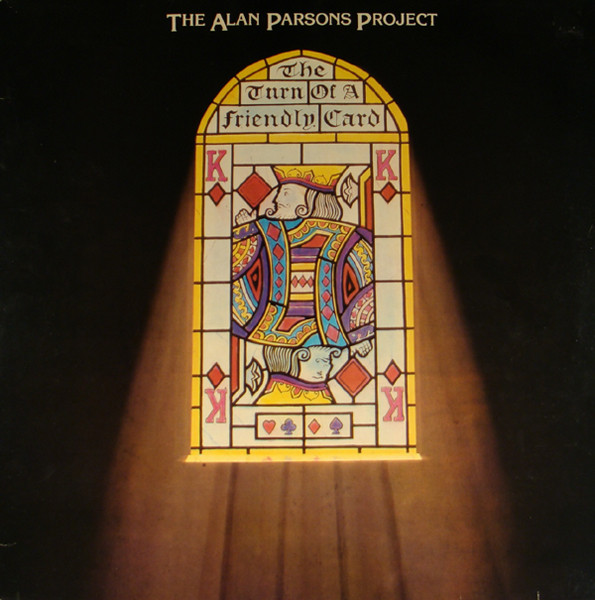
The Turn Of A Friendly Card
1980
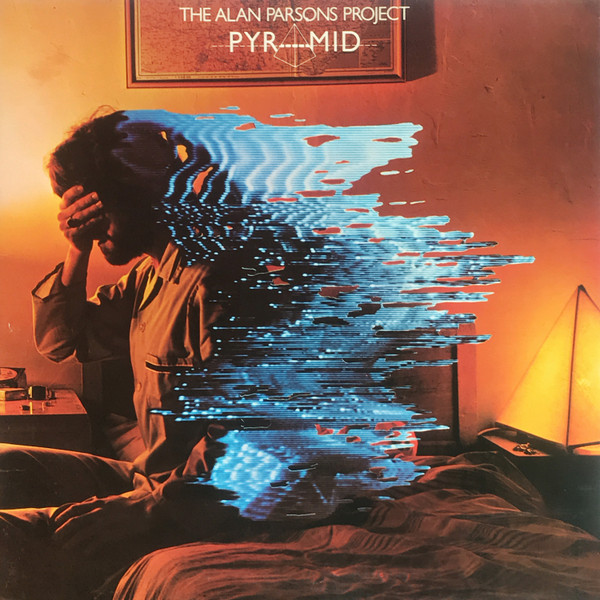
Pyramid
1978
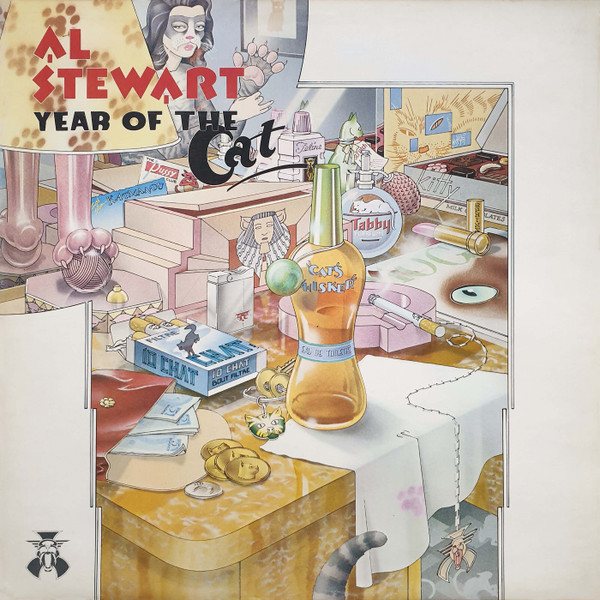
Year Of The Cat
1976
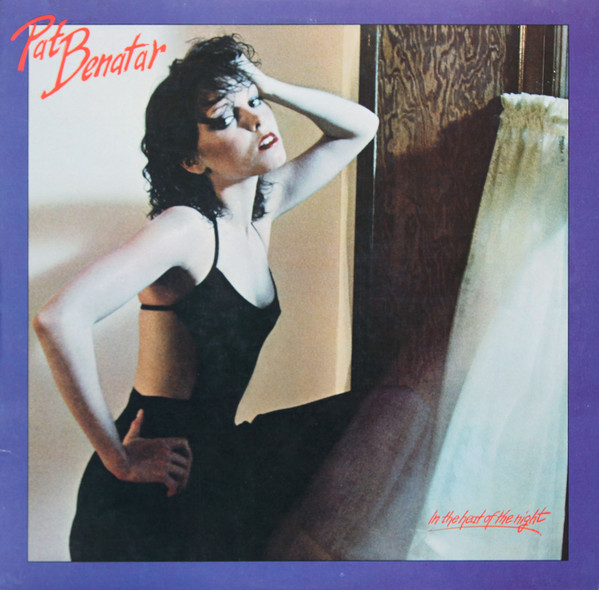
In The Heat Of The Night
1979
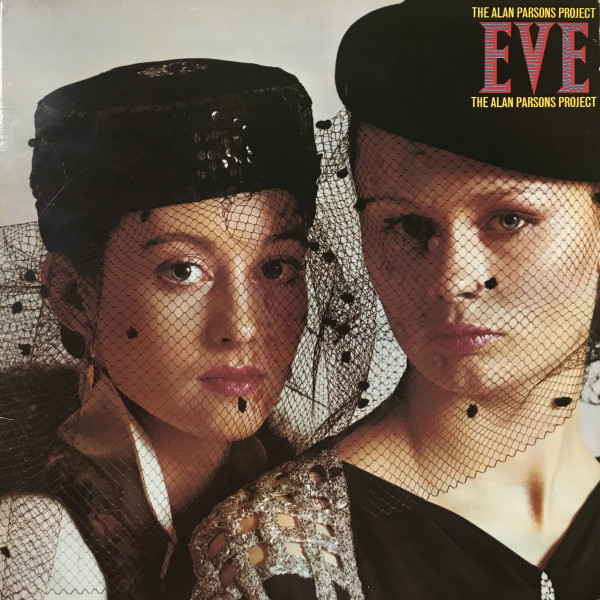
Eve
1979
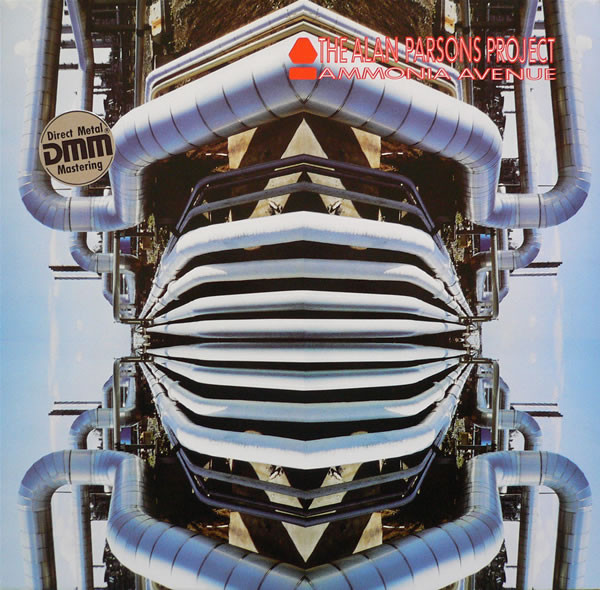
Ammonia Avenue
1984

Beck-Ola
1969
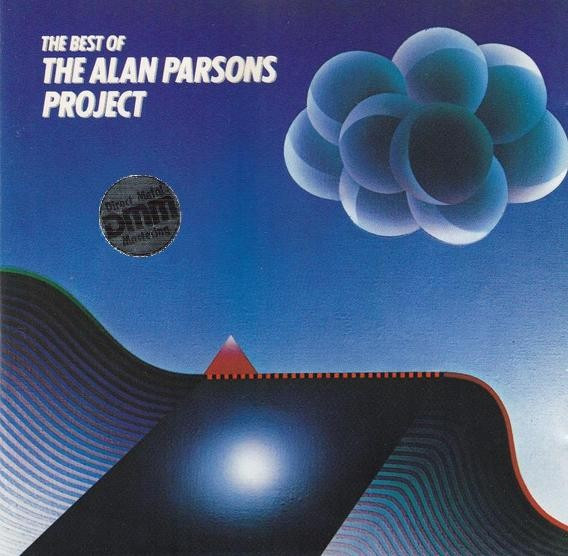
The Best Of The Alan Parsons Project
1983
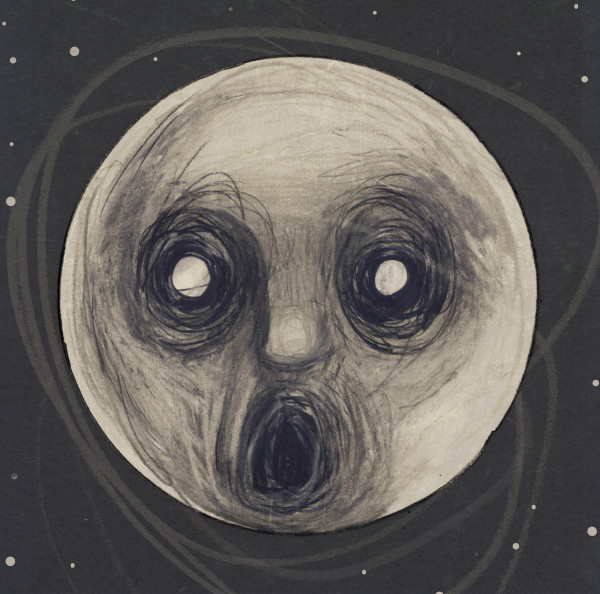
The Raven That Refused To Sing (And Other Stories)
2013

Vulture Culture
1985
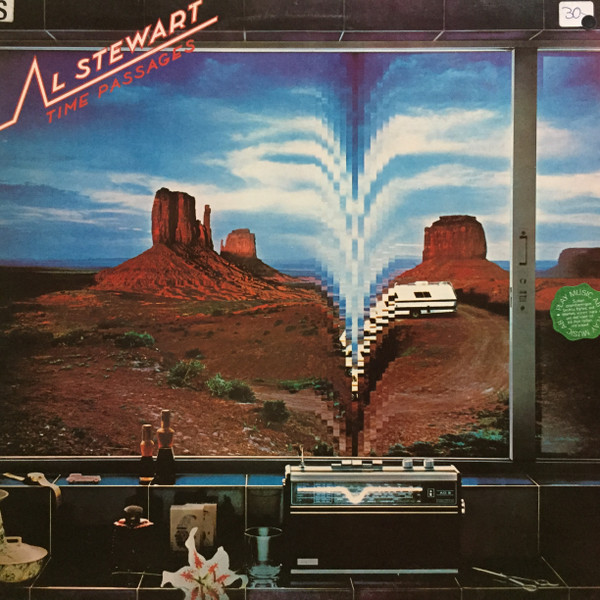
Time Passages
1978
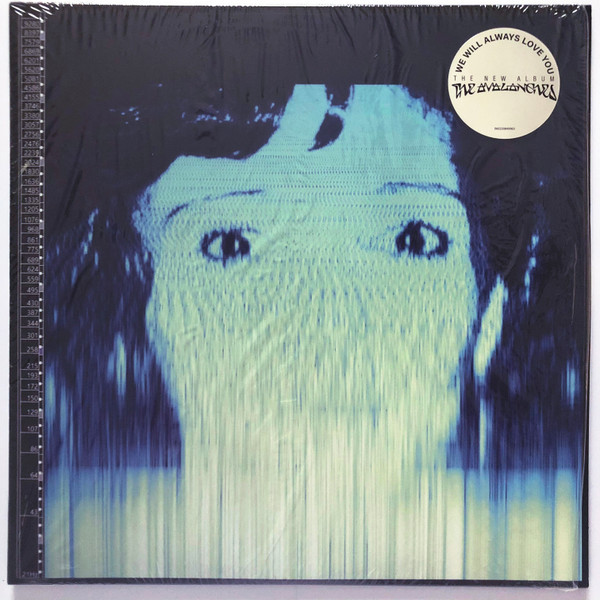
We Will Always Love You
2020
Frequent collaborators
Around the web
See who really made the music.
Gatefold maps every producer, engineer, and player across your shelf — the credits no one else surfaces.
Start your shelf →Free forever. Works with 10 records or 10,000.