
Performance · Other credits
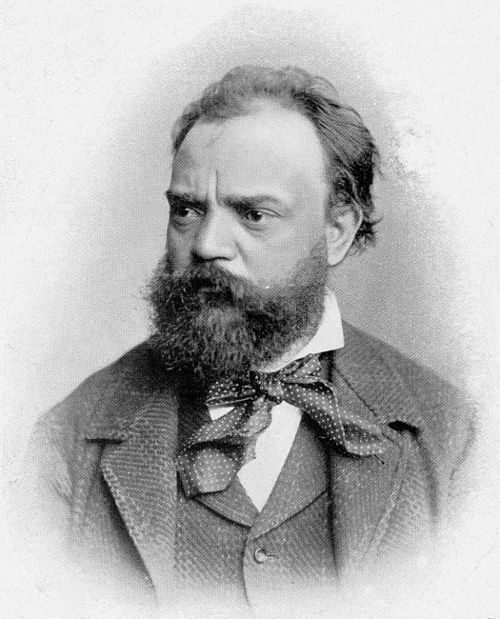
Antonín Dvořák
composer
Nelahozeves, Czech Republic • 1841-09-08 – 1904-05-01
Antonín Dvořák is credited on 20,397 releases across 3,614 albums tracked on Gatefold, active 1950–2026 — the collector-built map of who actually made the music.
20,397
Pressings credited
3,614
Albums
8
Decades active
158
In collections
Biography
Antonín Leopold Dvořák (8 September 1841 – 1 May 1904) was a Czech composer. He frequently employed rhythms and other aspects of the folk music of Moravia and his native Bohemia, following the Romantic era nationalist example of his predecessor Bedřich Smetana. Dvořák's style has been described as "the fullest recreation of a national idiom with that of the symphonic tradition, absorbing folk influences and finding effective ways of using them", and Dvořák has been described as "arguably the most versatile... composer of his time". Dvořák displayed his musical gifts at an early age, being a talented violin student. The first public performances of his works were in Prague in 1872 and, with special success, in 1873, when he was 31 years old. Seeking recognition beyond the Prague area, he submitted scores of works including symphonies to competitions in Germany and Austria. He first won a prize in 1874, with Johannes Brahms on the jury of the Austrian State Competition. In 1877, after his third win, Brahms recommended Dvořák to his publisher, Simrock, who commissioned what became the Slavonic Dances, Op. 46. The sheet music's high sales and critical reception led to his international success. A London performance of Dvořák's Stabat Mater in 1883 led to many other performances in the United Kingdom, the United States, and eventually Russia in March 1890. The Seventh Symphony was written for London in 1885. In 1892, Dvořák became the director of the National Conservatory of Music of America in New York City. While in the United States, Dvořák wrote his two most successful orchestral works: the Symphony From the New World, which spread his reputation worldwide, and his Cello Concerto, one of the most highly regarded of all cello concerti. On a summer holiday in Spillville, Iowa, in 1893, Dvořák also wrote his most famous piece of chamber music, his twelfth String Quartet in F major, Op. 96, the American. While he remained at the Conservatory for a few more years, pay cut
Bio from Wikipedia
Credited work
20,397 releases · 3,614 albums · active 1950–2026
- Performance · 23,948
- Other credits · 770
Studios: Jesus-Christus-Kirche, Berlin · Kingsway Hall · Abbey Road Studios · Dvořák Hall
Discography
Records they worked on — most-collected first.
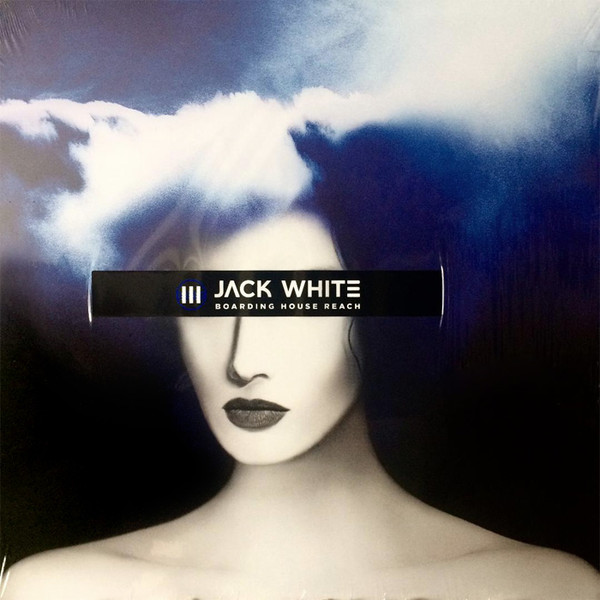
Boarding House Reach
2018
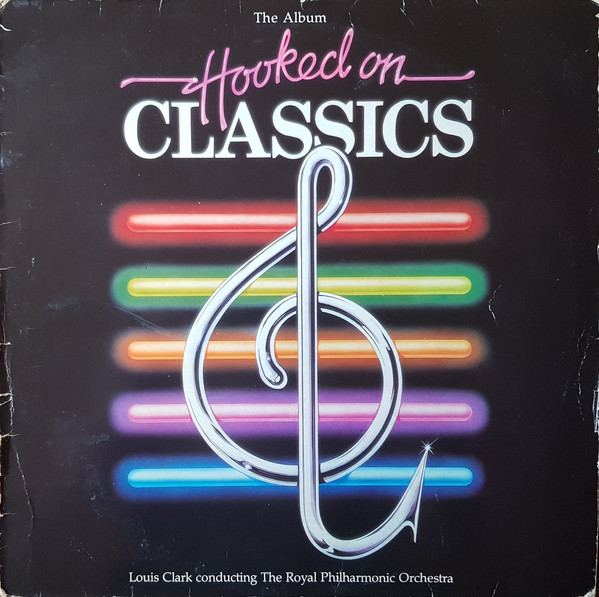
Hooked On Classics
1981

The Three Faces Of Yusef Lateef
1960
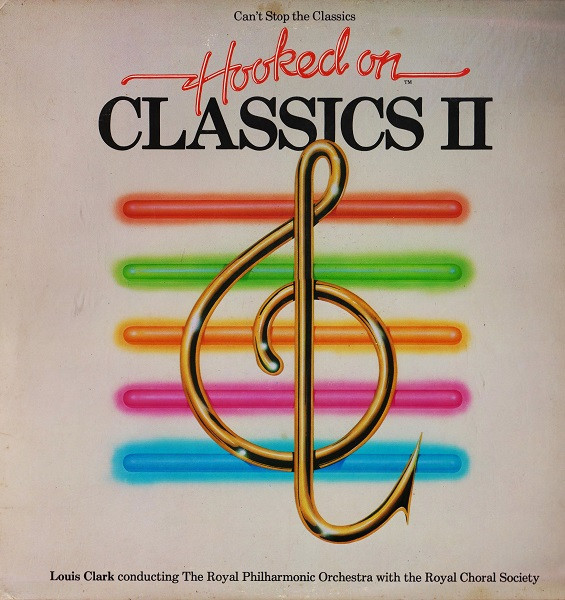
Hooked On Classics 2 - Can't Stop The Classics
1982
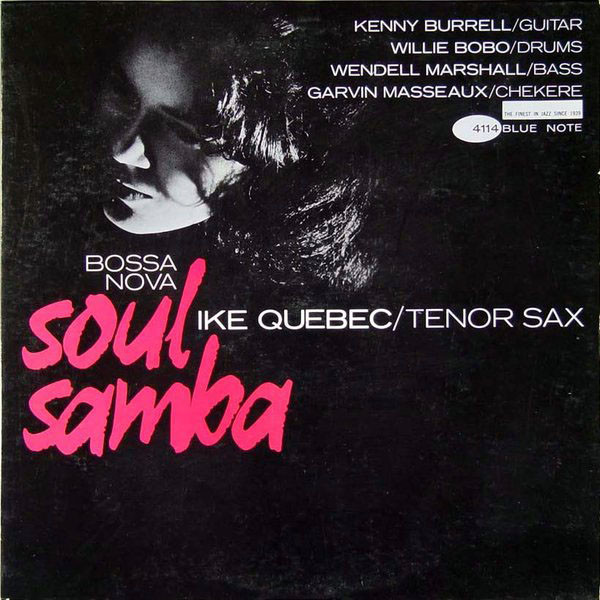
Bossa Nova Soul Samba
1962

Sequencer
1976
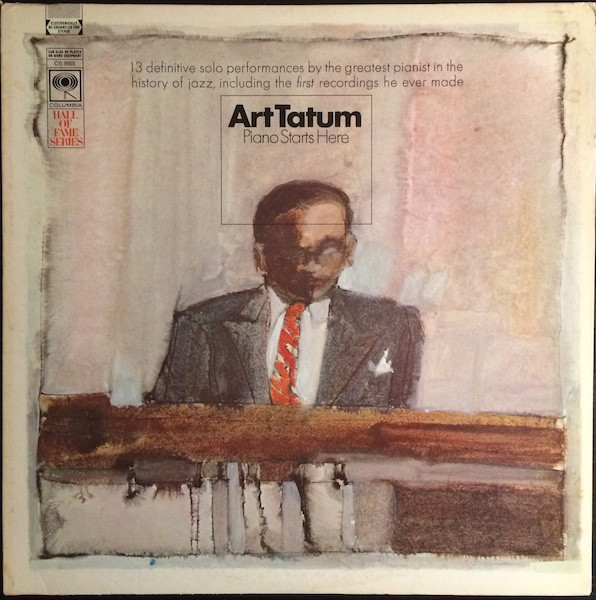
Piano Starts Here
1968
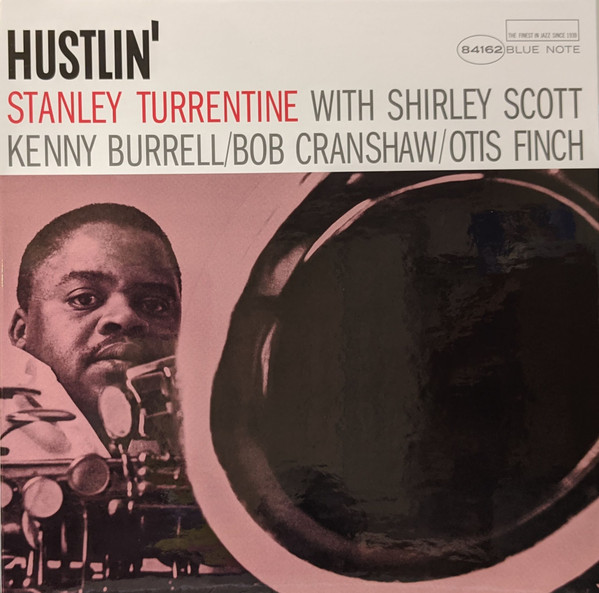
Hustlin'
1965
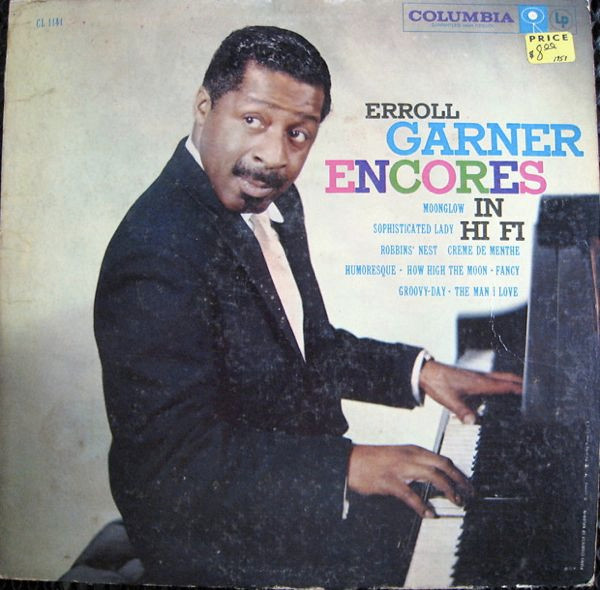
Encores In Hi Fi
1958

9 Symphonien
1963

Sam Cooke
1961

New World Symphony
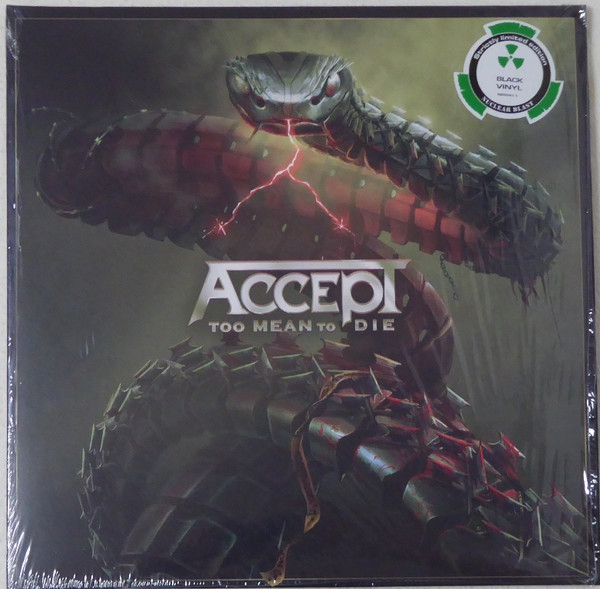
Too Mean To Die
2021
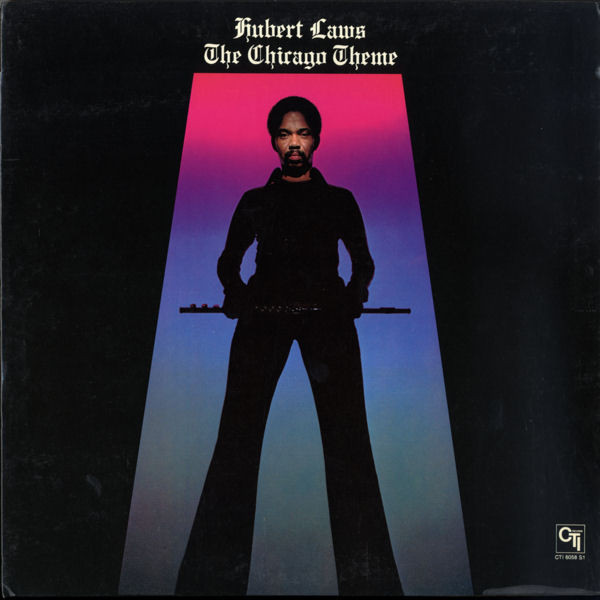
The Chicago Theme
1975

Symphony No. 9 "New World" ∙ Overture "Othello"
1967

Symphonie Nr. 5 (9) E-Moll Op. 95 "Aus Der Neuen Welt"
1964
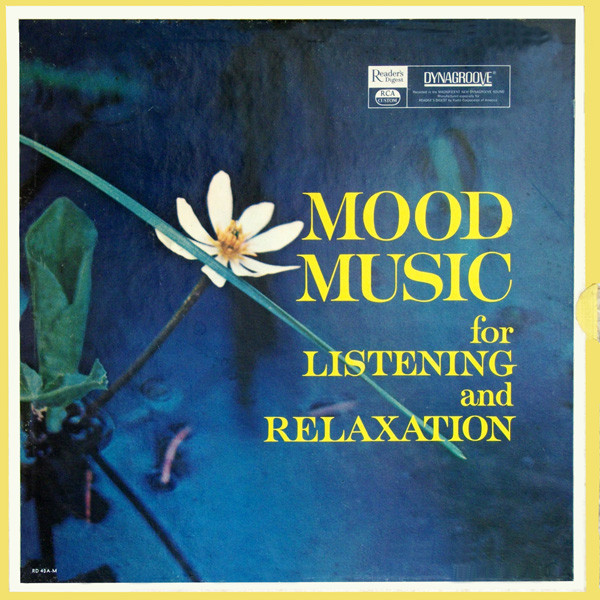
Mood Music For Listening And Relaxation
1963
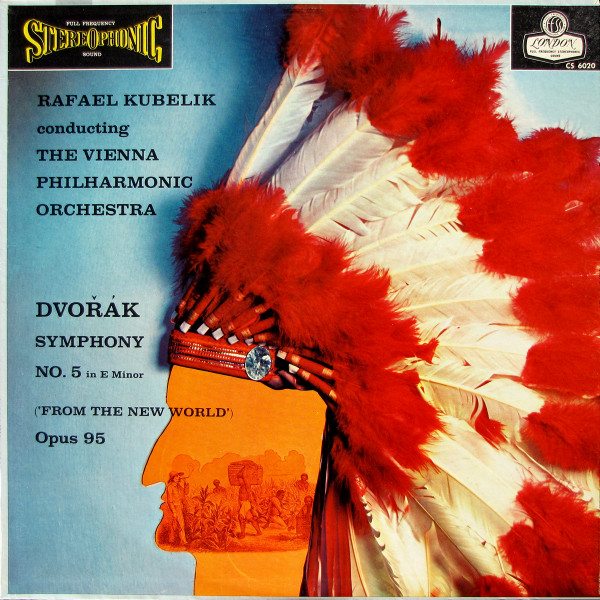
New World Symphony
1959

Standard Brands
1981

Träum Was Schönes
1979

Symphonie Du Nouveau Monde / La Moldau
1977
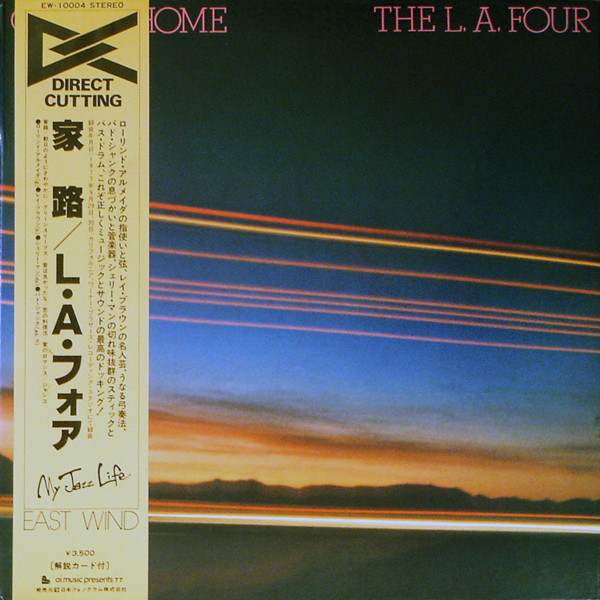
Going Home
1977

Norman Blake / Tut Taylor / Sam Bush / Butch Robins / Vassar Clements / David Holland / Jethro Burns
1975

Art Tatum Masterpieces
1973
Frequent collaborators
- Dvořák
- Various
- Dvorak
- Brahms
- Smetana
- Anton Dvorak
- Tchaikovsky
- Unknown Artist
Around the web
See who really made the music.
Gatefold maps every producer, engineer, and player across your shelf — the credits no one else surfaces.
Start your shelf →Free forever. Works with 10 records or 10,000.