
Artist
Yo La Tengo
Hoboken, United States · Formed 1984
Yo La Tengo is a music group from Hoboken, United States, active since 1984. Their discography on Gatefold includes 24 records.

39
Albums tracked
260
In collections
1984
Since
Biography
Before they were an institution, Yo La Tengo were a revolving door of Hoboken bassists anchored by Ira Kaplan beating a cheap Fender Jaguar half to death and Georgia Hubley keeping time like Moe Tucker with better swing. Gene Holder of the dB's ended up tracking their early sides, bringing that clean jangle-pop discipline into a room with a couple who really just wanted to drown everything in squalling amplifier feedback. They spent their first half-decade sounding like record store nerds trying to turn their personal vinyl bins into songs, swapping players every six months until James McNew plugged in and gave them an actual rhythmic anchor. Once McNew locked in around '92, they stopped auditioning and started mutating. They became the ultimate study in friction: pristine three-part folk harmonies cut straight down the middle by ten straight minutes of screaming fuzz, occasionally interrupted by a drum machine and an organ that sounded like it lived in a dusty basement. Half the indie bands of the nineties cashed out to major labels and dissolved in three years, but Yo La Tengo just dug into New Jersey and turned their catalog into an endless, defiant conversation with rock history.
Bio from The Clerk
The Arc of Yo La Tengo
The pivots — what forced Yo La Tengo to reinvent.
The Revolving Door
Between '86 and '91, the band could not keep a bottom end in the room, cycling through Gene Holder, Dave Rick, and Stephan Wichnewski while hunting for an identity. They leaned on Dave Schramm's lead guitar chops to bridge the gap between clean folk covers and Kaplan's noisy, jagged instincts. The whole period sounded like a great record collection looking for a permanent band to play it, culminating in the acoustic detour of Fakebook before they finally figured out how to stay loud.
The Golden Noise Run
James McNew joined for May I Sing With Me, and the lineup never broke again. That stability unlocked a decade of sheer dominance from Painful through I Can Hear the Heart Beating as One, where they mastered the contrast between whisper-quiet bossa beats and towering walls of howling overdriven amps. They turned Hoboken into the epicenter of American indie rock by refusing to pick between tender melodic pop and complete sonic wreckage.
The Midnight Murmur
By 2000, they dialed the volume completely back and dropped And Then Nothing Turned Itself Inside-Out, trading the amp stacks for dead-of-night whispering and drum machine pulses. Summer Sun doubled down on the hushed, ambient textures, testing the patience of anyone who just wanted Kaplan to rip their face off with guitar solos. It was their stubborn refusal to repeat the nineties playbook, proving they could hold a room with three quiet chords just as easily as ten pedals.
The Living Archive
The later stretch found them doing everything on their own terms, jumping from horn-stuffed soul jams on I Am Not Afraid of You to free-improv ambient lockdown cuts on We Have Amnesia Sometimes. They took on film scores, tracked This Stupid World entirely in their own rehearsal room, and settled into being the world's sharpest working rock unit. No outside producers, no label nonsense, just three people in a room knowing exactly which knob to turn.
Influences
- The Velvet Underground — Yo La Tengo covered multiple tracks and Kaplan directly channeled Lou Reed's raw guitar attacks while Hubley patterned her stand-up drumming on Moe Tucker. You hear the blueprint everywhere from the hypnotic strums of 'Mushroom Cloud of Hiss' to their sweetest ballads. They took the entire Velvets dynamic of primitive drone and delicate pop and built a forty-year career out of it.
- The dB's — Gene Holder produced and played bass on their earliest material, while Chris Stamey traded tracks and stage time with the band around Hoboken. Their sharp, neurotic jangle-pop songwriting on Ride the Tiger comes directly out of that North Carolina-to-New Jersey pipeline. It kept Kaplan's noise experiments anchored to clean, infectious power-pop hooks.
- The Kinks — They tracked a direct cover of 'Fancy' on Fakebook and have pulled Ray Davies tunes into their live sets for decades. You hear the British Invasion melodic economy and domestic, slightly worn lyrical view across early tracks like 'Tom Courtenay'. Ray Davies taught them how to write pop songs that sound bruised rather than shiny.
- The Beach Boys — They cut a blistering, fuzz-drenched take of 'Little Honda' in 1997 and Hubley's vocal harmonies have always chased Brian Wilson's arrangements. You hear that sun-warped vocal layering buried under Kaplan's loudest squalls on records like I Can Hear the Heart Beating as One. It is pure surf harmony run through a busted tube amp.
- Sun Ra — Yo La Tengo famously cut a sprawling version of 'Nuclear War' in 2002 and routinely dip into cosmic free jazz when they stretch out live. That freeform, improvisational logic is what keeps their long-form noise jams from turning into basic blues wanking. Sun Ra gave them the permission to treat a rock record like an open canvas with no borders.
Discography
Their records — most-collected first.

I Can Hear The Heart Beating As One
1997
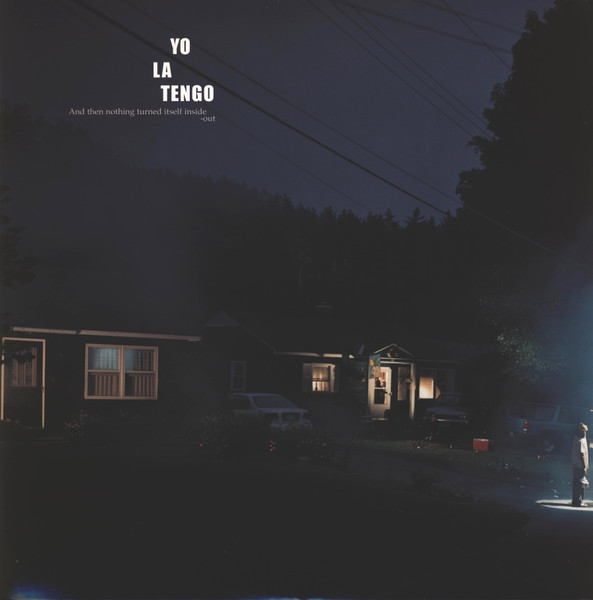
And Then Nothing Turned Itself Inside-Out
2000
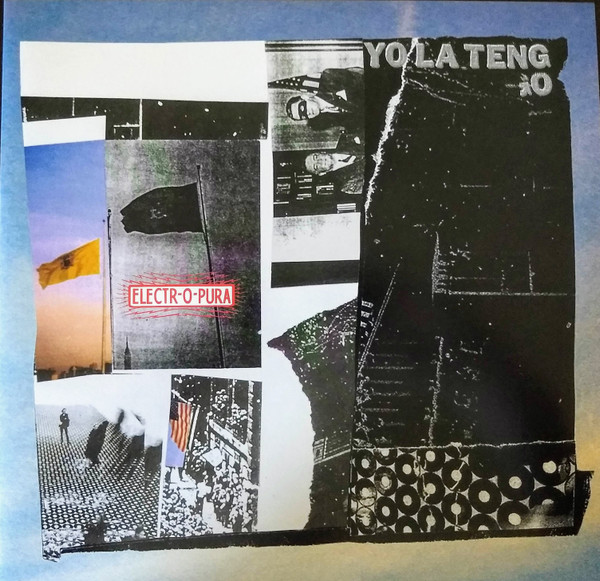
Electr-O-Pura
1995
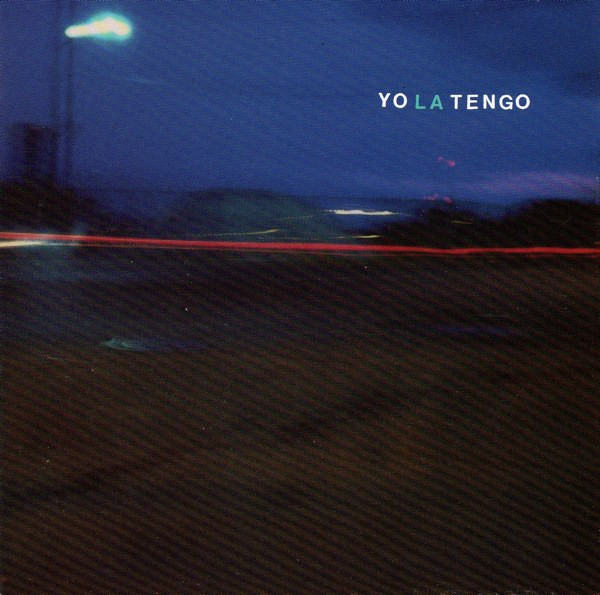
Painful
1993
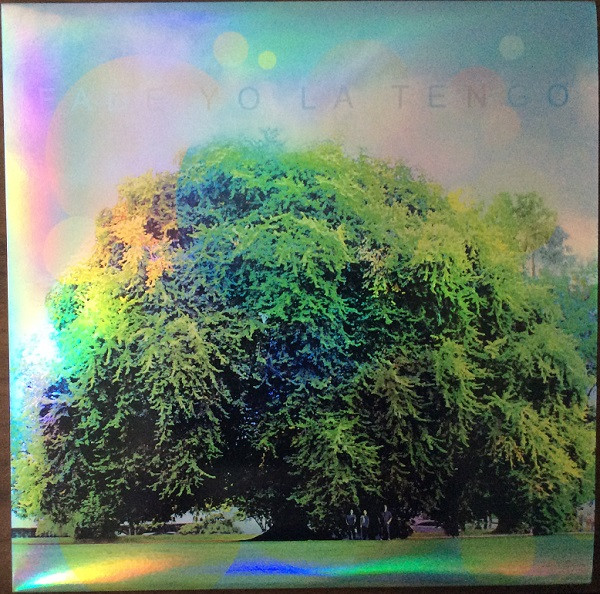
Fade
2013
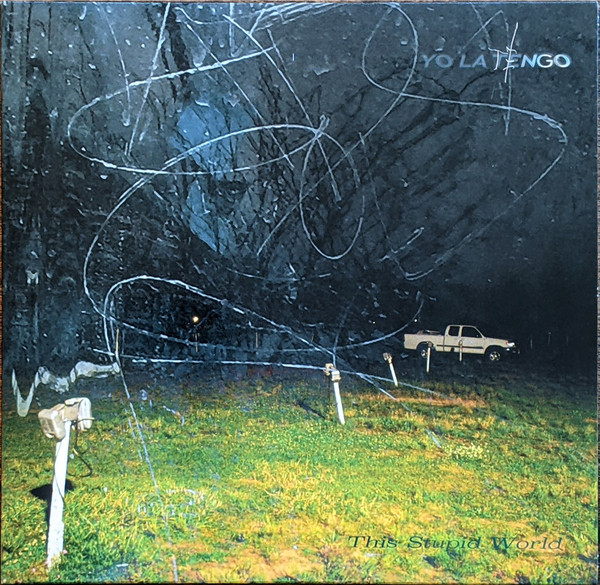
This Stupid World
2023

I Am Not Afraid Of You And I Will Beat Your Ass
2006

Stuff Like That There
2015
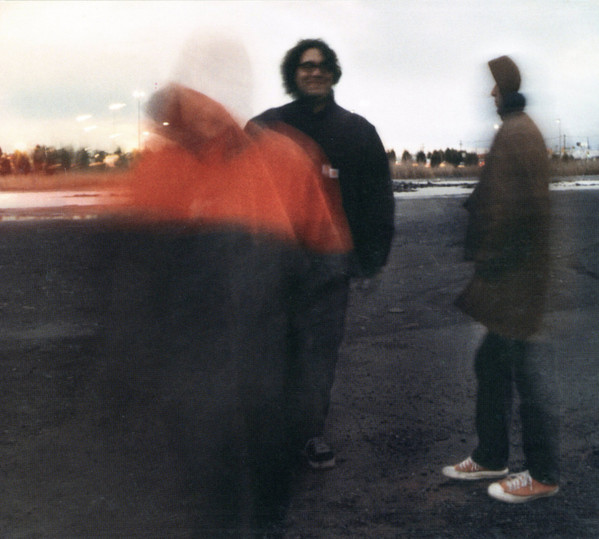
Summer Sun
2003
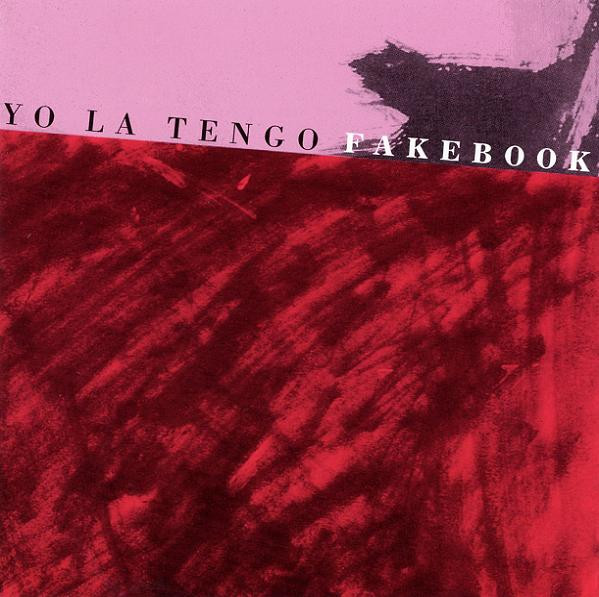
Fakebook
1990

Popular Songs
2009

There's A Riot Going On
2018

Old Joy
2025

Genius + Love = Yo La Tengo
1996
We Have Amnesia Sometimes
2020

President Yo La Tengo / New Wave Hot Dogs
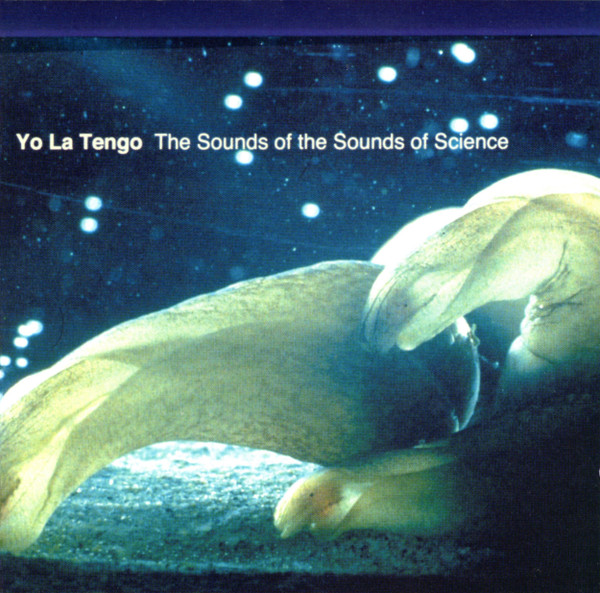
The Sounds Of The Sounds Of Science
2002
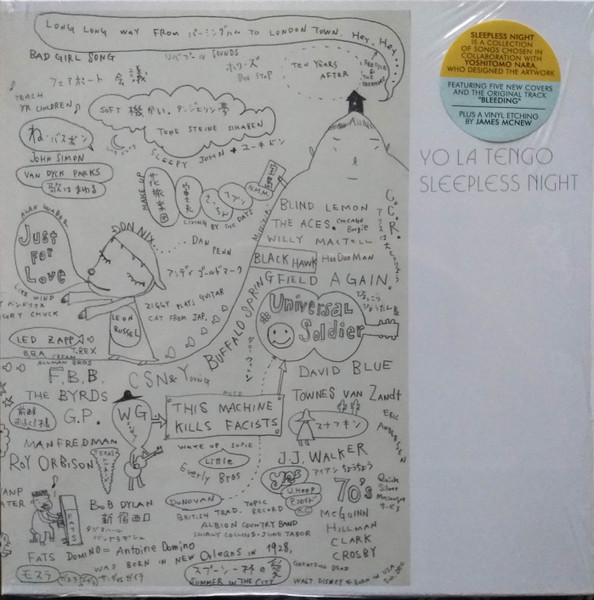
Sleepless Night
2020
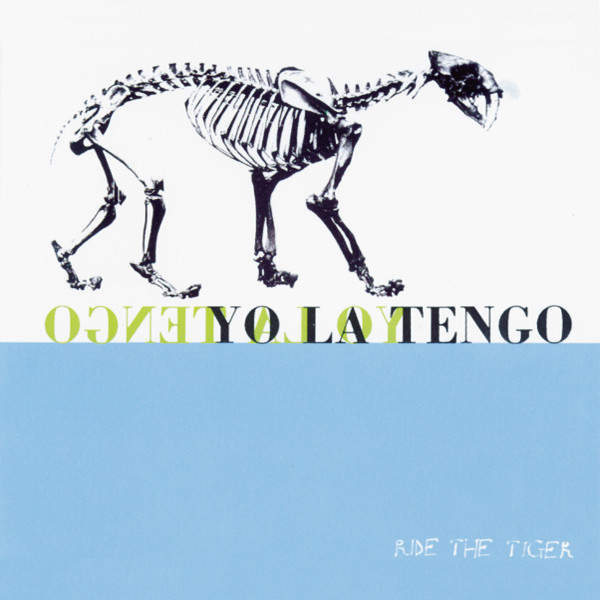
Ride The Tiger
1986

Stupid Things
2012

Today Is The Day!
2003

Danelectro
2000

Sugarcube
1997

Tom Courtenay
1995
Related artists
Around the web
Follow every record they touch.
Start your shelf and Gatefold tracks Yo La Tengo's new pressings, tour dates, and the whole discography — automatically.
Start your shelf →Free forever. Works with 10 records or 10,000.