
Artist
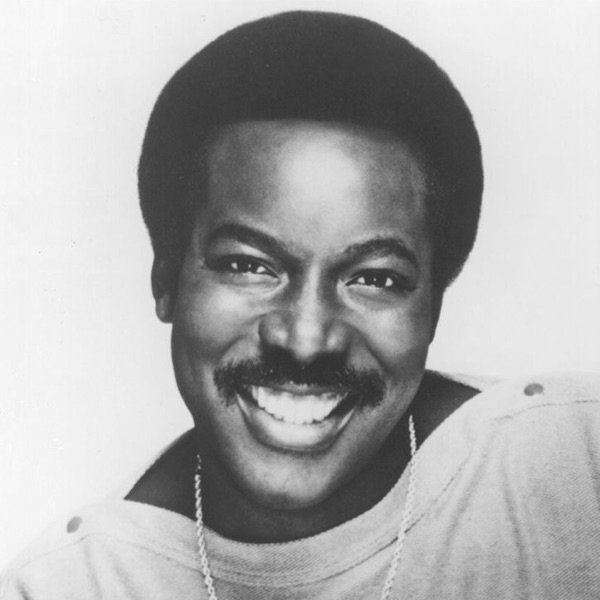
Wilson Pickett
Prattville, United States · 1941 – 2006
Wilson Pickett is a musician from Prattville, United States, active 1941–2006. Their discography on Gatefold includes 24 records.
35
Albums tracked
105
In collections
1941
Since
Biography
Pickett rolled into Fame Studios in Muscle Shoals after Jerry Wexler got fed up with the vibe in Memphis. He didn't just sing; he attacked the mic until the session guys—the Swampers—had to sweat to keep up with his timing. It wasn't about finesse. It was about that scream, a jagged, gospel-drenched howl that could strip paint off a Cadillac. He was a terror in the studio, a guy who didn't care about your feelings as long as the groove hit the floor hard enough to crack it. The Atlantic years were the peak, but the man spent the seventies chasing trends that didn't fit his skin. You listen to those later RCA records and you can hear a heavyweight boxer trying to dance disco—it's awkward and the production is too polished for a voice that belongs in a roadside shack. He eventually found his way back to the grit, but for a long time, the industry tried to turn a hurricane into a summer breeze. It didn't work. You can't domesticate the Wicked Pickett.
Bio from The Clerk
The Arc of Wilson Pickett
The pivots — what forced Wilson Pickett to reinvent.
The Falcon Gospel Roots
Before the solo checks started rolling in, Pickett was sharpening his teeth with The Falcons alongside Eddie Floyd and Sir Mack Rice. This wasn't polite church music; they were taking the intensity of the spirituals and secularizing it for the R&B charts. On the 1962 hit 'I Found a Love,' you hear the blueprint for his entire career in that opening scream. It was raw, unpolished, and proved that a gospel-trained shouter could command a secular rhythm section without losing an ounce of fire.
The Muscle Shoals Delay
Stax locked their doors to outside productions, so Jerry Wexler hauled Pickett down to Alabama to work with Rick Hall at Fame Studios. This move changed everything because the rhythm section there played behind the beat, creating a tension that Pickett's aggressive vocals could lean into. This 'delayed' backbeat on tracks like 'Land of 1000 Dances' became the definitive Southern Soul sound. It wasn't just a recording session; it was the moment the grit of the North met the swamp of the South.
The American Sound Shift
By the late sixties, the scene shifted to American Sound Studio in Memphis where Chips Moman was churning out hits with a more pop-conscious ear. Pickett started leaning into country-soul crossovers, most notably covering the Beatles and Steppenwolf with Duane Allman on session guitar. Allman's slide work on 'Hey Jude' gave Pickett a new foil to scream against, moving him away from pure brass arrangements into a heavier, rock-infused soul territory. It was the last time he felt truly ahead of the curve before the seventies production gloss started to take over.
Influences
- The Soul Stirrers — Pickett was obsessed with the gospel quartet style, specifically the hard-shouting leads. You hear the rhythmic phrasing of mid-century gospel in every grunt and ad-lib he tucked into his Atlantic singles. He took the sanctified heat and moved it to the jukebox.
- Sam Cooke — Cooke was the gold standard for every singer coming out of the church, and Pickett toured on the same gospel circuits early on. While Cooke was the velvet, Pickett was the sandpaper, but the phrasing and the ability to control a crowd were lessons learned directly from watching Cooke work a room. He traded Cooke's smoothness for pure, unadulterated grit.
- Little Richard — The wild, unhinged energy and the high-pitched ‘woo!’ were straight out of the Little Richard playbook. Pickett took that rock and roll flamboyant screaming and anchored it to a heavy Memphis groove. It turned a novelty shout into a soulful weapon.
- Solomon Burke — Burke was the ‘King of Rock & Soul’ at Atlantic before Pickett arrived, and his heavy, preaching style paved the way for Pickett’s aggressive delivery. They eventually ended up in The Soul Clan together. You can hear Burke’s sermon-like cadences in the way Pickett breaks down a song mid-track.
- Robert Ward — Ward was the guitarist for The Falcons when Pickett was in the group, known for that watery, vibrato-heavy Magnatone amp sound. That specific, jabbing guitar style forced Pickett to sing with more rhythmic precision to cut through the liquid tone. It’s the reason his timing was always more percussive than his peers.
Discography
Their records — most-collected first.
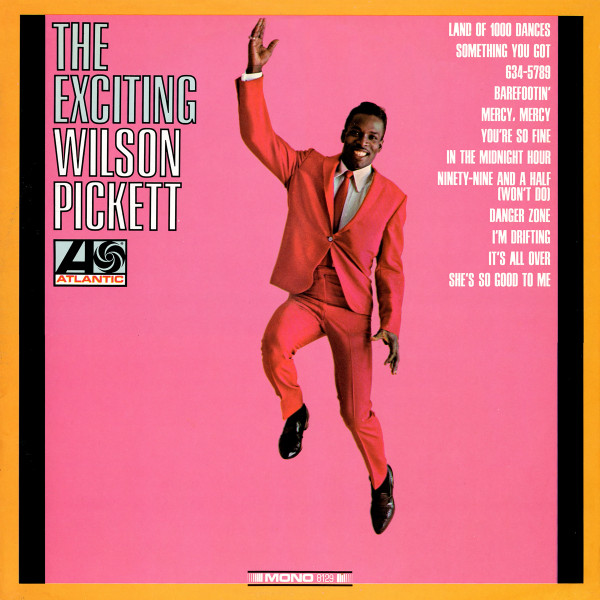
The Exciting Wilson Pickett
1966
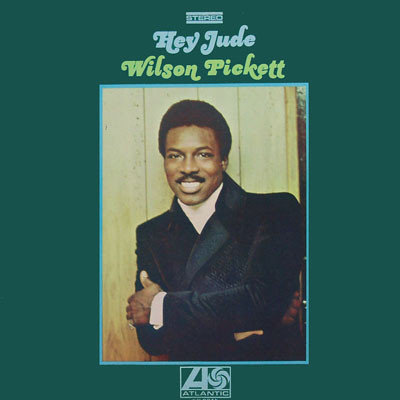
Hey Jude
1969

The Wicked Pickett
1967

The Best Of Wilson Pickett
1967

The Sound Of Wilson Pickett
1967

Now Playing
2024

The Very Best Of Wilson Pickett
1993

Wilson Pickett's Greatest Hits
1973
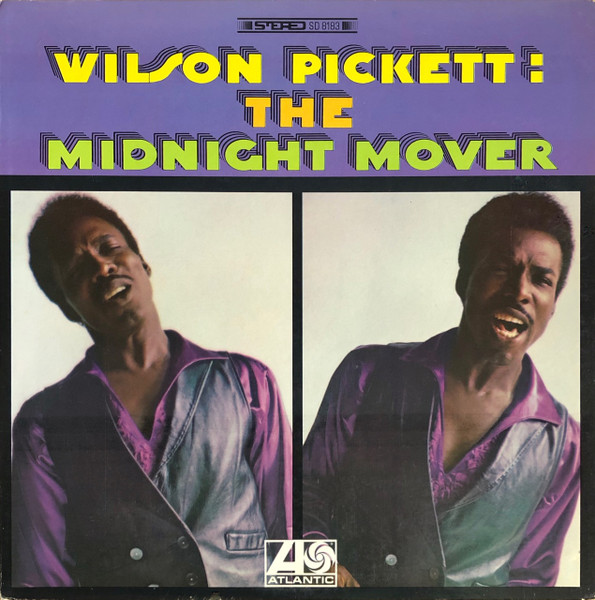
The Midnight Mover
1968

It's Too Late
1963

In The Midnight Hour
1965

The Best Of Wilson Pickett
1984

Miz Lena's Boy
1973

Right On
1970
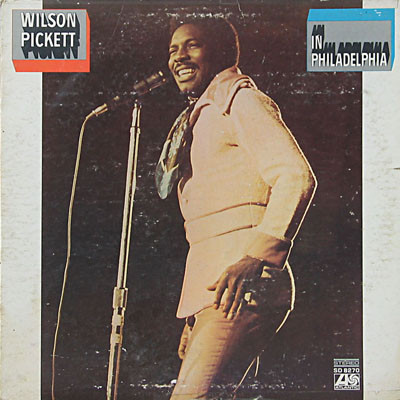
In Philadelphia
1970
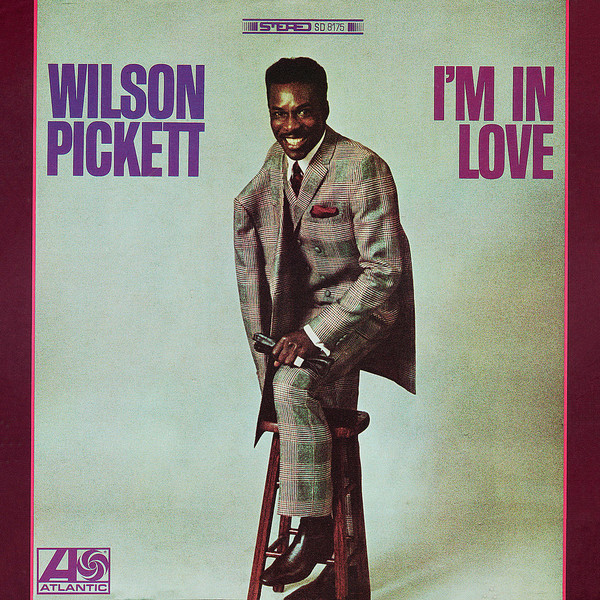
I'm In Love
1968
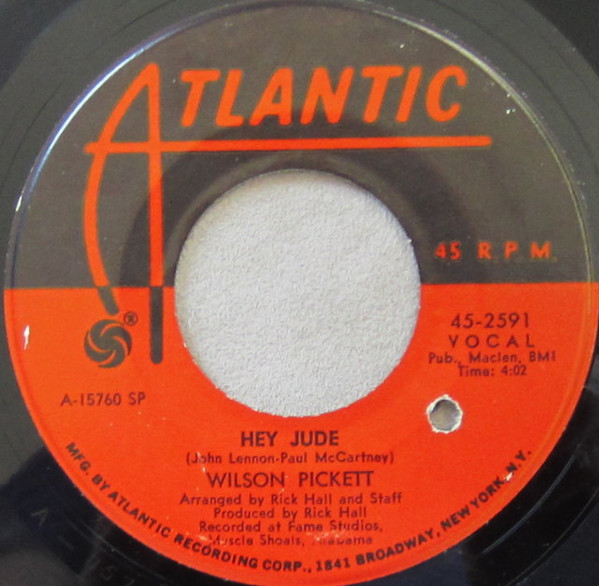
Hey Jude / Search Your Heart
1968

I'm A Midnight Mover / Deborah
1968

Land Of 1000 Dances / You're So Fine
1966

Original Album Series
2010

In The Midnight Hour And Other Hits
1997

I Want You
1979

Join Me And Let's Be Free
1975

The Best Of Wilson Pickett
1974
Related artists
Around the web
Follow every record they touch.
Start your shelf and Gatefold tracks Wilson Pickett's new pressings, tour dates, and the whole discography — automatically.
Start your shelf →Free forever. Works with 10 records or 10,000.