
Artist
Creedence Clearwater Revival
El Cerrito, United States · 1959 – 1972
Creedence Clearwater Revival is a music group from El Cerrito, United States, active 1959–1972. Their discography on Gatefold includes 24 records.

68
Albums tracked
940
In collections
1959
Since
Biography
John Fogerty wrote those swamp-rock anthems in a cramped suburban bedroom in El Cerrito, California, miles away from any actual bayou. He used a Rickenbacker 325 plugged into a Kustom K200A amplifier—a solid-state rig covered in padded vinyl that gave the band that clean, biting, slightly sterile grit. The rest of the band played like a metronome because Fogerty ran the rehearsals like a boot camp. If you weren't on time, you got fined. If you didn't play the part exactly as written, he'd let you know. They released three multi-platinum albums in 1969 alone because Fogerty was terrified of losing momentum. He saw how fast the sixties garage rock scene died and chose to work his band to the bone instead of letting them breathe. It worked until the rest of the guys wanted to write songs too. The moment Fogerty gave in and let them have equal input on their final record, the whole thing fell apart in a spectacular mess of ego and bad country-rock tunes.
Bio from The Clerk
The Arc of Creedence Clearwater Revival
The pivots — what forced Creedence Clearwater Revival to reinvent.
The Golden Trilogy of '69
Between January and November of 1969, Fogerty locked the band into Cosmo's Factory—their rehearsal warehouse in Berkeley—to churn out Bayou Country, Green River, and Willy and the Poor Boys. He handled the production, the songwriting, and the lead vocals while driving the rhythm section of Doug Clifford and Stu Cook to play with mechanical precision. You hear this relentless work ethic in the tight, no-nonsense grooves of 'Lodi' and 'Fortunate Son' which completely avoided the self-indulgent jamming of their San Francisco peers. This run made them the biggest singles band in America while the rest of the scene was busy tripping out on stage.
The Studio Overload of Cosmo's Factory
By 1970, the band was exhausted from touring but Fogerty pushed them straight back into the warehouse to cut their masterpiece, Cosmo's Factory. They brought in keyboards, saxophones, and longer arrangements, stepping away from the tight three-minute pop format. The tracking was grueling, with Fogerty obsessing over every snare hit and guitar overdub to keep their commercial streak alive. The result was a massive commercial peak that hid the growing resentment over Fogerty's absolute dictatorial control.
The Democratic Collapse
Tom Fogerty quit the band in early 1971, sick of his brother's iron-fisted rule. In response, John issued an ultimatum for 1972's Mardi Gras: Stu Cook and Doug Clifford had to write and sing their own songs, or he would leave. The album was a critical and commercial disaster, filled with weak country-pop tracks that proved Fogerty was the sole engine of the band. It was a bitter, passive-aggressive suicide note of a record that permanently fractured the group.
Influences
- Little Richard — John Fogerty modeled his throat-shredding vocal delivery directly on the wild screams of early rock and roll. CCR covered 'Good Golly Miss Molly' on their debut album, mimicking the raw power of the original. You can hear that same gravelly, high-register strain all over 'Travelin' Band'.
- Howlin' Wolf — The band's heavy, chugging rhythm and Fogerty's vocal rasp come straight from Chester Burnett's Chess Records singles. CCR recorded a sprawling, nine-minute cover of 'I'm a Man' during their early garage band days. The deep, rumbling groove of 'Run Through the Jungle' is a direct descendant of Wolf's ominous blues stomp.
- Bo Diddley — The syncopated, tremolo-heavy guitar style that defines the rhythm track of 'Suzie Q' was lifted directly from Bo Diddley's catalog. Fogerty frequently used the classic Diddley beat in early rehearsals to lock the rhythm section together. You can hear that scratchy, percussive chug driving the core of 'Keep On Chooglin'.
- Dale Hawkins — CCR's first major hit was a cover of Dale Hawkins' 1957 swamp-blues classic 'Suzie Q'. Fogerty took Hawkins' basic rockabilly framework and stretched it into an eight-minute psychedelic jam for their debut album. The circular, repeating guitar riff became the template for almost every swamp-rock track Fogerty wrote after.
- Lead Belly — The band's deep interest in traditional American folk and roots music was sparked by Lead Belly's catalog. They covered 'Midnight Special' on Willy and the Poor Boys, retaining the driving folk rhythm but running it through their electric garage-rock setup. It anchored their image as blue-collar, back-porch traditionalists.
Discography
Their records — most-collected first.
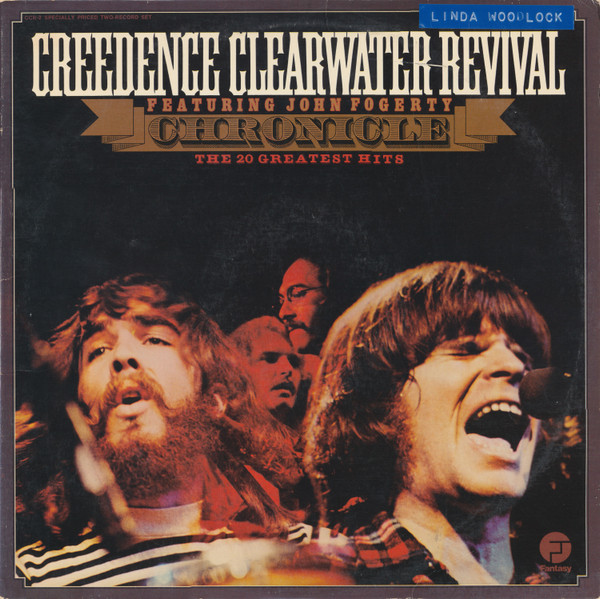
Chronicle - The 20 Greatest Hits
1976
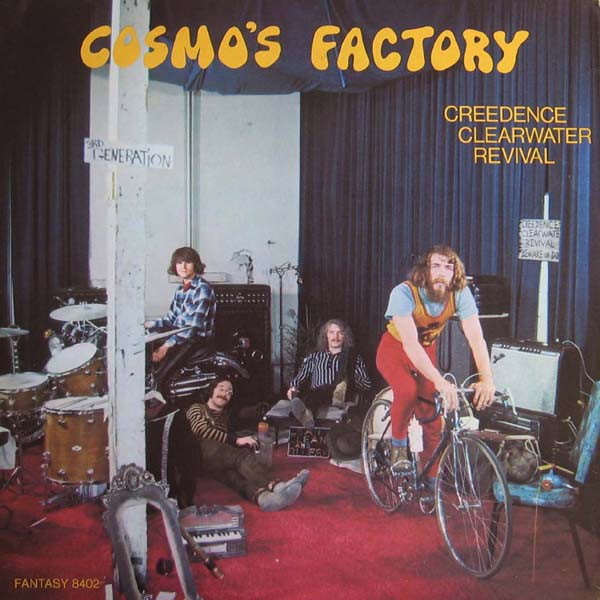
Cosmo's Factory
1970
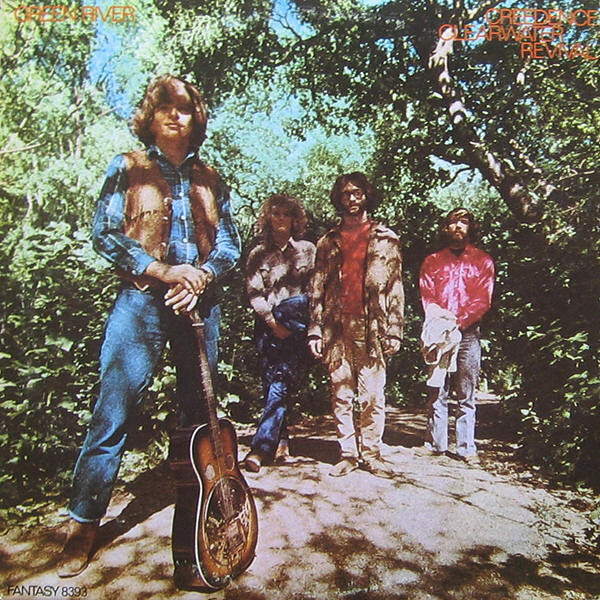
Green River
1969
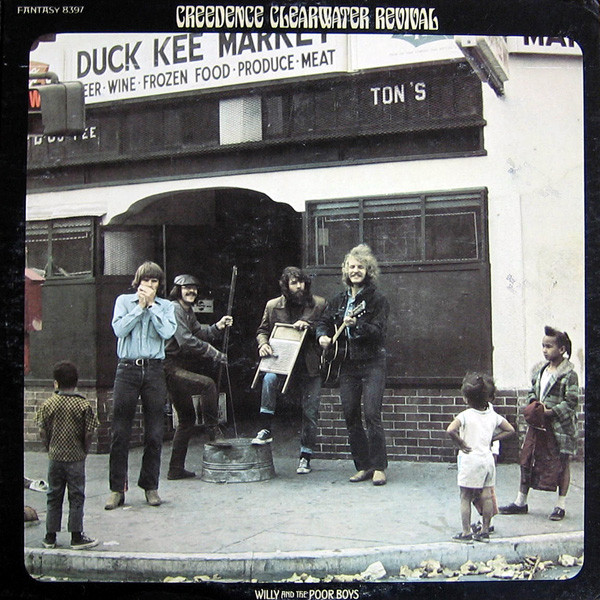
Willy And The Poor Boys
1969
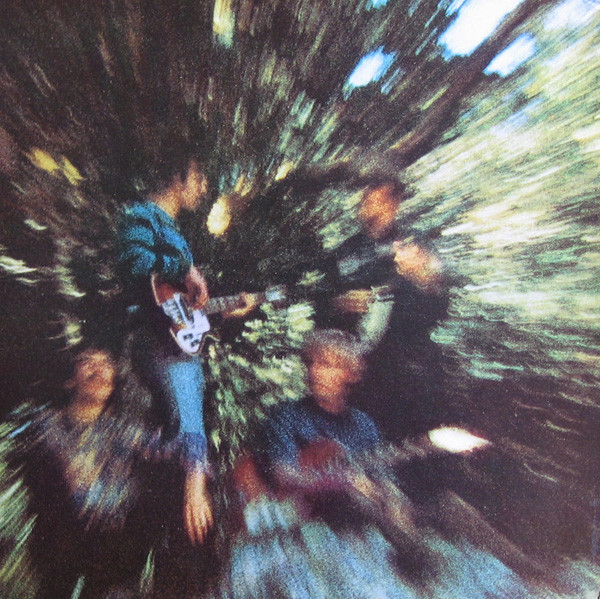
Bayou Country
1969
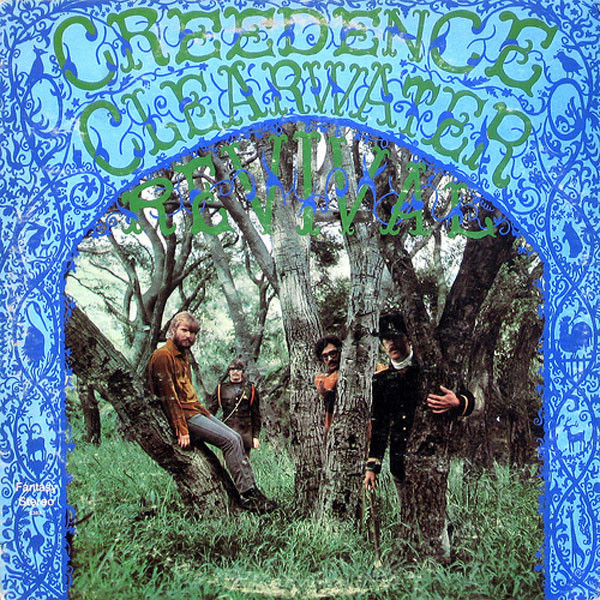
Creedence Clearwater Revival
1968
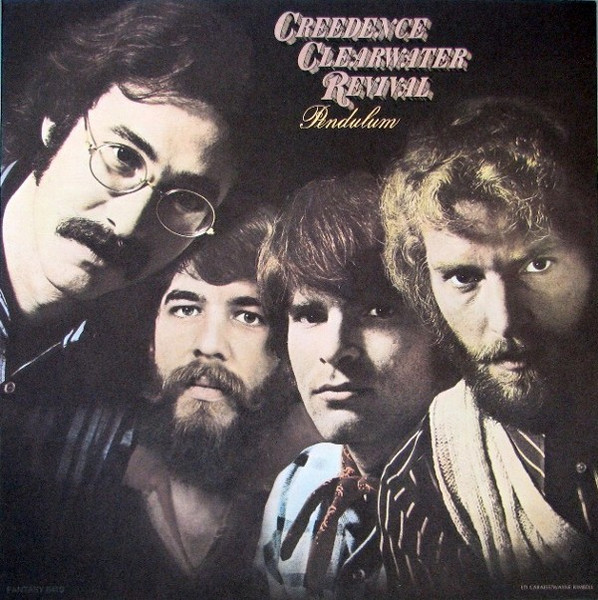
Pendulum
1970
Creedence Gold
1972
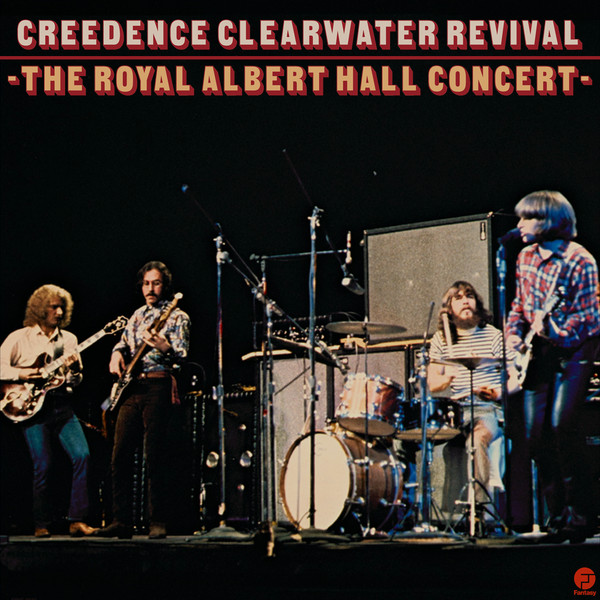
The Royal Albert Hall Concert
1980
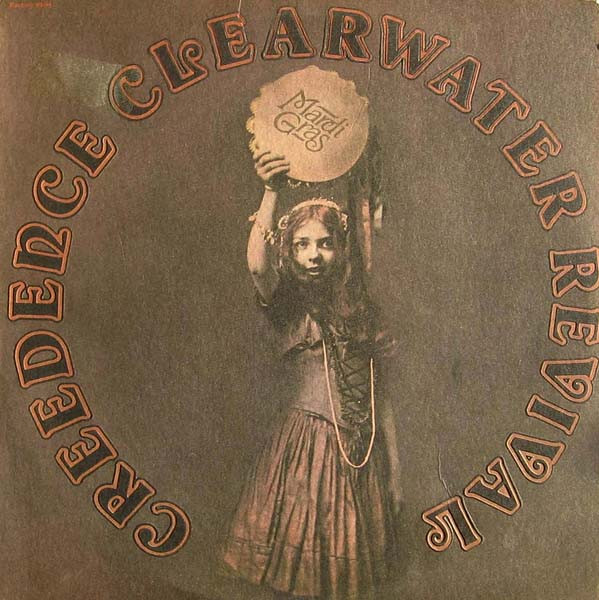
Mardi Gras
1972
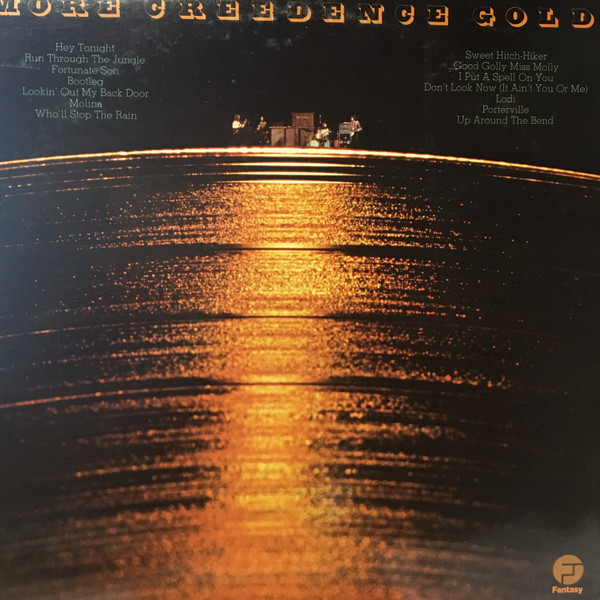
More Creedence Gold
1973

At The Royal Albert Hall (April 14, 1970)
2022

Live In Europe
1973

Chronicle Volume Two
1986

Live At Woodstock
2019

Bad Moon Rising / Lodi
1969

Creedence Clearwater Revival 1968/69
1978

The Best Of Creedence Clearwater Revival
1977
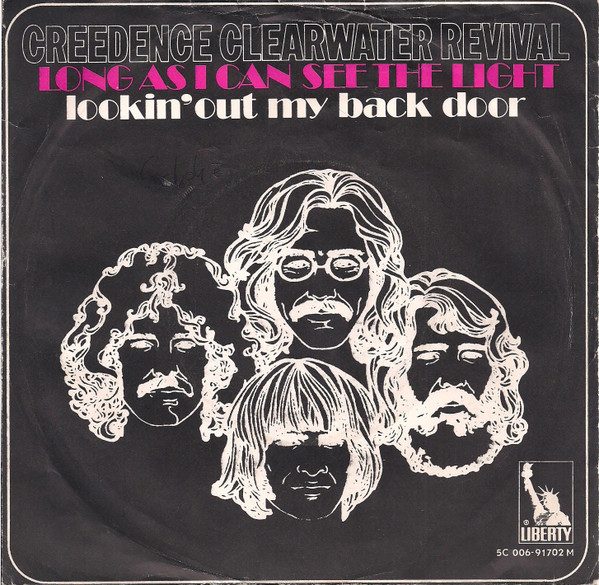
Lookin' Out My Back Door / Long As I Can See The Light
1970

Fortunate Son / Down On The Corner
1969

Green River / Commotion
1969

Proud Mary / Born On The Bayou
1968

The 1969 Singles
2014

Greatest Hits
1985
Related artists
Around the web
Follow every record they touch.
Start your shelf and Gatefold tracks Creedence Clearwater Revival's new pressings, tour dates, and the whole discography — automatically.
Start your shelf →Free forever. Works with 10 records or 10,000.