
Artist
Sonic Youth
US rock band
New York City, United States · 1981 – 2011
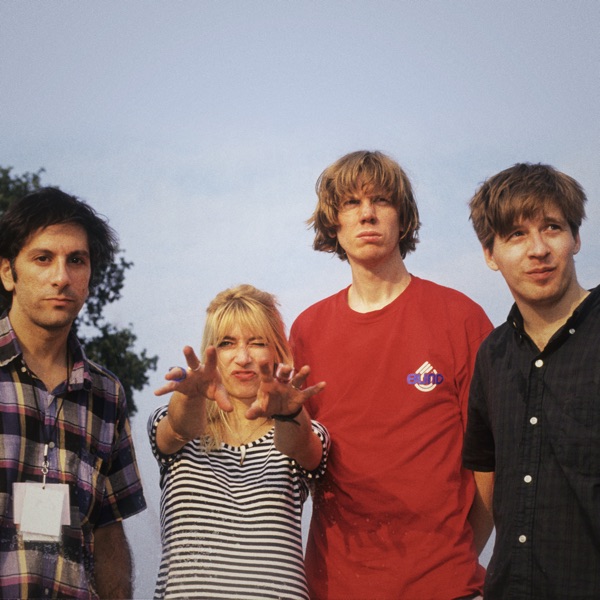
Sonic Youth is a music group from New York City, United States, active 1981–2011. Their discography on Gatefold includes 24 records.
51
Albums tracked
684
In collections
1981
Since
Biography
Glenn Branca used to stick screwdrivers into cheap guitars to see what happened. Thurston Moore and Lee Ranaldo were just session bodies in Branca’s guitar orchestra before they took those broken tunings and dragged them into a basement with Kim Gordon. They didn't start as a rock band; they were a noise experiment that accidentally learned how to write hooks. By the time 'Confusion Is Sex' hit in '83, they were playing instruments they’d literally modified with hardware store tools because standard E-A-D-G-B-E tunings were too boring for the New York No Wave scene. They spent the late 80s as the kings of the underground and the 90s acting as the corporate world's weird older cousins. Signing to Geffen was the big sellout move everyone cried about, but they used that major label money to buy better pedals and shove Boredoms and Nirvana down the public's throat. They had a mid-career slump where they sounded like they were scoring a really boring documentary about rain, but they pulled it back together once Jim O’Rourke showed up to fix the furniture. Then it all ended because of a divorce, which is about as cliché as a band gets after thirty years of avoiding every other trope in the book.
Bio from The Clerk
The Arc of Sonic Youth
The pivots — what forced Sonic Youth to reinvent.
The SST Gold Mine
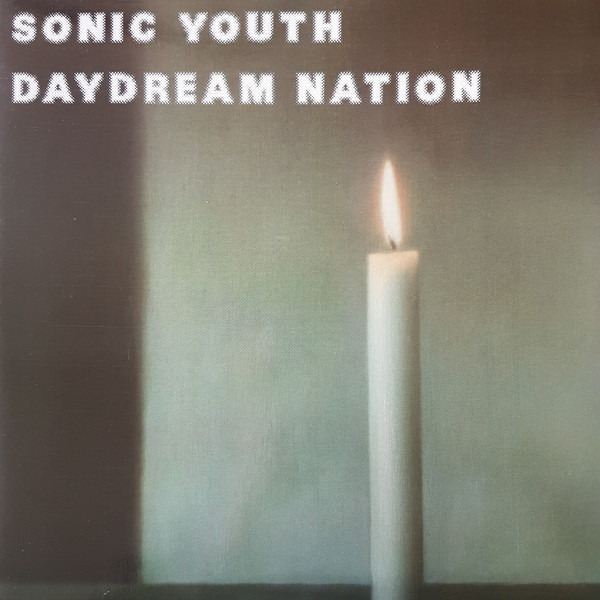
After the abrasive clatter of 'Bad Moon Rising', the band settled into a steady lineup with Steve Shelley on drums and signed to Greg Ginn's SST Records. Working with engineer Bill Scheckel at Sear Sound, they moved away from pure noise toward the cinematic, hallucinatory sprawl of 'Sister' and 'Daydream Nation'. These records captured the sound of guitars being pushed through cheap amps until the overtones created ghosts in the room. It was the peak of their technical curiosity, where the weird tunings finally met world-class songwriting.
The Major Label Trojan Horse
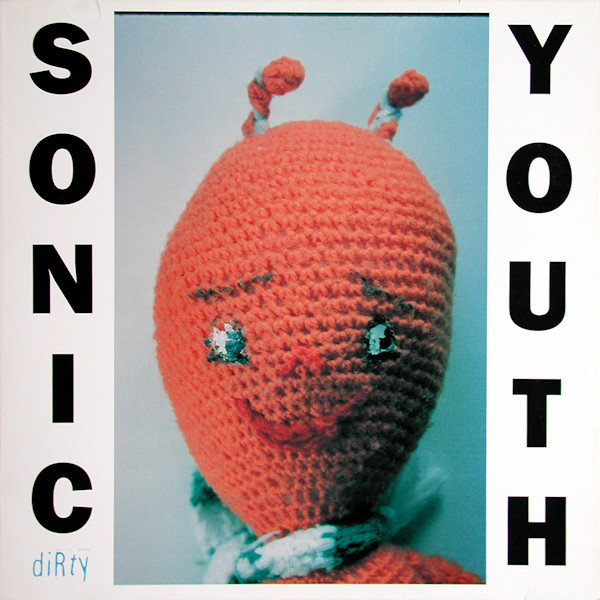
Geffen signed them in 1990, and they immediately took Butch Vig into the studio to polish the grime off 'Goo' and 'Dirty'. This was the era of the '1991: The Year Punk Broke' tour, where they basically acted as a bridge for the grunge explosion while keeping their own weirdness intact. You can hear the struggle between high-end production and their natural instinct to bury a melody under three minutes of feedback. They were the only band on MTV that sounded like they might actually break the equipment.
The Murray Street Renaissance
After their gear was stolen in 1999 and the critical failure of the murky 'NYC Ghosts & Flowers', the band brought in multi-instrumentalist Jim O’Rourke as a full-time member. They set up their own Echo Canyon studio in lower Manhattan and rediscovered how to let their guitars breathe on 'Murray Street'. The result was a cleaner, more intricate sound that leaned into classic rock structures and avant-garde jazz textures. It saved them from becoming a nostalgia act and proved they could still outplay the kids they'd influenced.
Influences
- Glenn Branca — Thurston and Lee played in his guitar ensembles, learning the art of alternate tunings and massed resonance. You hear it in the massive, ringing drones that define their early 80s output. He was the one who taught them that a guitar is just a piece of wood with wire.
- The Stooges — The band famously covered 'I Wanna Be Your Dog' on their debut album, and Iggy’s raw, nihilistic energy is the backbone of Kim Gordon's stage presence. The dirty, repetitive throb of '1969' is the blueprint for almost every 'Dirty' era riff. It’s the foundational grit under the art-school pretension.
- The Velvet Underground — They covered 'Venus in Furs' and modeled their entire career on the Cale-era tension between beautiful pop and ugly noise. You hear it in the way they use feedback as a melodic instrument rather than just a mistake. They took the 'Sister Ray' freak-out and turned it into a thirty-year career.
- Patti Smith — Thurston has cited 'Radio Ethiopia' as a massive influence on the band's improvised noise sections. Her fusion of street poetry and high-volume chaos gave them permission to be intellectual without being soft. It’s the direct ancestor to the spoken-word delivery on 'The Sprawl'.
- The Fall — They recorded three tracks for a Peel Session that were all covers of Mark E. Smith’s crew, proving their obsession with the band's repetitive, jagged post-punk. The scratchy, rhythmic interplay between the guitars on 'Sister' is a dead ringer for The Fall's 'Grotesque' era. It's that specific brand of working-class weirdness.
Discography
Their records — most-collected first.
Daydream Nation
1988

Goo
1990
Dirty
1992
Evol
1986
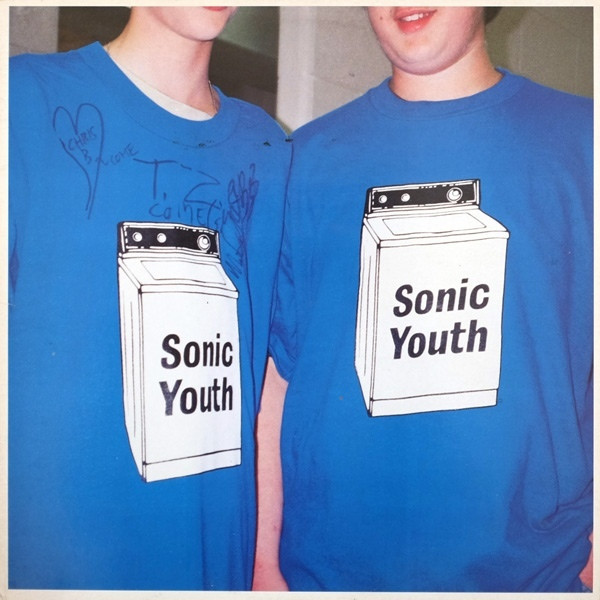
Washing Machine
1995

Sister
1987
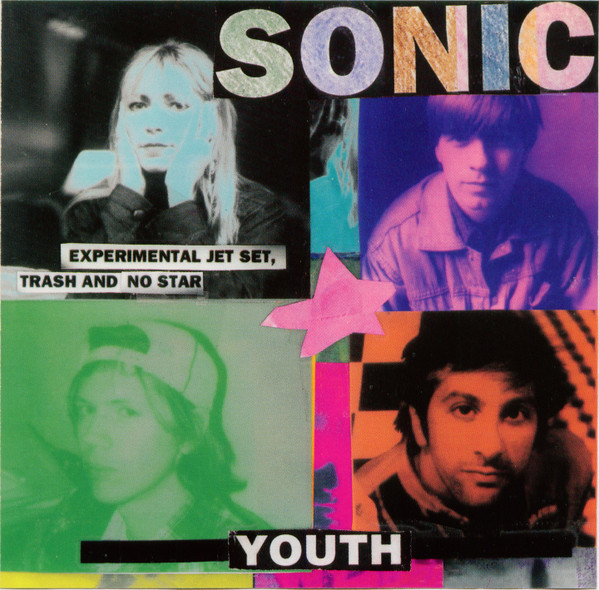
Experimental Jet Set, Trash And No Star
1994

Murray Street
2002

Rather Ripped
2006
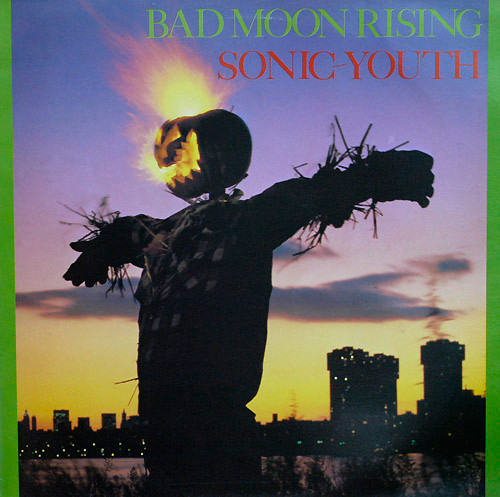
Bad Moon Rising
1985

A Thousand Leaves
1998

Sonic Nurse
2004
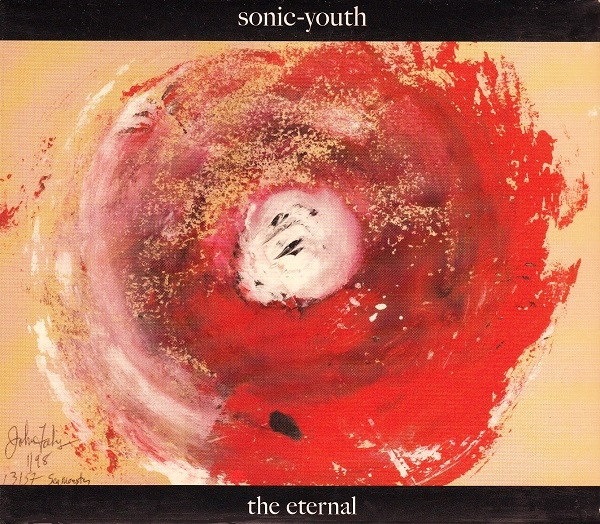
The Eternal
2009

NYC Ghosts & Flowers
2000

Confusion Is Sex
1983

Sonic Youth
1982

Made In USA
1995

Screaming Fields Of Sonic Love
1994

Live In Brooklyn 2011
2023

Hits Are For Squares
2008

Sugar Kane
1993

Touch Me I'm Sick / Halloween
1988

Diamond Seas
2026
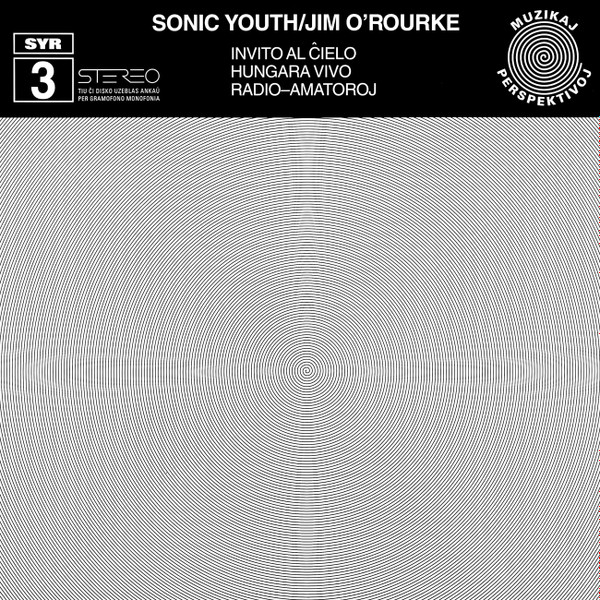
Invito Al Ĉielo
1998
Related artists
Members
Frequent collaborators
Around the web
Follow every record they touch.
Start your shelf and Gatefold tracks Sonic Youth's new pressings, tour dates, and the whole discography — automatically.
Start your shelf →Free forever. Works with 10 records or 10,000.