
Artist
The Pogues
Irish‐British Celtic punk band
London, United Kingdom · 1982 – 2014
The Pogues is a music group from London, United Kingdom, active 1982–2014. Their discography on Gatefold includes 23 records.

23
Albums tracked
207
In collections
1982
Since
Biography
They started as Pogue Mahone—Irish Gaelic for "kiss my ass"—screaming traditional rebel songs in London pubs until Stiff Records forced them to shorten the name to get on the radio. The early gigs were absolute carnage with Spider Stacy denting a beer tray against his head for percussion. They took the pristine, academic world of Irish folk and dragged it through the dirt of the 1977 punk explosion. It was loud, fast, and smelled like stale stout. Elvis Costello signed up to produce their second album and basically tried to capture a riot in a bottle. He kept the arrangements sparse and let Shane MacGowan’s slurred, poetic genius sit right at the front of the mix. That run from 1985 to 1988 is untouchable. Then the wheels came off. Shane’s body and mind started giving out, the tours became logistical nightmares, and by the time they kicked him out in 1991, the fire was gone. They tried to keep the engine running with Joe Strummer and Spider on vocals, but without MacGowan’s damaged poetry, it was just a pub band playing at triple speed.
Bio from The Clerk
The Arc of The Pogues
The pivots — what forced The Pogues to reinvent.
The Pub Punk Drunks
Between 1982 and 1984, the band was a chaotic live act trying to figure out how to translate street energy onto tape. For their debut Red Roses for Me, producer Stan Brennan basically recorded them live in the studio with minimal overdubs. You hear a band running on pure adrenaline, acoustic instruments played with the frantic aggression of the Clash. It is sloppy, brilliant, and completely unpolished.
The Costello and Lillywhite Peak
The band pivoted from pub novelty to critical giants when Elvis Costello took the board for Rum Sodomy & the Lash, introducing discipline without killing the dirt. Steve Lillywhite then stepped in for If I Should Fall from Grace with God, expanding the sonic palette to include jazz, Spanish folk, and massive, multi-tracked studio arrangements. This era gave us MacGowan’s finest writing, where the tin whistle and accordion shared space with driving drum kits and soaring brass.
The Post-Shane Decline
By 1991, Shane MacGowan was too unreliable to front a touring band, leading to his firing during a Japanese tour. Joe Strummer stepped in temporarily to sing, but the subsequent studio albums, Waiting for Herb and Pogue Mahone, lacked the lyrical teeth that defined their rise. The remaining members tried to write democratic, pop-leaning folk-rock, but the records ended up sounding polite and flat.
Influences
- The Dubliners — The Pogues modeled their entire folk-punk template on the raw, gravel-voiced delivery of Ronnie Drew. They covered the Dubliners' classics like 'The Irish Rover' and 'Dirty Old Town,' eventually recording collaborative singles together in the late eighties. You hear this influence in MacGowan's refuse-to-sing-pretty vocal style.
- The Clash — Before forming the Pogues, Shane MacGowan was a fixture in the early London punk scene, famously getting his ear bitten at a Clash gig in 1976. The speed, political anger, and working-class perspective of Joe Strummer directly informed the band's attitude. Strummer even produced Hell's Ditch and briefly filled in on lead vocals after MacGowan was fired.
- Brendan Behan — The Dublin writer and poet's chaotic lifestyle and tragic alcoholism served as a direct blueprint for MacGowan's public persona. The band recorded Behan's song 'The Auld Triangle' on their debut album. His literary mix of tragic street-level realism and dark humor is baked into every lyric Shane ever wrote.
- The Sex Pistols — MacGowan saw the Sex Pistols at their legendary 1976 gig at the 100 Club, which changed his entire perspective on performance. The band took the snotty, confrontational anti-establishment energy of Johnny Rotten and applied it to traditional acoustic instruments. Without the Pistols' permission to be ugly, the Pogues never would have happened.
- Clancy Brothers — They popularized traditional Irish folk in America during the sixties using aggressive acoustic guitar strumming and direct vocal delivery. The Pogues took this basic setup and sped it up to 200 beats per minute. You can hear the Clancy Brothers' communal, shout-along song structures all over 'Red Roses for Me.'
Discography
Their records — most-collected first.
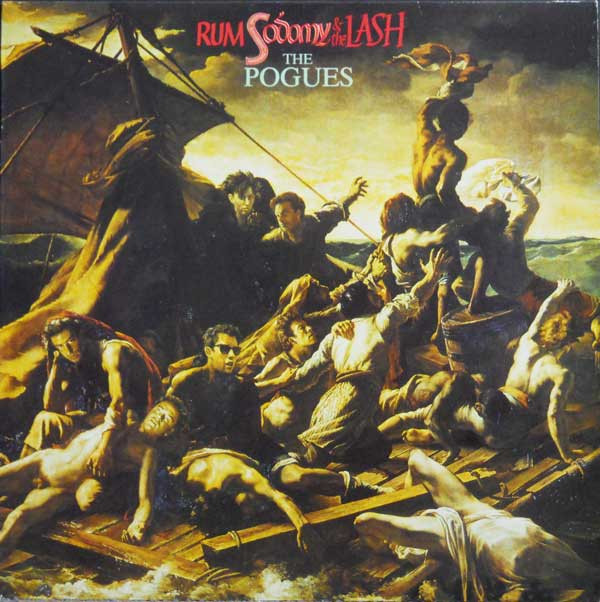
Rum Sodomy & The Lash
1985
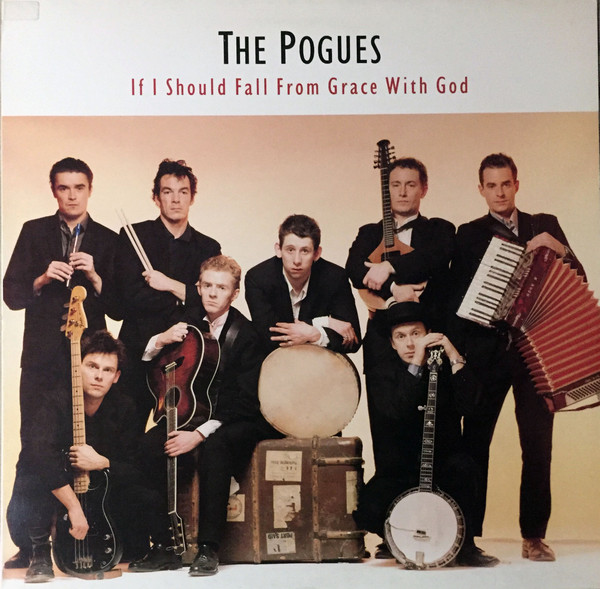
If I Should Fall From Grace With God
1988

Red Roses For Me
1984
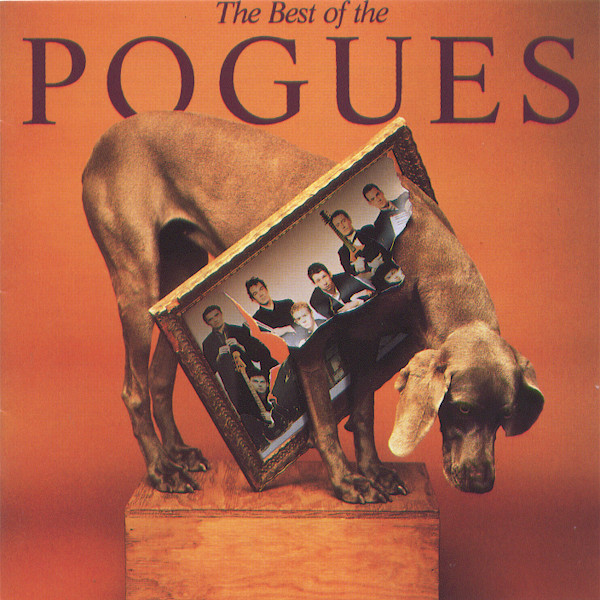
The Best Of The Pogues
1991

Fairytale Of New York
1987

Hell's Ditch
1990

Peace And Love
1989

Live In London
2014

The Very Best Of ...
2004

BBC Sessions 1984-85
2020

Waiting For Herb
1993

The Rest Of The Best
1992

Poguetry In Motion
1986
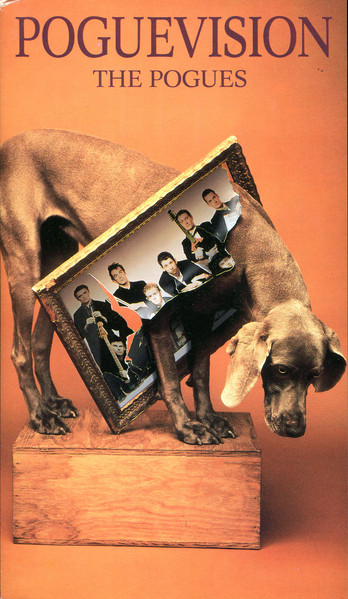
Poguevision
1991
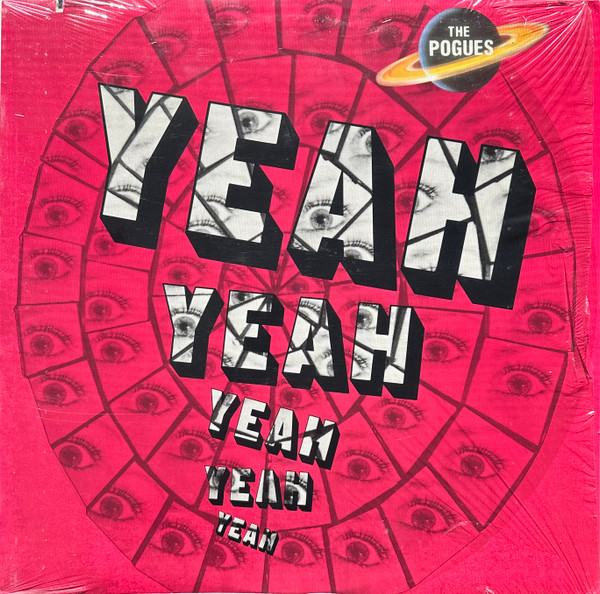
Yeah, Yeah, Yeah, Yeah, Yeah
1989

30:30 The Essential Collection
2013
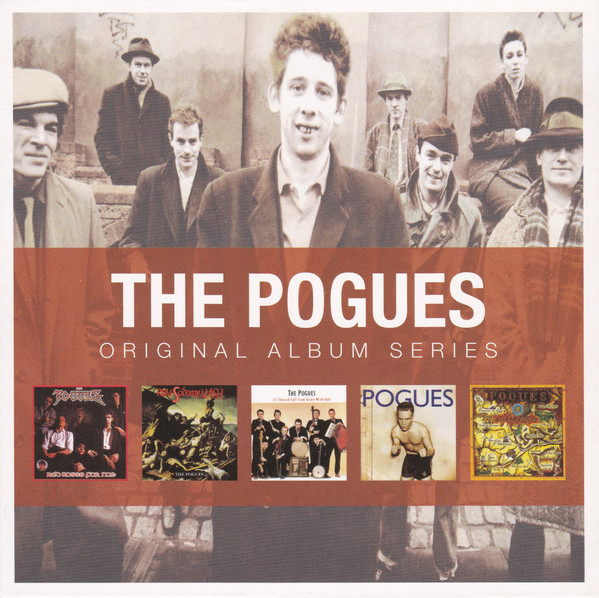
Original Album Series
2010

Pogue Mahone
1995

The Irish Rover
1987

Migrants On The Home Front
2023
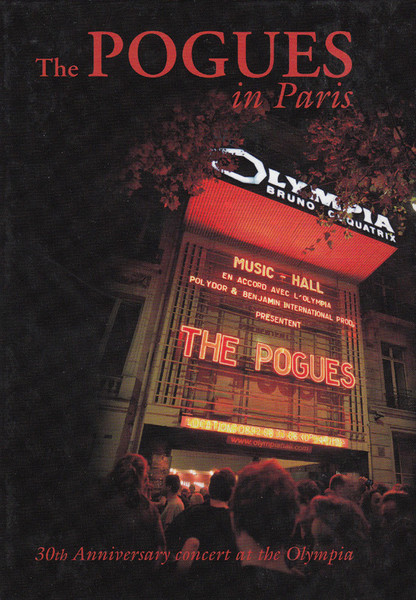
In Paris - 30th Anniversary Concert At The Olympia
2012
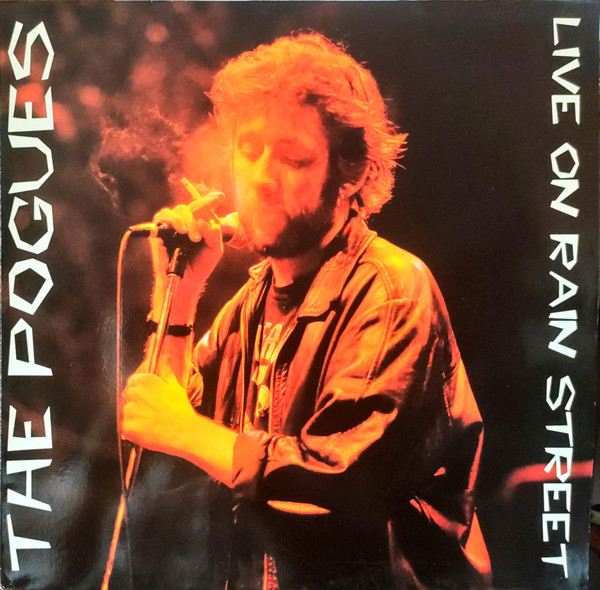
Live On Rain Street
1991

Dirty Old Town
1985
Related artists
Members
Frequent collaborators
Around the web
Follow every record they touch.
Start your shelf and Gatefold tracks The Pogues's new pressings, tour dates, and the whole discography — automatically.
Start your shelf →Free forever. Works with 10 records or 10,000.