
Artist
The Moody Blues
Birmingham, United Kingdom · 1964 – 2018
The Moody Blues is a music group from Birmingham, United Kingdom, active 1964–2018. Their discography on Gatefold includes 24 records.

58
Albums tracked
509
In collections
1964
Since
Biography
Decca Records handed these guys a budget to record Dvořák’s 'New World Symphony' for a stereo demonstration disc and they used it to cut a psych-prog concept album instead. They owed the label money and had to justify the gear usage, so they brought in an orchestra to bridge the gap between their R&B roots and their newfound interest in the Mellotron. Mike Pinder had literally worked for the company that built the Mellotron, and his ability to keep that temperamental beast in tune transformed the band from a failing soul outfit into the architects of orchestral rock. By the mid-70s, the internal friction was so heavy they had to record their individual parts for 'Blue Jays' separately just to finish the thing. They went from being the darlings of the Isle of Wight to a group that leaned heavily into the '80s digital sheen once Patrick Moraz joined on keys. You can respect the early Mellotron era without having to defend the later synth-pop pivots, but the fact remains that without their willingness to burn a label's budget on a weird experiment in 1967, the entire prog genre doesn't happen the same way.
Bio from The Clerk
The Arc of The Moody Blues
The pivots — what forced The Moody Blues to reinvent.
The Birmingham Beat Shift
Before the robes and the poetry, they were a gritty R&B group fronted by Denny Laine. They scored a massive hit with 'Go Now,' but they were essentially a covers band playing to the mods in Birmingham and London. When Laine and bassist Clint Warwick bailed in '66, the band was staring down a mountain of debt and a total loss of identity. Bringing in Justin Hayward and John Lodge changed the vocal dynamic from grit to lace, forcing a total rethink of their sound.
The Mellotron Core Seven
Between 1967 and 1972, the band operated as a democratic unit where every member wrote and sang, supported by Mike Pinder’s heavy Mellotron layering. Producer Tony Clarke became the unofficial sixth member, helping them navigate the transition from 'Days of Future Passed' into a string of dense, self-produced studio records. This era was defined by Graeme Edge’s spoken-word poems and Ray Thomas’s flute, creating a lush, reverb-soaked sound that defined the psychedelic transition. It ended when the exhaustion of constant touring and the pressure to maintain the 'mystic' persona caused a five-year hiatus.
The Moraz Digital Pivot
When the band returned in the late '70s, Mike Pinder wasn't interested in the road, leading to the recruitment of keyboardist Patrick Moraz fresh out of Yes. The 'Long Distance Voyager' sessions saw them ditching the analog Mellotron for Polymoogs and a harder, more polished FM synthesis sound. This was a survival move that worked commercially, trading the hippy mysticism for a sleek, radio-ready production style that kept them on the charts while their peers were being eaten alive by punk. It lost some of the soul, but the technical precision Moraz brought to the stage saved the band's live reputation.
Influences
- Bessie Smith — Ray Thomas cited Smith as a primary vocal influence for her phrasing and emotional weight. You hear that bluesy DNA in his early harmonica parts and his deeper vocal contributions before the band went full cosmic. It’s the earthy foundation that kept their more floaty arrangements grounded.
- The Beatles — The band admitted that hearing 'Strawberry Fields Forever' was the green light they needed to go all-in on the Mellotron. Mike Pinder had introduced John Lennon to the instrument while working at Streetly Electronics. Without that mutual exchange of gear-talk, 'Days of Future Passed' likely remains a straight orchestral record.
- The Weavers — Justin Hayward grew up on the vocal harmonies of the American folk revival, specifically The Weavers' intricate layering. This directly informed the multi-part vocal stacks on tracks like 'Question.' It’s the reason their harmonies sound more like folk-choir arrangements than standard rock backups.
- Buddy Holly — Hayward’s early guitar style and songwriting were modeled almost entirely on Holly’s clean, melodic sensibilities. You can hear it in the pop structure of his early compositions before they get buried in orchestration. He was a Stratocaster kid at heart who just happened to end up in a psych band.
- James Brown — In the early Denny Laine era, the band functioned as a high-energy R&B revue modeled after Brown's tight stage shows. They were obsessed with the syncopation and soul energy of the Apollo era. That sense of rhythm eventually mutated into the driving, repetitive bass lines John Lodge used to cut through the Mellotron wash.
Discography
Their records — most-collected first.
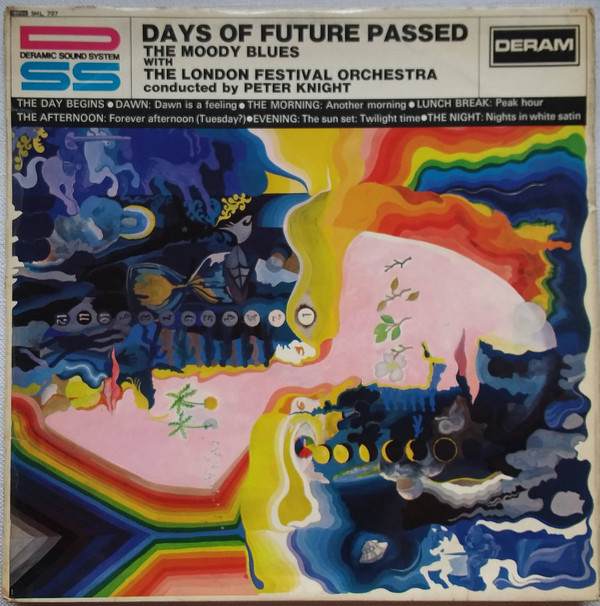
Days Of Future Passed
1967
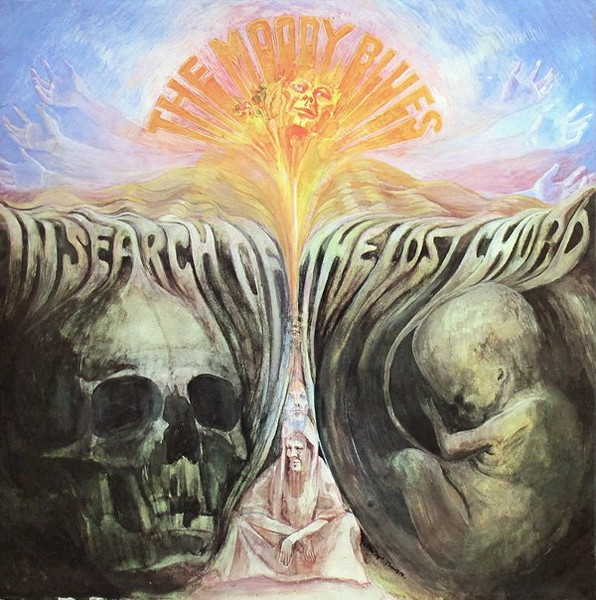
In Search Of The Lost Chord
1968
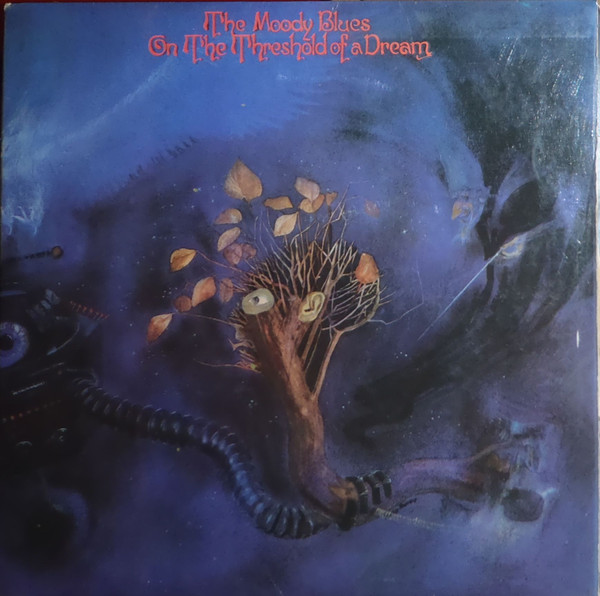
On The Threshold Of A Dream
1969
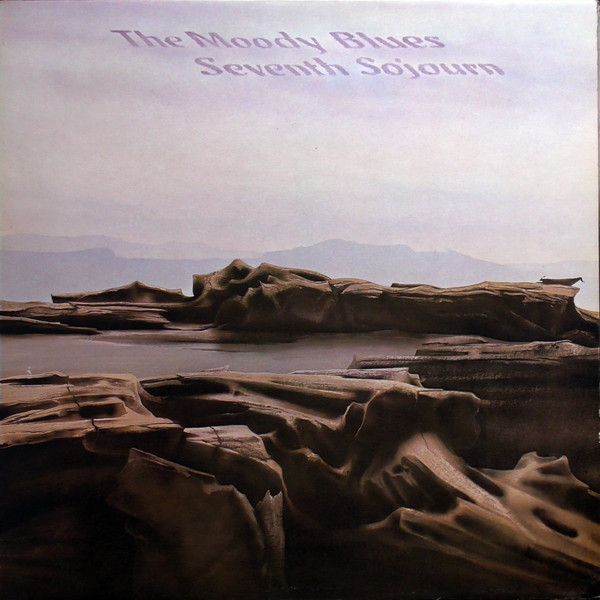
Seventh Sojourn
1972
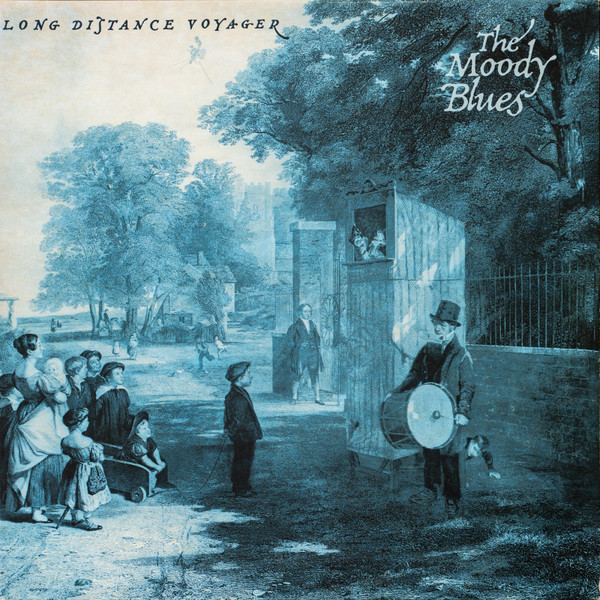
Long Distance Voyager
1981

Every Good Boy Deserves Favour
1971
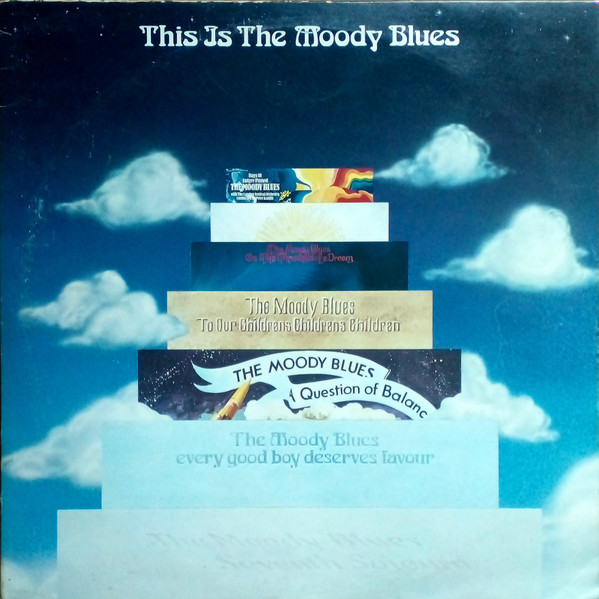
This Is The Moody Blues
1974
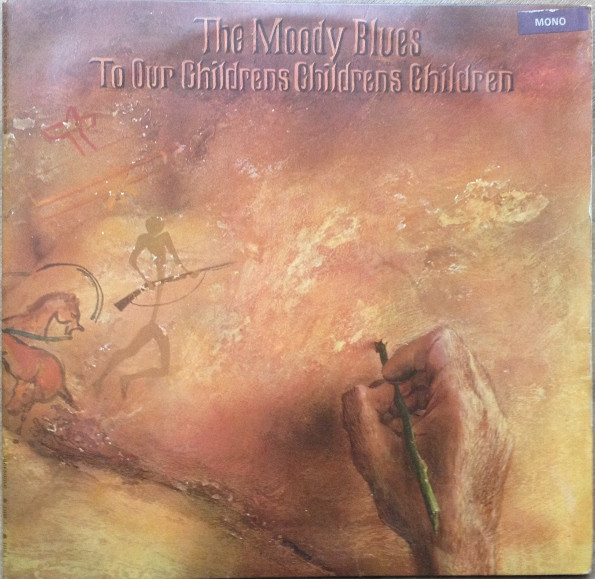
To Our Childrens Childrens Children
1969
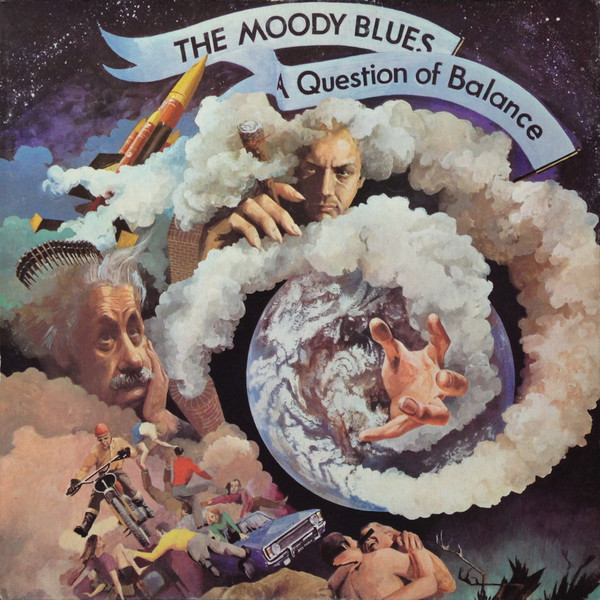
A Question Of Balance
1970

The Other Side Of Life
1986

The Present
1983
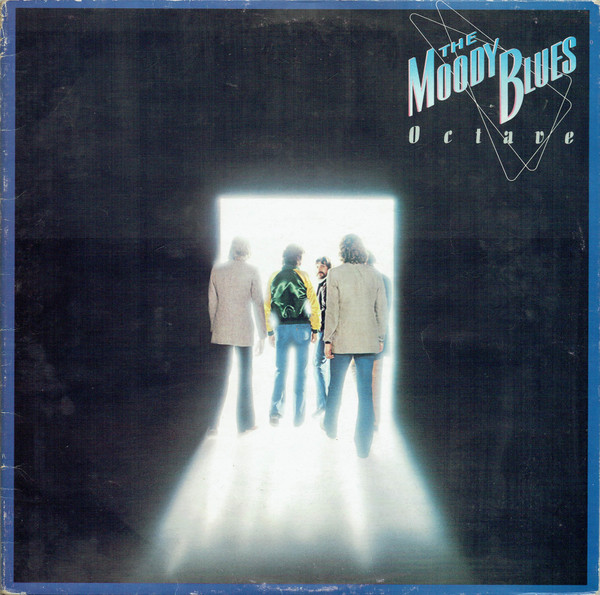
Octave
1978

Out Of This World
1979

Greatest Hits
1989

Voices In The Sky (The Best Of The Moody Blues)
1984

Caught Live +5
1977
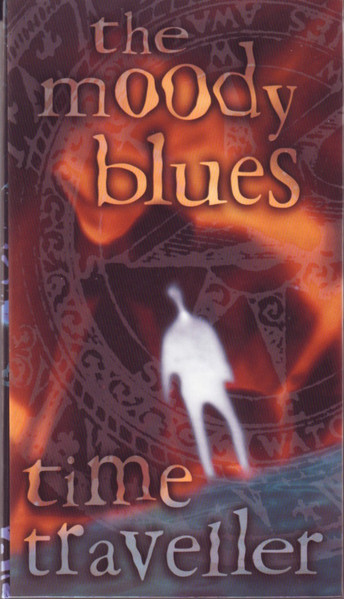
Time Traveller
1994

Sur La Mer
1988

Nights In White Satin
1967

Go Now The Moody Blues #1
1965

Playlist Plus
2008
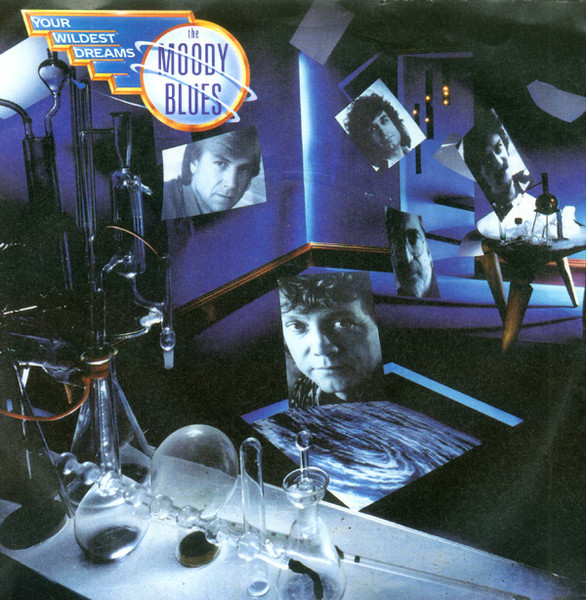
Your Wildest Dreams
1986
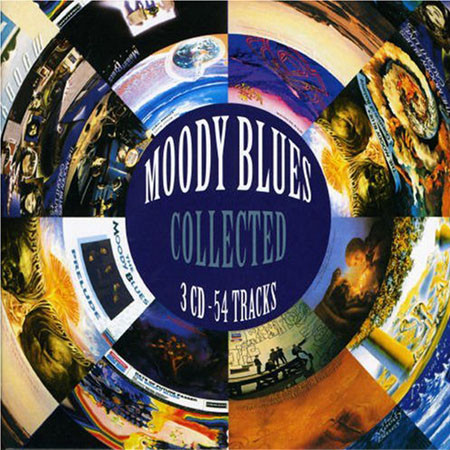
Collected
2007

The Moody Blues Anthology
1998
Related artists
Around the web
Follow every record they touch.
Start your shelf and Gatefold tracks The Moody Blues's new pressings, tour dates, and the whole discography — automatically.
Start your shelf →Free forever. Works with 10 records or 10,000.