
Artist
The Mars Volta
El Paso, United States · Formed 2001
The Mars Volta is a music group from El Paso, United States, active since 2001. Their discography on Gatefold includes 19 records.

19
Albums tracked
457
In collections
2001
Since
Biography
The Mars Volta started because At the Drive-In was too small a cage for Omar Rodríguez-López. He was done with the post-hardcore formula and wanted to write salsa-infused prog suites that would make Rick Rubin sweat. When they tracked De-Loused in the Comatorium, Jeremy Michael Ward was the secret weapon. He wasn't playing an instrument in the traditional sense; he was manipulating a dizzying array of pedals and processors from the back of the room to create those eerie, aquatic transitions that define the record. Things got dark fast. Ward overdosed right before the debut even dropped, and the band turned into a revolving door of world-class players who had to keep up with Omar’s dictatorial vision. He used to forbid the other members from listening to each other's parts during tracking to keep the takes frantic and disconnected. It worked until it didn't. By the time they hit the mid-2000s, the sprawl became the point, and the records started feeling like endurance tests rather than compositions.
Bio from The Clerk
The Arc of The Mars Volta
The pivots — what forced The Mars Volta to reinvent.
The Comatorium Reality
After the At the Drive-In split, Omar and Cedric recruited Jon Theodore on drums and Eva Gardner on bass to ground their psychedelic abstractions. Rick Rubin handled the production for De-Loused, stripping away the punk-rock safety net and forcing the band to focus on technical precision and massive dynamic shifts. The result is a high-water mark for 21st-century prog where the Latin percussion and frenetic guitar work actually serve the narrative. You hear a band with everything to prove and the discipline to actually execute the chaos.
The Dictatorship and the Dead
Following Jeremy Ward’s death, Omar took total control of the studio process and moved the operation to Los Angeles and London for Frances the Mute. He stopped letting the band jam or write together, instead treating the musicians like session players who only heard their individual cues. This era brought in Juan Alderete on bass and Marcel Rodriguez-Lopez on percussion, thickening the sound into a dense, orchestral wall of noise. The songs grew into twenty-minute monsters filled with field recordings and cryptic ambient passages that reflected Omar’s obsession with his lost friend’s journals.
The Frusciante Sessions
By the time they reached Amputechture and The Bedlam in Goliath, John Frusciante was effectively a session guitarist for the band so Omar could focus on directing the arrangements. This period is defined by a frantic, occult energy and a complete abandonment of the 'verse-chorus' structure in favor of erratic time signatures and breakneck speeds. Thomas Pridgen took over the drum throne with a hyper-aggressive style that pushed the band into a loud, maximalist corner. It’s the sound of a group trying to outrun their own ghosts through sheer technical virtuosity.
The Pop Regression
After the exhaustion of Bedlam, the band pivoted to what they called their 'acoustic' or 'pop' records with Octahedron and eventually the self-titled comeback. They traded the sprawling ten-minute solos for tighter structures and a focus on Cedric’s melodic range. The 2022 return stripped away the prog-rock signifiers entirely for a clean, electronic-inflected sound that pissed off the purists. It was a calculated move to kill the 'Mars Volta' brand expectations and start over as a different beast.
Influences
- Can — Omar has repeatedly cited Holger Czukay’s tape-editing techniques as the blueprint for how he constructs Volta tracks. You hear it in the sudden, jarring transitions and the way ambient noise is treated with the same weight as a guitar riff. They even covered 'Vitamin C' during their early live sets.
- Fania All-Stars — Growing up in El Paso, Omar was steeped in the salsa and boogaloo records coming out of the Fania label. The polyrhythmic percussion and the aggressive, stabbing horn sections on Frances the Mute are a direct lineage from those 1970s NYC Latin jams. It's the rhythmic spine that keeps their prog from feeling like a stale Yes derivative.
- King Crimson — The band's fixation on shifting time signatures and the 'Frippertronics' style of guitar textures is documented throughout their mid-2000s interviews. You hear the Red-era grit in the way Omar and Juan Alderete lock into heavy, repetitive motifs before blowing them apart. It’s the foundation for their entire approach to technical heavy rock.
- Miles Davis — Omar took the 'director as producer' cue from the Teo Macero and Miles Davis Bitches Brew sessions. He famously used the same 'stop-start' hand signal method to lead the band through improvised sections on stage. The heavy use of effects-laden trumpet and chaotic ensemble improvisation is a direct nod to Miles' fusion period.
- Bad Brains — Cedric Bixler-Zavala frequently credits H.R. as his primary vocal inspiration for his high-register delivery and frantic stage energy. Before the prog suites, these guys were hardcore kids, and the sheer speed and spiritual intensity of their performances come straight from the DC punk legends. They even brought in Bad Brains' Darryl Jenifer to help out on later projects.
Discography
Their records — most-collected first.
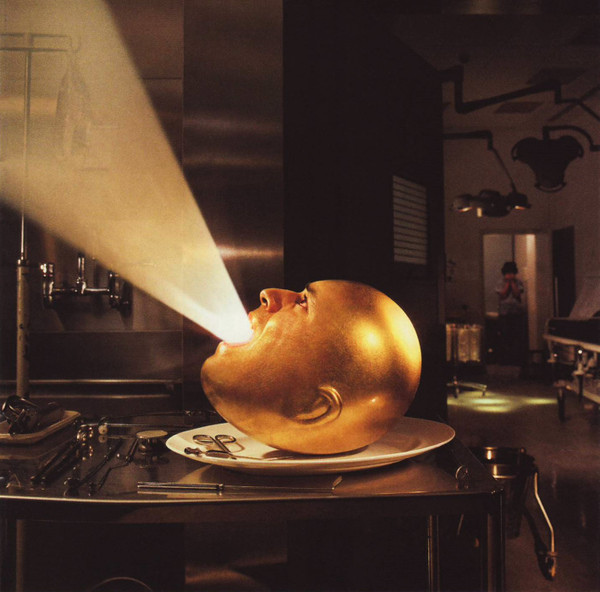
De-Loused In The Comatorium
2003
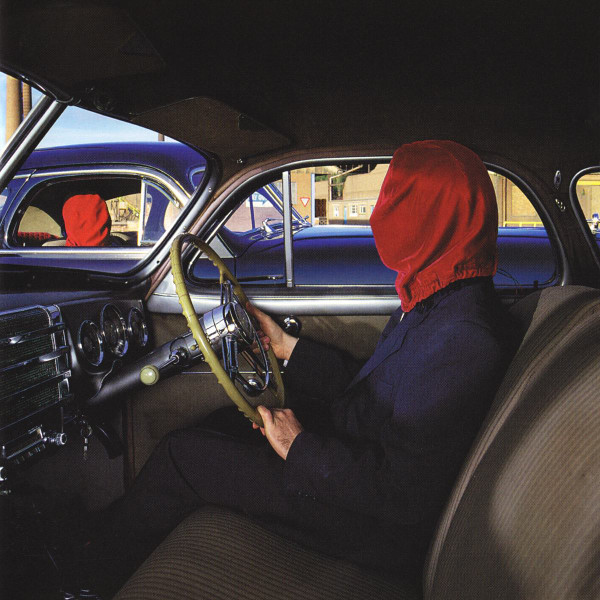
Frances The Mute
2005

Amputechture
2006
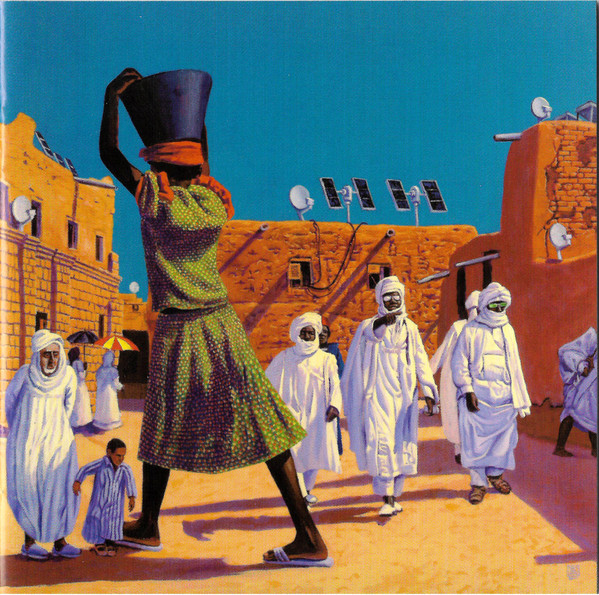
The Bedlam In Goliath
2008
The Mars Volta
2022

Tremulant EP
2004

Octahedron
2009
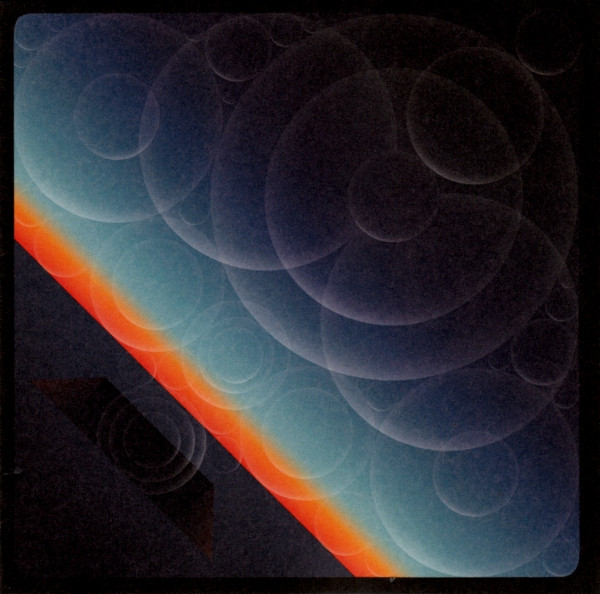
Noctourniquet
2012
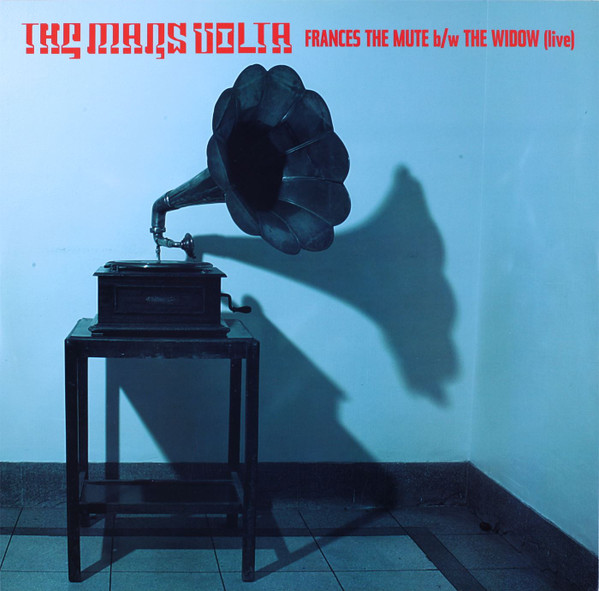
Frances The Mute
2005

Lucro Sucio; Los Ojos Del Vacio
2025
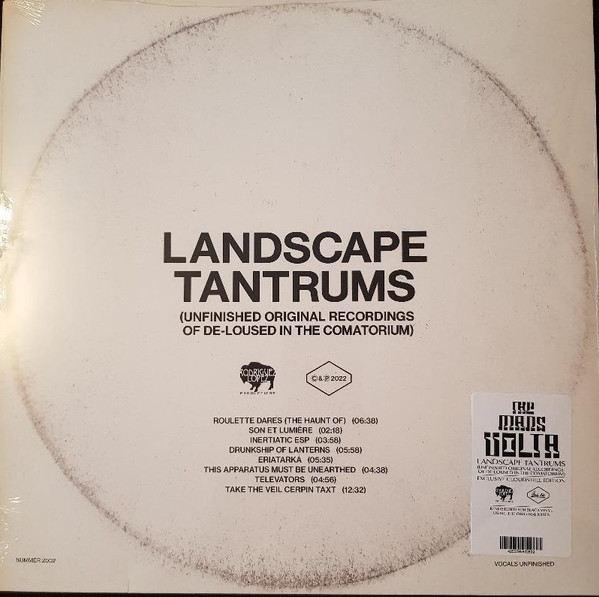
Landscape Tantrums (Unfinished Original Recordings Of De-Loused In The Comatorium)
2022
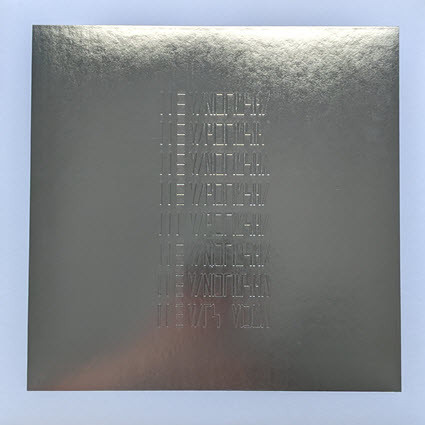
Que Dios Te Maldiga Mi Corazon
2023

Scabdates
2005

A Plague Upon Your Hissing Corpse
2010
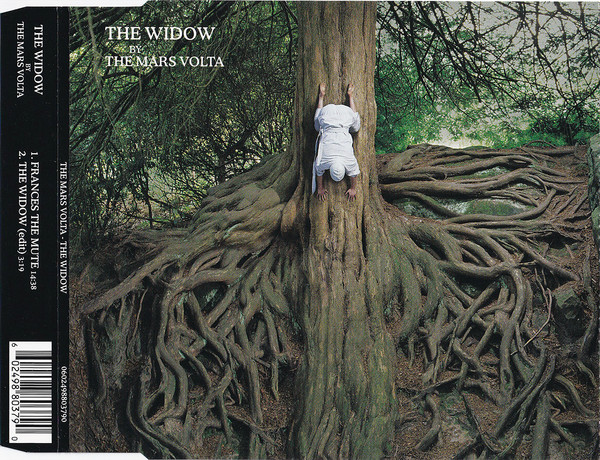
The Widow
2005

Televators
2004
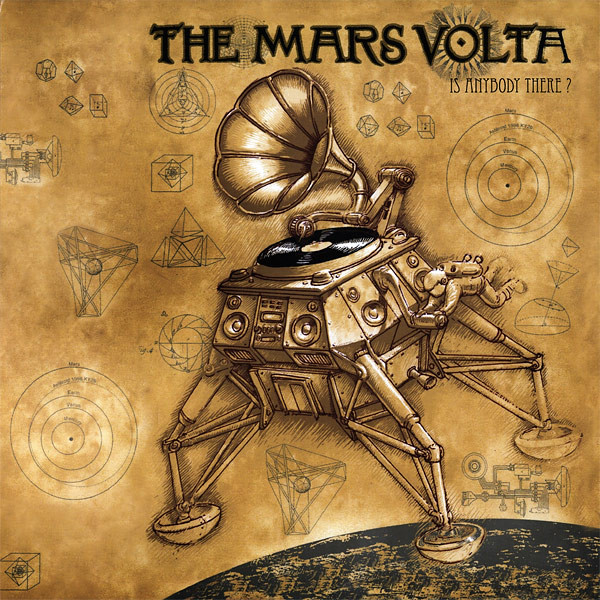
Is Anybody There?
2009

L'Via L'Viaquez
2005
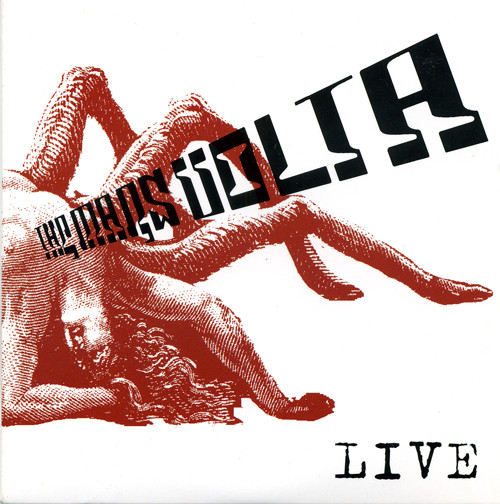
Live
2003
Related artists
Members
Frequent collaborators
Around the web
Follow every record they touch.
Start your shelf and Gatefold tracks The Mars Volta's new pressings, tour dates, and the whole discography — automatically.
Start your shelf →Free forever. Works with 10 records or 10,000.