
Artist
Jimmy Smith
US jazz organist
Norristown, United States · 1925 – 2005
Jimmy Smith is a musician from Norristown, United States, active 1925–2005. Their discography on Gatefold includes 24 records. They also recorded with Jimmy Smith Trio.

60
Albums tracked
139
In collections
1925
Since
Biography
He woodshedded in an Atlantic City warehouse for a solid year with a rented Hammond B-3, drawing pedal charts in chalk right onto the floorboards. The organ was a novelty church fixture until he figured out how to kick the bass pedals with his left foot while chopping lightning-fast bop lines with his right hand. Before 1956, jazz organ meant skating rink cheese or sluggish gospel comping. Jimmy treated the drawbars like a brass section and turned the leslie speaker into an absolute weapon. He tore through the late fifties cutting marathon sessions that practically ran on adrenaline, blues grit, and sheer volume. Then the mid-sixties rolled around, and the industry realized his groove could sell movie themes and big band arrangements to folks who normally bought pop 45s. He made some greasy records in that big band stretch, but plenty of it turned into bloated commercial filler where the orchestra smothered his bite. When he cut the fat and stuck to a lean trio with a guitar and drums, nobody on the planet could touch him.
Bio from The Clerk
The Arc of Jimmy Smith
The pivots — what forced Jimmy Smith to reinvent.
The Blue Note Small-Group Blitz
Between 1956 and the start of the sixties, Jimmy Smith stripped jazz organ down to a lean, terrifying engine. Flanked by players like guitarist Thornel Schwartz and tenor man Stanley Turrentine, he proved a Hammond could walk its own furious basslines without a standup player cluttering the floor. Records like 'The Sermon!' and 'Back at the Chicken Shack' were built on long, unhurried blues vamps that felt closer to a sweat-drenched barroom than a polite concert hall. You hear a musician inventing the standard operating procedure for an entire instrument in real time.
The Big Band Sell and the Movie Themes
Moving into 1962 with 'Bashin': The Unpredictable Jimmy Smith', the sound swelled up to fit massive orchestral charts. Producers stuck him in front of brass-heavy arrangements and chased mainstream coin with themes like 'The Cat' and 'Who's Afraid of Virginia Woolf?'. It paid the rent and cracked the charts, but the sheer wall of brass often boxed his wilder improvisations into tight three-minute corners. Even when the polish threatened to choke the soul out of it, his left foot kept the damn thing grounded in hard bop.
Dynamic Duos and Blues Shuffles
By the mid-to-late sixties, he countered the big-budget gloss by locking in with heavyweight partners, most notably cutting fiery tape alongside Wes Montgomery. Albums like 'The Dynamic Duo' and 'Hoochie Coochie Man' pushed his sound hard toward gutbucket R&B and grease, trading rapid-fire single-note horn lines with Montgomery's thumb-picked octaves. He started shouting, working raw blues covers, and leaning into gritty funk grooves as the sixties wound down. It pulled him back from easy-listening purgatory and put the venom back in the drawbars.
Influences
- Wild Bill Davis — Smith explicitly credited seeing Davis play the Hammond organ in the early 1950s as the exact trigger that made him abandon the piano. You hear Davis's orchestral approach in how Smith pulls stops to simulate big-band horn blasts. Davis built the bridge from church and swing to the organ combo, and Jimmy ran straight across it.
- Bud Powell — Smith spent his early years studying piano, obsessing over Powell's breakneck bebop vocabulary and right-hand articulation. You hear it on early burners like 'The Incredible Jimmy Smith at the Organ, Volume 3', where he rips linear single-note lines that completely ignore typical keyboard organ chord-comping. He basically shoved Powell's bebop piano brain into a Hammond console.
- Charlie Parker — Parker was the sonic blueprint for modern phrasing, and Smith lifted Bird's harmonic ideas note for note into his right-hand runs. Listen to any fast blues on 'House Party' and you hear Parker's rhythmic accents dictating how Jimmy keys the drawbars. He wanted the organ to cut like an alto saxophone instead of a church choir.
- Count Basie — Basie was one of the earliest mainstream jazz players to mess with a Hammond, using sparse, biting stabs rather than sustained chords. Smith took that lesson to heart on mid-tempo stomps like 'Midnight Special', stripping out clutter to let rhythm and space drive the groove. It taught him that what you do not play on an organ matters just as much as the volume.
- Fats Waller — Waller was laying down pipe organ and reed organ jazz sides in the 1920s and 30s long before the B-3 was ever manufactured, proving the instrument could swing. Smith grew up around that stride tradition, which translates directly into the aggressive, stride-like independence of his left hand and pedal work on 'Home Cookin''. Waller proved a keyboard that big could still be thoroughly irreverent.
Jimmy Smith — solo
Their records — most-collected first.

Got My Mojo Workin'
1966

Root Down - Jimmy Smith Live!
1972
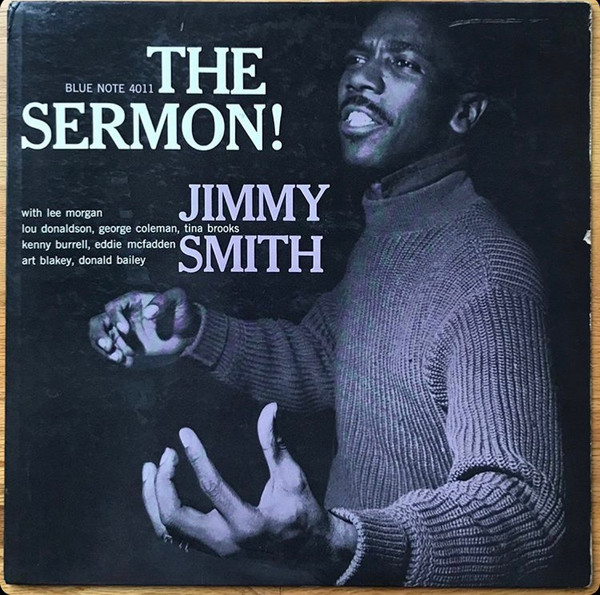
The Sermon!
1959

Jimmy & Wes (The Dynamic Duo)
1967

Prayer Meetin'
1964

Who's Afraid Of Virginia Woolf?
1964
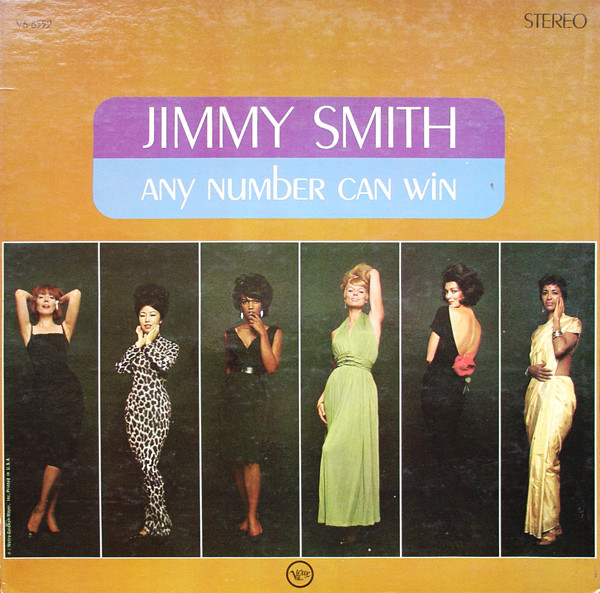
Any Number Can Win
1963
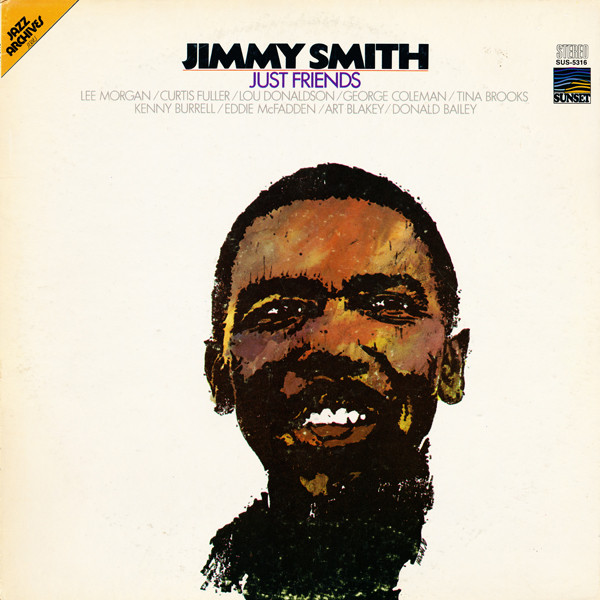
House Party
1958

Hobo Flats
1963

Starring Jimmy Smith / Also Starring Dave "Baby" Cortez

Sit On It!
1977
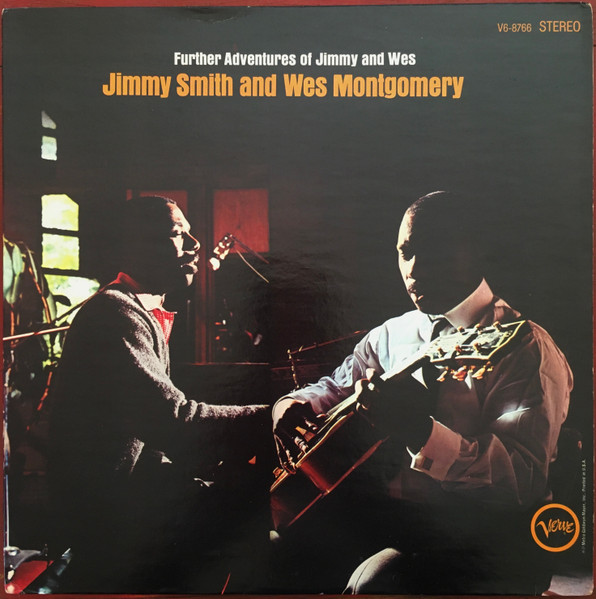
Further Adventures Of Jimmy And Wes
1969

Hoochie Cooche Man
1966

Off The Top
1982

Bluesmith
1972

The Other Side Of Jimmy Smith
1970

The Boss
1969

Livin' It Up!
1968

Plain Talk
1968
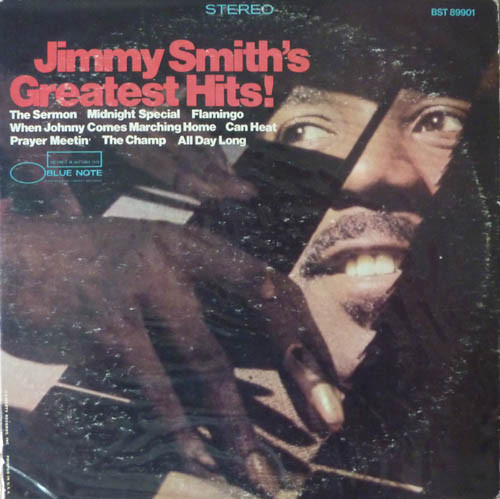
Jimmy Smith's Greatest Hits!
1968
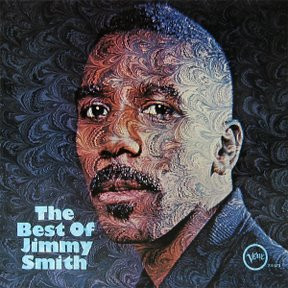
The Best Of Jimmy Smith
1967

Swings Along With Stranger In Paradise
1966

Midnight Special
1961

Groovin' At Smalls' Paradise (Volume 1)
1958
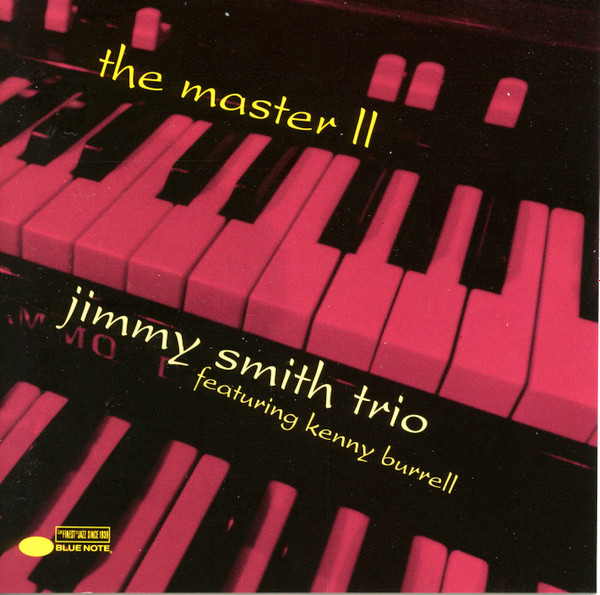
Jimmy Smith Trio
A project Jimmy Smith was part of.

Related artists
Around the web
Follow every record they touch.
Start your shelf and Gatefold tracks Jimmy Smith's new pressings, tour dates, and the whole discography — automatically.
Start your shelf →Free forever. Works with 10 records or 10,000.