
Artist
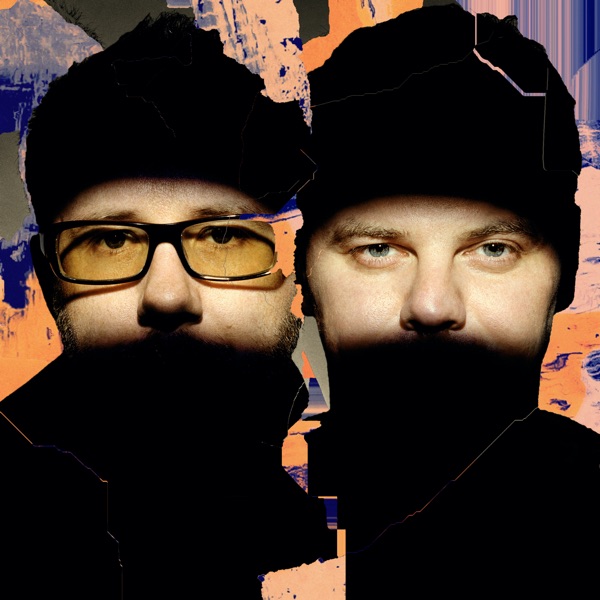
The Chemical Brothers
British electronic music duo
San Francisco, United States · Formed 1989
The Chemical Brothers is a music group from San Francisco, United States, active since 1989. Their discography on Gatefold includes 24 records.
41
Albums tracked
337
In collections
1989
Since
Biography
The early days were defined by a god-tier hardware stack that prioritized filth over fidelity: an Akai S1000 sampler, an SH-101 for the low end, and that massive, overdriven Mono Poly synth that cut through everything else. Tom Rowlands and Ed Simons weren't classically trained house heads. They were geography students at Manchester University who wanted to weld the groove of a New York b-boy record to the psychic weight of a 1960s psych-rock freakout. By the time they were forced to change their name from The Dust Brothers because the actual Dust Brothers threatened to sue, they had already figured out how to make a sequencer sound like it was about to throw a rod. They hit a weird plateau around 'Push the Button' where the guest list started feeling like a corporate mandate instead of a creative spark. You could hear them fighting against the expectations of being a stadium-sized act while trying to keep the grit of their Heavenly Social residency alive. They didn't really get their teeth back until they leaned into the visuals and the modular synth obsession, stripping away the radio bait to focus on the relentless, repetitive motorik pulse that makes their live shows feel like an industrial-grade lobotomy. They survived the EDM gold rush by simply refusing to simplify their signal chain.
Bio from The Clerk
The Arc of The Chemical Brothers
The pivots — what forced The Chemical Brothers to reinvent.
The Heavenly Social Years
Everything starts with 'Exit Planet Dust' and the debris left over from their residency at The Heavenly Social in London. They were pulling from crate-digger hip-hop and the baggy Manchester scene, but shoving it through an aggressive distortion that hadn't really hit dance floors yet. The record sounds like a damp basement—all compressed breaks and heavy basslines that felt physical rather than digital. It was the moment the rock kids realized they could dance without losing their edge.
The Arena Psych Pivot
With 'Dig Your Own Hole' and 'Surrender', the duo moved from the club to the festival stage by doubling down on Noel Gallagher and Beth Orton collaborations. They traded the lo-fi grit for massive, psychedelic production that filled the space between a Beatles record and a rave. You hear it in 'The Private Psychedelic Reel', which is basically a 10-minute manifesto on how to use a sitar and a drum machine to dismantle a crowd. They were the biggest band in the world for a minute, and the production reflected that sheer scale.
The Modular Reset
After the somewhat bloated 'We Are the Night' almost derailed them, they stripped the guest features back for 'Further' and leaned into an audiovisual assault. They shifted their focus toward long-form, linear compositions that relied on vintage modular gear rather than pop structures. This era saved them from becoming a legacy act by reconnecting with the rhythmic purity of the early days. It was a refusal to play the celebrity game, and the tracks became leaner and more dangerous for it.
Influences
- Public Enemy — The duo has repeatedly cited 'It Takes a Nation of Millions to Hold Us Back' as the blueprint for their chaotic, dense sampling style. You hear that Bomb Squad influence in the sirens and the abrasive, non-musical textures of 'Block Rockin' Beats'. It’s the sound of urban panic translated into a dance floor context.
- The Beatles — The drum break and descending bassline of 'Tomorrow Never Knows' is the undisputed DNA for everything the Brothers ever recorded. They’ve stated that they spent their entire career trying to replicate that specific feeling of psychedelic vertigo. 'Setting Sun' isn't just a nod—it's a direct evolutionary descendant of the Revolver sessions.
- Kraftwerk — They’ve openly admitted to ripping the melody for 'Leave Home' from 'Ohm Sweet Ohm' off the Radio-Activity album. Beyond the direct theft, you hear the German group's influence in the way they treat the sequencer as the lead vocalist. It’s that rigid, mechanical precision fighting against their messy, distorted tendencies.
- Meat Beat Manifesto — Jack Dangers was the one who showed them that breakbeats could be dark, industrial, and heavy as hell. The track 'God O.D.' was a staple in their early DJ sets and informed the syncopated, punishing percussion on their first few EPs. Without Meat Beat, the Brothers would have been another polite trip-hop act.
- The Fall — Mark E. Smith eventually collaborated with them, but his band's repetitive, grinding post-punk was their primary Manchester education. They took The Fall’s 'repetition, repetition, repetition' mantra and applied it to the 808. It’s that stubborn, northern English grit that keeps their tracks from feeling too polished or 'clubby'.
Discography
Their records — most-collected first.
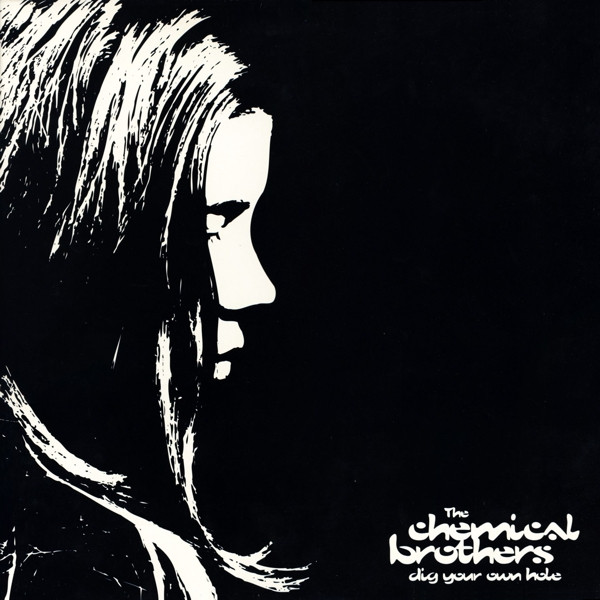
Dig Your Own Hole
1997
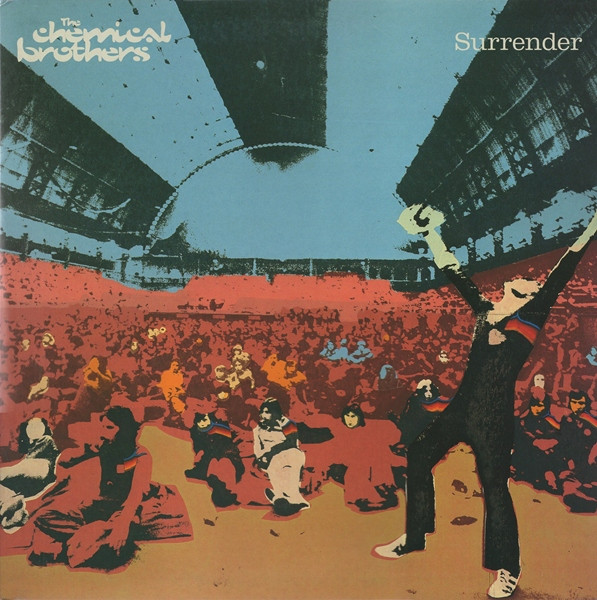
Surrender
1999
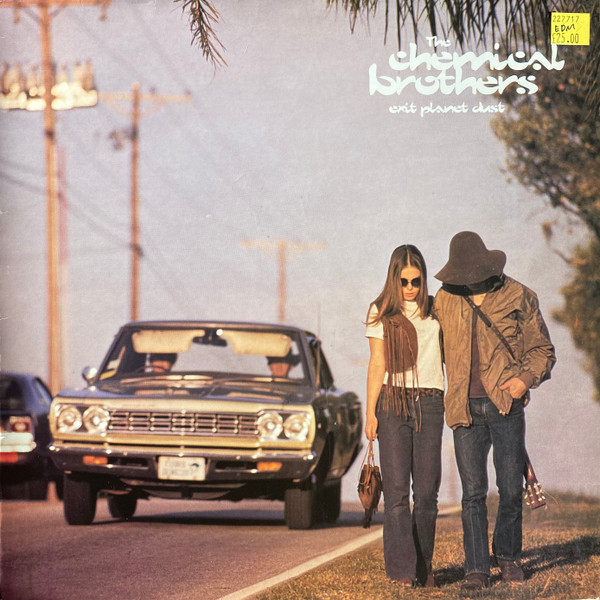
Exit Planet Dust
1995

Come With Us
2002
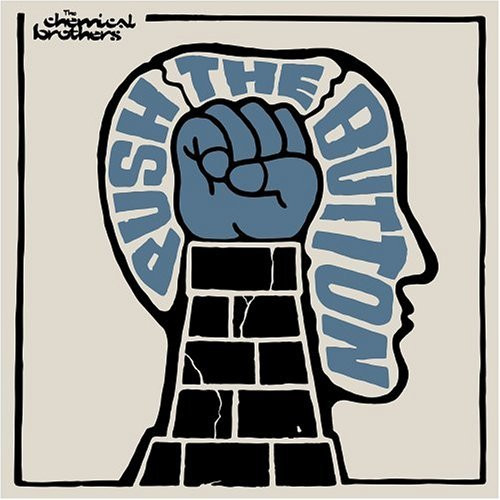
Push The Button
2005
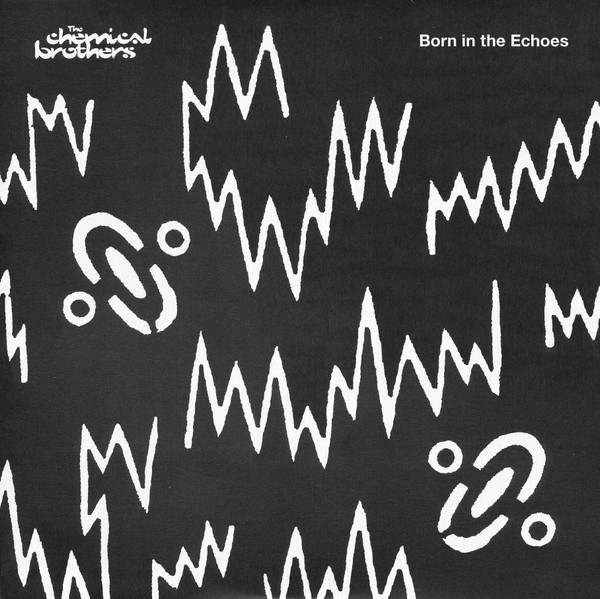
Born In The Echoes
2015
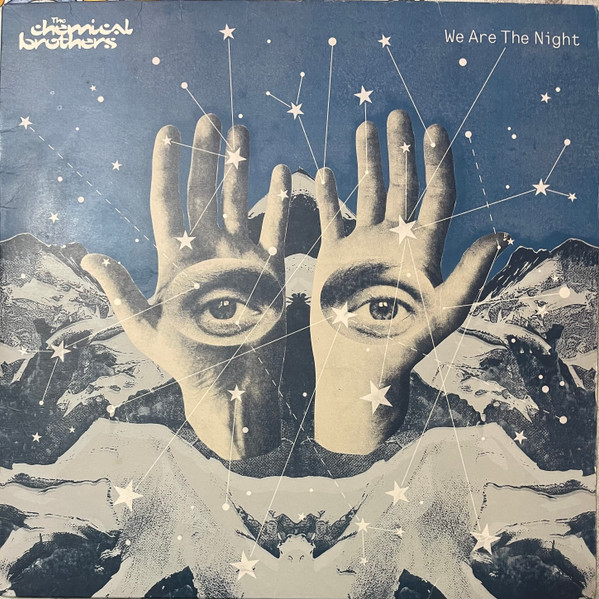
We Are The Night
2007

Further
2010
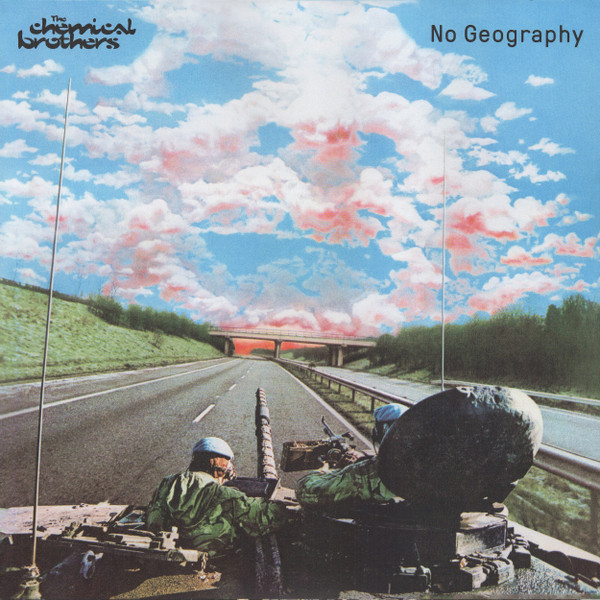
No Geography
2019
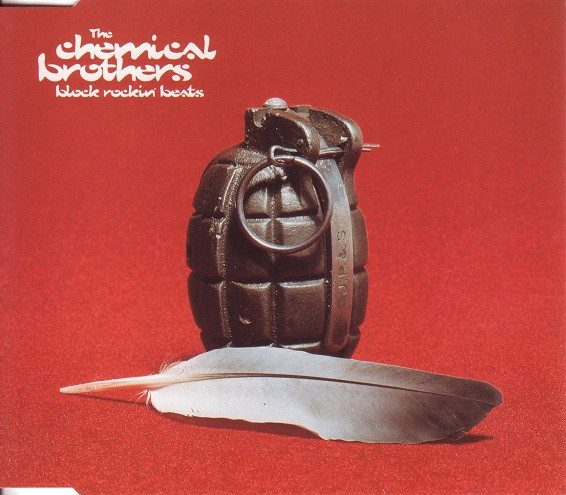
Block Rockin' Beats
1997

Singles 93-03
2003
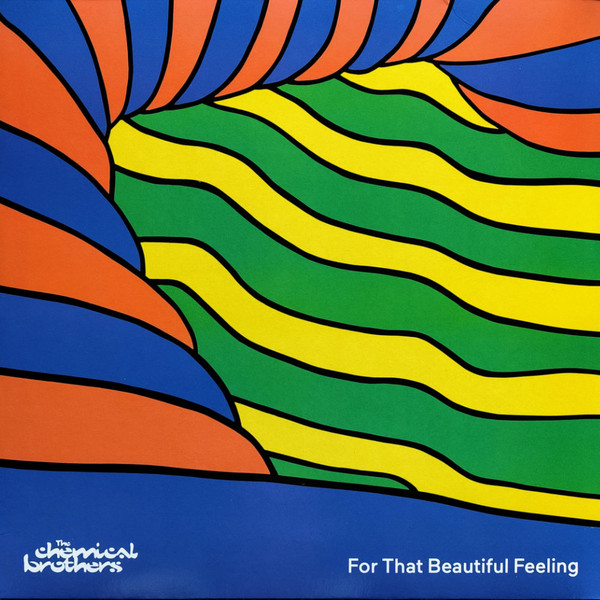
For That Beautiful Feeling
2023

Loops Of Fury
1996
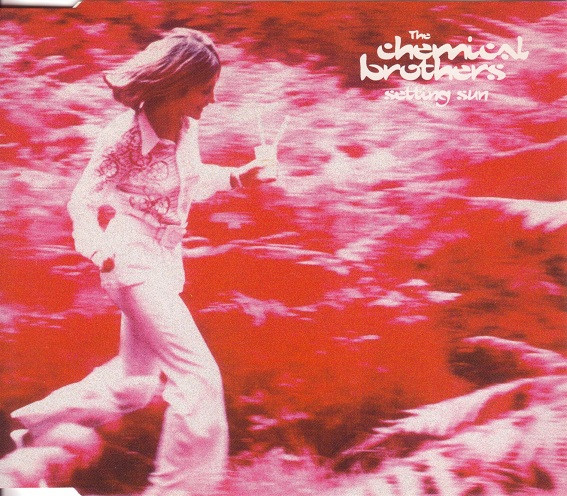
Setting Sun
1996
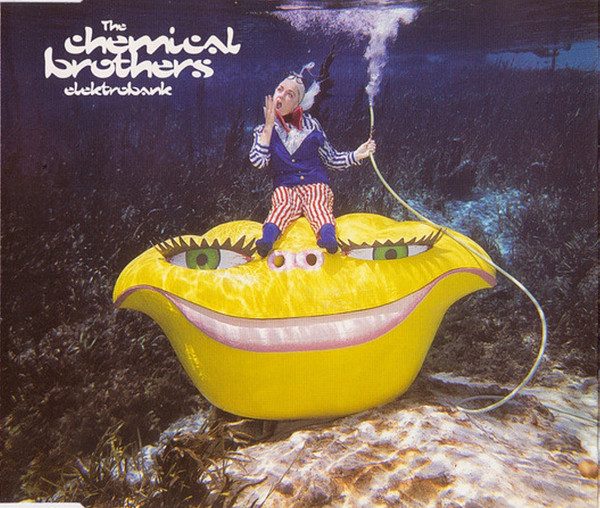
Elektrobank
1997
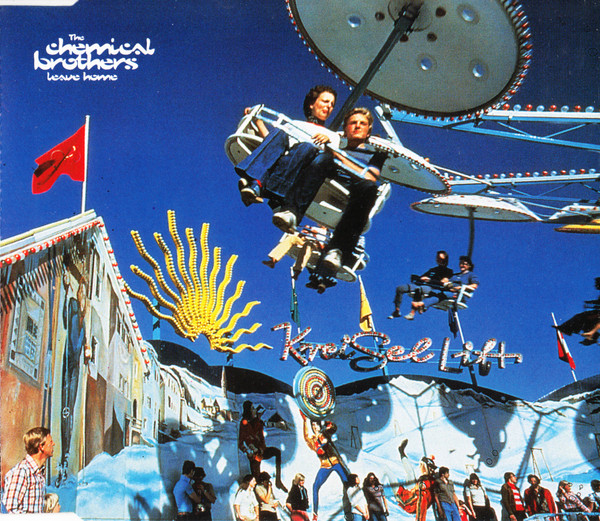
Leave Home
1995

Brotherhood
2008
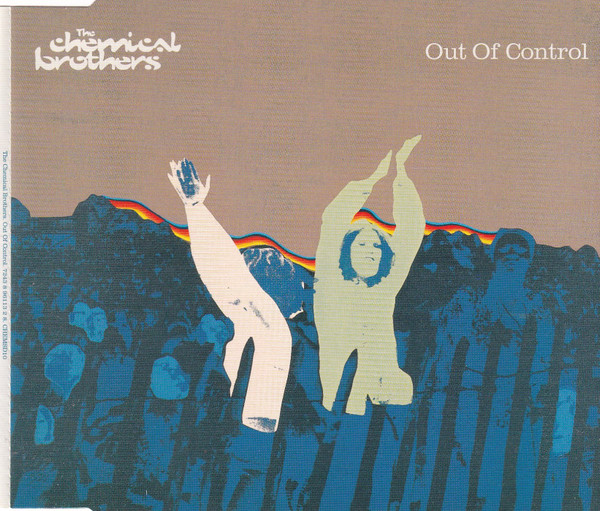
Out Of Control
1999

Life Is Sweet
1995
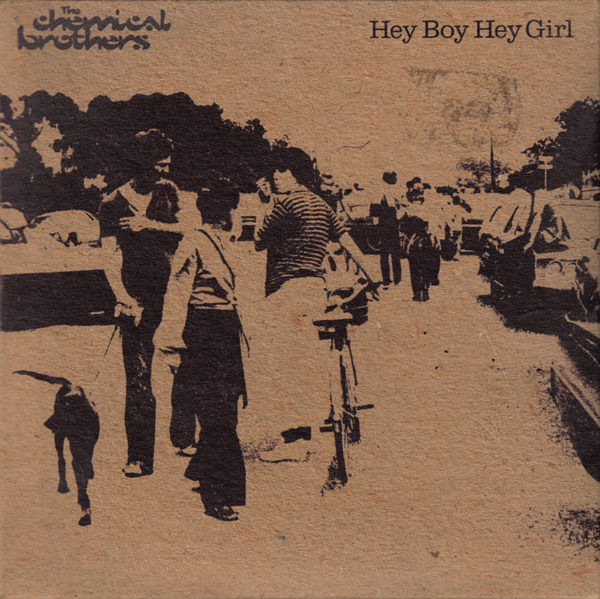
Hey Boy Hey Girl
1999

Goodbye (Erol Alkan Rework)
2024
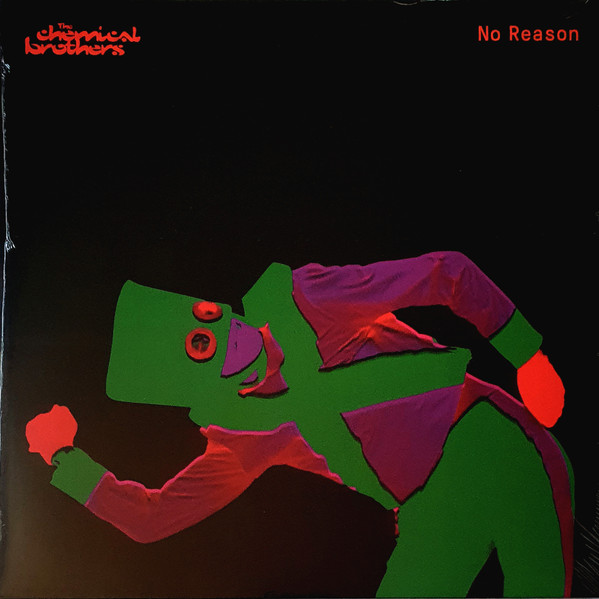
No Reason
2023

It Began In Afrika
2001
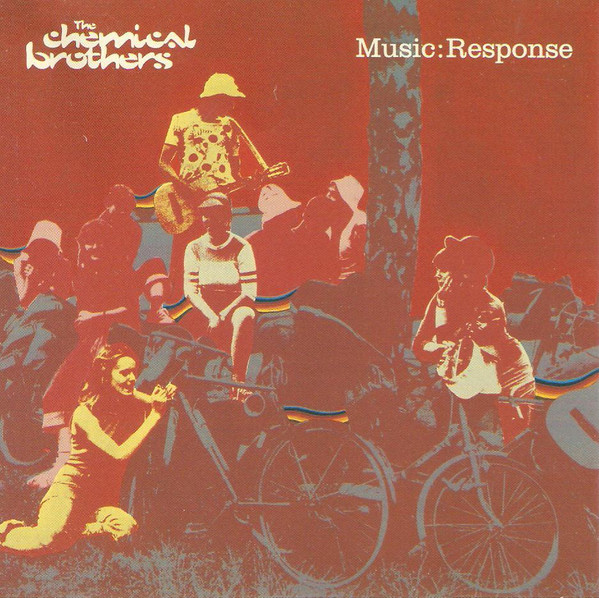
Music:Response
2000
Related artists
Members
Around the web
Follow every record they touch.
Start your shelf and Gatefold tracks The Chemical Brothers's new pressings, tour dates, and the whole discography — automatically.
Start your shelf →Free forever. Works with 10 records or 10,000.