
Artist
New Order
Salford, United Kingdom · Formed 1980
New Order is a music group from Salford, United Kingdom, active since 1980. Their discography on Gatefold includes 24 records.

57
Albums tracked
991
In collections
1980
Since
Biography
They showed up to rehearsal after Ian Curtis died with a broken drum machine, a stack of blank synth manuals, and a pact that whoever stepped up to the mic had to keep their mouth shut if it sounded like Joy Division. Bernard Sumner ended up singing because he was the only one who didn't run out of the room. Martin Hannett nearly drank himself to death trying to produce Movement, trapping them in the same cold reverb tanks he used on Closer while the band was busy falling in love with cheap sequencers and New York club 12-inches. They weren't virtuosos. They were post-punks butchering synthesizers with soldering irons until the machines spit out grooves. By the time they hit Ibiza to cut Technique in '88, they were blowing Factory Records' cash on Ecstasy and Balearic club nights while Hooky's high-register bass lines fought Sumner's sequencers for oxygen. That tension was the secret sauce. Sumner wanted pure synth-pop; Hook wanted to stay a dirty Manchester rock band; Stephen Morris and Gillian Gilbert held the digital clock together like glue. When Factory inevitably cratered under the weight of the Haçienda's debt, they got forced into the major-label grinder for Republic and fractured for years. But when they clicked, nobody else on Earth made dance music feel that human or rock and roll feel that machine-precise.
Bio from The Clerk
The Arc of New Order
The pivots — what forced New Order to reinvent.
The Ghost of Hannett
After Curtis died, the surviving trio recruited Gillian Gilbert and tried to finish what Joy Division started under Martin Hannett's suffocating production. Movement sounded like a band mourning in an echo chamber, paralyzed by the weight of their own history and Hannett's tyrannical studio habits. They had to break away from Hannett completely and start producing themselves to survive. The shift hit instantly on 'Temptation,' ditching the funeral gloom for raw, stuttering drum computers and human optimism.
The Sequencer Breakthrough
Between 1983 and 1986, the band bought an E-mu Emulator and a Powertran transcendent sequencer, completely wiring the gear by hand to make Power, Corruption & Lies and 'Blue Monday.' Hooky ran his bass through an Electro-Harmonix Clone Theory chorus pedal to sit on top of the mix while Sumner figured out how to write melody around four-on-the-floor kick drums. They fused New York post-disco with bleak northern England guitar chime across Low-Life and Brotherhood. It turned an indie guitar outfit into an accidental club titan.
The Balearic Hangover
Sumner shipped the band to Mediterranean Sound in Ibiza to record Technique right as the acid house explosion kicked off. What was supposed to be a standard recording session turned into months of clubbing, heavy drug consumption, and locking into the local Balearic beat. They took those Roland 303 basslines and acid sweeps, brought the tapes back to Peter Gabriel's Real World Studios, and layered Hook's bass straight across the top. It was the apex of their sound before label bankruptcy and personal burnout forced a messy decade of hiatuses and bitter legal battles.
Influences
- Kraftwerk — Sumner and Morris were obsessed with Trans-Europe Express and bought their first synths trying to replicate Ralf and Florian's robotic precision. You hear it directly in the mechanical pulse of '586' and the sequenced synth lines driving 'Your Silent Face.' They essentially took German synth discipline and shoved it into a sweaty Manchester rehearsal space.
- Donna Summer — The band openly admitted that the iconic bass sequence on 'Blue Monday' was lifted note-for-note from Giorgio Moroder's arrangement on Donna Summer's 'Our Love.' They plugged Moroder's disco framework directly into their Oberheim DMX drum machine. It became the exact bridge that crossed them over from post-punk into dance clubs.
- Ennio Morricone — Sumner and Hook grew up on Morricone's spaghetti western soundtracks and constantly chased his cinematic, melancholic lead lines. Hooky's signature style of playing the bass high up the neck like a lead guitar comes straight from Morricone's dramatic acoustic themes. It gives songs like 'Ceremony' and 'Leave Me Alone' their sweeping, widescreen sadness.
- The Velvet Underground — Before they ever picked up a drum machine, Joy Division and the early New Order lineup built their entire aesthetic on the raw, two-chord minimalism of White Light/White Heat. You hear that skeletal, chugging rhythm and deadpan vocal delivery all over Movement and early tracks like 'Mesh.' Lou Reed taught them that you do not need technical chops if your attitude is completely uncompromising.
- Iggy Pop — The band famously had The Idiot on the turntable right before Joy Division ended and New Order began. David Bowie's industrial, Berlin-era production on Iggy's solo records became the blueprint for how Morris tuned his live drums to sound like slamming metal gates. That dark, mechanized funk on 'Nightclubbing' is the direct ancestor of tracks like 'Everything's Gone Green.'
Discography
Their records — most-collected first.
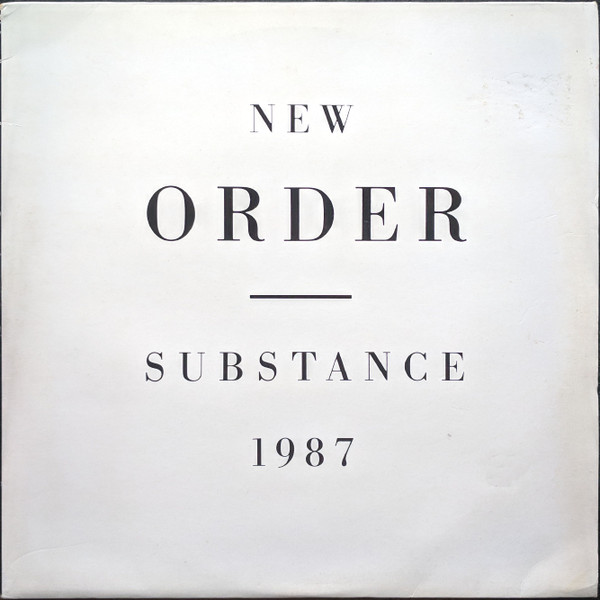
Substance
1987
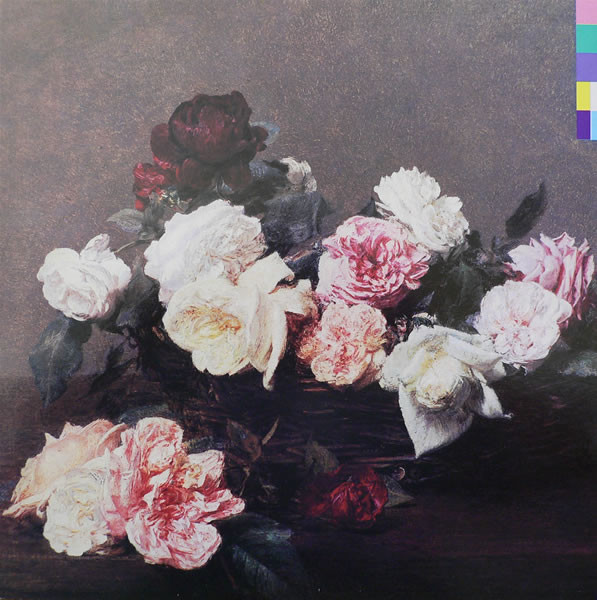
Power, Corruption & Lies
1983
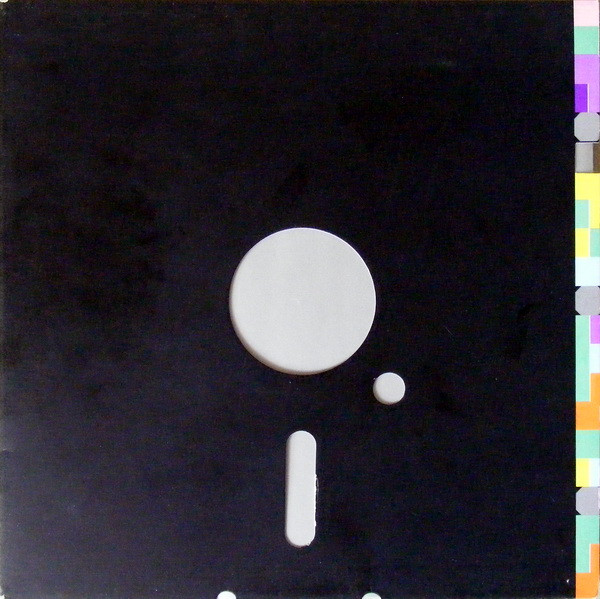
Blue Monday
1983
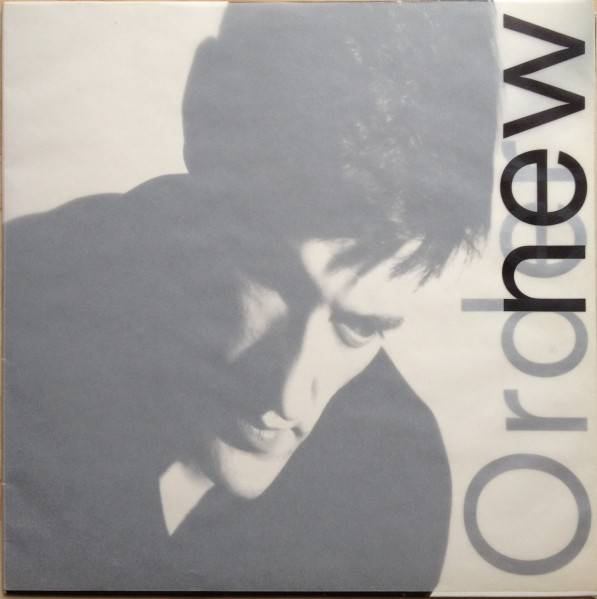
Low-life
1985
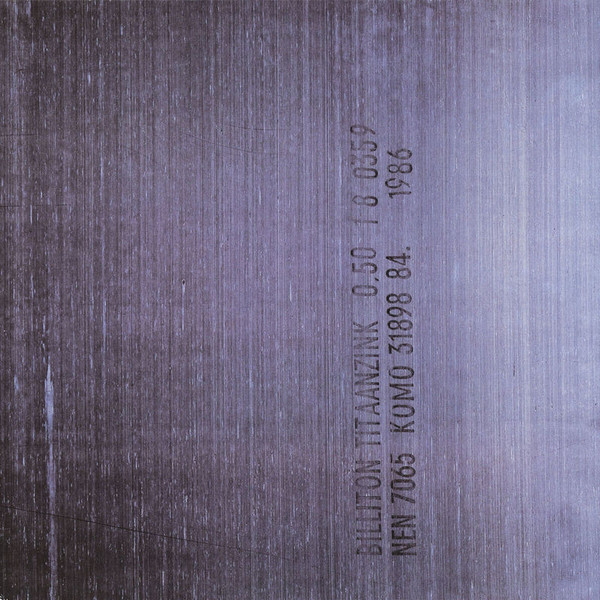
Brotherhood
1986
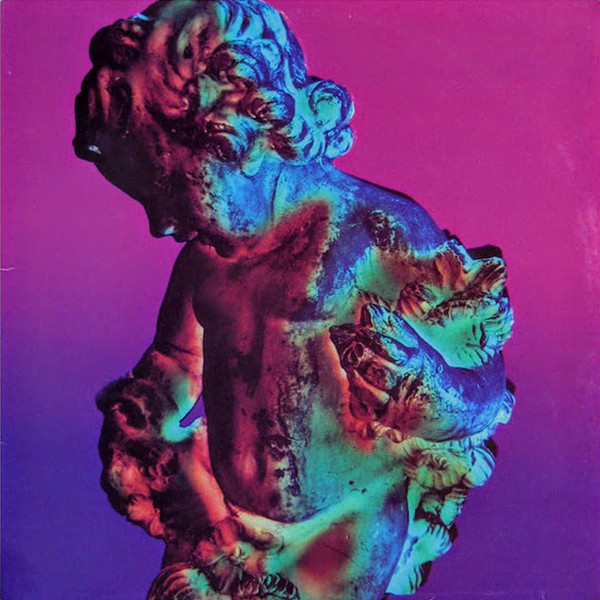
Technique
1989
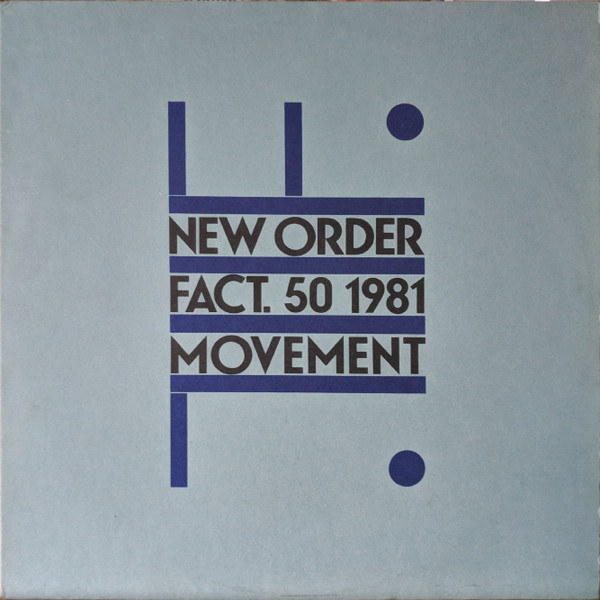
Movement
1981

Republic
1993
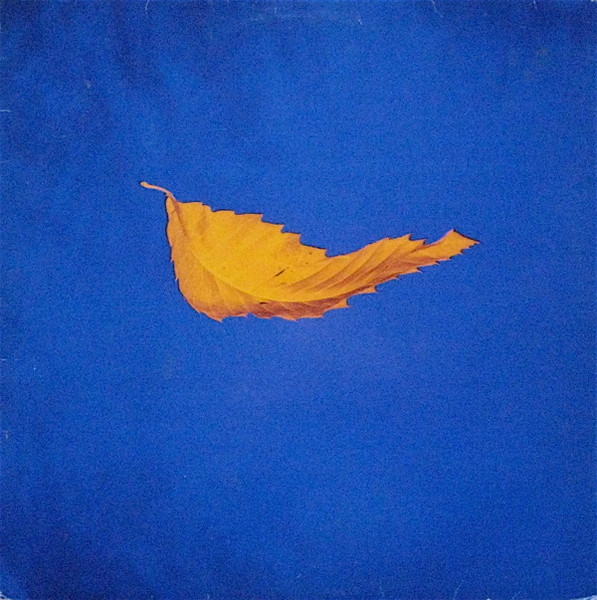
True Faith / 1963
1987
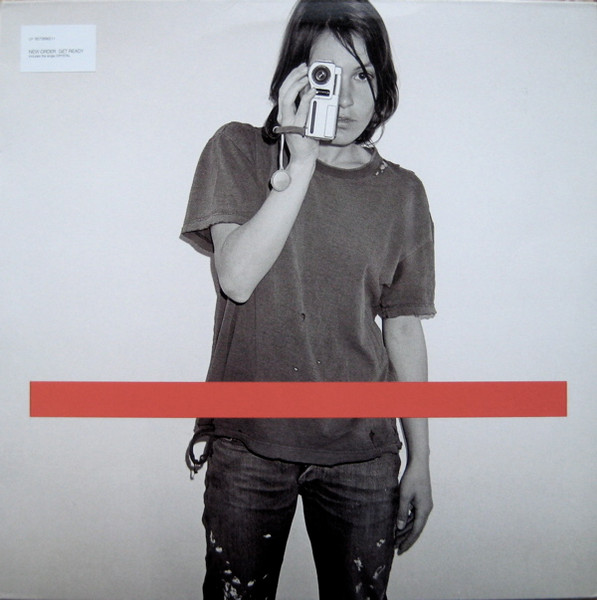
Get Ready
2001
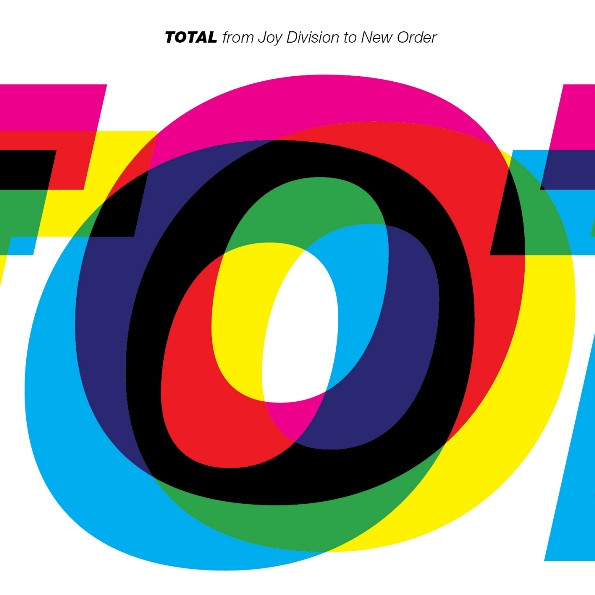
Total (From Joy Division To New Order)
2011

(The Best Of) NewOrder
1994

Bizarre Love Triangle
1986

Music Complete
2015

Crystal
2001

The Perfect Kiss
1985
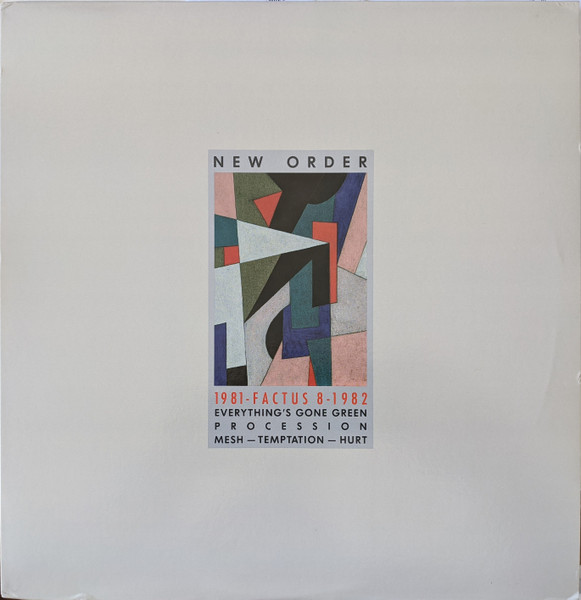
1981-1982
1982
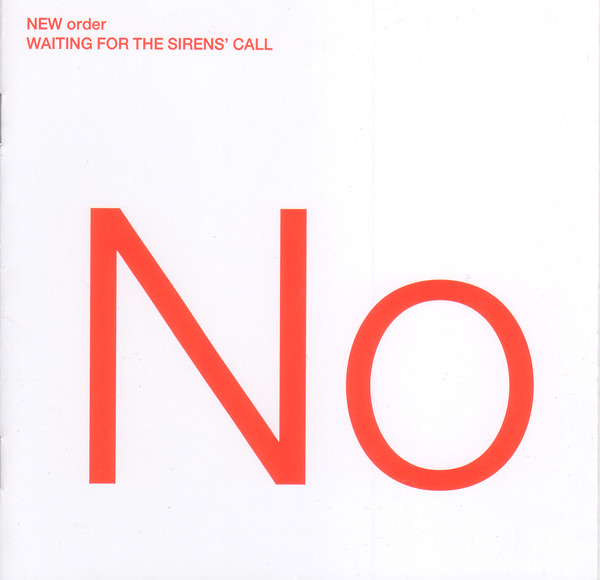
Waiting For The Sirens' Call
2005
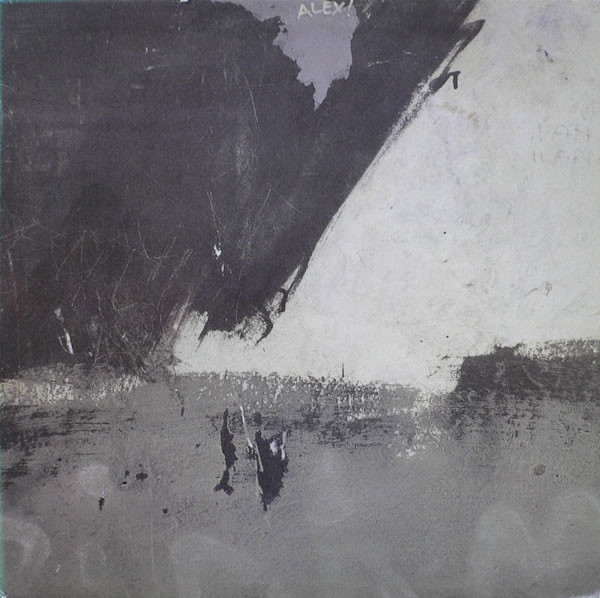
Shellshock
1986

Confusion
1983
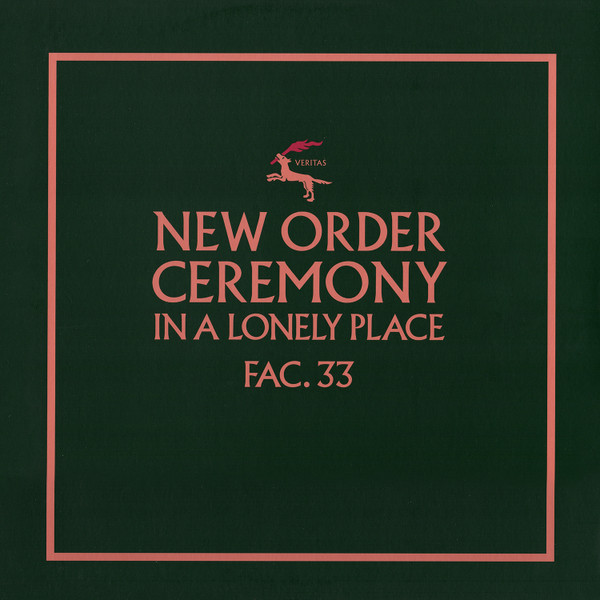
Ceremony
1981
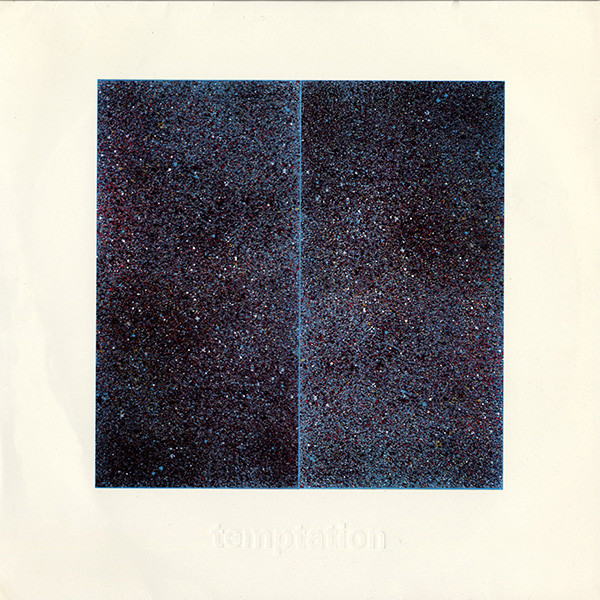
Temptation
1982
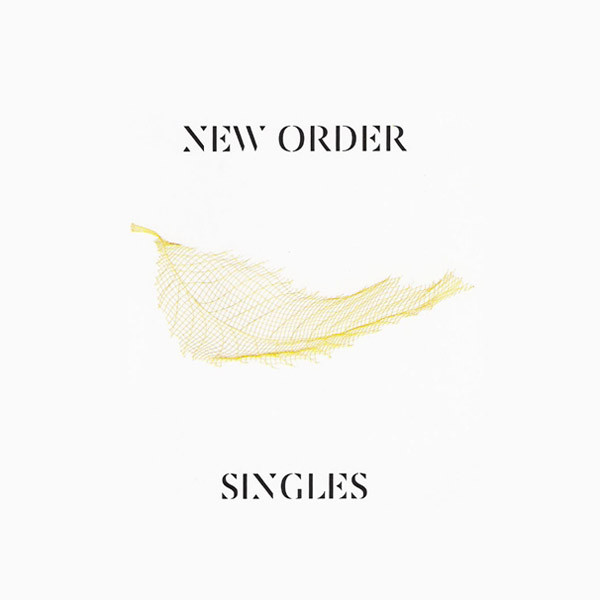
Singles
2005
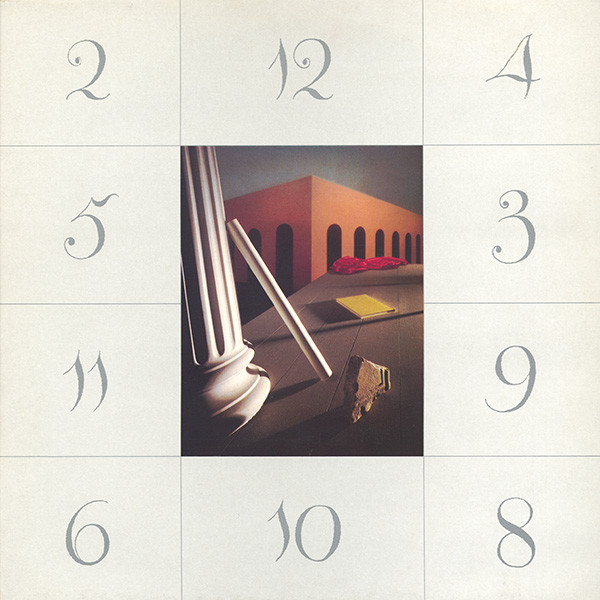
Thieves Like Us
1984
Related artists
Frequent collaborators
Around the web
Follow every record they touch.
Start your shelf and Gatefold tracks New Order's new pressings, tour dates, and the whole discography — automatically.
Start your shelf →Free forever. Works with 10 records or 10,000.