
Artist
The Black Keys
Akron, United States · Formed 2001
The Black Keys is a music group from Akron, United States, active since 2001. Their discography on Gatefold includes 24 records.
26
Albums tracked
782
In collections
2001
Since
Biography
Dan Auerbach and Patrick Carney cut their first record, The Big Come Up, in a basement on an 8-track digital recorder after the session musicians they hired never showed up. It wasn't about a garage-rock revival—it was about two guys in Akron who couldn't afford a real studio and had to make a Tascam 388 sound like a distorted field recording from the Mississippi Delta. Carney’s drumming was heavy and amateurish in the best way, providing a blunt-force anchor for Auerbach’s obsessive study of Junior Kimbrough’s hypnotic, circular guitar riffs. Then the Honda commercials and the Grammys happened. Danger Mouse stepped in for Attack & Release, and suddenly the basement grit was swapped for synth-glaze and polished hooks that felt like they were written specifically to score a truck ad. They went from the scuzzy Fat Possum roster to headlining arenas, losing some of that grease in the process. They spent a decade chasing a pop-rock high that almost killed the band, but they usually manage to pull it back from the brink whenever they remember they’re a blues-indebted duo from Ohio, not a corporate hit factory.
Bio from The Clerk
The Arc of The Black Keys
The pivots — what forced The Black Keys to reinvent.
The Fat Possum Basement Years
Between 2002 and 2006, the duo operated out of a former tire factory and a basement, leaning into the raw, unpolished sound of the Fat Possum label. They recorded Rubber Factory using a single AKG D19 microphone for the drums, resulting in a claustrophobic and punchy mid-range that defined their early aesthetic. This era was built on the limitation of being a two-piece, forcing Auerbach to play rhythm and lead simultaneously while Carney hammered out primal, swing-less beats. It is the purest distillation of their sound, before the outside world started suggesting they needed a bassist.
The Danger Mouse Gloss
The pivot happened in 2008 when they invited Brian Burton, better known as Danger Mouse, into the studio for Attack & Release. This move broke the two-man-in-a-room dynamic, introducing psychedelic textures, organs, and cinematic arrangements that moved them away from the blues-stomp. The collaboration reached its commercial peak with Brothers and El Camino, records where the fuzz was cleaned up for FM radio and the songwriting became tighter and more reliant on pop structures. You can hear the shift in the snare sound—it went from a cardboard box thud to a crisp, studio-perfect crack that fit right into a Super Bowl halftime show.
The Nashville Return
After a hiatus that saw the duo barely speaking and Auerbach moving to Nashville to build his Easy Eye Sound studio, they finally reconvened for 'Let's Rock' and the hill country tribute Delta Kream. By bringing in veteran session guys like Kenny Brown and Eric Deaton—who actually played with the old blues masters—they stopped trying to be a stadium pop band for a minute. The records became looser and less fussed over, recorded mostly live with zero overdubs to recapture the spontaneous energy they lost during the arena years. It was a conscious decision to quit the corporate grind and get back to the greasy, one-chord vamps that got them started.
Influences
- Junior Kimbrough — The band literally recorded a tribute EP, Chulahoma, dedicated entirely to his songs. You hear it in Auerbach’s preference for droning, hypnotic grooves over standard twelve-bar blues progressions. It’s the foundational DNA of their entire early catalog.
- The Stooges — Patrick Carney has cited the raw, simplistic power of Iggy Pop’s crew as the reason he felt comfortable being a self-taught drummer. The fuzzed-out, aggressive attack on tracks like 'Your Touch' is a direct descendant of the Ron Asheton school of guitar filth. They aren't trying to be polite; they're trying to be loud.
- Howlin' Wolf — Auerbach has frequently pointed to the Chess Records sessions as his blueprint for vocal grit and distorted guitar tone. The booming, overdriven vocal delivery on 'Hard Row' is a clear attempt to channel the terrifying physical presence of the Wolf. It’s about the distortion of the mic as much as the voice.
- Captain Beefheart — The band’s early work, particularly on Magic Potion, mirrors the jagged, angular blues of Safe as Milk. They’ve often discussed the influence of Beefheart's disregard for traditional fidelity. You hear it in the weird, disjointed slide guitar work and the deliberate avoidance of a 'clean' studio sound.
- T-Model Ford — As label mates on Fat Possum, the duo toured with Ford and witnessed his relentless, repetitive 'bad man' blues style firsthand. His influence is all over the relentless, driving rhythm of 'The Desperate Man.' It’s that raw, unpolished North Mississippi Hill Country energy that kept them from sounding like a generic bar band.
Discography
Their records — most-collected first.
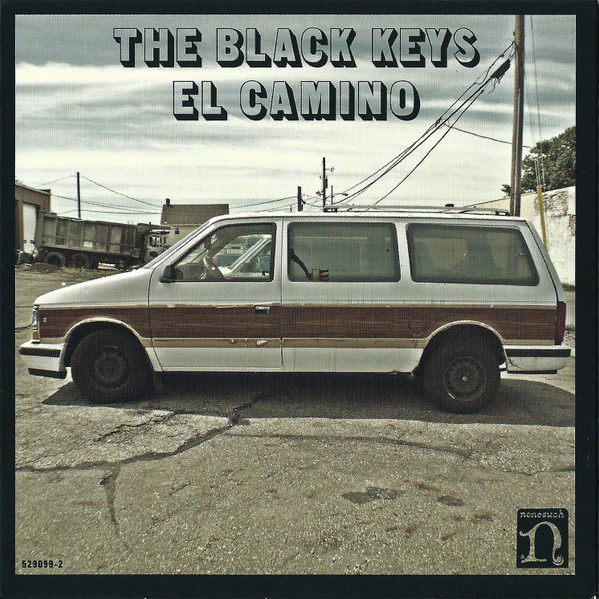
El Camino
2011
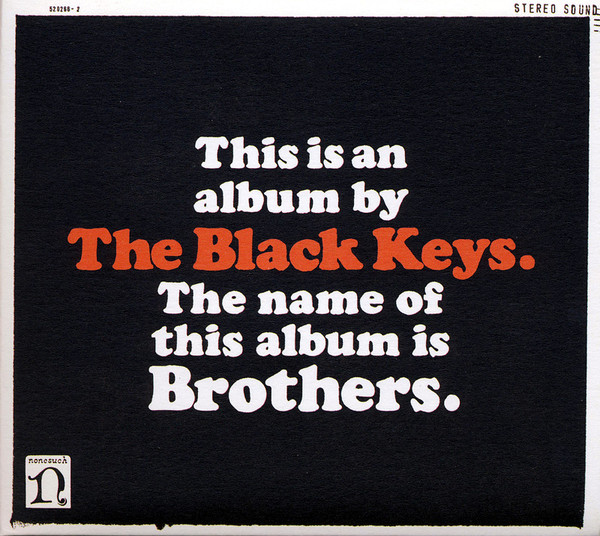
Brothers
2010
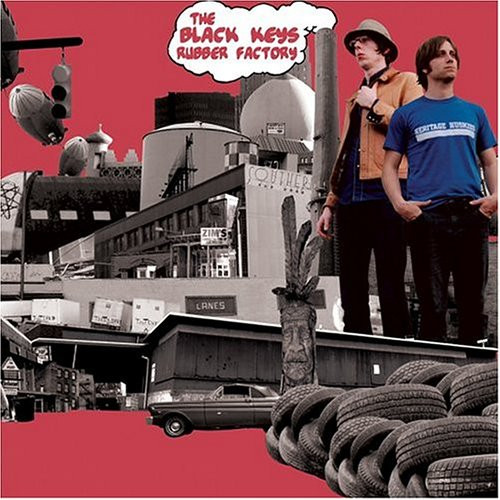
Rubber Factory
2004
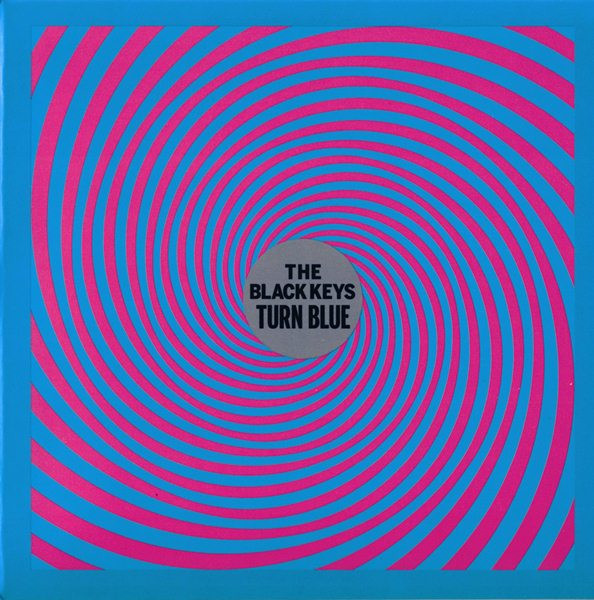
Turn Blue
2014

Thickfreakness
2003
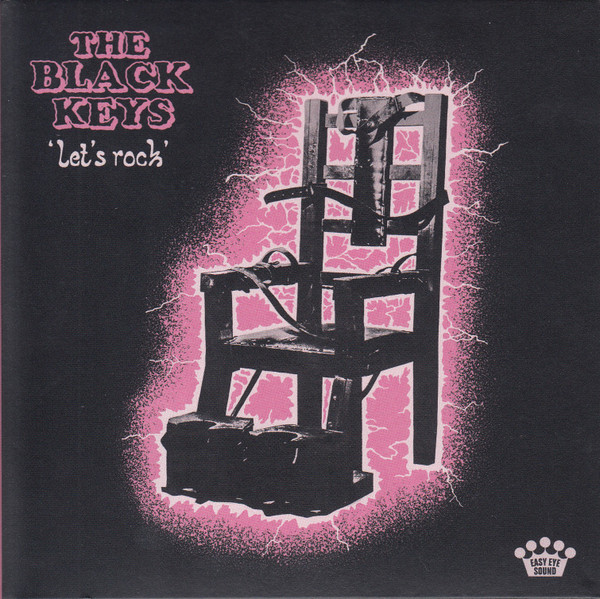
'Let's Rock'
2019

Attack & Release
2008
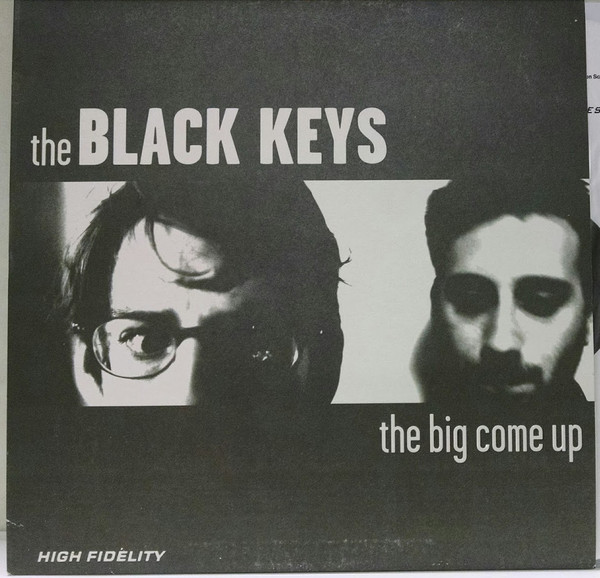
The Big Come Up
2002
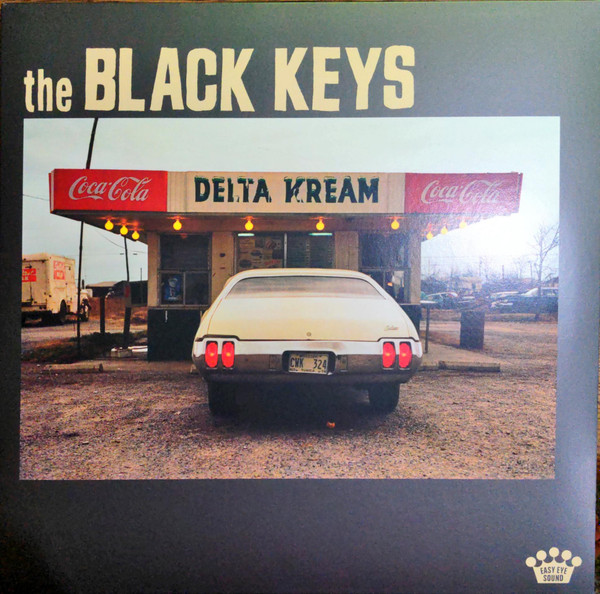
Delta Kream
2021
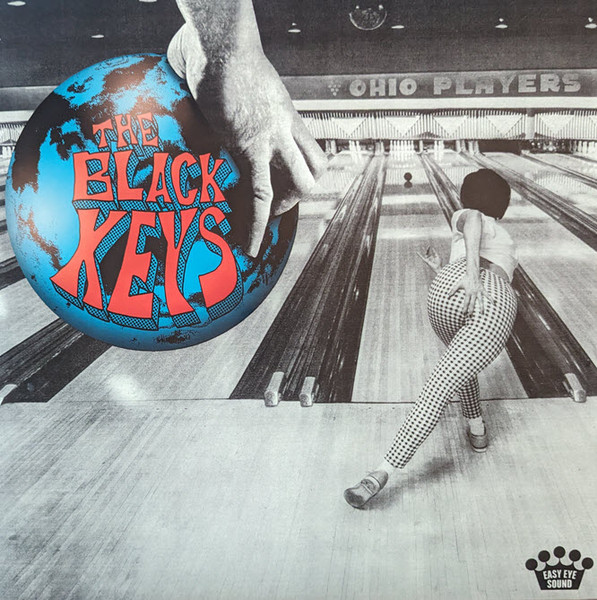
Ohio Players
2024
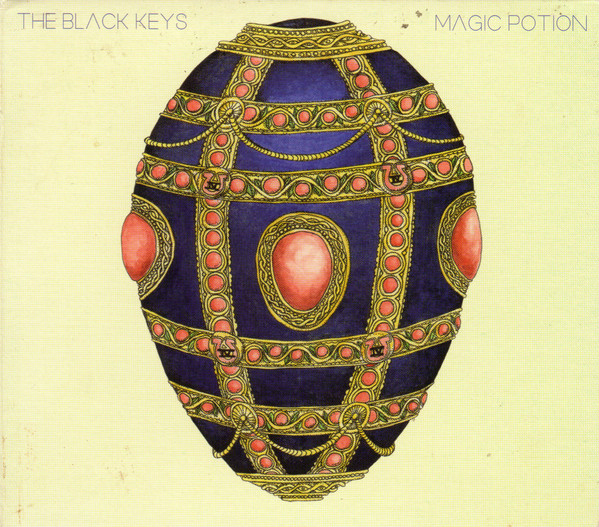
Magic Potion
2006
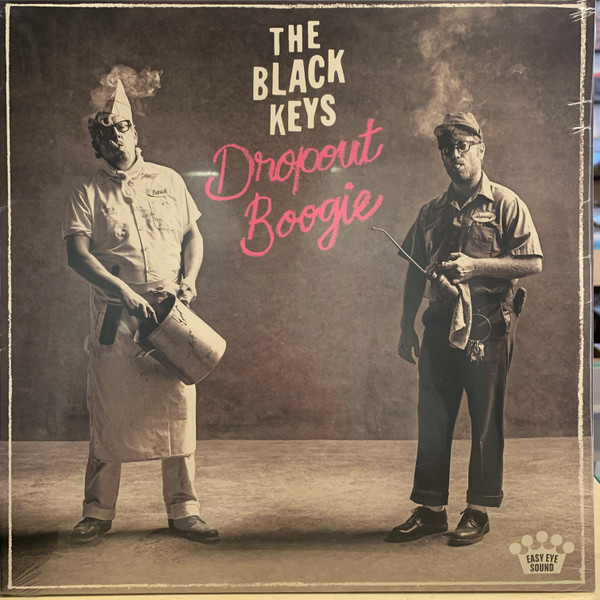
Dropout Boogie
2022
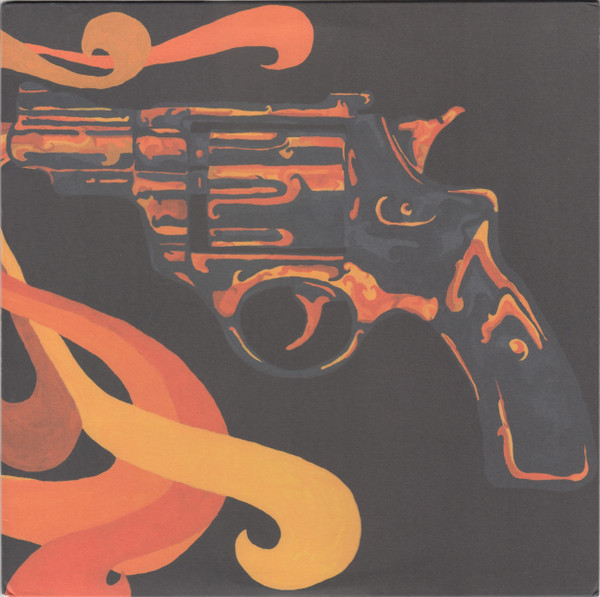
Chulahoma
2006

No Rain, No Flowers
2025

Peaches!
2026
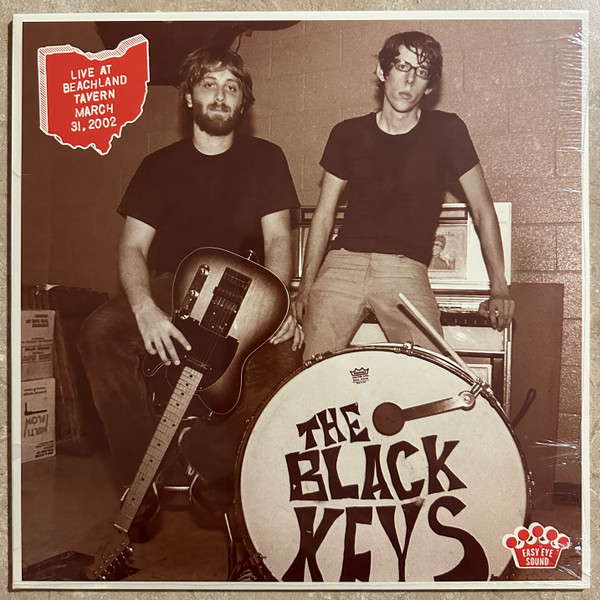
Live At Beachland Tavern March 31, 2002
2022

Lonely Boy B/W Run Right Back
2011
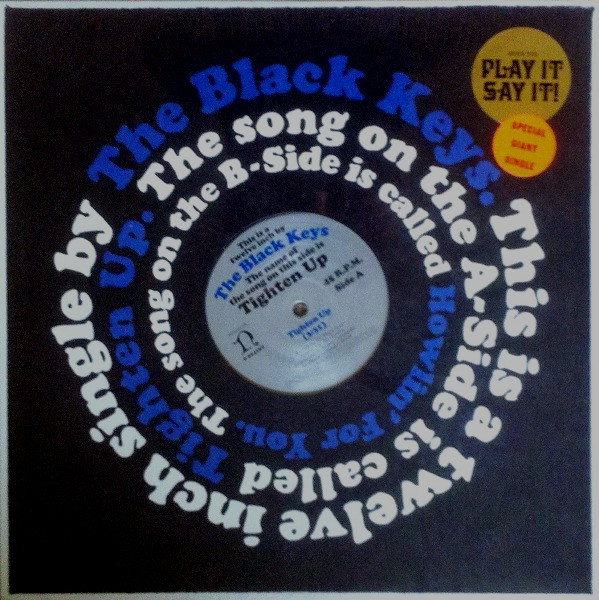
Tighten Up
2010

The Moan / Have Love Will Travel
2002
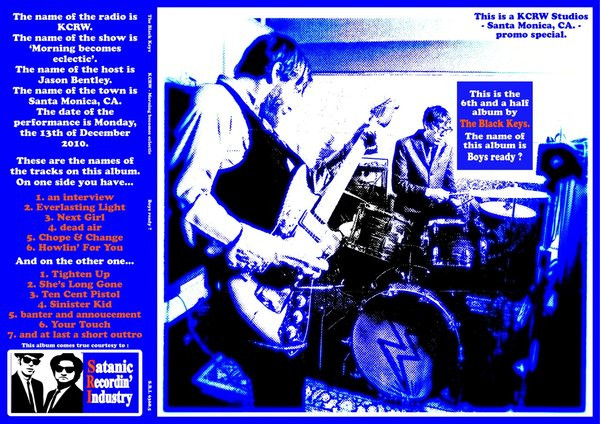
Boys Ready?
2014
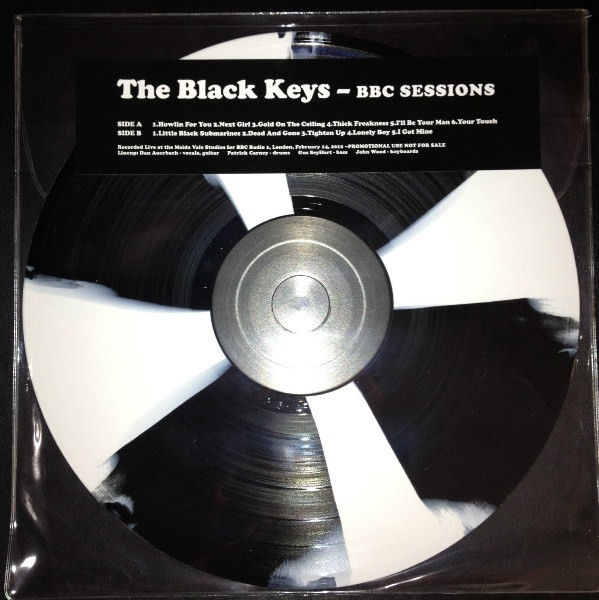
BBC Sessions
2012

A Long Way From Home: Live in Belfort, France
2015

Strange Times
2008
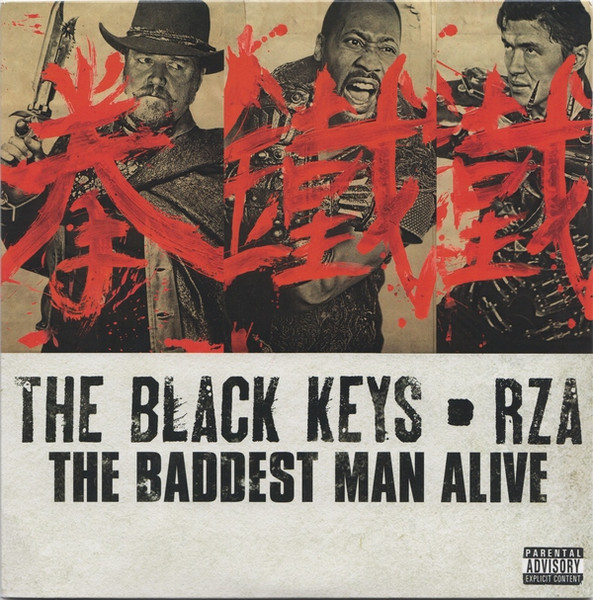
The Baddest Man Alive
2013
Related artists
Members
Around the web
Follow every record they touch.
Start your shelf and Gatefold tracks The Black Keys's new pressings, tour dates, and the whole discography — automatically.
Start your shelf →Free forever. Works with 10 records or 10,000.