
Artist
Art of Noise
London, United Kingdom · 1983 – 2000
Art of Noise is a music group from London, United Kingdom, active 1983–2000. Their discography on Gatefold includes 24 records.
31
Albums tracked
157
In collections
1983
Since
Biography
British art-pop group established in 1983.
The Art Of Noise scored hits with "Beat Box" (1984), "Close (To The Edit) (opens in a new tab)" (1985), "Moments In Love" (1985), "Paranoimia" (1986), and cover versions with guest performers, including guitarist Duane Eddy on a version of Henry Mancini's "Peter Gunn", from album "In Visible Silence" (1986), and Prince (opens in a new tab)'s "Kiss" (1988) featuring singer Tom Jones.
Often cited as a pioneer in commercial electronic music and sampling, TAON used technology to rework the same recordings many times over, a novel approach at the time. Although only a relatively small amount of original material was commercially released during the project's active periods (1983-1989 and 1998-2000), their legacy includes scores of reissues, remixes, and compilations of previously released and unreleased material.
The group began as a project of studio engineer Gary Langan and Fairlight sampler whiz J.J. Jeczalik, who were working together with producer/performer Trevor Horn and pianist/composer/arranger Anne Dudley on several of Horn's productions for other artists. Writer Paul Morley was brought in to tailor the group's image, which was at first that of a faceless "non-group" inspired by early 20th Century modernism.
An acrimonious split in 1985 left the group as a trio, sans Horn and Morley, and with a more tongue-in-cheek musical direction. Langan moved on amicably in 1987, leaving Dudley and Jeczalik to carry on until they too called it quits in 1990. In 1998, Horn, Dudley, and Morley temporarily reformed The Art Of Noise with the addition of guitarist Lol Creme. The resulting album, "The Seduction Of Claude Debussy" (1999), was another attempt to raid the 20th Century's musical forms, this time focusing on the life and work of longtime influence Debussy (opens in a new tab). The group went dormant again in 2000.
The name The Art Of Noise comes from the Futurist artist and composer Luigi Russolo (1885-1947) manifesto "The Art of Noise" (1913), as a tribute his portrait silhouette is also shown on the 12" sleeve of "Legs (UK 1985) (opens in a new tab)" (1985).
Bio from Discogs
Discography
Their records — most-collected first.
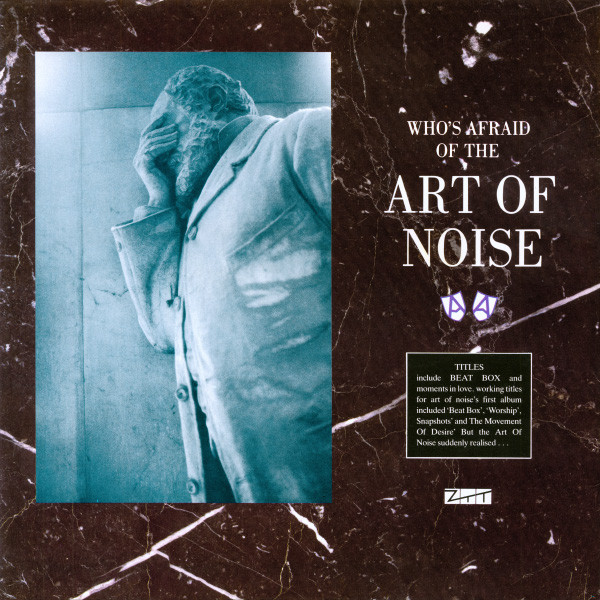
Who's Afraid Of The Art Of Noise
1984
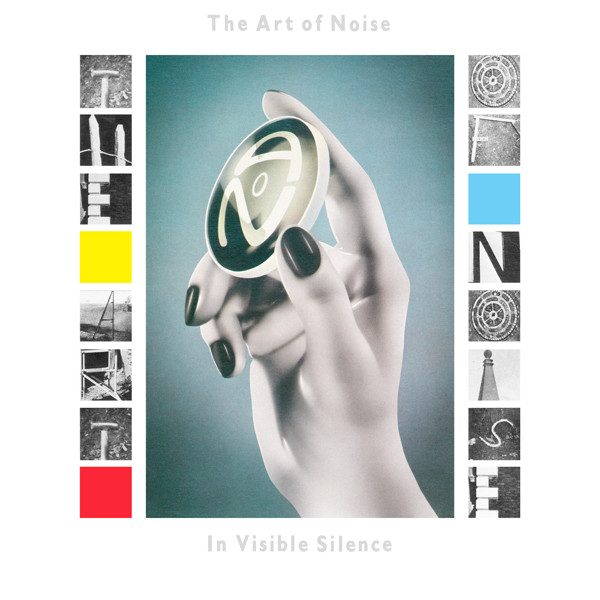
In Visible Silence
1986
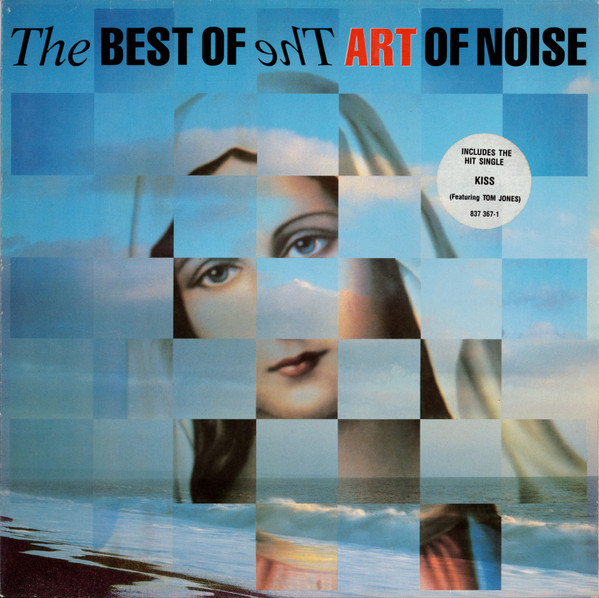
The Best Of The Art Of Noise
1988
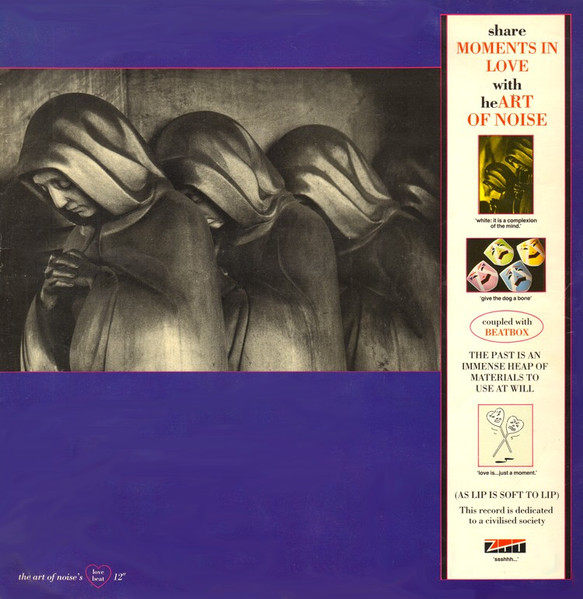
Moments In Love
1985
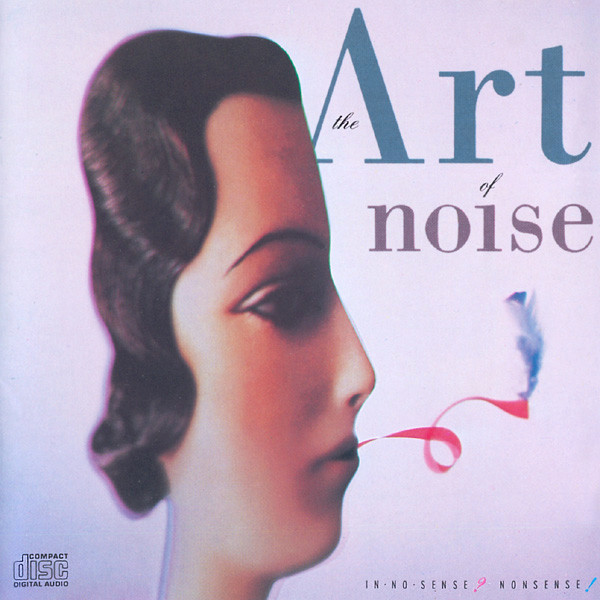
In No Sense? Nonsense!
1987
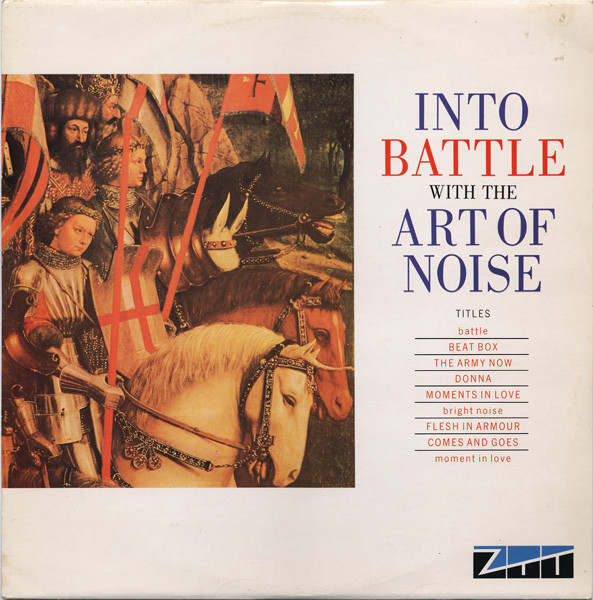
Into Battle With The Art Of Noise
1983
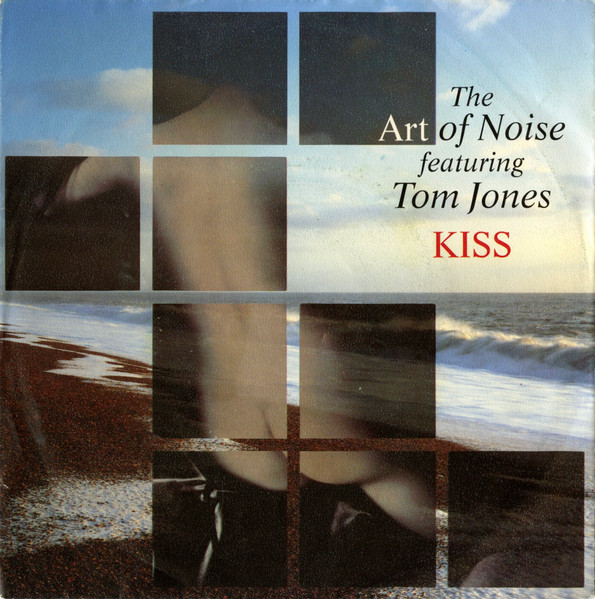
Kiss
1988
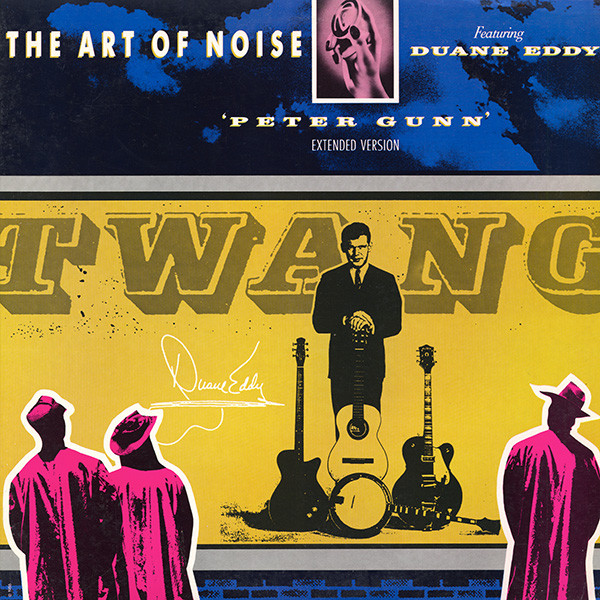
Peter Gunn
1986

Paranoimia
1986
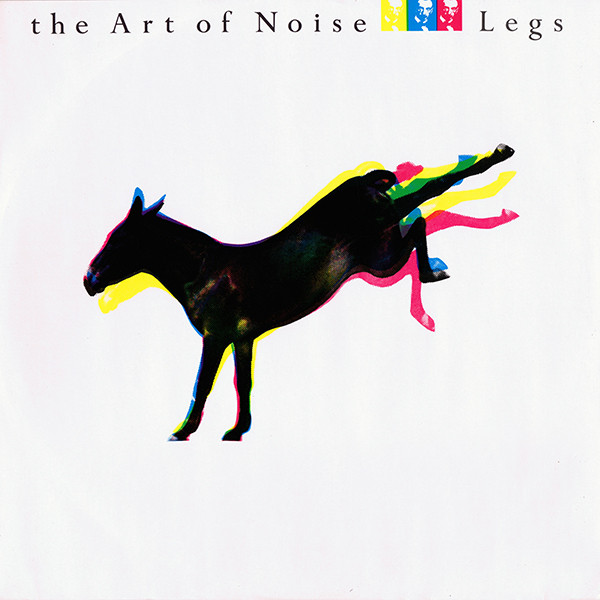
Legs
1985

Close (To The Edit)
1984
Dragnet
1987

Daft
1986
Noise In The City (Live In Tokyo, 1986)
2021
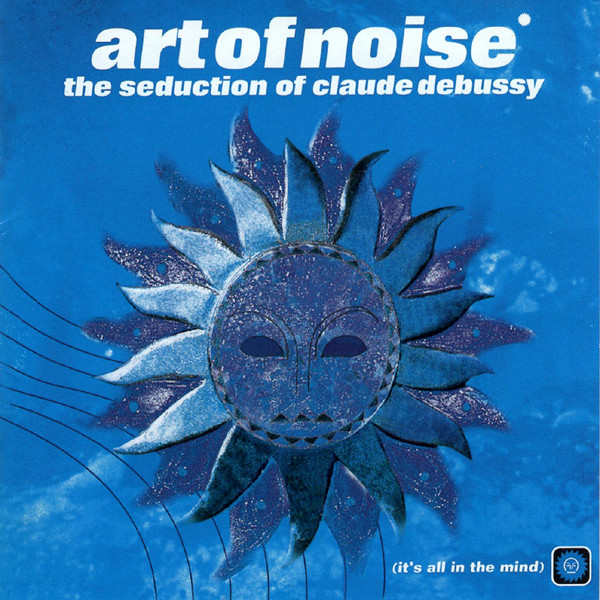
The Seduction Of Claude Debussy
1999

Legacy
1986
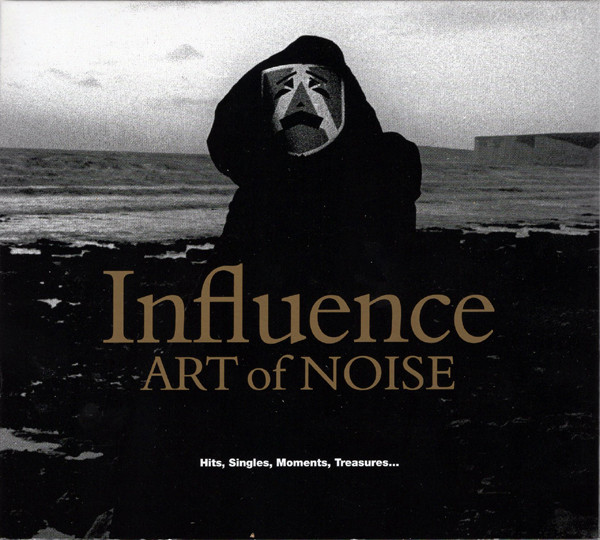
Influence (Hits, Singles, Moments, Treasures…)
2010

And What Have You Done With My Body, God?
2006

The Ambient Collection
1990
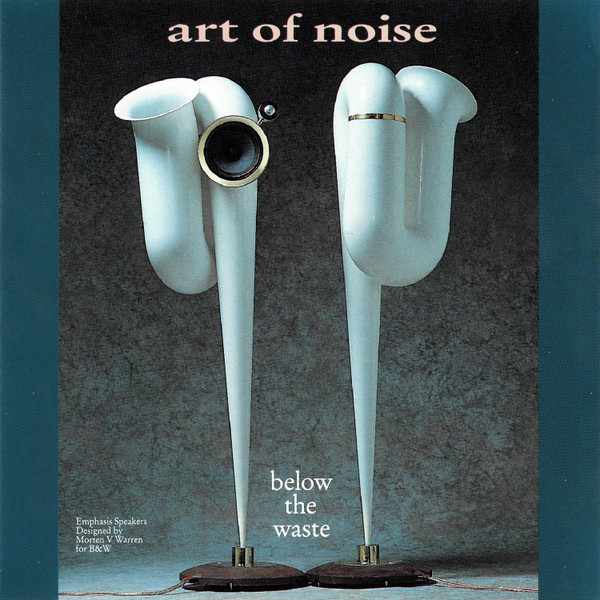
Below The Waste
1989

Yebo!
1989

Paranoimia '89
1989

Beat Box
1984

At The End Of A Century
2015
Related artists
Around the web
Follow every record they touch.
Start your shelf and Gatefold tracks Art of Noise's new pressings, tour dates, and the whole discography — automatically.
Start your shelf →Free forever. Works with 10 records or 10,000.