
Artist
Dire Straits
Deptford, United Kingdom · 1977 – 1995
Dire Straits is a music group from Deptford, United Kingdom, active 1977–1995. Their discography on Gatefold includes 24 records.

35
Albums tracked
1,006
In collections
1977
Since
Biography
Mark Knopfler tracked the first record using a 1961 red Fender Stratocaster straight into a clean Fender Twin Reverb, refusing to touch a single distortion pedal while London was burning through the peak of punk in late 1977. Muff Winwood produced the debut at Pathway Studios in north London on a shoestring budget. While every kid in town was thrashing power chords with two weeks of practice, Knopfler was leaning on four-finger clawhammer picking picked up from country blues 78s. The industry thought it was completely out of step. It sold millions instead. By the mid-eighties they became the accidental poster boys for the compact disc revolution, blowing up into an arena juggernaut Knopfler openly hated managing. They rode pristine digital multi-tracks and neon sweatbands straight to stadium burnout. But strip away the MTV rot and the sheer glut of overplayed radio singles, and you're left with one of the tightest, most rhythmically nuanced pub-rock units to ever get hijacked by major-label excess.
Bio from The Clerk
The Arc of Dire Straits
The pivots — what forced Dire Straits to reinvent.
The Pub-Rock Purists
Cut in a tiny eight-track room in Islington with Muff Winwood behind the board, the early sound was stripped bare of any studio polish. Mark Knopfler, his brother David, John Illsley, and veteran session drummer Pick Withers played tight, understated roots-rock while the rest of England was tearing up the rulebook. You hear it on the debut and Communiqué: bone-dry drums, sparse basslines, and Knopfler's clean Strat snapping through the mix without a single gimmick. It was lean, unpretentious, and completely out of line with 1978 radio.
The Springsteen Drift
David Knopfler walked out during the Making Movies sessions at the Power Station in New York after tensions over the band's direction boiled over. Mark immediately brought in Jimmy Iovine to produce and hired Roy Bittan from the E Street Band to lay down sprawling, dramatic piano chords. The sound shifted from smoky London pubs to widescreen cinematic rock, stretching tracks past the eight-minute mark on Love Over Gold with synth textures from Alan Clark. It was moody, ambitious, and paved the way for arena-scale arrangements.
The Digital Stadium Monopoly
Producer Neil Dorfsman took them to AIR Studios in Montserrat to track Brothers in Arms on a Sony 24-track digital tape machine, changing their sonic footprint forever. They swapped gritty roots for pristine digital punch, Terry Williams got largely replaced on drums by session ace Omar Hakim, and Sting showed up to sing the MTV falsetto hook. The record became the ultimate showroom demo for the CD format and turned them into a global stadium monster. It made them filthy rich and completely exhausted Knopfler's patience for the machine.
The Exhausted Hangover
After a massive hiatus, Knopfler reconvened the core lineup in 1990 to track On Every Street, but the magic had worn thin. Produced by Knopfler and Alan Clark, the sessions leaned heavy into pedal steel, rockabilly swing, and muted blues rather than chasing another blockbuster pop single. The massive two-year world tour that followed was a bloated, soul-crushing logistical circus that killed the band for good. Knopfler walked away in 1995 to score films and play roots music on his own terms, burying the name permanently.
Influences
- J.J. Cale — Knopfler has repeatedly cited Cale's laid-back Tulsa shuffle and whisper-quiet vocal delivery as the primary template for his early songwriting. You hear the direct blueprint on 'Down to the Waterline' and 'Setting Me Up', where the groove breathes instead of pushes. Without Cale, there is no Dire Straits vocal style.
- Bob Dylan — Dylan was such an obvious pillar for Knopfler's talk-sing phrasing and street-level narratives that Dylan himself hired Knopfler and Pick Withers to back him on 1979's Slow Train Coming. The half-spoken cadence and sprawling character sketches on 'Wild West End' and 'Romeo and Juliet' come straight from Highway 61 Revisited. It is pure narrative blues filtered through a British lens.
- Chet Atkins — Knopfler developed his signature clawhammer fingerpicking by studying Atkins' thumb-and-three-finger country style on acoustic guitars as a teenager, later cutting the collaborative album Neck and Neck with him in 1990. That thumb-slap bass and rolling treble picking is the engine behind every single clean fill on 'Sultans of Swing'. He translated country-style fingerpicking directly onto a solidbody electric.
- B.B. King — Knopfler spent years analyzing King's vocal-style vibrato and his disciplined refusal to play unnecessary notes during a solo. You hear it all over the phrasing on 'Water of Love', where the guitar responds to each vocal line like a second singer rather than a standard lead. It taught him the value of dead space between the licks.
- The Everly Brothers — The acoustic bedrock and tight brother-duo rhythm guitar interplay between Mark and David Knopfler on the first two records was directly lifted from the Everlys' late-fifties Cadence tracks. You can hear that rhythmic strumming foundation driving 'Six Blade Knife' and 'Southbound Again'. Mark eventually wrote 'Why Worry' with their harmony style specifically in mind.
Discography
Their records — most-collected first.
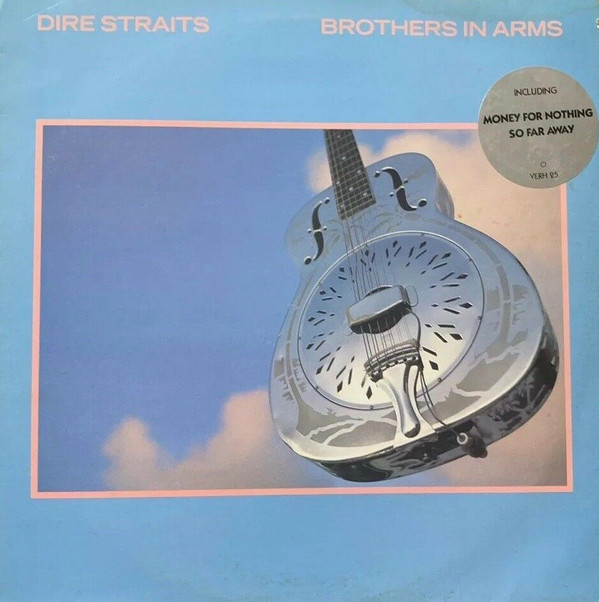
Brothers In Arms
1985
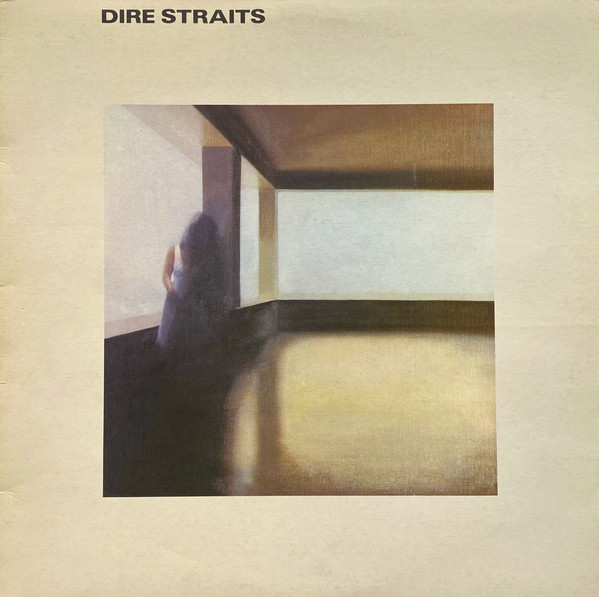
Dire Straits
1978
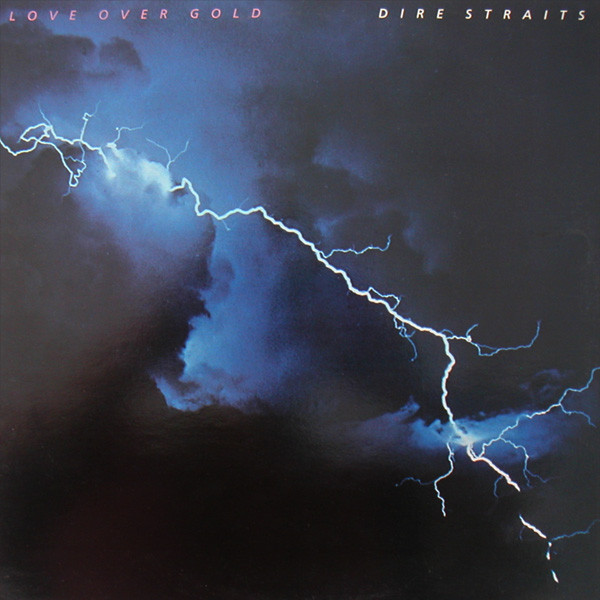
Love Over Gold
1982
Making Movies
1980
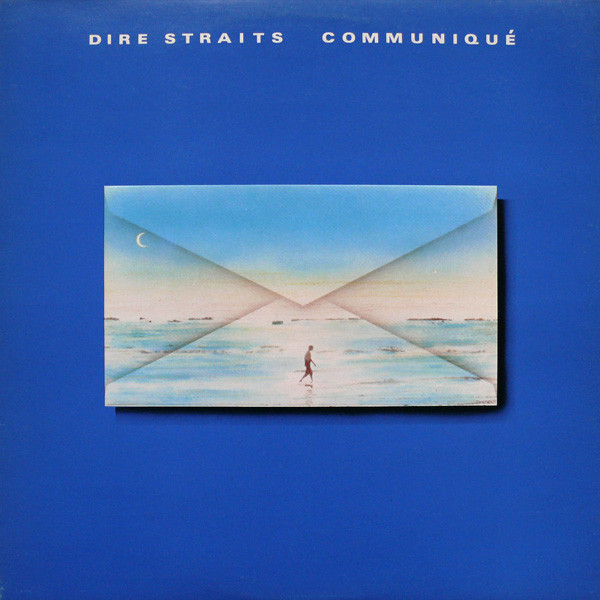
Communiqué
1979
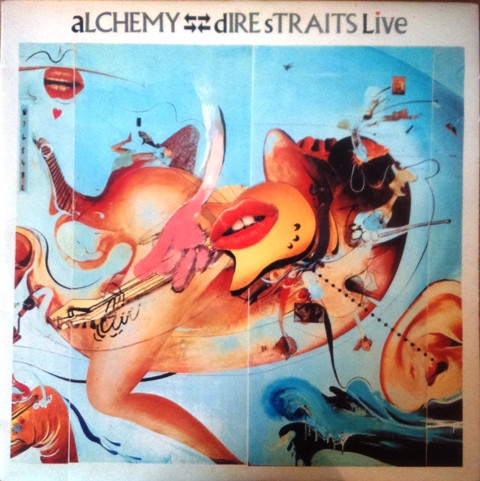
Alchemy - Dire Straits Live
1984
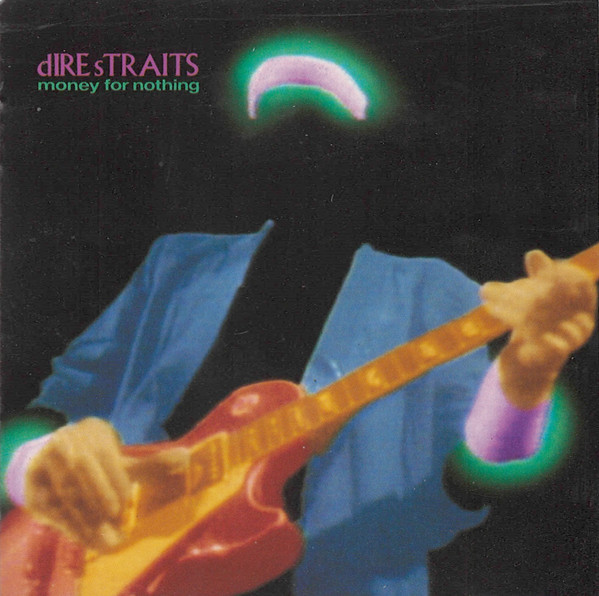
Money For Nothing
1988
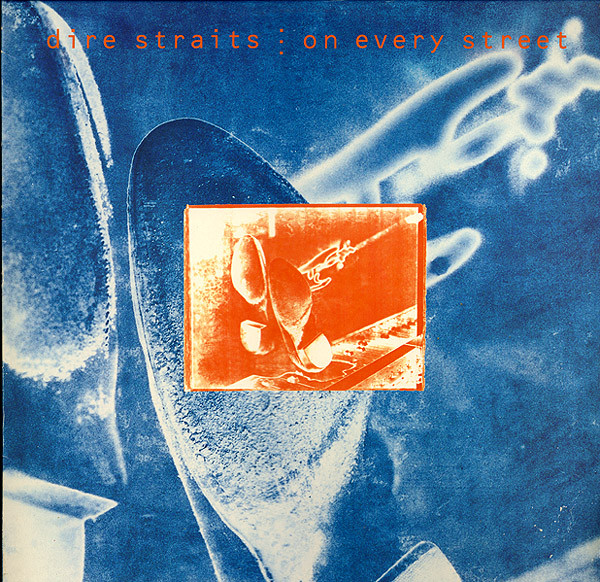
On Every Street
1991
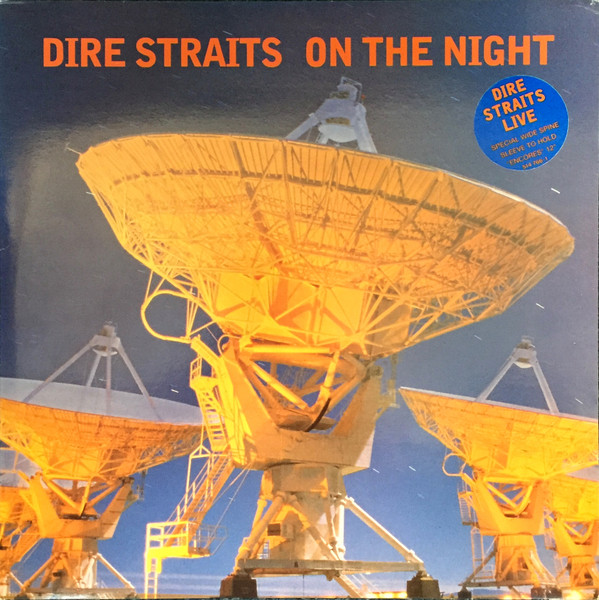
On The Night
1993
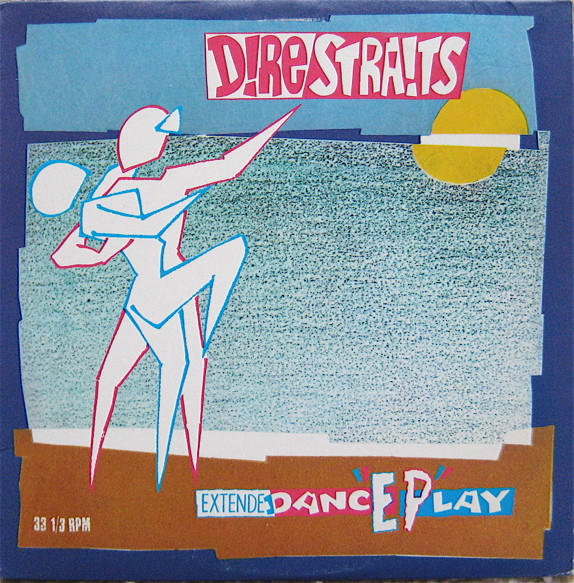
ExtendeDancEPlay
1982
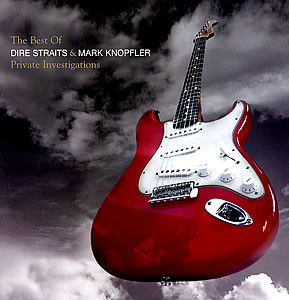
Private Investigations - The Best Of
2005

Sultans Of Swing (The Very Best Of Dire Straits)
1998
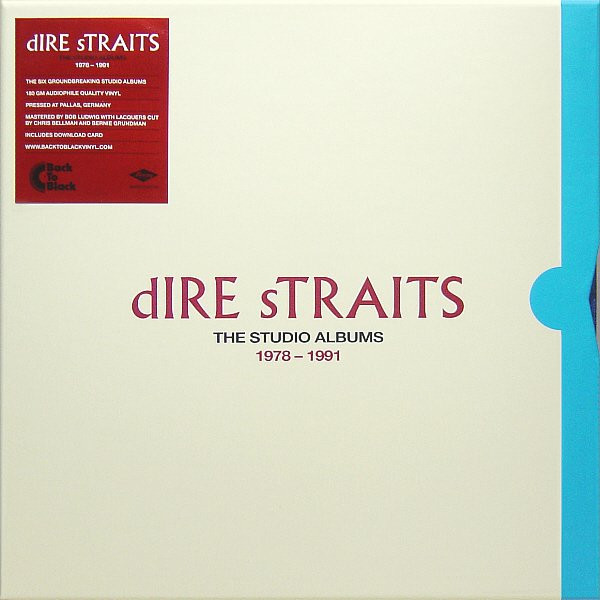
The Studio Albums 1978 - 1991
2013

Sultans Of Swing
1978
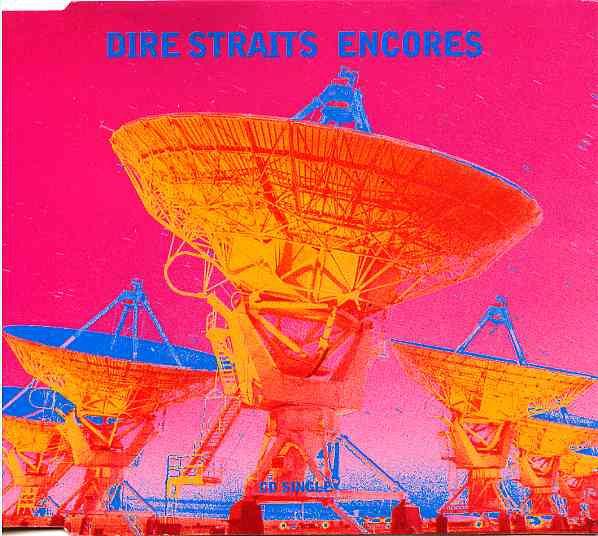
Encores
1993
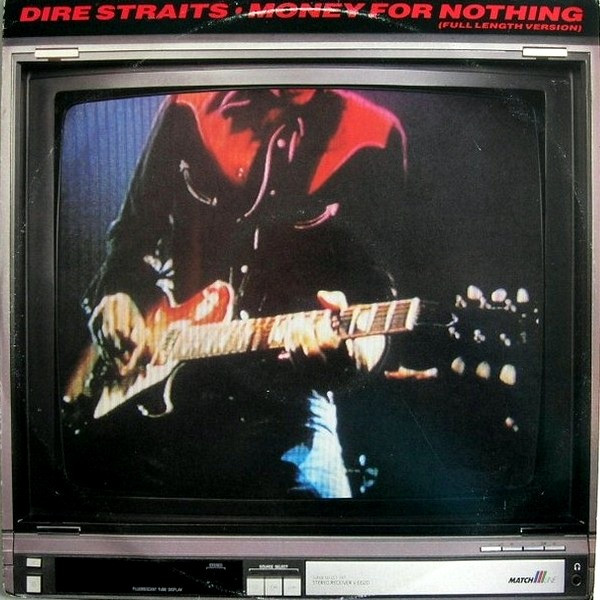
Money For Nothing
1985

Live At The BBC
1995
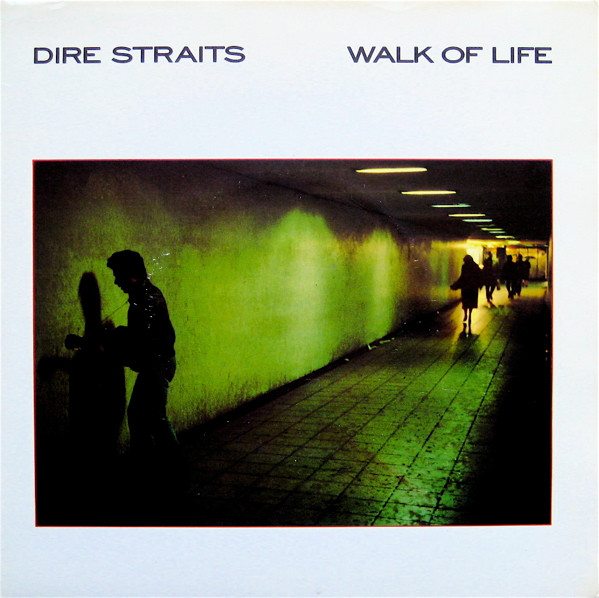
Walk Of Life
1985
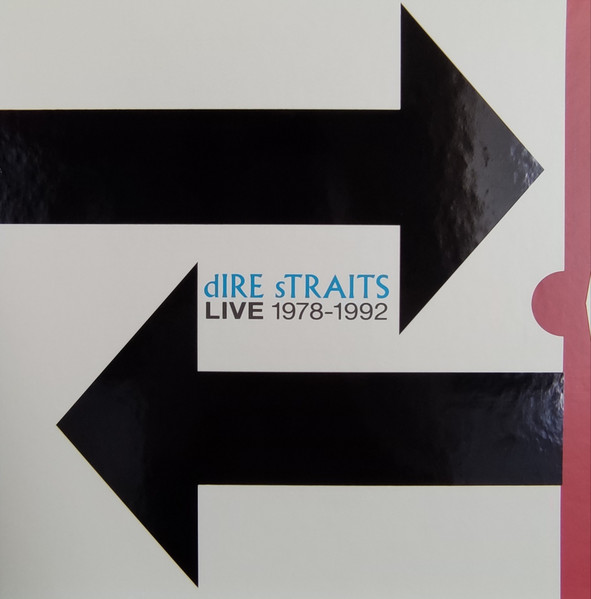
Live 1978-1992
2023

Your Latest Trick
1986
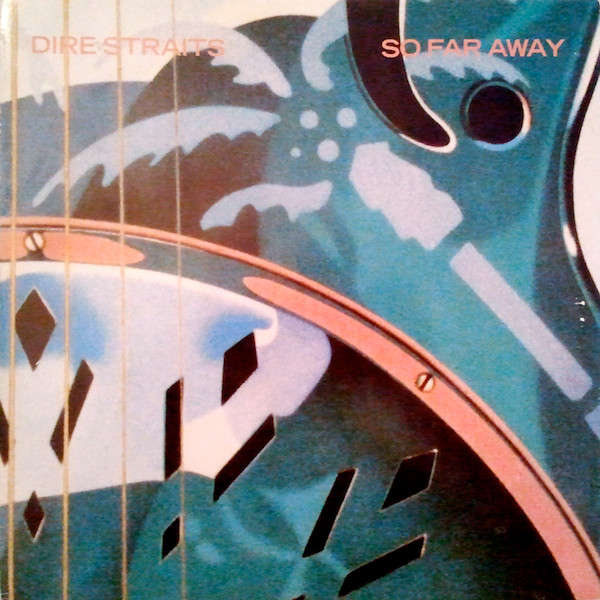
So Far Away
1985

Private Investigations
1982

Tunnel Of Love (Part 1 & 2)
1980

Brothers In Arms + On Every Street
2009
Related artists
Around the web
Follow every record they touch.
Start your shelf and Gatefold tracks Dire Straits's new pressings, tour dates, and the whole discography — automatically.
Start your shelf →Free forever. Works with 10 records or 10,000.