
Artist
Steely Dan
group founded by Walter Becker and Donald Fagen
New York City, United States · Formed 1972
Steely Dan is a music group from New York City, United States, active since 1972. Their discography on Gatefold includes 24 records.

38
Albums tracked
1,185
In collections
1972
Since
Biography
Roger Nichols spent the better part of the seventies building a digital drum machine called Wendel because no human drummer could keep time to Donald Fagen and Walter Becker’s satisfaction. They spent forty hours in the studio just trying to get a single snare hit right on 'Gaucho' and burnt through eight different guitarists for the solo on 'Peg' before settling on Jay Graydon. It wasn't about being 'pro'—it was a deep, clinical obsession with removing every trace of human error from the tape. Most bands wanted to capture a moment; the Dan wanted to manufacture a perfect, airless reality that only existed in their heads. By the time they hit 'Aja,' they weren't even a band anymore. They were two guys with a checkbook and a directory of the best session players in L.A., treating people like Bernard Purdie and Larry Carlton like pieces of high-end gear. They ditched the road early because the stage was too messy for their arrangements. If you’re looking for soul, you’re in the wrong aisle—this is high-fidelity sarcasm delivered with the most expensive session fees in the history of ABC and MCA Records.
Bio from The Clerk
The Arc of Steely Dan
The pivots — what forced Steely Dan to reinvent.
The Working Quintet
Before they retreated into the studio, they were a real touring unit with Jeff 'Skunk' Baxter and Denny Dias providing a dual-lead guitar attack that actually felt like rock and roll. Can’t Buy a Thrill and Countdown to Ecstasy have some dirt under the fingernails because the label insisted they function like a normal group. You hear it in the frantic energy of 'Bodhisattva'—a band playing together in a room before Fagen decided he didn't want to share the mic with David Palmer anymore. Once they realized they could fire the band and hire the best freelancers in the world, the internal chemistry was traded for surgical precision.
The Session Monopoly
The shift on Pretzel Logic and Katy Lied marks the point where Becker and Fagen started treating the studio like a laboratory. They brought in Michael McDonald for backing vocals and Jeff Porcaro for drums, effectively turning the band into a revolving door for the jazz-fusion elite. This era is defined by the 'Purdie Shuffle' and a obsession with the DBX noise reduction system to keep the tracks dead quiet. It’s the sound of two guys trying to bridge the gap between Duke Ellington’s sophistication and the slickest pop production ever put to two-inch tape.
The Digital Burnout
Gaucho was the end of the line, a record so expensive and difficult to make that it literally broke the partnership for twenty years. Between Becker’s health issues and the accidental erasure of the track 'The Second Arrangement,' the session became a war of attrition against the limitations of analog technology. They pushed the fidelity so far that there was nowhere left to go but silence. After a final legal battle with the label over the list price of the album, they walked away from the perfection they’d finally achieved, leaving behind the most polished, cynical pop record ever cut.
Influences
- Duke Ellington — Fagen has repeatedly cited Ellington as the blueprint for his 'orchestral' approach to small-group arrangements. You hear it in the complex horn voicings on Aja, where the brass moves like a single, sophisticated organism. It’s big-band architecture hidden inside a rock-and-roll frame.
- Horace Silver — The piano intro to 'Rikki Don't Lose That Number' is a direct lift from Silver's 'Song for My Father.' That Blue Note hard-bop sensibility is the foundation for almost every groove they ever wrote. They took Silver’s funk-jazz swing and cleaned it up for the FM radio dial.
- The Blue Notes — They were obsessed with the sophisticated arrangements of 1950s vocal groups and the jazz-inflected soul of the early 60s. That influence is why Michael McDonald’s backing vocals fit so perfectly on 'Peg' and 'Bad Sneakers.' It’s that tight, multi-layered harmony that makes the tracks feel so incredibly expensive.
- Charlie Parker — Becker was a total bebop obsessive who grew up trying to mimic Parker’s phrasing on the saxophone before switching to bass and guitar. That bebop DNA is why their solos never follow standard blues scales. They’re playing jazz changes over pop chords, and Parker is the guy who taught them how to navigate those notes.
- Bob Dylan — While the music was jazz, the lyrics were pure 1965 Dylan—biting, obscure, and full of drug-damaged characters. Fagen’s vocal delivery is a direct descendant of the Dylan sneer, favoring attitude and phrasing over traditional prettiness. They wanted to write Highway 61 Revisited if it had been arranged by a bunch of Juilliard dropouts.
Discography
Their records — most-collected first.
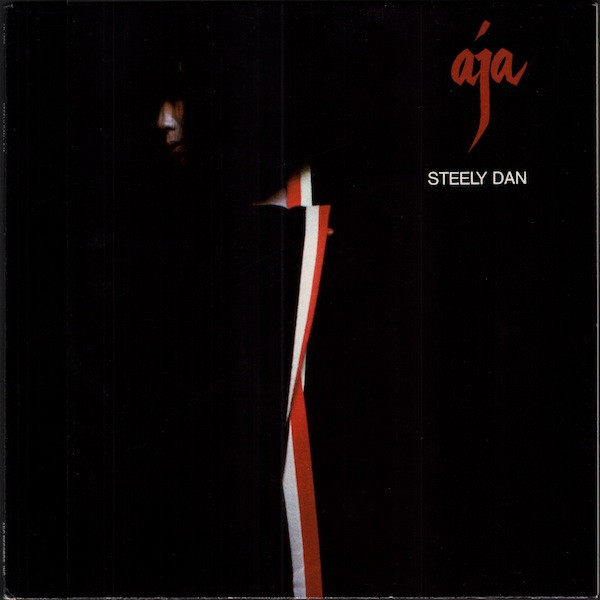
Aja
1977
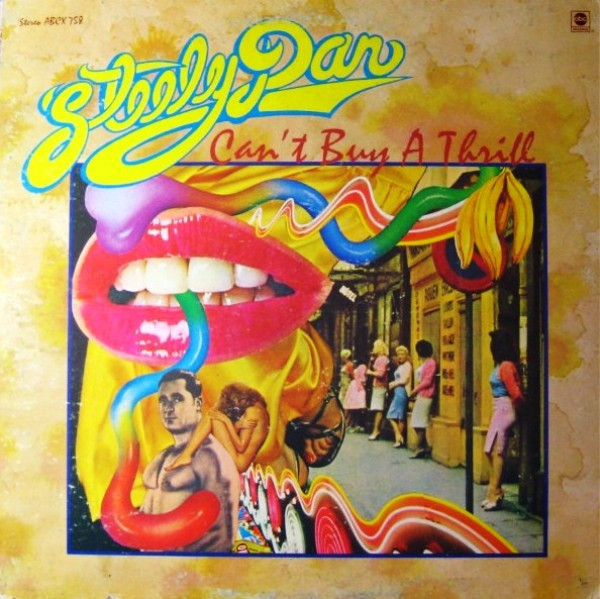
Can't Buy A Thrill
1972
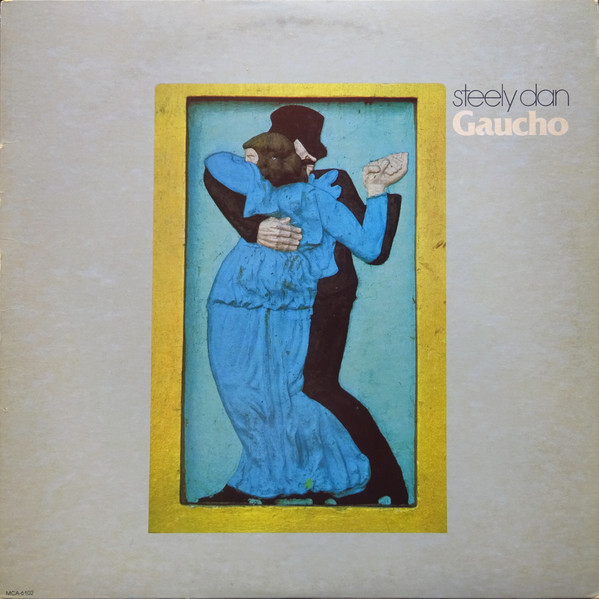
Gaucho
1980
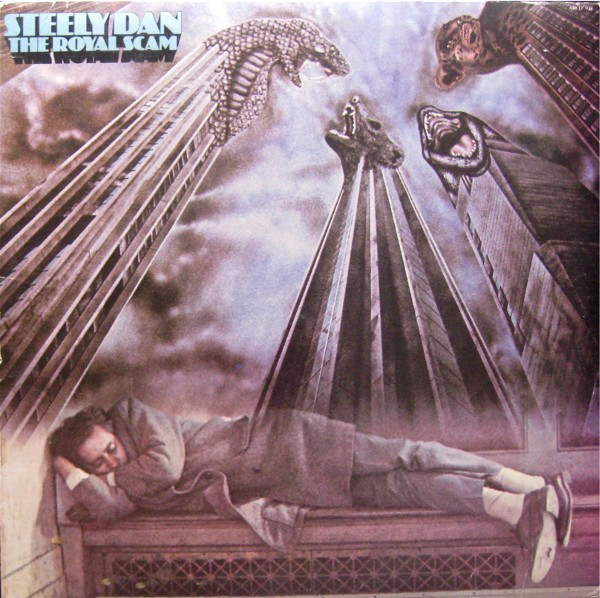
The Royal Scam
1976
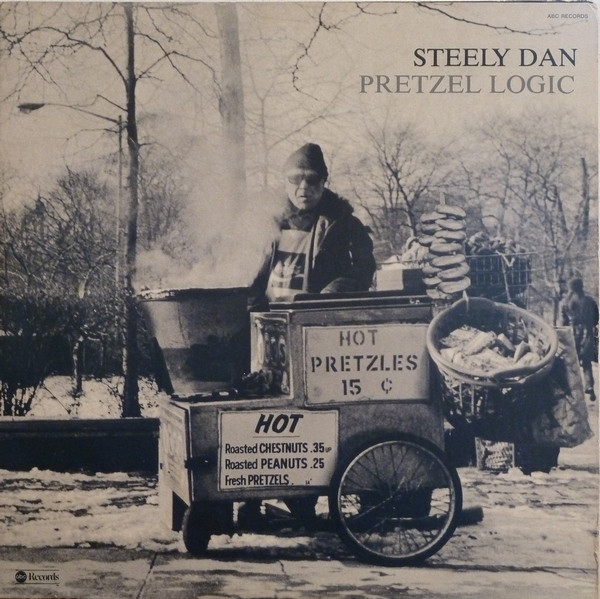
Pretzel Logic
1974
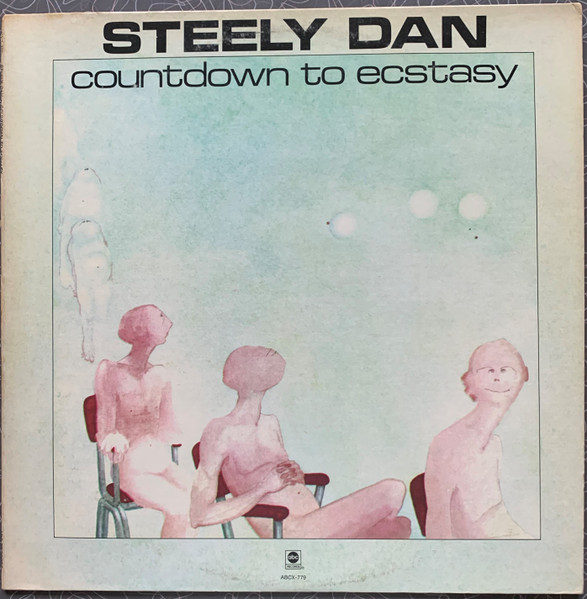
Countdown To Ecstasy
1973
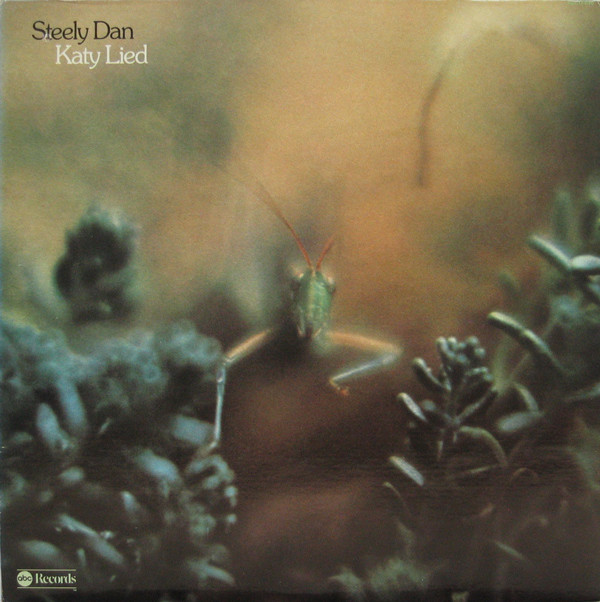
Katy Lied
1975
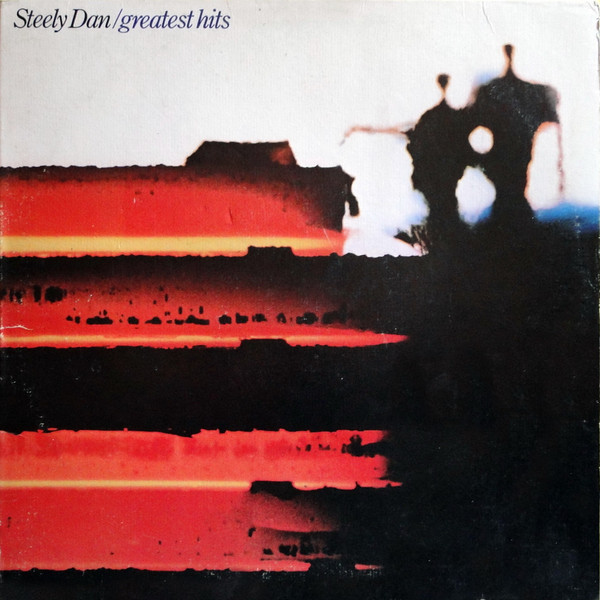
Greatest Hits
1978
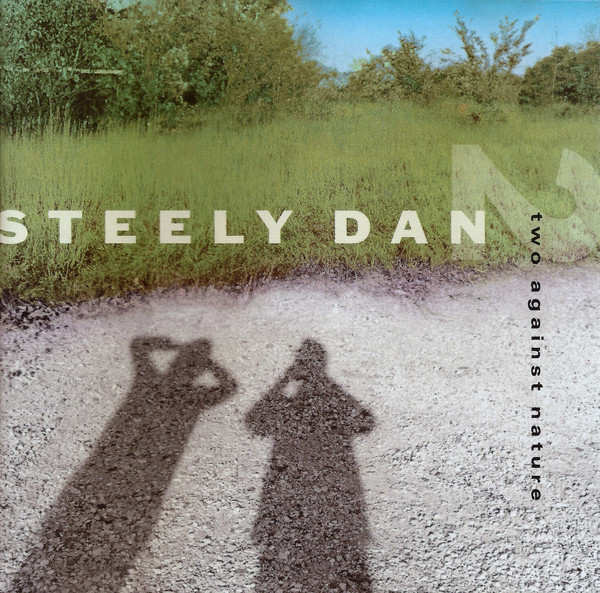
Two Against Nature
2000
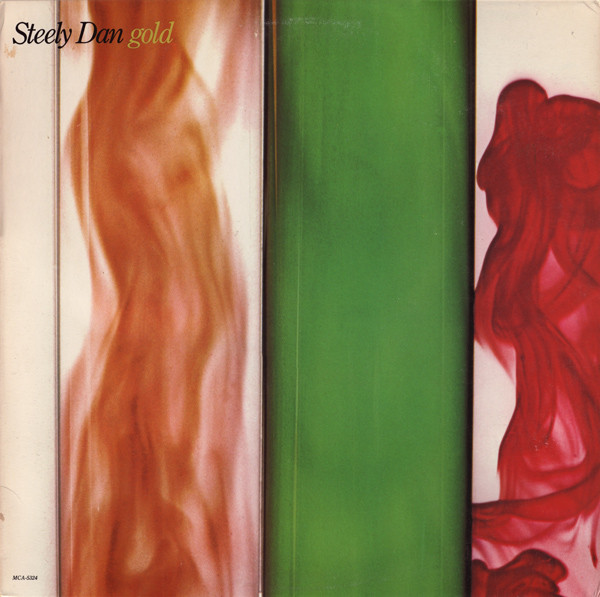
Gold
1982
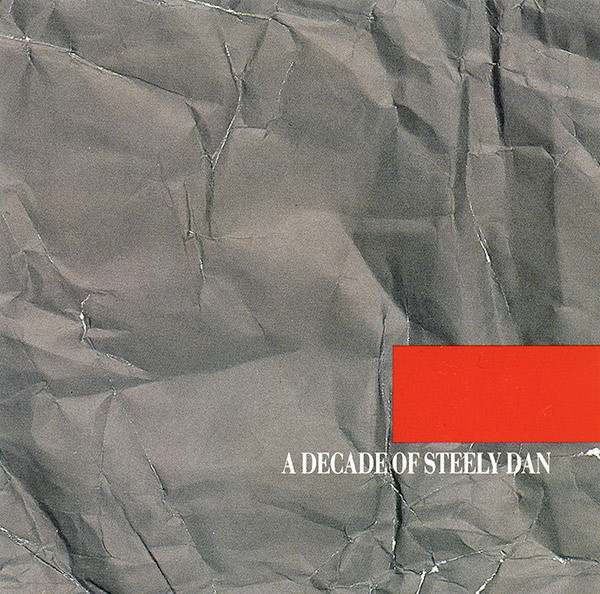
A Decade Of Steely Dan
1985

Everything Must Go
2003

Alive In America
1995

Northeast Corridor: Steely Dan Live!
2021

Showbiz Kids (The Steely Dan Story 1972-1980)
2000
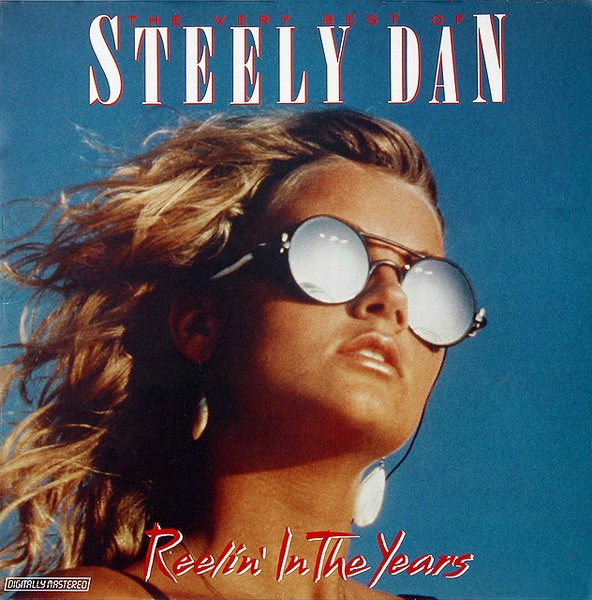
The Very Best Of Steely Dan - Reelin' In The Years
1985
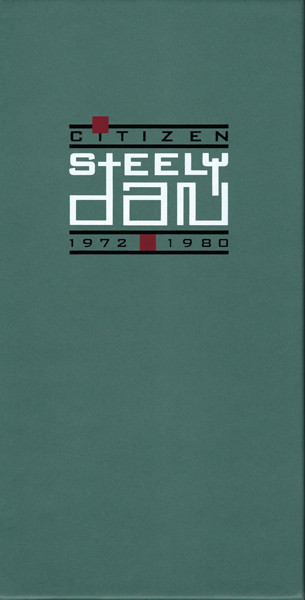
Citizen Steely Dan 1972-1980
1993
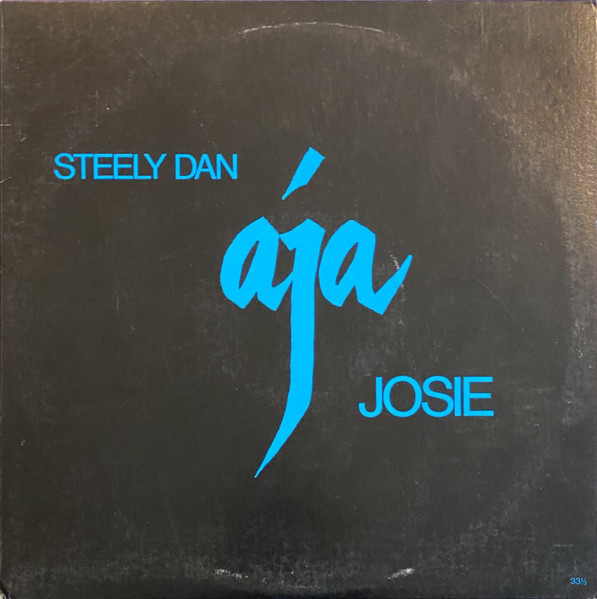
Josie
1977

Memphis Blues Again
1994

Remastered • The Best Of Steely Dan (Then And Now)
1993

Time Out Of Mind
1981

FM (No Static At All)
1978

Live At The Rainbow May 20, 1974
2012

The Definitive Collection
2006
Related artists
Members
Frequent collaborators
Around the web
Follow every record they touch.
Start your shelf and Gatefold tracks Steely Dan's new pressings, tour dates, and the whole discography — automatically.
Start your shelf →Free forever. Works with 10 records or 10,000.