
Artist
Donald Fagen
Passaic, United States · b. 1948
Donald Fagen is a musician from Passaic, United States, active since 1948. Their discography on Gatefold includes 8 records. They also recorded with Steely Dan.

35
Albums tracked
1,314
In collections
1948
Since
Biography
Roger Nichols spent months building a custom digital drum sampler called Wendel just to satisfy Donald Fagen's obsession with metronomic precision. That was the tax for tracking at Sound City and Automated Sound in 1981. Fagen drove Gary Katz and a roomful of top-tier session pros to the brink of insanity to turn mid-century suburban dread into immaculately clinical jazz-pop. He spent a decade treating the studio as a hermetic laboratory, discarding world-class guitar solos by the dozen if the pocket shifted by a fraction of a millisecond. When Steely Dan officially imploded under the weight of perfectionism and burnout, Fagen didn't loosen up—he doubled down. The solo work stripped away Walter Becker's barbed cynicism in favor of technocratic sci-fi daydreams, cold-war nostalgia, and neurotic aging. The output slowed to a crawl, but the baseline standard for session musicianship never dropped a millimeter. He turned clinical fastidiousness into an art form, making paranoia sound smoother than expensive velvet.
Bio from The Clerk
The Arc of Donald Fagen
The pivots — what forced Donald Fagen to reinvent.
The Digital Clean Room
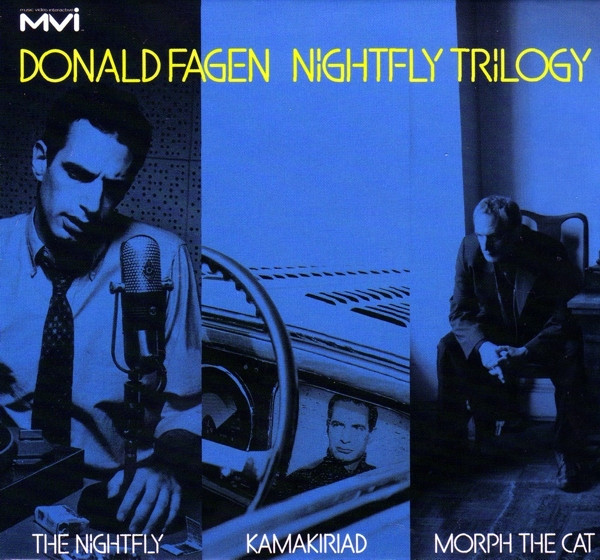
After Steely Dan splintered following Gaucho, Fagen reconvened producer Gary Katz and engineer Roger Nichols to craft 1982's The Nightfly. Tracking on experimental 3M 32-track digital tape machines, Fagen swapped the band's trademark acid-tongued sleaze for late-night Cold War optimism and suburban jazz nerd memories. Nichols used the Wendel sampler to enforce mechanical drum perfection across tracks like 'Ruby Baby' and 'I.G.Y.' The resulting record set the benchmark for pristine, ultra-clean eighties studio fidelity.
The Becker Reunion in the Future
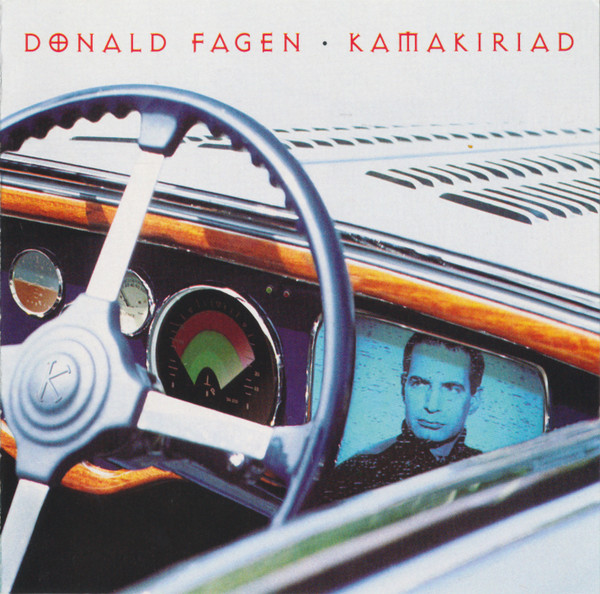
Paralyzed by severe writer's block for over a decade, Fagen finally returned in 1993 by bringing Walter Becker in to produce Kamakiriad. The record was a full-blown concept album about an eco-futuristic steam-powered car cruising through a techno-dystopian highway. Becker's production relied heavily on dry funk grooves, programmed sequencing, and lean, tightly pocketed arrangements. That studio collaboration directly ended their estrangement and laid the groundwork for Steely Dan's full-scale touring revival.
The Late-Career Mortality Trilogy
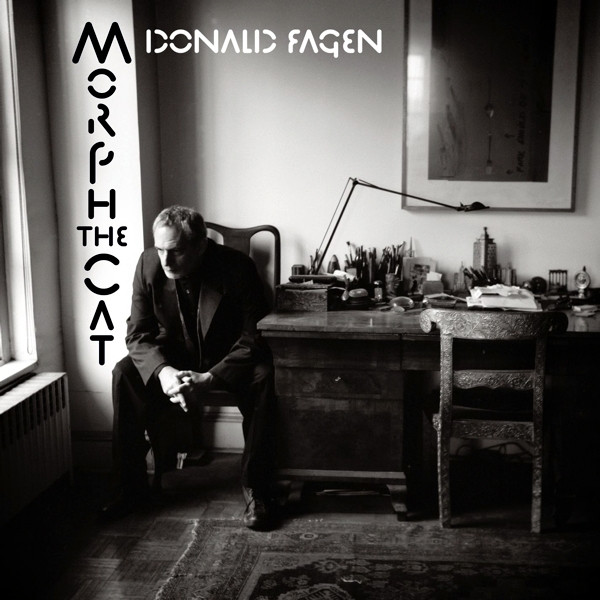
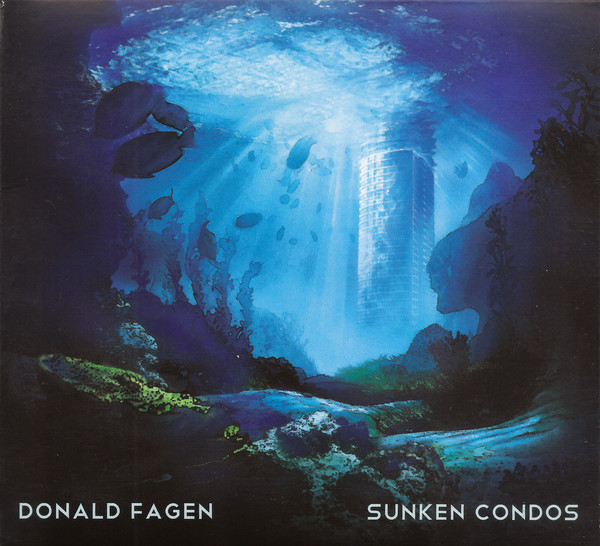
Stepping back to solo tracking in the 2000s, Fagen turned his obsessive gaze toward grief, aging, and post-9/11 Manhattan on 2006's Morph the Cat. Working at Avatar Studios with bassist Freddie Washington and Wayne Krantz, he pushed the low-end frequencies to subterranean, menacing levels. He closed out his formal four-album cycle with 2012's Sunken Condos, trading heavy digital sheen for co-producer Michael Leonhart's earthy, vibraphone-heavy soul-jazz textures. It proved his neuroses could age gracefully without losing their caustic bite.
Influences
- Horace Silver — Fagen grew up obsessively studying Silver's Blue Note recordings and hard-bop piano voicings. You can hear Silver's rhythmic bounce and crisp left-hand comping all over 'The Nightfly' and 'Green Flower Street.' It is the primary engine behind his sense of harmonic swing.
- Ray Charles — Fagen explicitly modeled his vocal delivery on Charles's gritty, gospel-inflected phrasing and covered 'Ruby Baby' through that precise R&B lens. The blues-drenched Wurlitzer solos across his catalog come straight from the Atlantic-era Charles playbook. It gave his hyper-intellectual chords a necessary gut punch.
- Sonny Rollins — Rollins was a personal hero whom Fagen and Becker famously hired to blow tenor sax solos on 'Aja.' Rollins's melodic architecture and thematic improvising directly informed Fagen's strict rules for horn arrangements. Every solo on a Fagen session had to tell a structural story, never just fill dead air.
- Duke Ellington — Ellington's sophisticated big-band orchestrations served as the textbook for Fagen's dense brass arrangements. The complex chord voicings and countermelodies on tracks like 'Maxine' mirror Ellington's approach to harmonic color. Fagen essentially treated five-piece horn sections like mini Ellington orchestras.
- The Coasters — Fagen was obsessed with the Leiber and Stoller productions cut for The Coasters, explicitly covering their hit 'Ruby Baby' on his solo debut. That influence shows up in the sharp, sardonic lyrical character sketches and tight vocal harmonizing. It kept his music rooted in golden-era radio pop even when the chords got impossibly complex.
Donald Fagen — solo
Their records — most-collected first.




Steely Dan
A project Donald Fagen was part of.
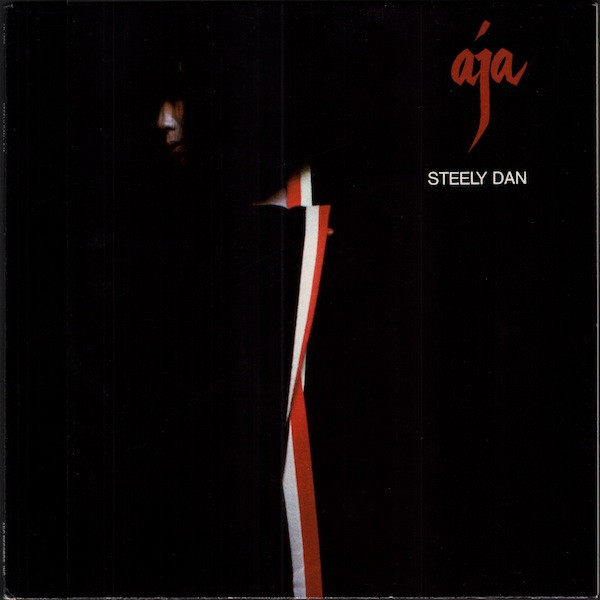
Aja
1977
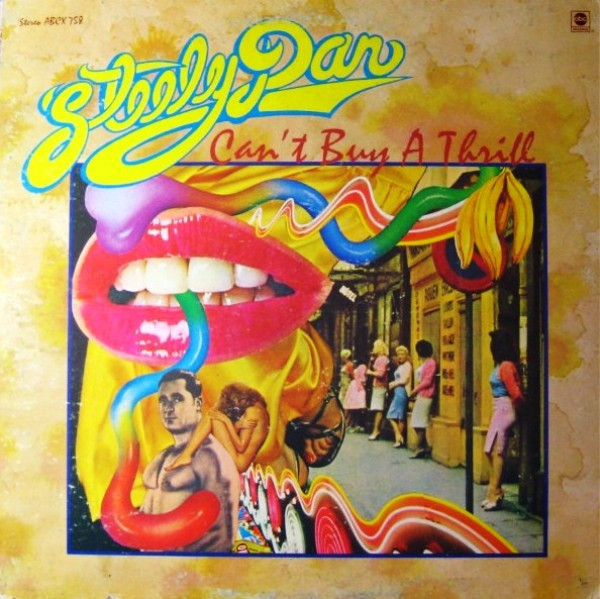
Can't Buy A Thrill
1972
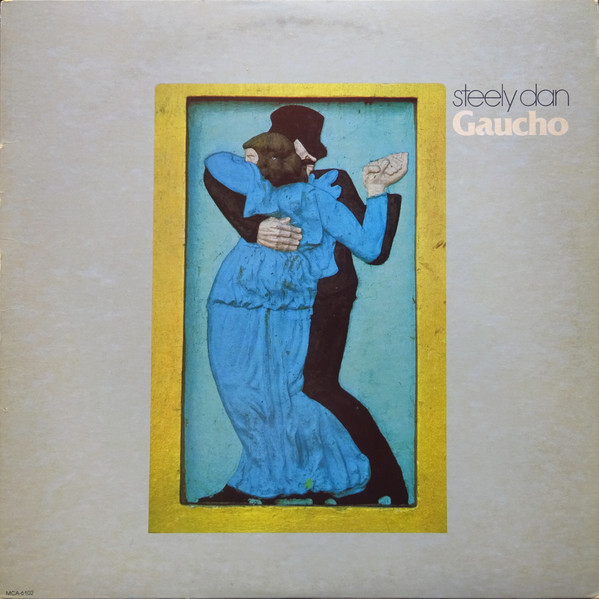
Gaucho
1980
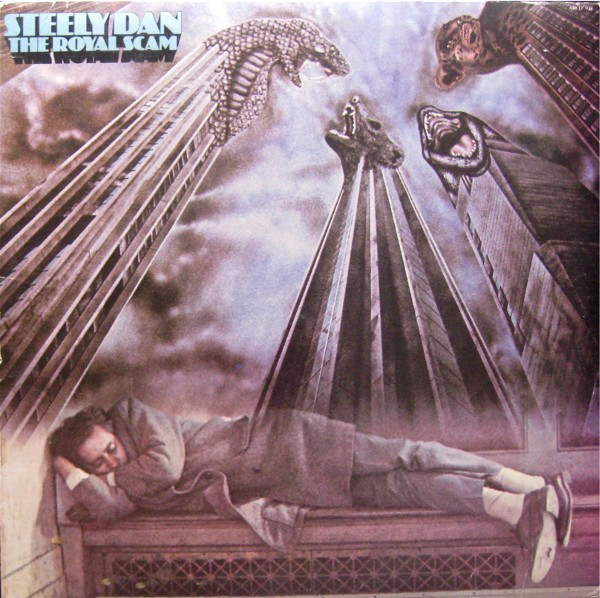
The Royal Scam
1976
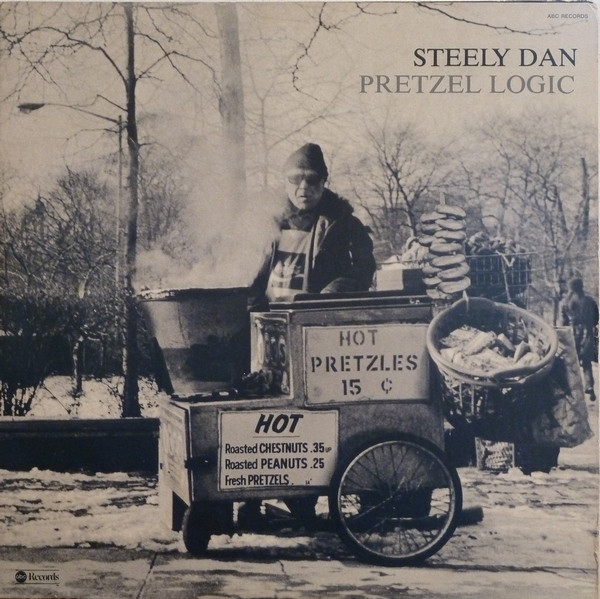
Pretzel Logic
1974
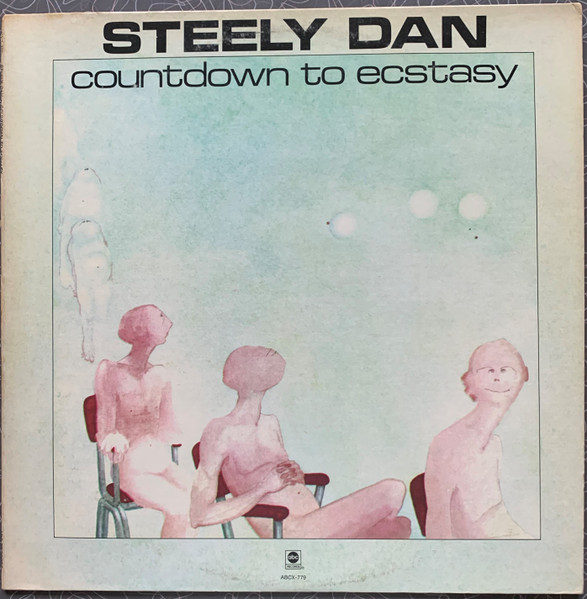
Countdown To Ecstasy
1973
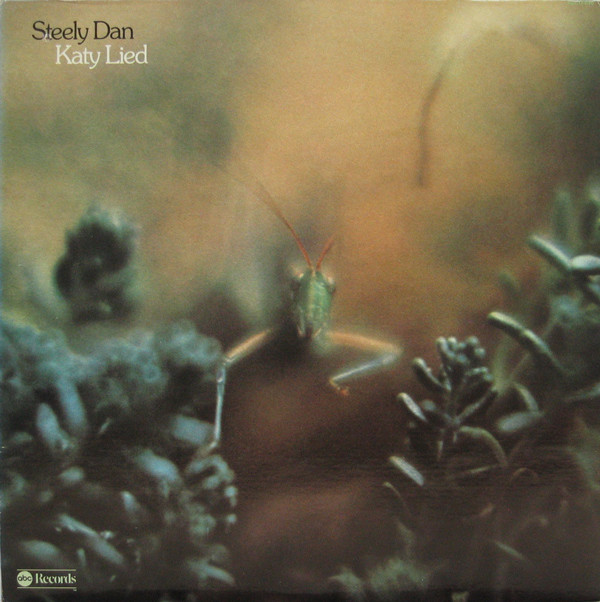
Katy Lied
1975
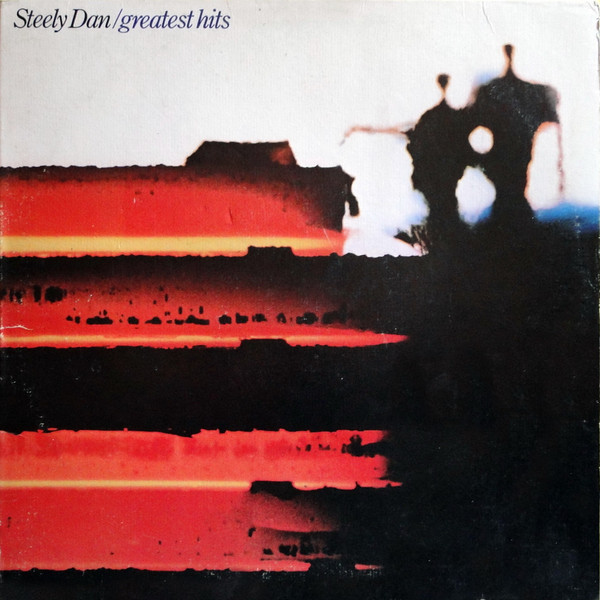
Greatest Hits
1978
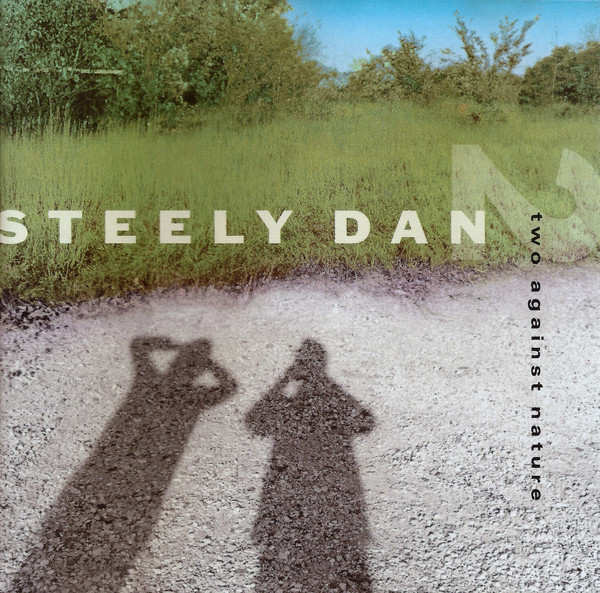
Two Against Nature
2000
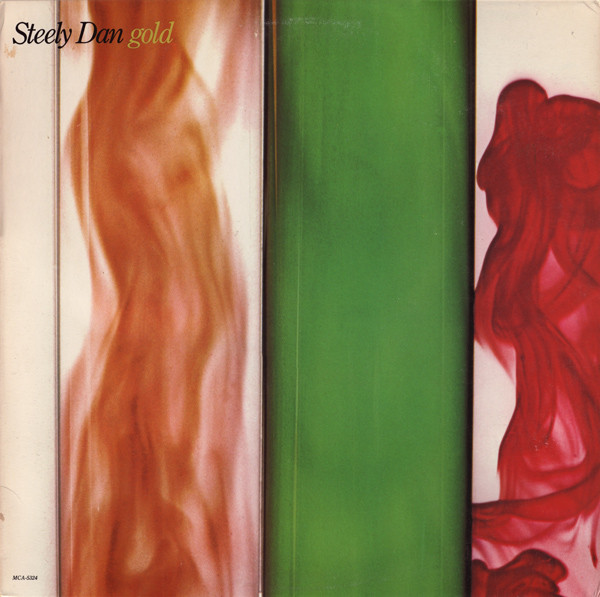
Gold
1982
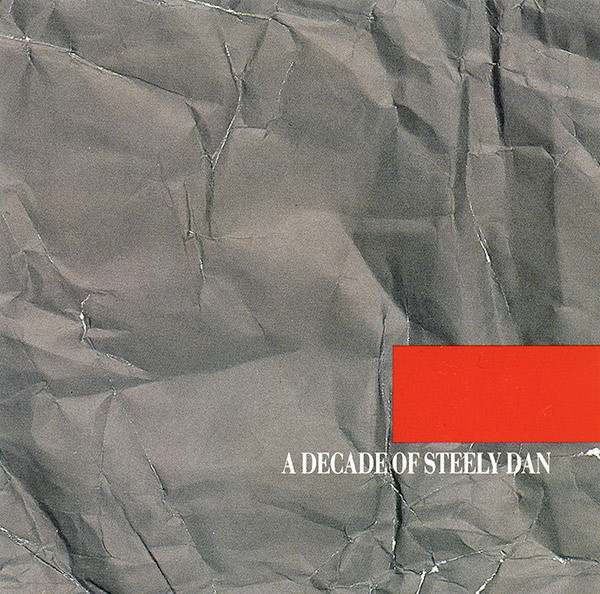
A Decade Of Steely Dan
1985

Everything Must Go
2003

Alive In America
1995

Northeast Corridor: Steely Dan Live!
2021

Showbiz Kids (The Steely Dan Story 1972-1980)
2000
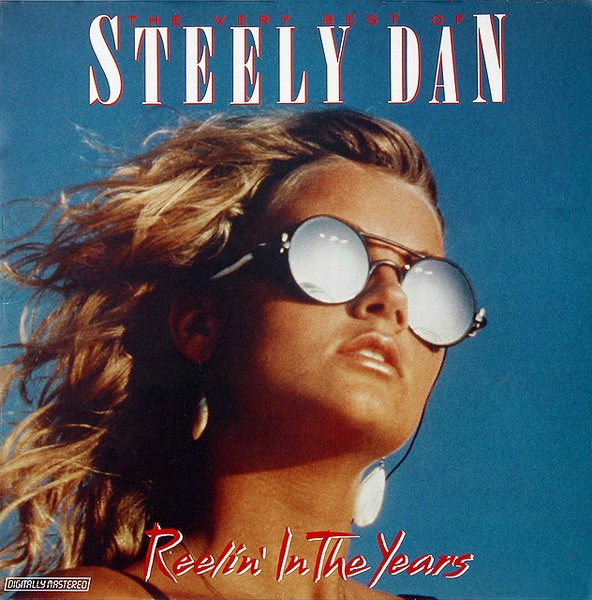
The Very Best Of Steely Dan - Reelin' In The Years
1985
Citizen Steely Dan 1972-1980
1993

Memphis Blues Again
1994

Remastered • The Best Of Steely Dan (Then And Now)
1993

The Definitive Collection
2006

Can't Buy A Thrill + Gaucho
2010

Roaring Of The Lamb
1993

Stone Piano
1988

Berry Town
1985
Related artists
Around the web
Follow every record they touch.
Start your shelf and Gatefold tracks Donald Fagen's new pressings, tour dates, and the whole discography — automatically.
Start your shelf →Free forever. Works with 10 records or 10,000.