
Artist
Röyksopp
Tromsø Municipality, Norway · Formed 1998
Röyksopp is a music group from Tromsø Municipality, Norway, active since 1998. Their discography on Gatefold includes 20 records.

20
Albums tracked
68
In collections
1998
Since
Biography
The Tromsø scene was built on a gear obsession that defied the arctic circle's isolation. Svein Berge and Torbjørn Brundtland were tracking in cold rooms long before the world cared about 'Eple,' using a hardware-first mentality that made their debut sound like it was born in a laboratory rather than a laptop. They didn't just stumble into the chill-out room—they refined the machine-soul of the 90s into something that actually felt human, even when they were leaning on the Korg MS-20 for every bassline. Then they almost lost the plot by chasing the big room pop high. You can hear the struggle on the mid-career records where the guest vocalists started to feel like a distraction from the duo’s own weirdness. They had to effectively kill off the traditional album format and distance themselves from the industry's release cycles just to get back to being the nerds who cared more about the texture of a synth patch than a radio hook. It took a decade of pivoting to realize they were better off as an anonymous factory of ideas than a touring pop act.
Bio from The Clerk
The Arc of Röyksopp
The pivots — what forced Röyksopp to reinvent.
The Blue Room Blueprint
Melody A.M. landed when the world was coming down from a ten-year bender and needed something that didn't sound like a cheap commercial. Berge and Brundtland stayed in Norway and processed every sound through vintage analog filters to avoid the sterile digital sheen of their peers. It turned 'Eple' and 'Poor Leno' into the definitive soundtrack for record store mornings, proving that downtempo could have teeth if you focused on the session dynamics. The result was a record that felt alive despite being programmed in an attic.
The Vocalist Pivot
By 2005, the duo shifted from bedroom isolation to high-gloss studio collaborations, bringing in voices like Karin Dreijer of The Knife to anchor their sound. The Understanding pushed the hardware to the back of the mix to make room for dramatic, theatrical pop structures. This was the moment they traded the chill-out room for the main stage, a transition that yielded 'What Else Is There?' but threatened to bury their experimental roots under shiny production. It felt like a band trying to figure out if they wanted to be Depeche Mode or a pair of anonymous studio wizards.
The Binary Divorce
The tension between their pop instincts and their ambient hearts finally snapped with the Junior and Senior sessions. They split their identity in two, dumping the radio-friendly tracks onto one disc and the moody, wordless textures onto another. Senior was the sound of the duo finally telling the labels to fuck off, focusing on dusty atmospheres and cinematic transitions that lacked a single hook. It was a necessary cleansing of the palate that paved the way for them to stop caring about being a 'band' in the traditional sense.
The Industrial Multiverse
The Profound Mysteries era was a total rejection of the standard album cycle in favor of a massive, multimedia data dump. They moved into a phase of 'True Electric' energy, stripping back the ornaments to focus on the raw synthesis and conceptual world-building that defined their earliest days. By releasing three massive volumes in a single year, they escaped the pressure of the 'comeback album' and returned to being a pure production house. This is them at their most comfortable, hiding behind the consoles and letting the machines do the heavy lifting again.
Influences
- Kraftwerk — The duo has repeatedly cited the German legends as the foundation for their 'human-machine' philosophy. You hear it in the rhythmic precision of 'Röyksopp's Night Out' and their insistence on using analog synthesizers to create emotional resonance. They aren't just fans—they are disciples of the Kling Klang school of disciplined arrangement.
- Brian Eno — Berge has openly discussed how Eno’s ambient works, specifically Music for Airports, taught them how to treat a studio as a singular instrument. That influence is the backbone of the Senior album, where the space between the notes is as important as the notes themselves. It’s the difference between making a track and creating an environment.
- Giorgio Moroder — The heavy, sequenced arpeggios in tracks like 'The Girl and the Robot' are a direct lineage from Moroder’s work with Donna Summer. They’ve admitted in interviews that they chase that specific 'European disco' pulse. It’s the DNA of every high-energy moment they’ve ever put to tape.
- Art of Noise — The duo’s fascination with sampling and sound collage mirrors the Fairlight-heavy production of Trevor Horn’s 80s projects. You hear the Art of Noise influence in their quirky percussion choices and the way they layer non-musical sounds into the mix. It's about finding melody in the mechanical noise.
- Vangelis — The sweeping, cinematic synth pads that define their 'Northern' sound are a nod to the Blade Runner score. They’ve credited Vangelis with showing them how to make electronic music feel massive and orchestral without a real violin in sight. It’s that cold, expansive feeling that only a Yamaha CS-80 can really nail.
Discography
Their records — most-collected first.
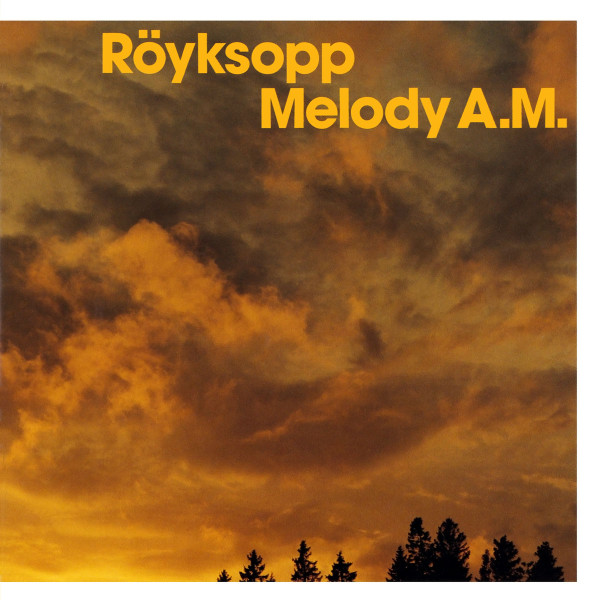
Melody A.M.
2001

Senior
2010
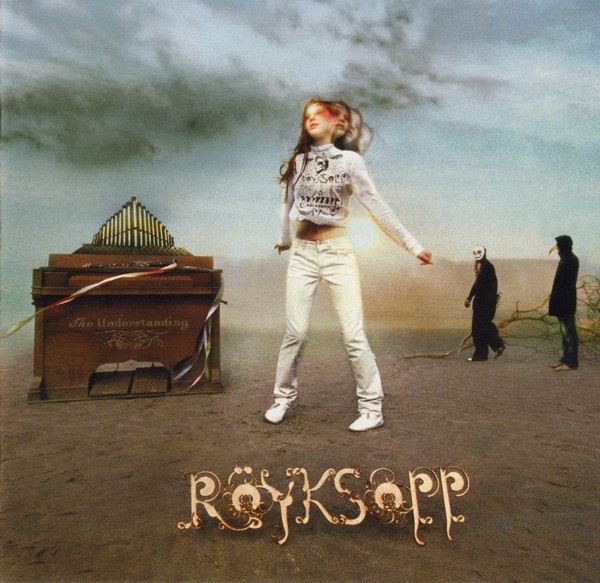
The Understanding
2005
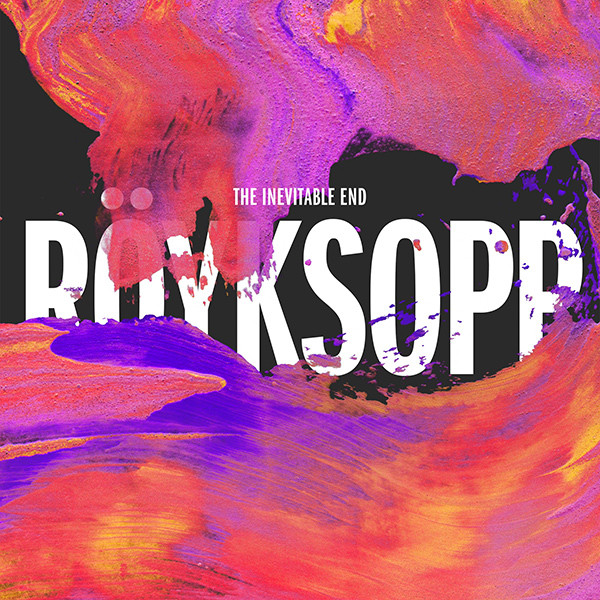
The Inevitable End
2014

LateNightTales
2013
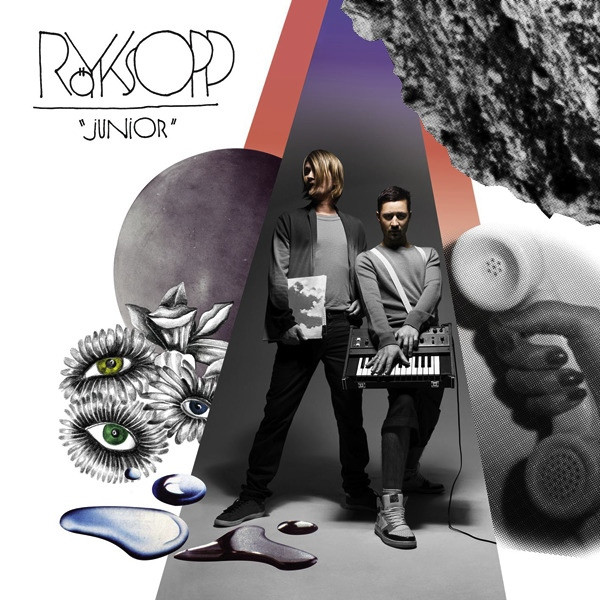
Junior
2009

True Electric
2025
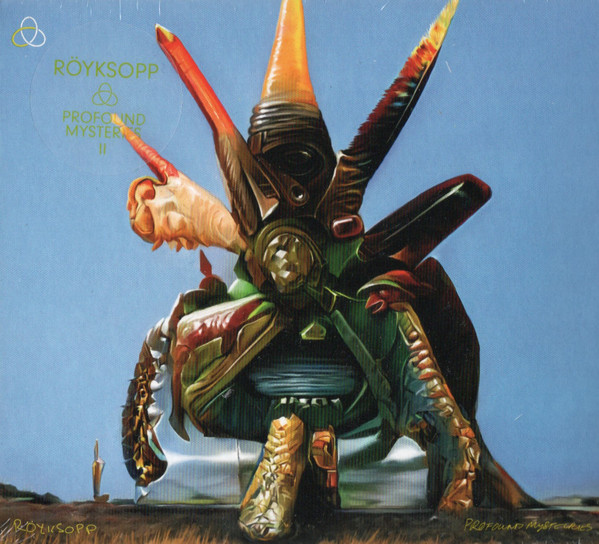
Profound Mysteries II
2022
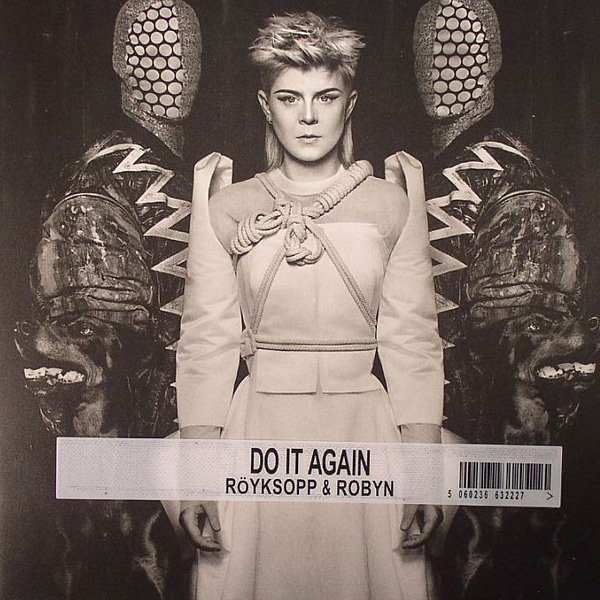
Do It Again
2014
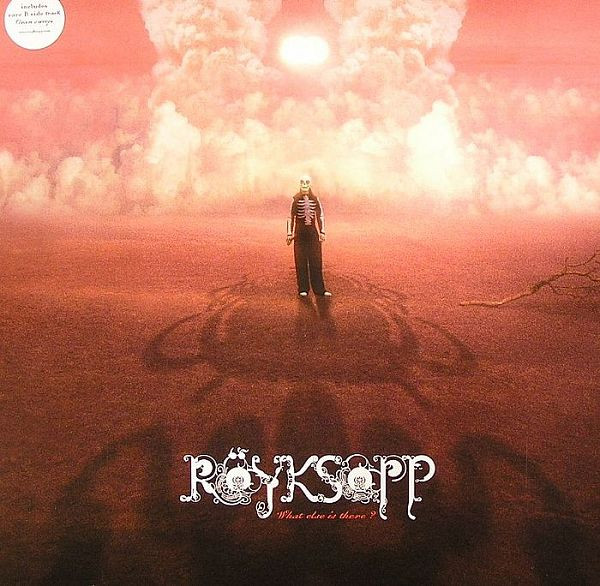
What Else Is There?
2005
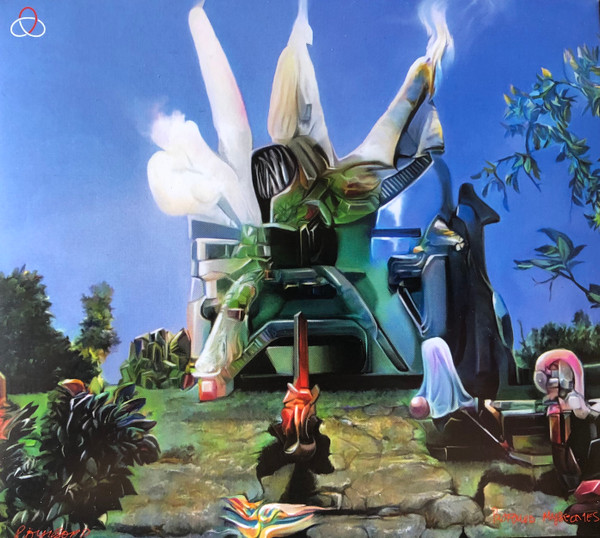
Profound Mysteries
2022
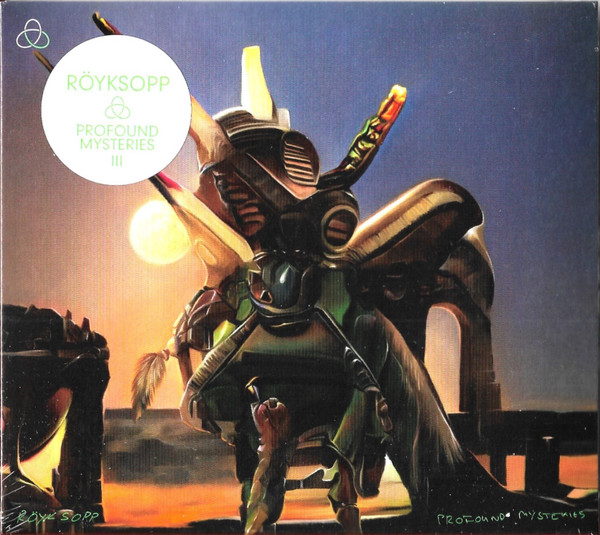
Profound Mysteries III
2022
Lost Tapes
2021

Nebulous Nights (An Ambient Excursion Into Profound Mysteries)
2024

Sparks
2003

Remind Me
2002

Poor Leno
2001

Eple
2001
So Easy
1999
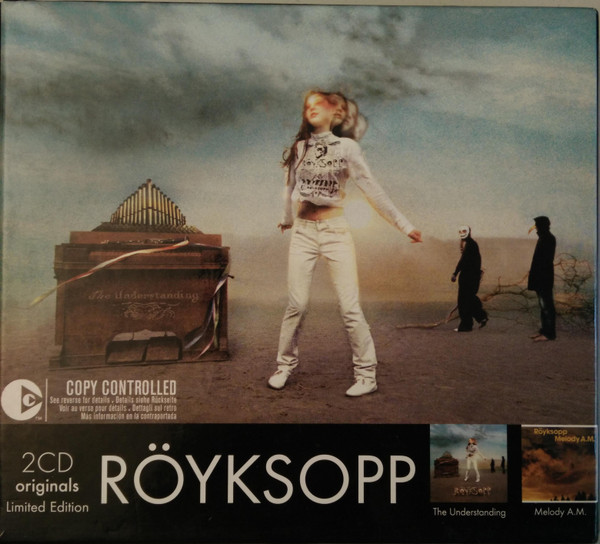
The Understanding / Melody A.M.
2005
Related artists
Frequent collaborators
Around the web
Follow every record they touch.
Start your shelf and Gatefold tracks Röyksopp's new pressings, tour dates, and the whole discography — automatically.
Start your shelf →Free forever. Works with 10 records or 10,000.