
Artist
Queens of the Stone Age
Palm Desert, United States · Formed 1996
Queens of the Stone Age is a music group from Palm Desert, United States, active since 1996. Their discography on Gatefold includes 22 records.

22
Albums tracked
986
In collections
1996
Since
Biography
Josh Homme came out of the Kyuss wreckage with a crate of Ovation Ultra GP guitars and a chip on his shoulder about being pigeonholed as a desert rock stoner. He didn't want to jam; he wanted 'robot rock'—repetitive, stiff, and heavy as a sledgehammer but played with the precision of a German assembly line. He tracked the self-titled debut mostly by himself because he couldn't find anyone else who understood the swing he was looking for. It wasn't about the fuzz; it was about the friction. Then he brought in Nick Oliveri and things got dangerous for a minute. That lineup was a fucking powder keg of punk speed and Mark Lanegan’s gravel-pit vocals, peaking with a record that actually used a radio dial as a conceptual framework because they knew the mainstream would never just let them sit on one frequency. After the wheels fell off that version of the band, it turned into a revolving door of session legends and high-production sheen. Sometimes it feels like a polished disco for the end of the world, and other times it’s just Homme trying to see how much weirdness he can sneak onto a festival stage.
Bio from The Clerk
The Arc of Queens of the Stone Age
The pivots — what forced Queens of the Stone Age to reinvent.
The Robot Rock Blueprint
After Kyuss imploded, Homme spent time as a touring guitarist for the Screaming Trees, which tightened his sense of song structure and melody. He moved away from the sprawling jams of the Palm Desert scene to focus on 'The Queens' Style'—down-tuned guitars played through small, overdriven bass amps to get that choked, percussive thud. The 1998 debut was almost a solo record with Alfredo Hernández on drums, stripping away the psych-rock fluff for something mechanical and lean.
The Three-Headed Beast
Bringing Nick Oliveri back into the fold for Rated R changed the chemistry from a solo project to a volatile gang. This era leaned into the contrast between Homme’s falsetto, Oliveri’s throat-shredding punk outbursts, and Mark Lanegan’s haunting baritone. It reached a fever pitch when Dave Grohl sat behind the kit for Songs for the Deaf, providing the massive, driving pocket that finally pushed their weird desert art into the mainstream.
The Precision Polish
Following Oliveri’s firing, the band shifted toward a more jagged, experimental precision on Era Vulgaris, ditching the open-air desert feel for the claustrophobia of a city alley. They started messing with hollow-body guitars and weird filtering, moving further away from 'stoner rock' into a twitchy, electronic-influenced rock. This culminated in the collaboration with Mark Ronson for Villains, where the focus shifted entirely to danceable grooves and tight, dry production that polarized the old-guard fans.
Influences
- The Stooges — Homme has repeatedly cited the Fun House-era lineup as the ultimate goal for a live band. You hear it in the confrontational energy of the early 2000s sets and the raw, unhinged saxophone skronk they occasionally drag into the studio.
- Black Flag — The band covered 'Gimmie Gimmie Gimmie' and shared the SST Records lineage through the Greg Ginn school of guitar dissonance. The influence is all over the down-stroked, relentless rhythm work that defines their heavier mid-tempo tracks.
- ZZ Top — Billy Gibbons actually played on Lullabies to Paralyze after Homme obsessively chased his 'brown sound' and syncopated shuffle. That Texas grease is the secret ingredient in the Queens' swing, preventing the 'robot rock' from becoming too stiff.
- Can — The band’s obsession with repetitive, motorik rhythms comes directly from the Holger Czukay and Jaki Liebezeit playbook. It’s most obvious on tracks like 'You Can't Quit Me Baby,' where the groove stays static while the textures around it slowly rot.
- The Cramps — The B-movie aesthetic and the sleazy, psychobilly guitar twang are baked into the band's DNA. Homme's vocal delivery often mimics Lux Interior’s blend of Elvis-style crooning and predatory whispers.
Discography
Their records — most-collected first.
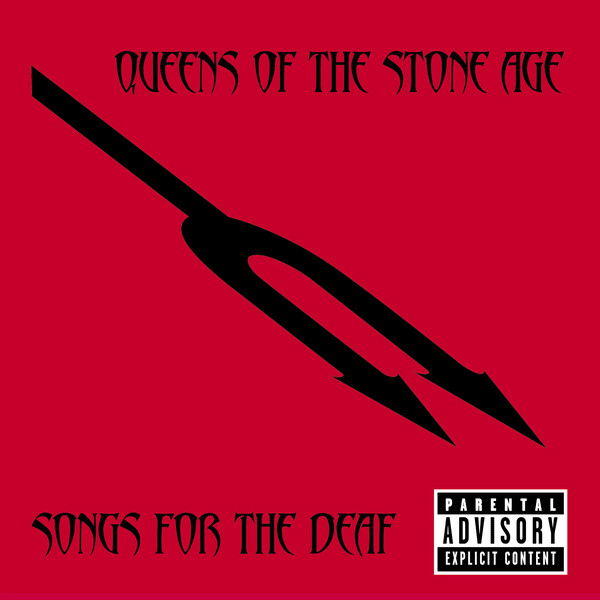
Songs For The Deaf
2002
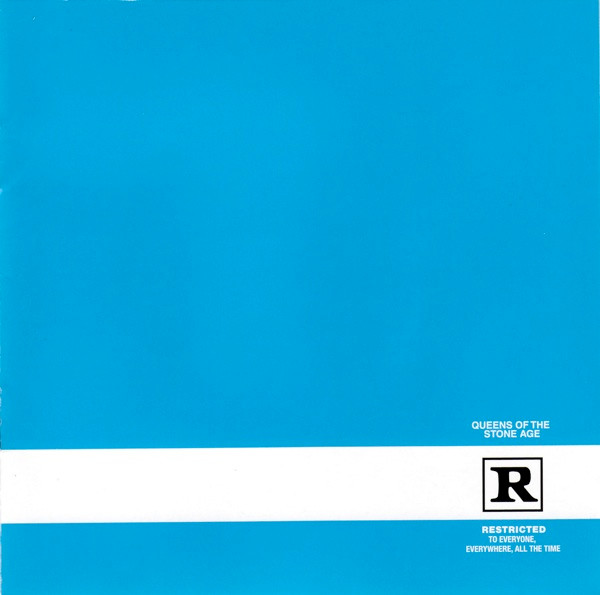
R
2000
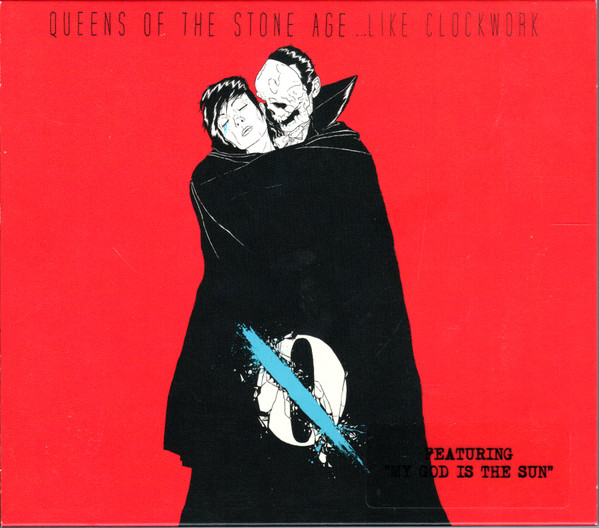
...Like Clockwork
2013
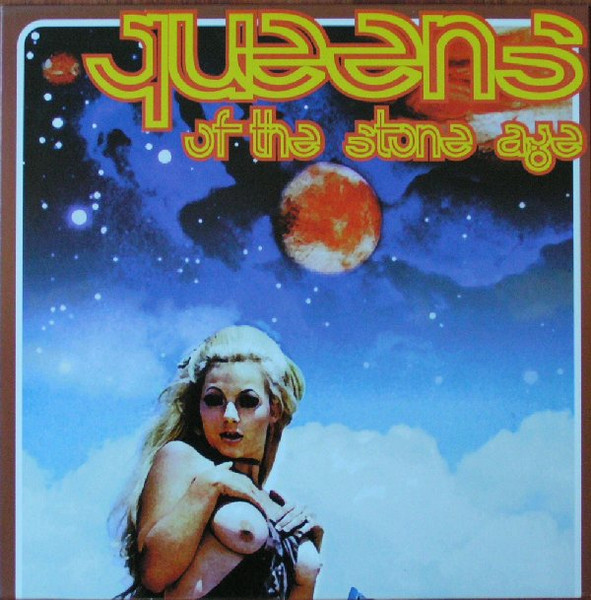
Queens Of The Stone Age
1998
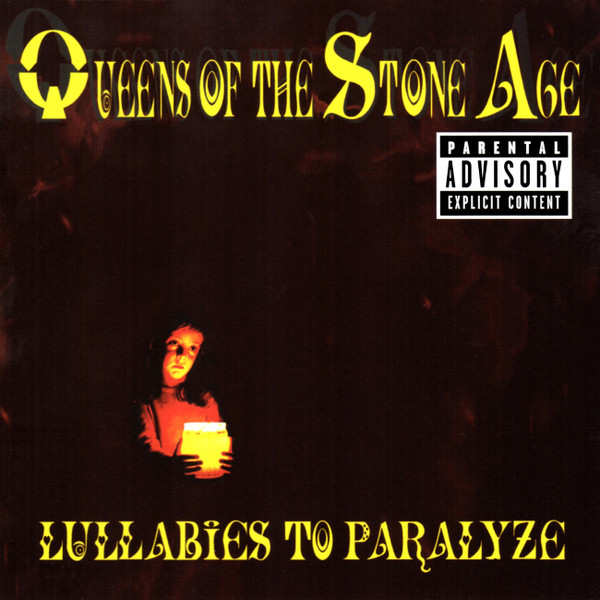
Lullabies To Paralyze
2005
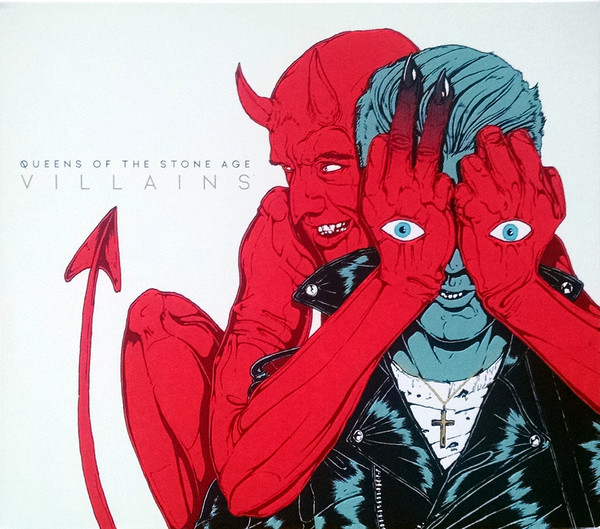
Villains
2017
Era Vulgaris
2007
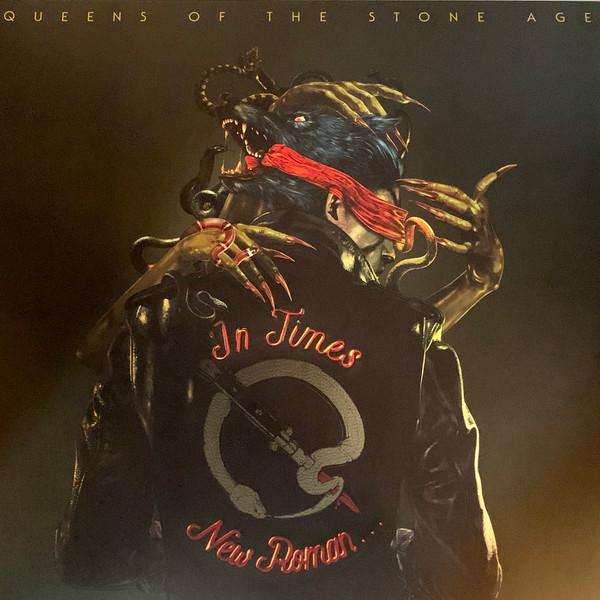
In Times New Roman...
2023

Alive In The Catacombs
2025
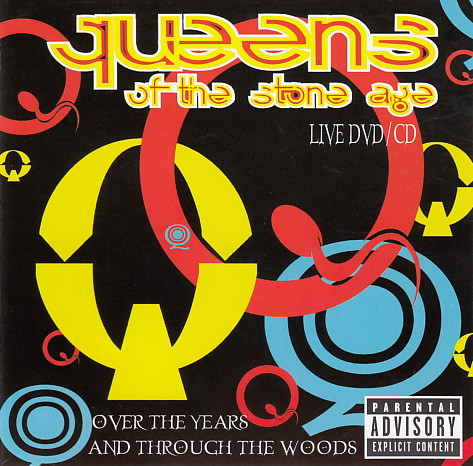
Over The Years And Through The Woods
2005

Feel Good Hit Of The Summer
2000
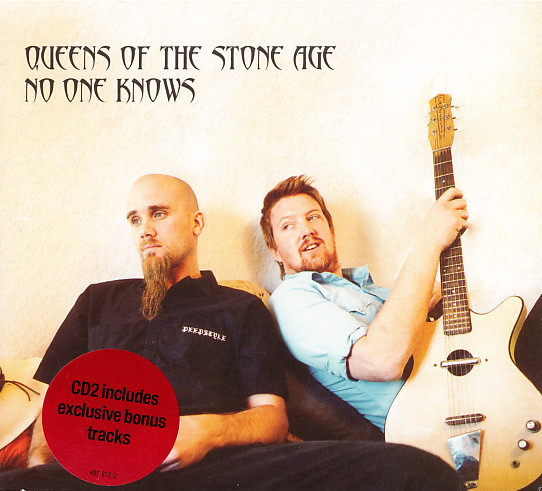
No One Knows
2002

Split 10"
1998

The Idiot's Guide
2005

Drunken In Stonehenge
2004
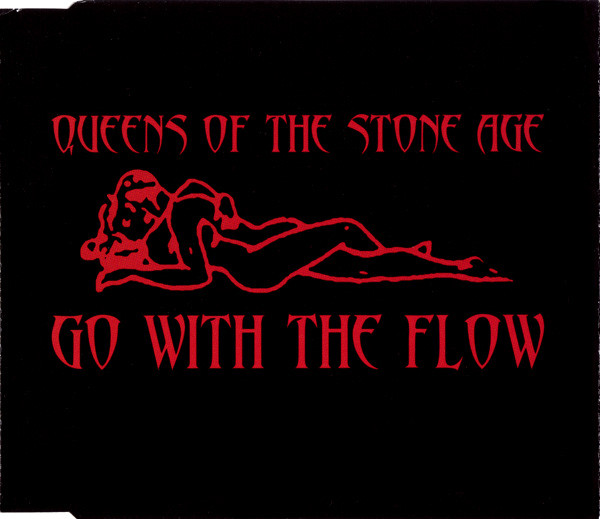
Go With The Flow
2003
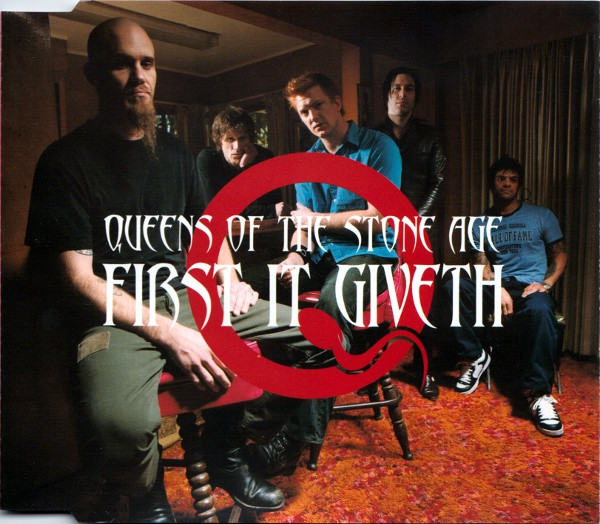
First It Giveth
2003

Burn The Witch
2006
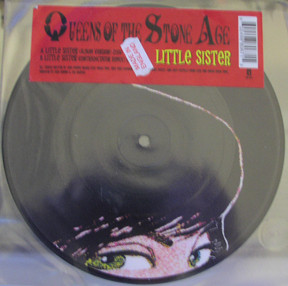
Little Sister
2005
Stone Age Complication
2004
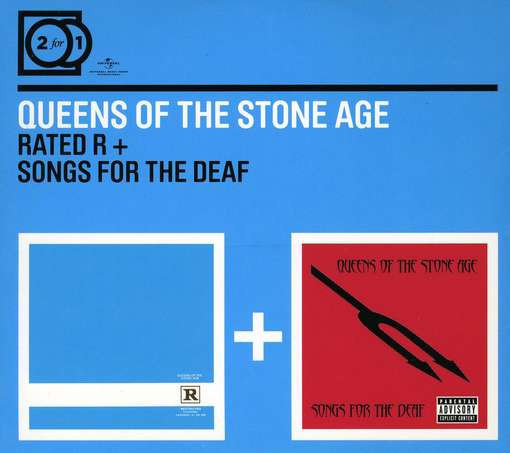
Rated R + Songs For The Deaf
2010

Unplugged & Paralyzed
2006
Related artists
Around the web
Follow every record they touch.
Start your shelf and Gatefold tracks Queens of the Stone Age's new pressings, tour dates, and the whole discography — automatically.
Start your shelf →Free forever. Works with 10 records or 10,000.