
Artist
Dave Catching
Memphis, United States
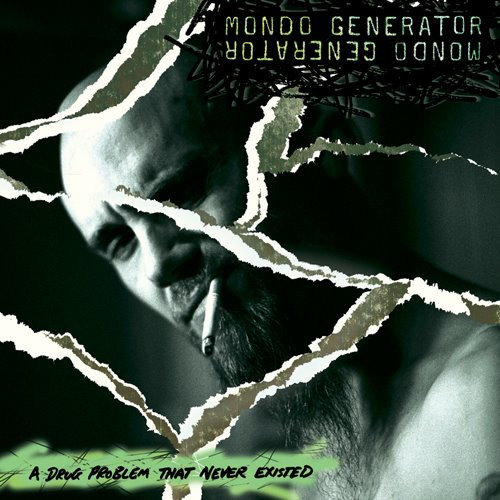
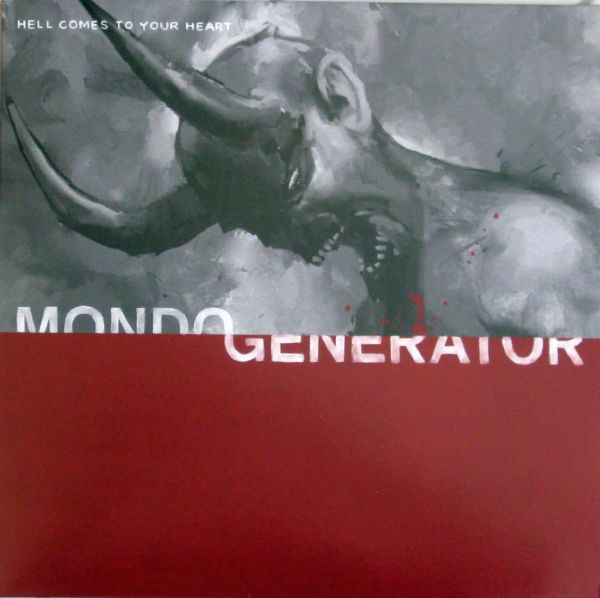
Dave Catching is a musician from Memphis, United States. They also recorded with Queens of the Stone Age, Desert Sessions, Mondo Generator and earthlings?.

25
Albums tracked
891
In collections
—
Since
Biography
You do not get the generator-hum of the California high desert without Dave Catching. He is the human extension cord of Rancho de la Luna, the Joshua Tree studio he co-founded with Fred Drake in 1993. Catching did not just set up microphones in a stucco house. He curated a dirt-caked lifestyle where cheap pawnshop guitars, vintage tape machines, and Tuaca-fueled late-night jams became the blueprint for stoner rock. If you have listened to a record with a heavy, dust-blown groove from the last thirty years, Catching either played on it, engineered it, or cooked dinner for the guys who did. His guitar playing is not about technical wizardry. It is about friction. He plugs a late-model Gibson Flying V or an old Danelectro into a cranked Univox amp and lets the desert heat warp the signal. He was the secret weapon on Queens of the Stone Age's breakthrough Rated R and Songs for the Deaf. He laid down the sleazy, low-slung riffs that defined the early Desert Sessions volumes. He is the ultimate host and the ultimate utility player. He keeps the tape rolling when most sane musicians would have passed out in the sand.
Bio from The Clerk
The Arc of Dave Catching
The pivots — what forced Dave Catching to reinvent.
The Rancho de la Luna Genesis
In 1993, Catching and Fred Drake set up a studio in a Joshua Tree home with little more than a couple of ADAT machines and a vintage mixing board. The extreme isolation and lack of corporate oversight forced a loose, improvisational recording style. This gear setup and relaxed environment birthed the first Desert Sessions releases. You hear this era in the raw, unpolished tape hiss and the heavy room mic bleed that defined the early desert rock sound before it got cleaned up for radio.
The Queens of the Stone Age Blitz
When Josh Homme needed a touring band to support Rated R and write Songs for the Deaf, he brought Catching directly into the fold. Moving from behind the studio desk to the stage, Catching provided the essential, grinding rhythm guitar that anchored Homme's falsetto and Dave Grohl's drumming. This period forced Catching's loose desert jamming style into tight, metronomic structures. The result was some of the most formidable hard rock of the early 2000s, heard in the relentless, mechanical precision of their live performances from that touring cycle.
The Rancho Archival Era
By 2017, Catching pivoted to documenting the decades of weirdness stored in his studio vault, culminating in the release of Shared Hallucinations, Pt. 1. Rather than just playing on other people's records, he curated a compilation of long-lost tracks, weird jams, and forgotten sessions recorded at Rancho between 1972 and 1984. This move shifted him from a session player to a historical archivist of the desert scene. The record sounds like a dusty time capsule, full of analog warmth, odd synthesizer experiments, and loose drum tracks rescued from degrading magnetic tape.
Influences
- The Stooges — Catching has repeatedly cited James Williamson's raw, violent guitar work on Raw Power as his primary blueprint for tone. You hear this influence in the treble-heavy, aggressive biting lead work Catching contributed to early Queens of the Stone Age tracks. He takes Williamson's approach of playing right on the edge of feedback and pairs it with heavier, lower-tuned riffs.
- ZZ Top — The Texas trio's greasy, blues-soaked rhythm tracks heavily informed Catching's groove with Mojave Lords and earthlings?. Billy Gibbons' pinch harmonics and slinky, syncopated guitar parts are all over Catching's mid-tempo desert riffs. It is the sound of heavy blues stripped of its classic rock predictability and dragged through the dirt.
- Black Sabbath — The down-tuned, monolithic heavy metal of Tony Iommi is the foundation of the entire desert rock scene that Catching helped build. Catching adopted Iommi's approach of using simple, pentatonic riffs played with massive, low-end distortion to create a hypnotic, heavy atmosphere. You can hear this direct lineage in the sludge-drenched tracks on the early Desert Sessions compilations.
- The Cramps — The sleazy, primitive garage punk of Poison Ivy and Lux Interior shaped Catching's appreciation for simple, dirty rock and roll. He has toured and recorded with Eagles of Death Metal, a band whose entire aesthetic is built on this brand of high-energy, tongue-in-cheek guitar sleaze. The influence is obvious in the minimalist, driving three-chord structures Catching favors when he is not playing heavy stoner metal.
- Link Wray — Catching's love for instrumental rock and roll and raw, distorted guitar tones goes back to Link Wray's legendary 1958 track Rumble. Wray literally poked holes in his speaker cones to get that dirty sound, a DIY spirit Catching replicated by running cheap gear to its absolute limits at Rancho de la Luna. The menace and swagger of Wray's instrumental work is the DNA behind Catching's atmospheric, desert-highway guitar instrumentals.
Queens of the Stone Age
A project Dave Catching was part of. Former member.

Songs For The Deaf
2002
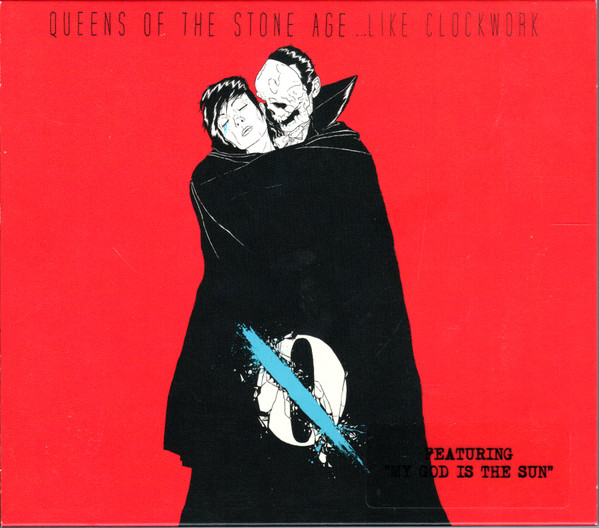
...Like Clockwork
2013
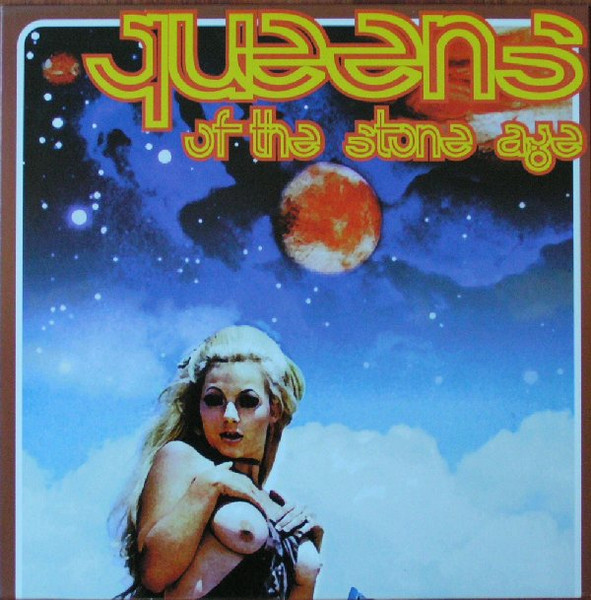
Queens Of The Stone Age
1998

Lullabies To Paralyze
2005
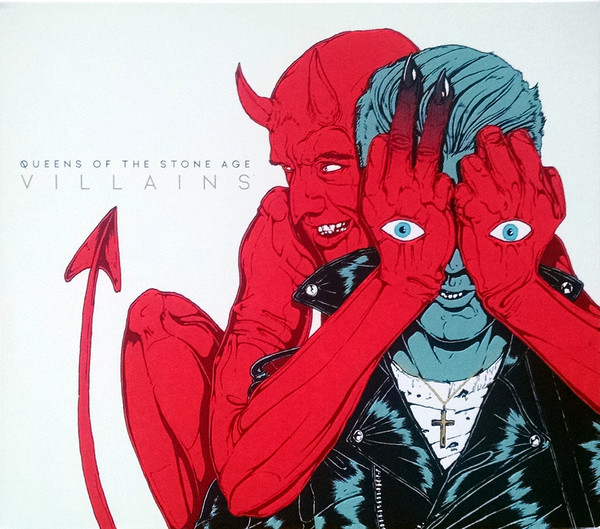
Villains
2017

Era Vulgaris
2007
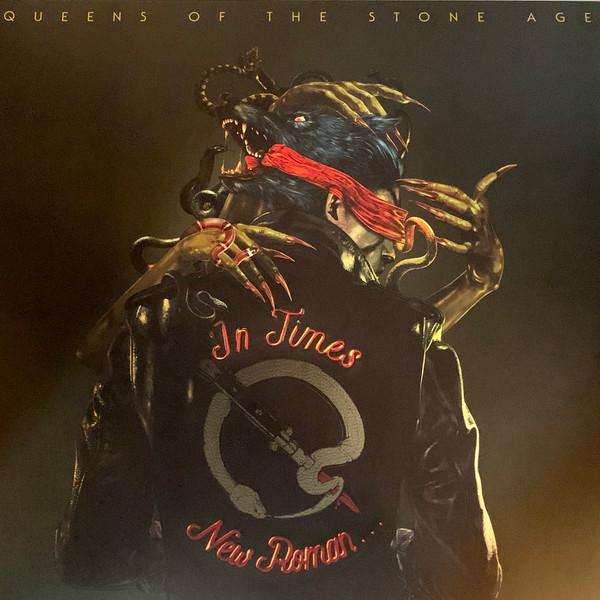
In Times New Roman...
2023

Alive In The Catacombs
2025

Over The Years And Through The Woods
2005

Feel Good Hit Of The Summer
2000
Stone Age Complication
2004
Rated R + Songs For The Deaf
2010

Unplugged & Paralyzed
2006
Desert Sessions
A project Dave Catching was part of.




Mondo Generator
A project Dave Catching was part of.

earthlings?
A project Dave Catching was part of.

Around the web
Follow every record they touch.
Start your shelf and Gatefold tracks Dave Catching's new pressings, tour dates, and the whole discography — automatically.
Start your shelf →Free forever. Works with 10 records or 10,000.