
Artist
Josh Homme
Queens of the Stone Age frontman
Palm Springs, United States · b. 1973
Josh Homme is a musician from Palm Springs, United States, active since 1973. They also recorded with Queens of the Stone Age, Kyuss, Screaming Trees, Them Crooked Vultures, Eagles of Death Metal and Desert Sessions.

48
Albums tracked
1,339
In collections
1973
Since
Biography
Josh Homme spent his teenage years lugging heavy-ass Ampeg SVT cabinets and generators into the middle of the California desert because no venue in Palm Desert would book a bunch of kids playing punk rock at half speed. He tuned his guitar down to C-standard and ran it through a bass amp to get that thick, suffocating low-end that defined Kyuss before he was even old enough to buy a beer. It wasn’t about being a guitar hero—it was about creating a physical wall of sound that could compete with the wind off the dunes. That dry, non-reverb aesthetic became the blueprint for everything that followed. By the time he pulled C.W. Stoneking into the studio for the Desert Sessions, Homme had moved past the stoner rock pigeonhole into something far more angular and strange. He’s a guy who thrives on friction, whether it’s firing his best friend Nick Oliveri to save the band or forcing seasoned professionals to play cheap, plastic instruments just to see what happens. The collaboration with Stoneking on 'The Moonliner' isn't some weird fluke—it’s Homme’s deep-seated obsession with the 'hokum' blues and pre-war jazz that he’s been hiding under layers of fuzz for thirty years. He doesn't do nostalgia; he takes old, rusted-out sounds and sharpens them into something that draws blood.
Bio from The Clerk
The Arc of Josh Homme
The pivots — what forced Josh Homme to reinvent.
The Low Desert Generator Parties
Kyuss was born out of sheer boredom and the lack of a traditional scene, forcing Homme to play long, improvised sets in the dirt using literal power generators. Working with producer Chris Goss at Sound City, they captured a sound that was less about riffs and more about a rhythmic, monolithic drone. You hear it in the way he ignores the high strings entirely, focusing on a downtuned, percussive attack that feels like the heat of the Coachella Valley. It was a purely physical era that died the second they tried to bring that desert isolation into the mainstream industry machine.
The Rotating Door Policy
After Kyuss imploded, Homme retreated to Rancho De La Luna to start the Desert Sessions, a loose collective where the only rule was that there were no rules. This lead directly into the early Queens of the Stone Age years, where he treated the band like a revolving door for whoever was around, from Mark Lanegan to Dave Grohl. Songs for the Deaf was the peak of this chaotic energy, recorded with Eric Valentine to sound like a hyper-compressed car radio blast. It turned 'stoner rock' into a tight, radio-ready weapon without losing the weirdness inherent in the desert.
The Robotic Groove
Following a near-death experience during a knee surgery, Homme shifted away from the heavy swing of his early work toward a cold, mechanical precision. Era Vulgaris was the turning point, ditching the lush production for a tinny, abrasive, and 'robotic' sound that purposefully irritated long-time fans. He started looking for rhythms that felt like a factory assembly line rather than a blues jam, a move that eventually led him to Mark Ronson for Villains. It was a calculated pivot to dance music, but played with the jagged, mean-spirited edge of a guy who has been hit in the head too many times.
Influences
- Black Flag — Homme has repeatedly cited Greg Ginn’s dissonant, atonal soloing as the primary reason he stopped playing standard blues scales. You hear that nervous, non-linear lead work all over the early Queens self-titled record. It’s the sound of a guy trying to break the instrument rather than master it.
- The Stooges — The raw, unhinged power of Fun House is the North Star for Homme’s production style, specifically the way the drums and bass lock into a repetitive, trance-like groove. He’s covered 'Dirt' and toured with Iggy Pop later on, but the DNA was already there in the Kyuss days. It’s that primal, mid-tempo stomp that doesn't need to be fast to be heavy.
- Billy Gibbons — ZZ Top’s 'Degüello' era provided the template for Homme’s 'tight but loose' guitar tone and his love for dry, quirky rhythms. Gibbons actually showed up on Desert Sessions Vol. 7 & 8 and Lullabies to Paralyze. You hear the Texas shuffle translated into the California desert on tracks like 'Burn the Witch.'
- Chuck Berry — Homme obsessively studied the way Berry used double-stop leads to drive a song forward without needing a second guitarist. He strips the swing away and replaces it with a 'robotic' pulse, but the foundational DNA of the rock and roll riff remains the same. It’s why his most complex songs still feel like they could be played at a 1950s prom from hell.
- The Cramps — The psychobilly filth of Lux Interior and Poison Ivy shaped Homme’s more sinister, theatrical side and his appreciation for B-movie aesthetics. He shares that same love for 'trash' culture and reverb-drenched, hollow-body guitar stabs. It shows up in his vocal delivery, which often slides into a menacing, Elvis-on-acid croon.
Queens of the Stone Age
A project Josh Homme was part of.
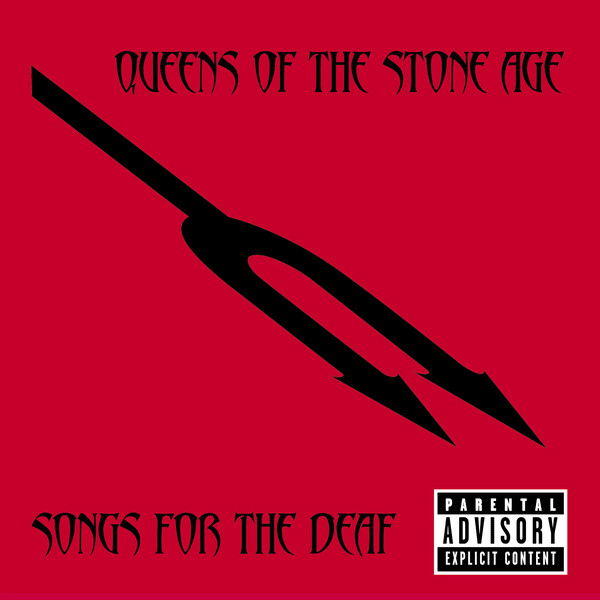
Songs For The Deaf
2002
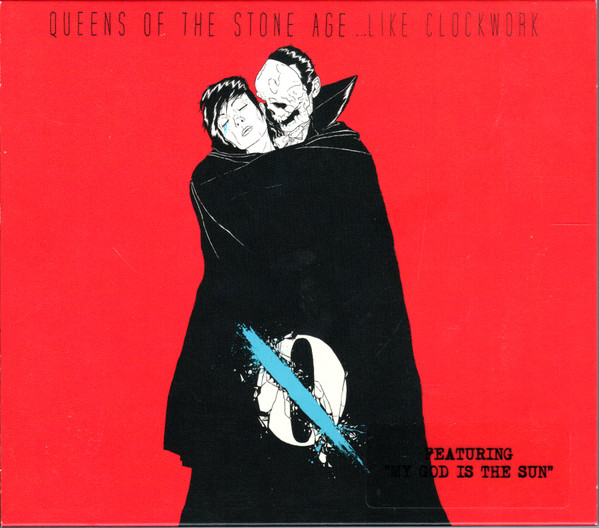
...Like Clockwork
2013
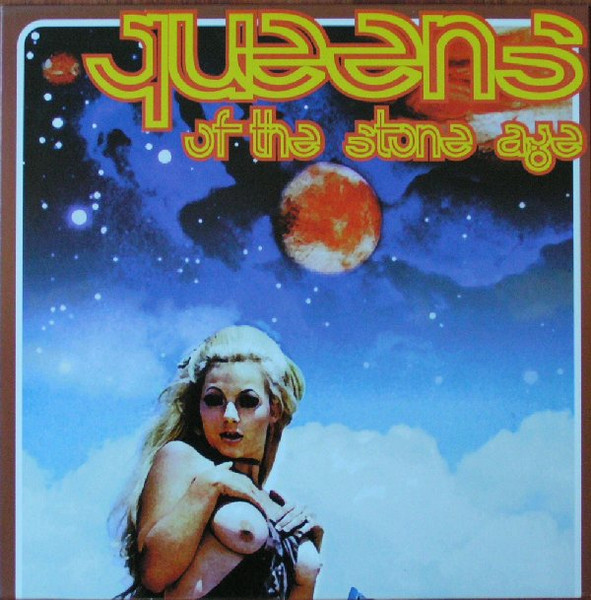
Queens Of The Stone Age
1998

Lullabies To Paralyze
2005
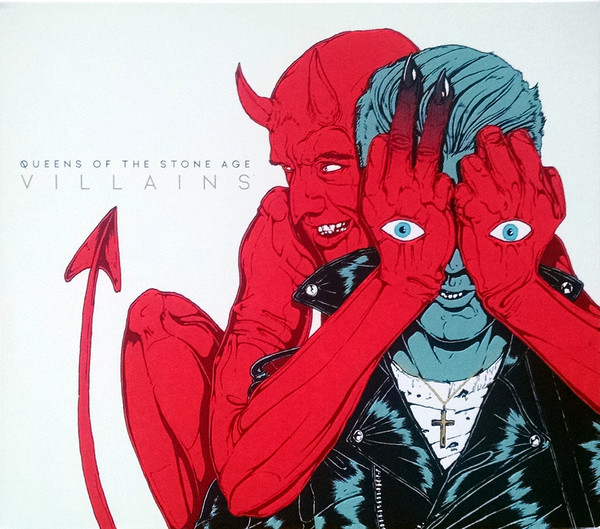
Villains
2017

Era Vulgaris
2007
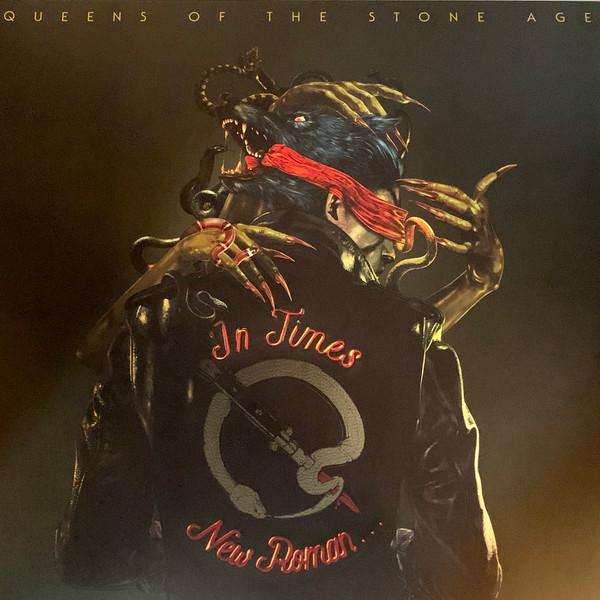
In Times New Roman...
2023

Alive In The Catacombs
2025
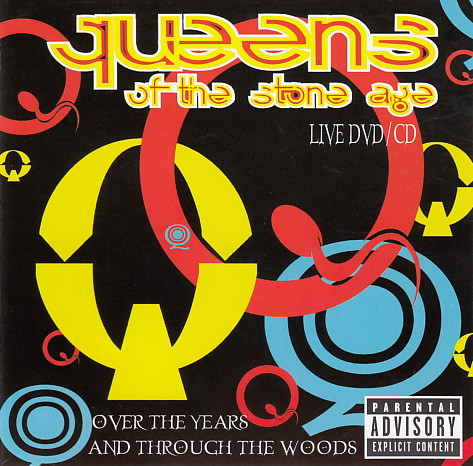
Over The Years And Through The Woods
2005

Feel Good Hit Of The Summer
2000
Stone Age Complication
2004
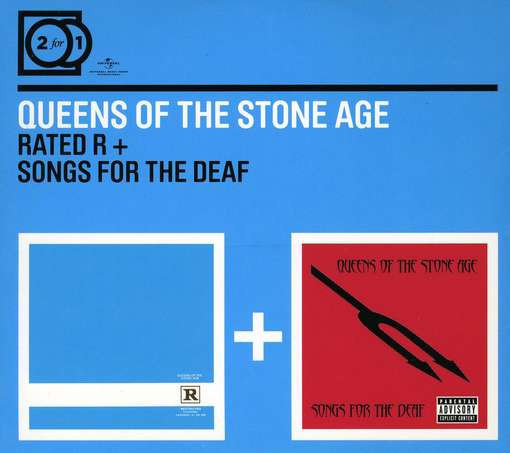
Rated R + Songs For The Deaf
2010

Unplugged & Paralyzed
2006
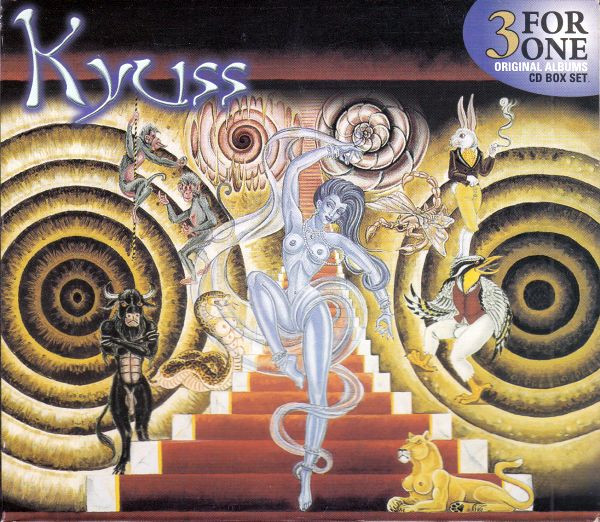
Kyuss
A project Josh Homme was part of. Former member.
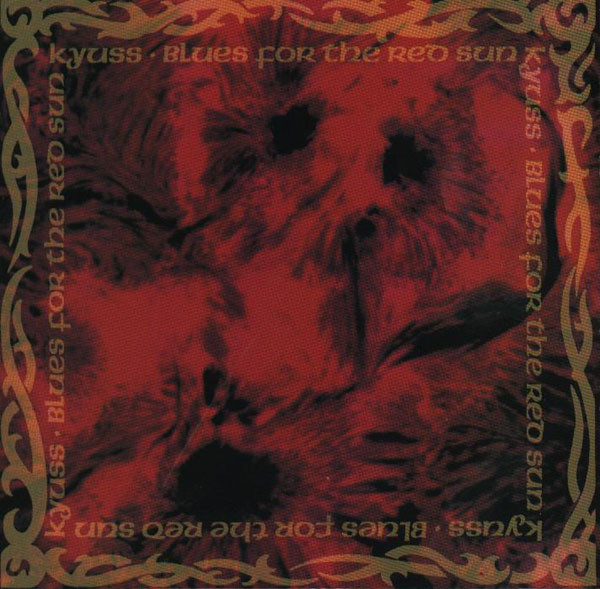
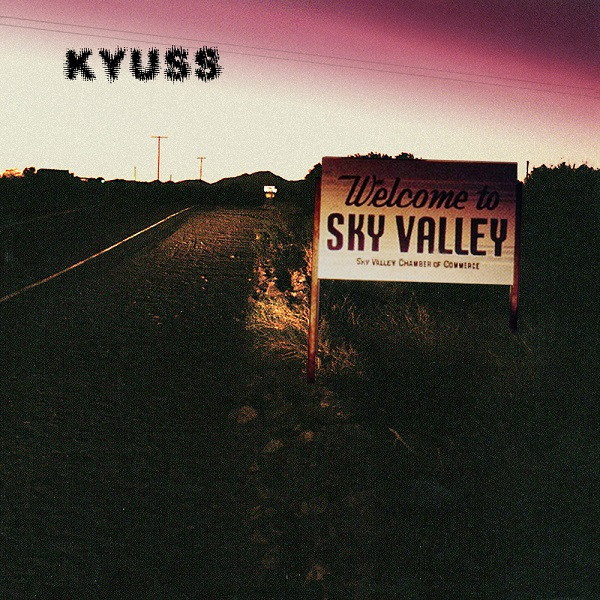
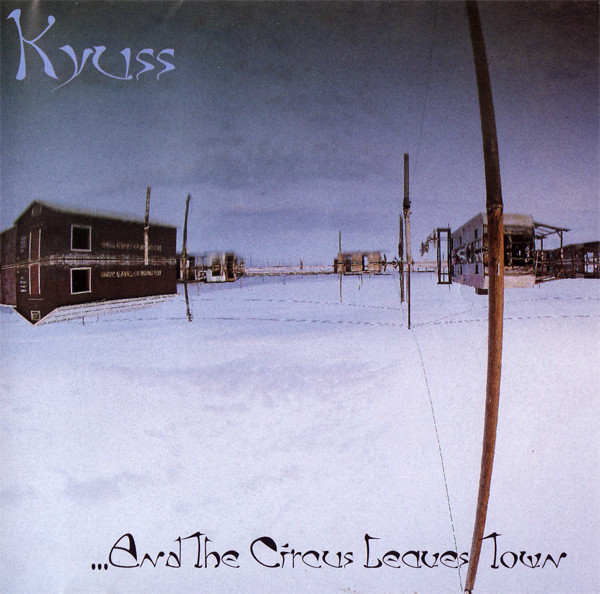
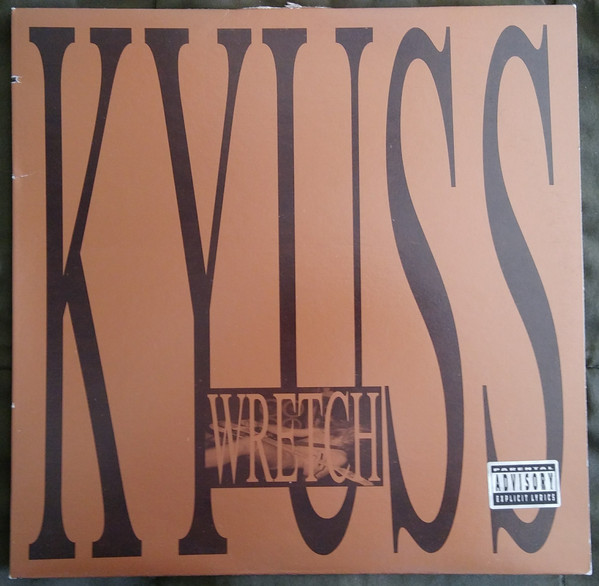

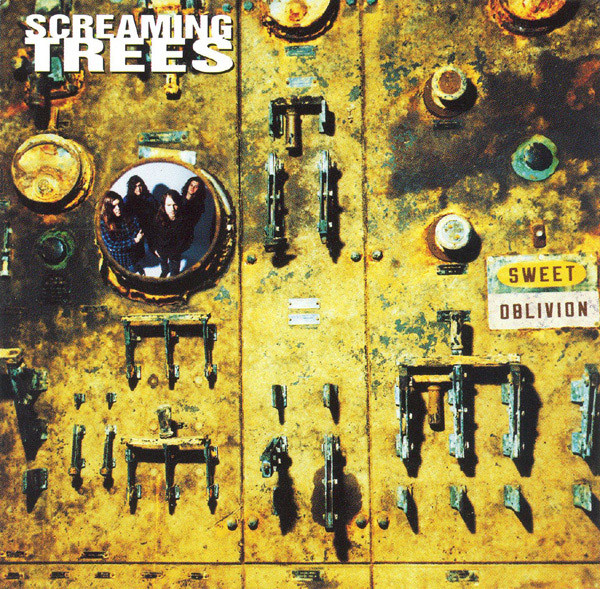
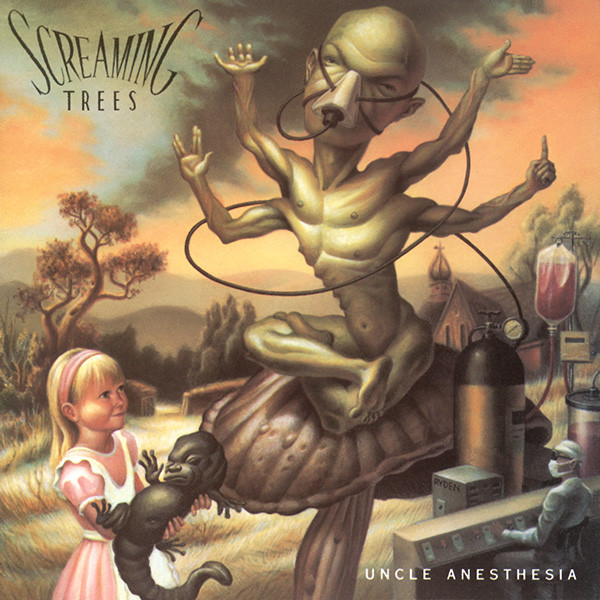
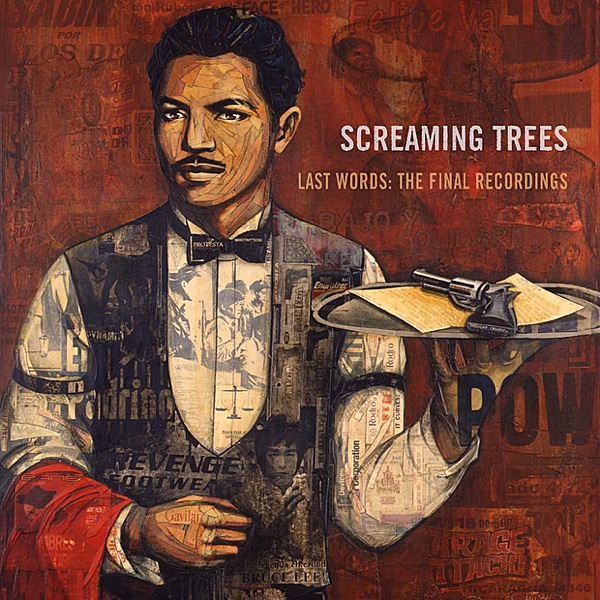
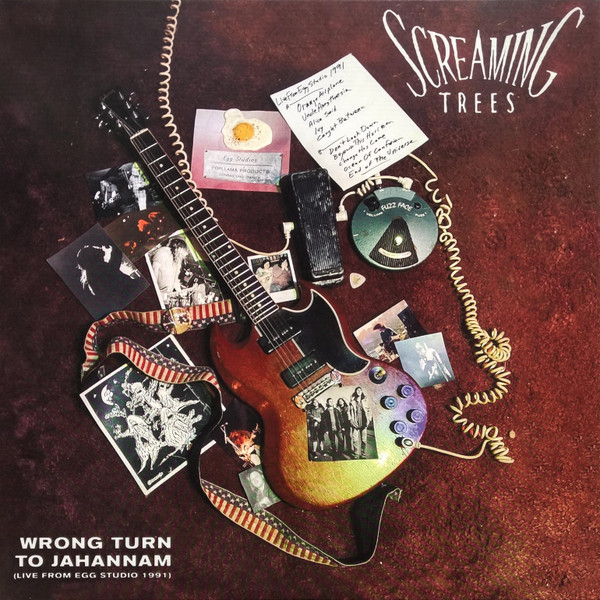
Screaming Trees
A project Josh Homme was part of. Former member.



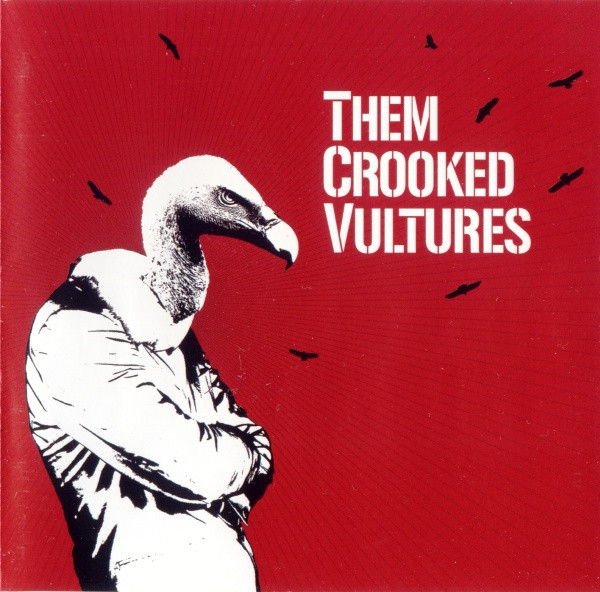
Them Crooked Vultures
A project Josh Homme was part of.

Eagles of Death Metal
A project Josh Homme was part of.
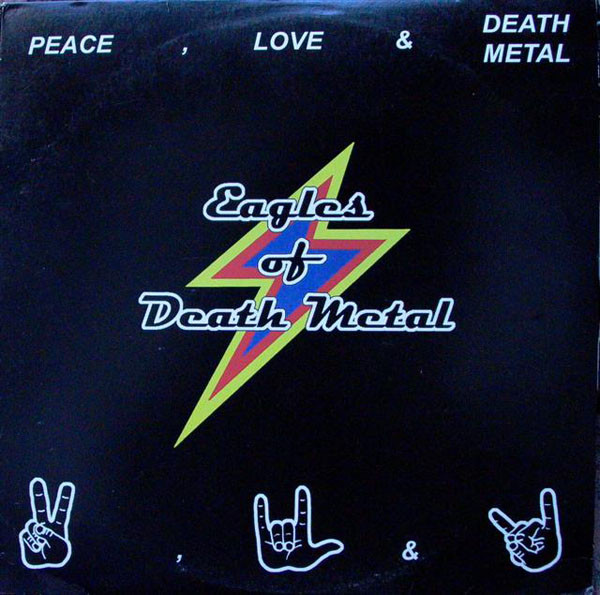
Peace, Love & Death Metal
2004

Zipper Down
2015
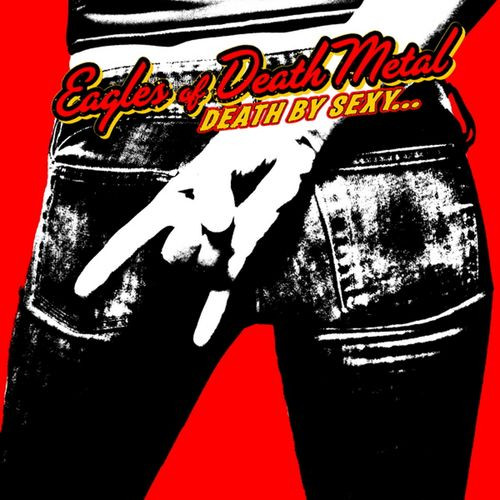
Death By Sexy...
2006

Heart On
2008

Eagles Of Death Metal Presents Boots Electric Performing The Best Songs We Never Wrote
2019
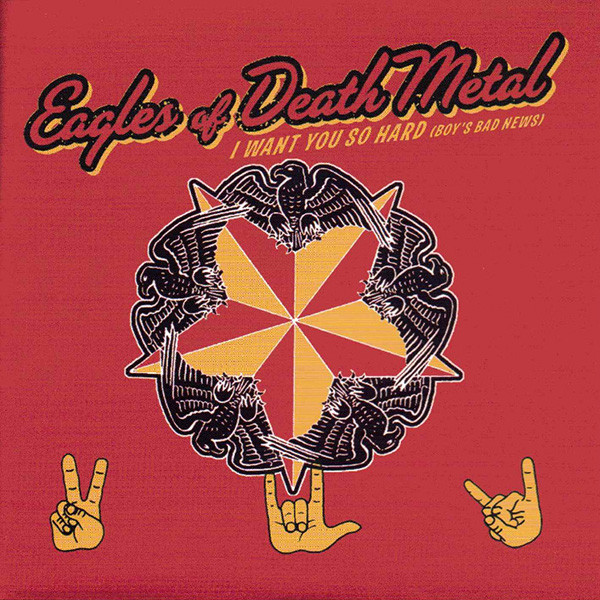
I Want You So Hard (Boy's Bad News)
2006

Pigeons Of Shit Metal
2018

I Love You All The Time: Live At The Olympia In Paris
2017
Wannabe In L.A.
2008
Desert Sessions
A project Josh Homme was part of.


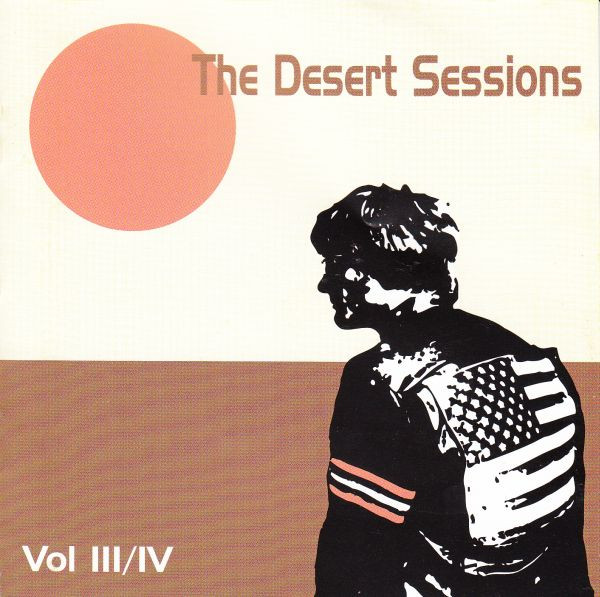

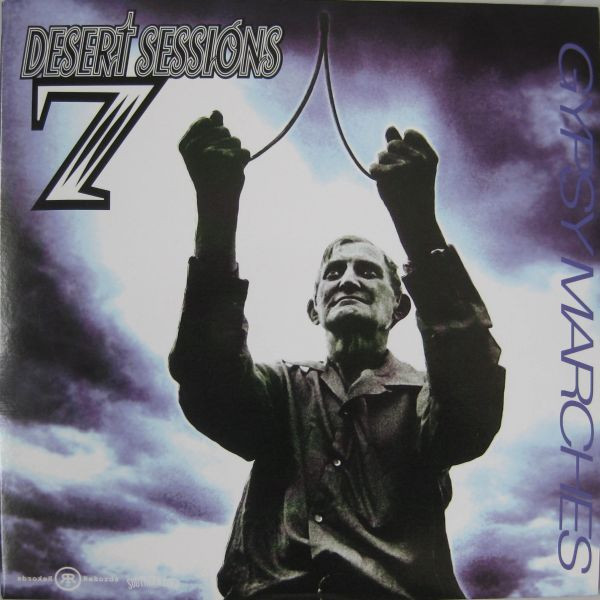

Related artists
Frequent collaborators
Around the web
Follow every record they touch.
Start your shelf and Gatefold tracks Josh Homme's new pressings, tour dates, and the whole discography — automatically.
Start your shelf →Free forever. Works with 10 records or 10,000.