
Artist
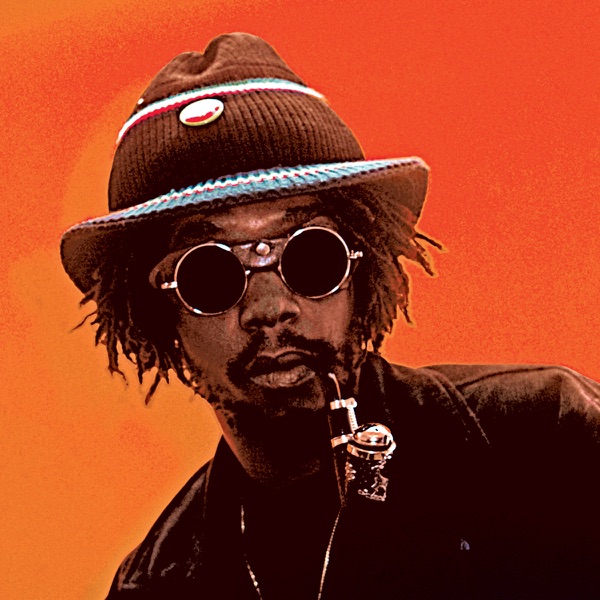
Peter Tosh
Grange Hill, Jamaica · 1944 – 1987
Peter Tosh is a musician from Grange Hill, Jamaica, active 1944–1987. Their discography on Gatefold includes 24 records. They also recorded with The Wailers, Bob Marley & The Wailers and Ras Michael & The Sons of Negus.
41
Albums tracked
309
In collections
1944
Since
Biography
Peter Tosh didn't just play the guitar; he used it as a blunt force instrument. While the world looked to Bob for the melody and the mysticism, Tosh was the one grinding out the jagged, percussive skank that gave the Wailers their grit. He was the first guy in the room to tell a label head to go to hell, and he carried that friction into the studio. By the time he went solo, he wasn't interested in being a global pop star. He wanted to be a problem. He got stuck with the 'angry' label because he refused to polish the edges of his beliefs for a crossover audience. You hear it in the stripped-back production of his mid-seventies work—less sheen, more weight. When Keith Richards signed him to Rolling Stones Records, it looked like a sellout move to the purists, but Tosh just used the Stones' money to buy a unicycle and keep preaching. He never blinked, even when the police were breaking his ribs for it. The records are a document of a man who decided that being right was more important than being liked.
Bio from The Clerk
The Arc of Peter Tosh
The pivots — what forced Peter Tosh to reinvent.
The Wailing Wailers Era
Tosh was the backbone of the vocal trio at Studio One, often the only one who could actually play an instrument when they started. Coxsone Dodd pushed them through the ska and rocksteady ringer, but Tosh's baritone was the anchor that kept their harmonies from floating off into pop territory. You can hear his developing 'stepping razor' persona in the way he started taking leads on the more militant tracks. This wasn't the polished reggae of the seventies; it was fast, frantic, and raw as a nerve.
The Upsetter Sessions
When the Wailers hooked up with Lee 'Scratch' Perry, the whole sound curdled into something darker and more spacious. Tosh’s guitar work on tracks like '400 Years' became more skeletal, focusing on the space between the notes rather than filling the room. Perry’s eccentricities forced the band to tighten their rhythmic interplay, turning them into a lethal unit before the Island Records machine arrived. This is the period where the 'Tuff Gong' identity was forged in a haze of cheap gear and heavy reverb.
The Solitary Stepping Razor
After walking away from the Marley-centric focus of Island, Tosh pivoted to a harder, more explicit solo stance. He brought in Sly Dunbar and Robbie Shakespeare to provide a heavy, robotic precision that defined the 'Legalize It' and 'Equal Rights' sessions. This wasn't 'One Love' vibe music; it was a rhythmic assault designed to sound massive on a sound system. The production became more clinical and intentional, ditching the loose jams for a militant, heavy-bass architecture.
Influences
- The Impressions — The Wailers basically started as a vocal harmony group trying to mirror Curtis Mayfield's outfit. You hear it in the early Studio One sides where Tosh is handling the low-end vocal harmonies behind Bob. It gave him that soulful, rhythmic foundation before the music slowed down into reggae.
- Joe Higgs — Higgs was the informal tutor for the young Wailers in Trenchtown, teaching them the mechanics of harmony and songwriting. He’s the guy who taught Tosh how to breathe through a phrase and how to structure a protest song. Without Higgs, the technical discipline behind Tosh’s later militant anthems wouldn't exist.
- The Skatalites — As the house band for Coxsone Dodd, these guys provided the backing for Tosh's earliest recordings. The interplay between Don Drummond’s trombone and Tosh’s developing guitar style is the DNA of the ska-to-reggae transition. They taught him that the 'one-drop' wasn't just a beat, it was a philosophy.
- Chuck Berry — Tosh loved the showmanship and the rhythmic drive of American rock and roll guitar. You can hear the ghost of Berry's double-stop riffs buried in Tosh's more aggressive upstrokes. He took the rock and roll attitude and slowed it down until it turned into a threat.
- Lord Kitchener — The storytelling and social commentary of calypso were huge for Tosh before he ever touched a Rastafarian hymn. He pulled that Caribbean tradition of using music as a news wire into his own writing. It’s why his lyrics feel like a frontline report rather than just abstract poetry.
Peter Tosh — solo
Their records — most-collected first.
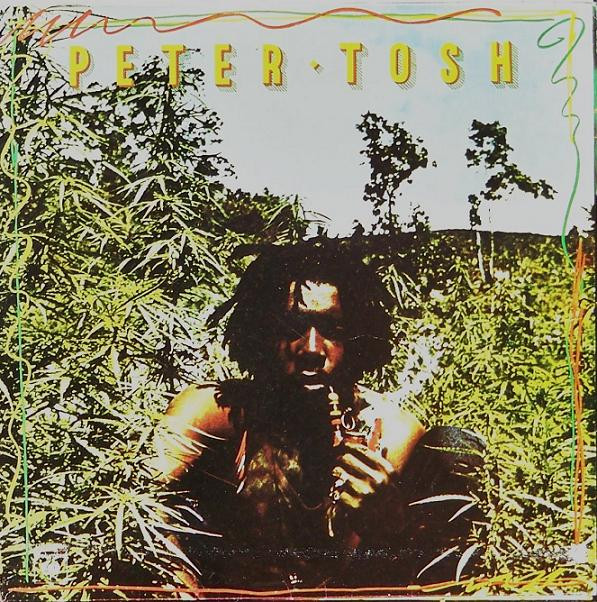
Legalize It
1976

Bush Doctor
1978

Equal Rights
1977
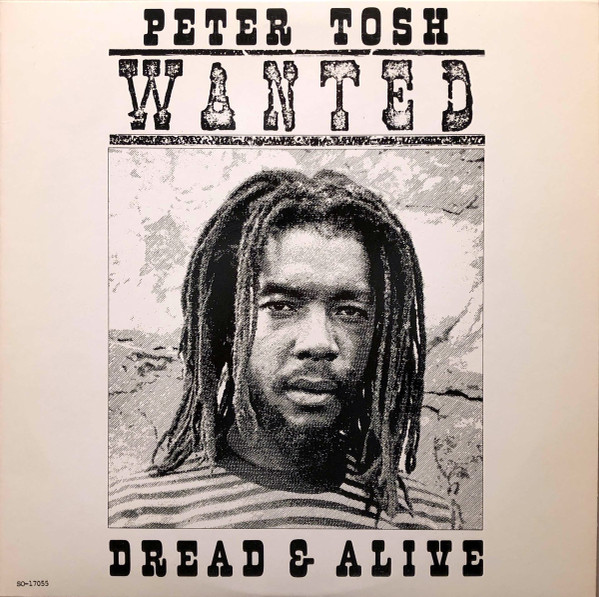
Wanted Dread & Alive
1981
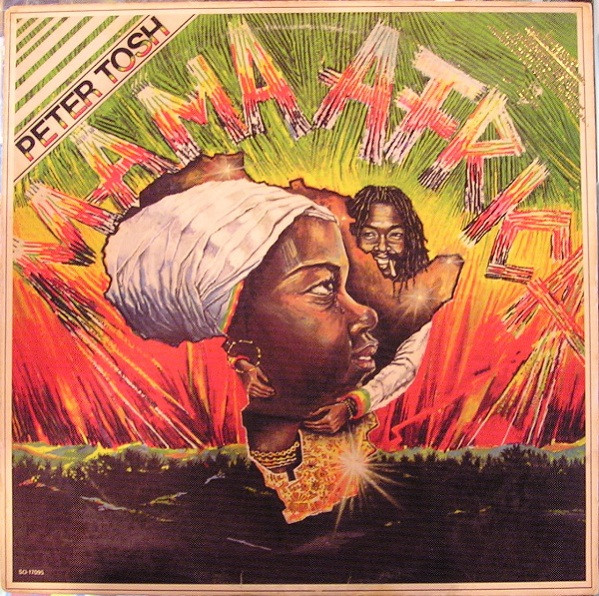
Mama Africa
1983
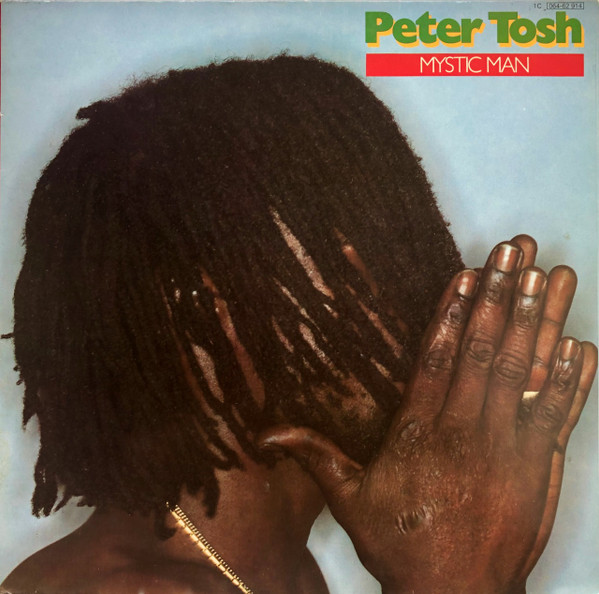
Mystic Man
1979

No Nuclear War
1987
Captured Live
1984
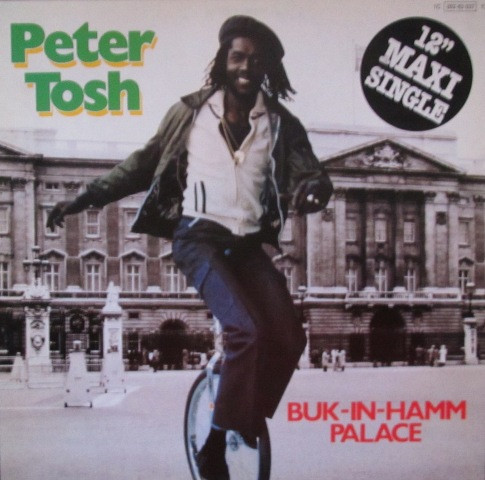
Buk-In-Hamm Palace
1979
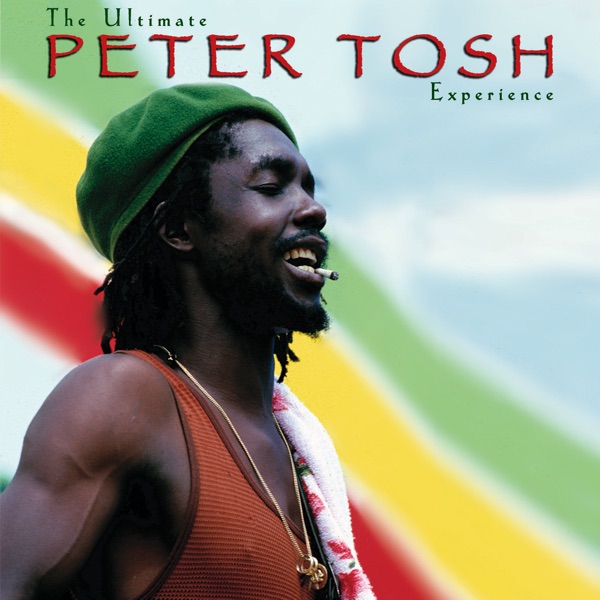
The Ultimate Peter Tosh Experience
2009

Greatest Hits
1983

Peace Treaty / Glass House
1982

Live & Dangerous: Boston 1976
2001

Scrolls Of The Prophet: The Best Of Peter Tosh
1999

The Toughest (The Selection 1978-1987)
1988
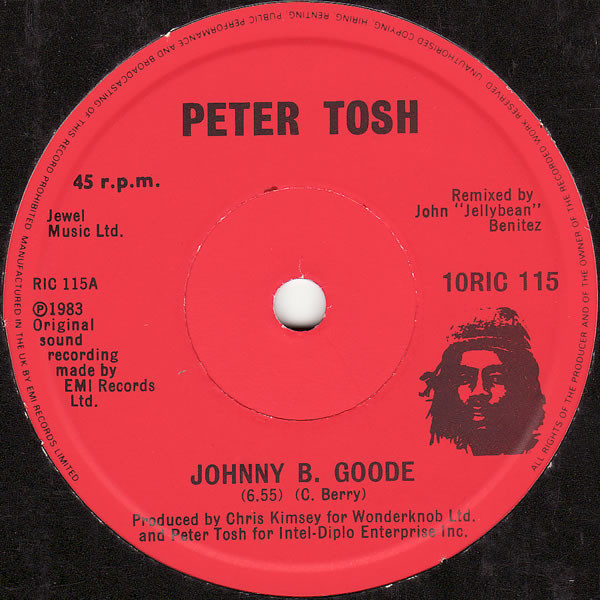
Johnny B. Goode
1983
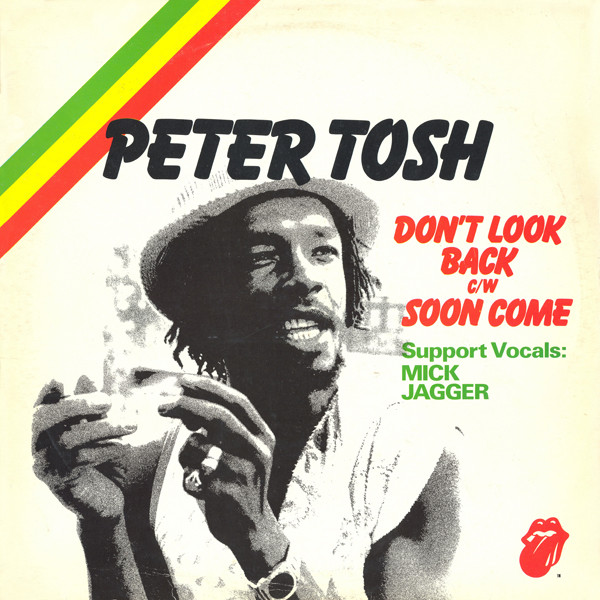
(You Gotta Walk) Don't Look Back
1978
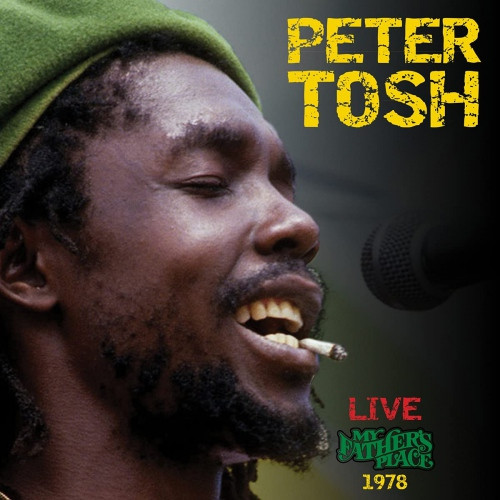
Live At My Father's Place 1978
2014

The Best Of Peter Tosh 1978-1987
2003

Super Hits
2001

Honorary Citizen
1997

Gold Collection
1992

Legalize It / Equal Rights
1984

Poor Man Feel It
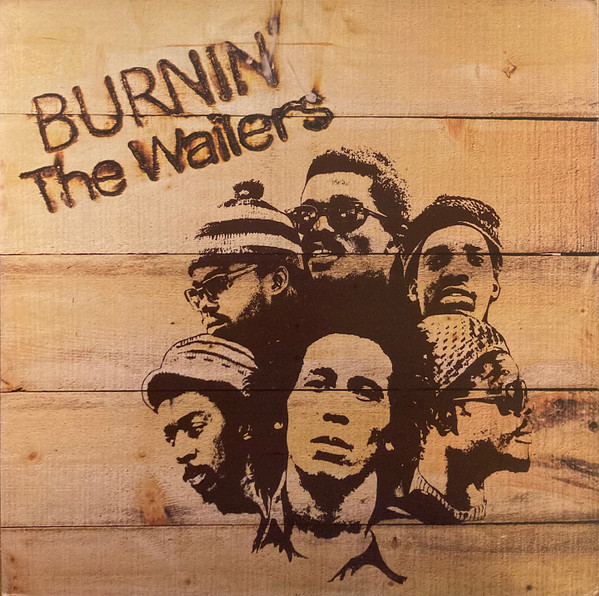
The Wailers
A project Peter Tosh was part of. Former member.

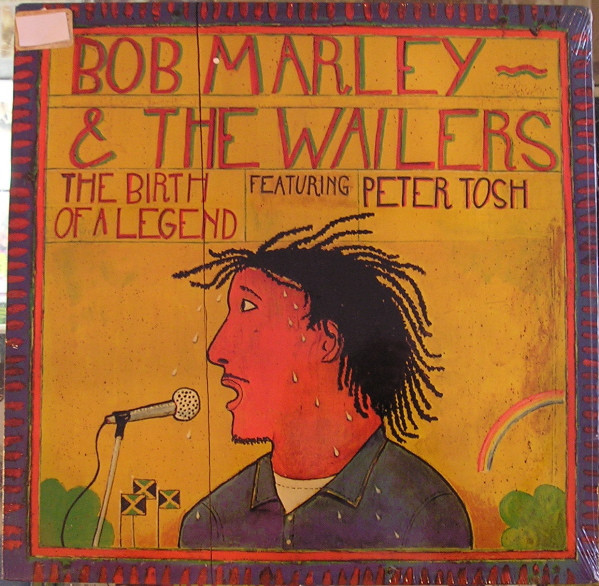

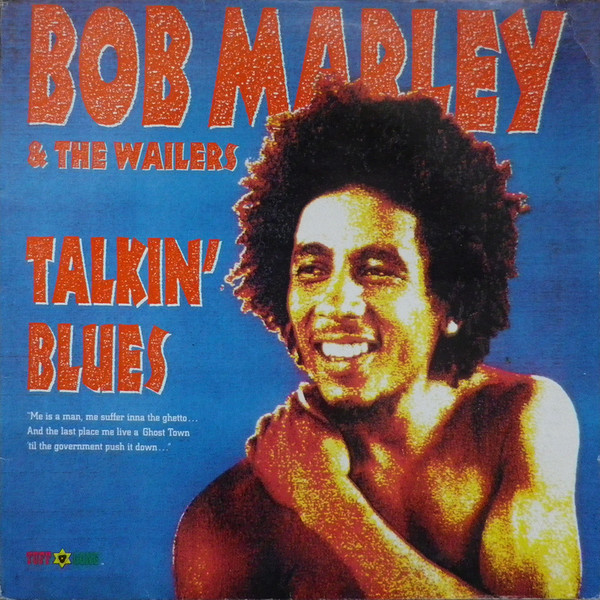
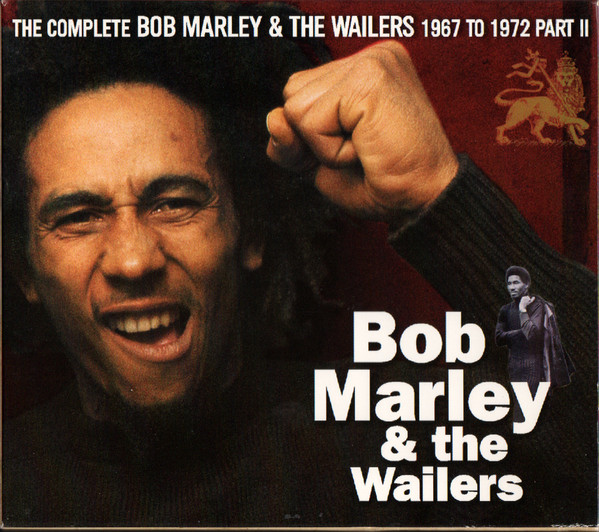
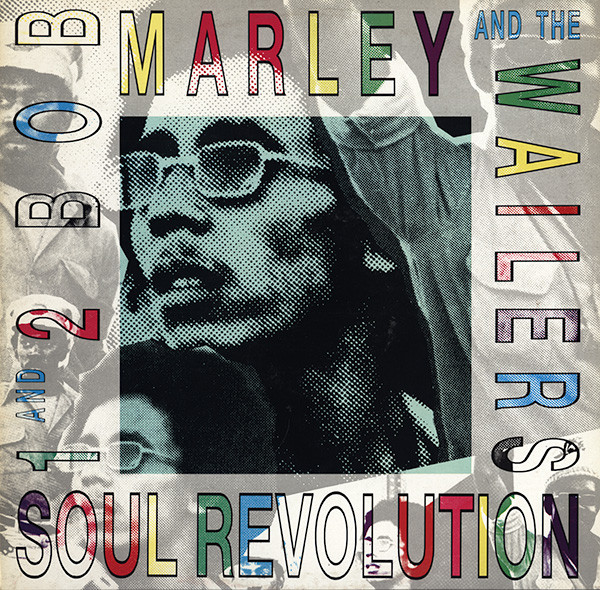
Bob Marley & The Wailers
A project Peter Tosh was part of. Former member.


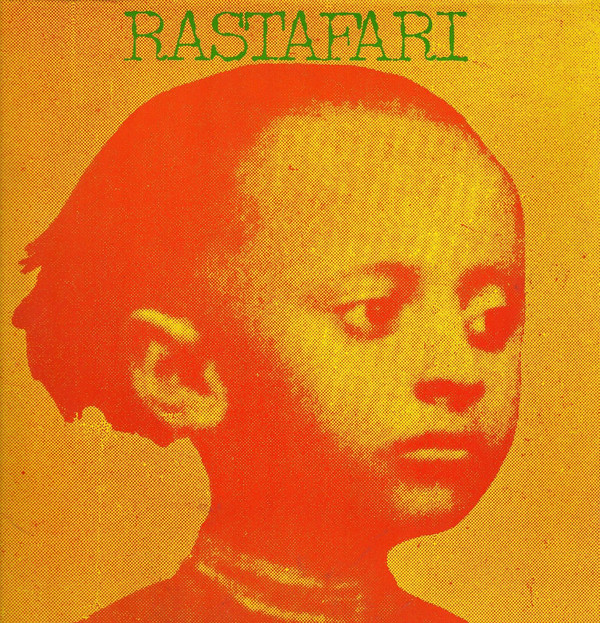
Ras Michael & The Sons of Negus
A project Peter Tosh was part of.


Related artists
Frequent collaborators
Around the web
Follow every record they touch.
Start your shelf and Gatefold tracks Peter Tosh's new pressings, tour dates, and the whole discography — automatically.
Start your shelf →Free forever. Works with 10 records or 10,000.