
Artist
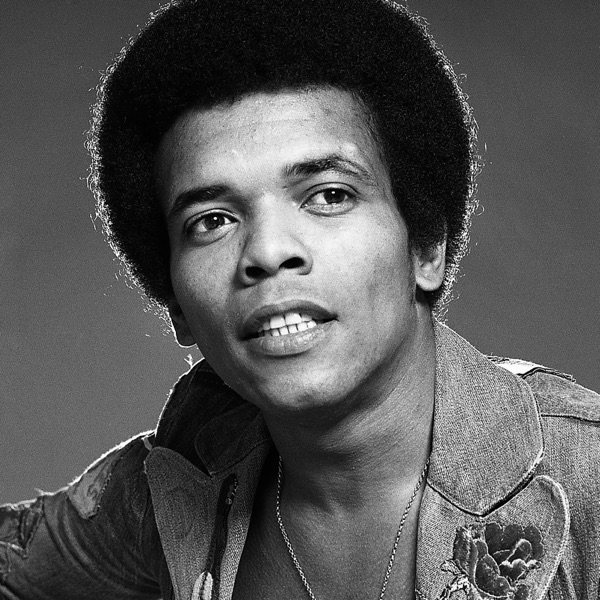
Johnny Nash
US reggae/pop singer-songwriter
Houston, United States · 1940 – 2020
Johnny Nash is a musician from Houston, United States, active 1940–2020. Their discography on Gatefold includes 24 records.
24
Albums tracked
31
In collections
1940
Since
Biography
Johnny Nash cut his teeth on clean-cut teen pop and church hymns before realizing American radio was completely sleeping on the riddims coming out of Kingston. In the late '60s, he flew down to Federal Records studio in Jamaica, hired the local session killers, and bankrolled Bob Marley and the Wailers before Island Records even had them on the radar. He was a Texas crooner with a pristine falsetto who put his own cash on the line to export rocksteady to international charts. He caught lightning in 1972 by stripping the clutter off four-track pop arrangements and leaning hard on Jamaican rhythm sections. The industry tried to treat him as a novelty crossover act, but the groove was dead serious. When the disco wave hit later in the decade, he drifted away from the studio entirely rather than chase trends he didn't care about. He took the money, owned his masters, and left behind a blueprint everyone else spent the next decade copying.
Bio from The Clerk
The Arc of Johnny Nash
The pivots — what forced Johnny Nash to reinvent.
The Clean-Cut Crooner
Nash started the late '50s slotted into the clean teen-idol mold alongside contemporaries like Paul Anka and George Hamilton IV. His early records were standard big-band pop, light jazz, and gospel ballads tracked with traditional orchestral arrangements. The voice was technically flawless, but the material kept him boxed in as a polite radio balladeer. You can hear a gifted singer searching for an identity inside stiff studio charts.
Kingston Conversion
Frustrated with mainstream soul constraints, Nash traveled to Jamaica in the late '60s and immediately pivoted his entire operation around rocksteady rhythms. He set up his own label imprint, tracked 'Hold Me Tight' at Federal Records, and signed Bob Marley, Rita Marley, and Peter Tosh to publishing deals. The resulting sound traded slick American horns for offbeat guitar chops and heavy, locked-in basslines. It was the moment his falsetto finally found an actual groove to ride.
The Breakthrough Pop-Reggae Crossover
By 1972, Nash synthesized authentic Jamaican rhythm sections with accessible pop songwriting to conquer global airwaves. Cutting tracks like 'I Can See Clearly Now' alongside Marley-penned cuts like 'Stir It Up,' he delivered the first massive reggae-pop smash in the States. The arrangements were airy, crisp, and completely driven by the rhythm pocket rather than lush strings. It opened the floodgates for Jamaican music on worldwide commercial radio.
Late Soul Ballads and Retreat
After topping the UK charts with a cover of 'Tears on My Pillow' in 1975, Nash slowly pulled back from the relentless major-label grind. He explored breezy disco-adjacent soul on 'Let's Go Dancing' before essentially stepping away from active touring and recording for years at a time. His later releases like 'Here Again' were rare, self-directed check-ins rather than commercial plays. He walked away on his own terms with his publishing intact.
Influences
- Sam Cooke — Cooke established the blueprint for gospel-trained vocalists crossing over into smooth pop without losing their melismatic control. Nash mirrored that effortless upper-register phrasing and clean vibrato on his early ABC-Paramount sides. You hear it straight through the vocal delivery on Nash's early ballads.
- Nat King Cole — Nash modeled his late-fifties crooner repertoire directly after Cole's warm, close-mic vocal style and sophisticated pop standards. Tracks on 'Let's Get Lost' lean heavily on Cole's understated phrasing and conversational delivery. It gave Nash the technical chops he later brought to rhythmic pop.
- Clyde McPhatter — McPhatter pioneered the use of a dramatic, high-tenor lead vocal out front of early rhythm and blues arrangements. Nash adopted that same soaring falsetto leap when transitioning from teenage ballads into uptempo R&B. You can trace Nash's vocal dynamics on sixties soul tracks right back to McPhatter's Drifters era.
- Little Willie John — John defined the passionate, concise delivery of late-fifties crossover R&B. Nash absorbed John's sense of timing and expressive vocal grit when stepping away from polite pop toward harder rhythm and blues. That bite surfaced immediately once Nash started cutting mid-tempo soul tracks in the mid-sixties.
- Mahalia Jackson — Nash grew up singing in church choirs and recorded entire early gospel projects like 'The Quiet Hour' anchored in traditional spirituals. Jackson's powerful phrasing and reverent breath control formed the bedrock of his fundamental vocal training. Even on his biggest secular pop singles, that church-born sustain never left his voice.
Discography
Their records — most-collected first.

I Can See Clearly Now
1972
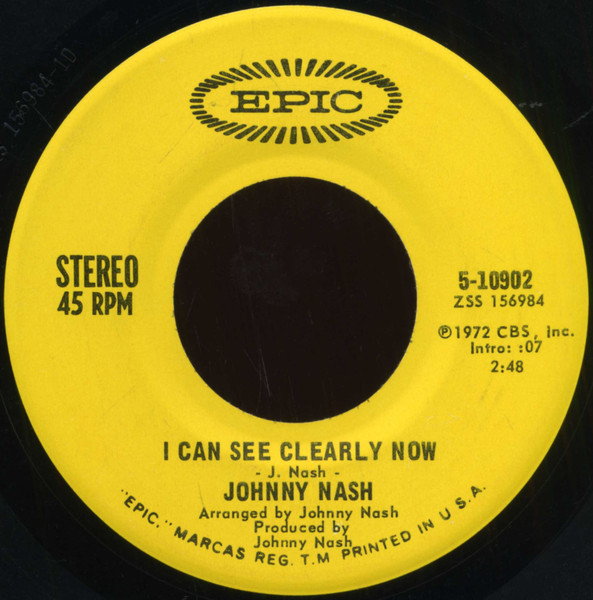
I Can See Clearly Now / How Good It Is
1972

Hold Me Tight / Cupid
1968

Soul Folk
1969

Besame Mucho
1978

The Johnny Nash Collection - 20 Of My Favourite Songs
1977
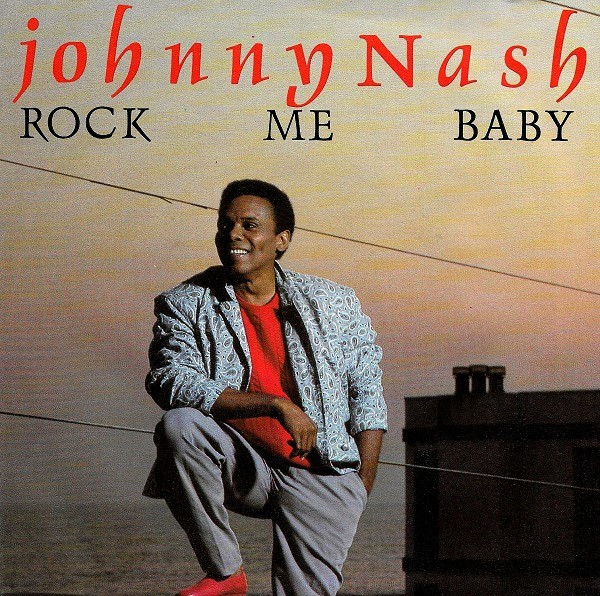
Rock Me Baby
1985

Stir It Up
1981

Love Me Tender
1978

Tears On My Pillow / Beautiful Baby
1975

Ooh What A Feeling / Yellow House
1973

Johnny Nash & Kim Weston
1969

Johnny Nash
1958

The Best Of
1996

The Reggae Collection
1993

Here Again
1986

Let's Go Dancing
1979
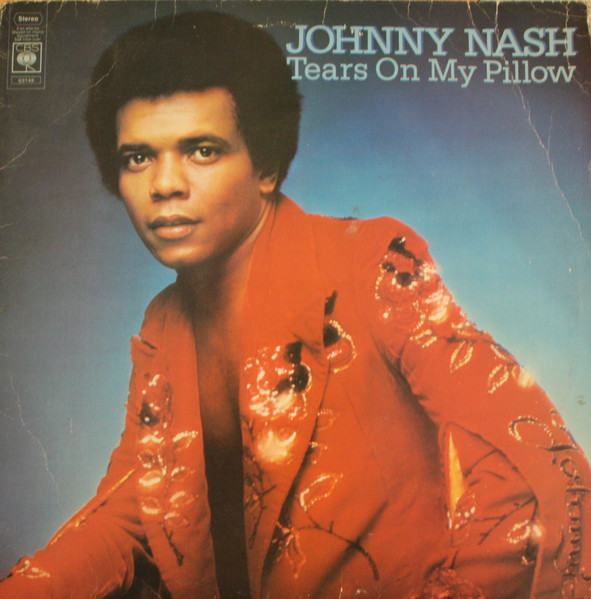
Tears On My Pillow
1975

Celebrate Life
1974
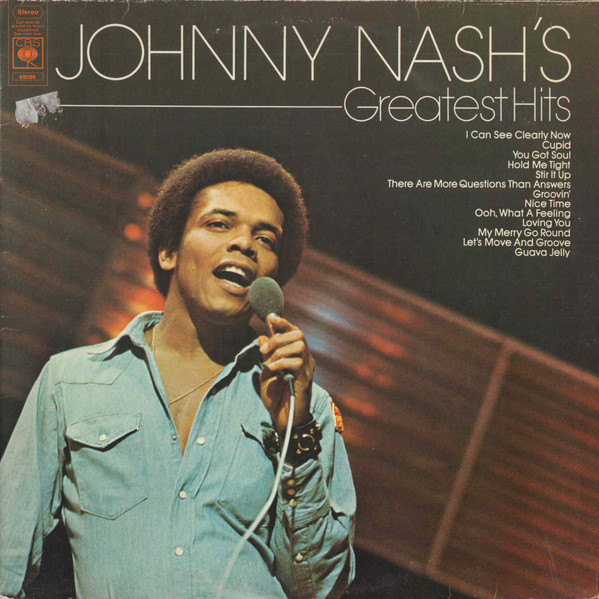
Johnny Nash's Greatest Hits
1974

Teardrops In The Rain
1972
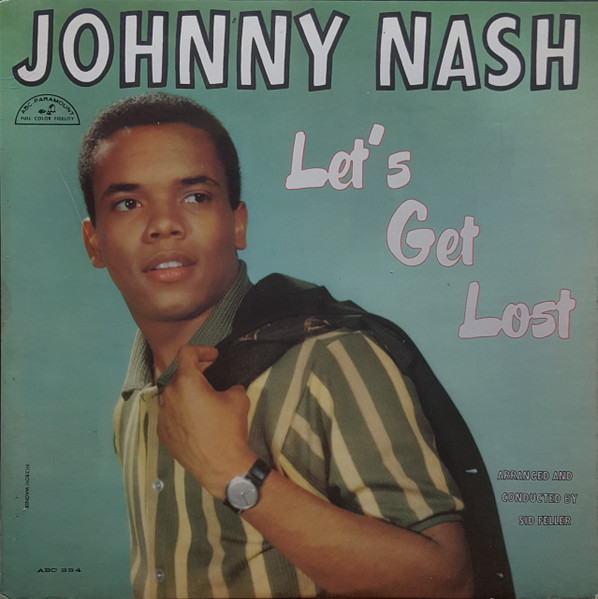
Let's Get Lost
1960

I Got Rhythm
1959

The Quiet Hour
1959
Related artists
Around the web
Follow every record they touch.
Start your shelf and Gatefold tracks Johnny Nash's new pressings, tour dates, and the whole discography — automatically.
Start your shelf →Free forever. Works with 10 records or 10,000.