
Artist
Bob Marley & The Wailers
Kingston, Jamaica · 1970 – 1981
Bob Marley & The Wailers is a music group from Kingston, Jamaica, active 1970–1981. Their discography on Gatefold includes 24 records.

45
Albums tracked
988
In collections
1970
Since
Biography
Chris Blackwell flew the four-track master tapes of Catch a Fire to Island Studios in London, handed them to keyboardist John 'Rabbit' Bundrick and American session guitarist Wayne Perkins, and ordered them to overdub blues rock leads and synthesizers over the Kingston session tapes. Purists called it cultural treason. It wasn't — it was a cold, calculated Trojan horse to sell Jamaican studio dubs to white college kids who only bought Eric Clapton and Led Zeppelin records. The real engine was never just Bob. It was the Barrett brothers locking down the low end — Family Man's melodic, heavy-gauge Fender Jazz bass and Carly's rimshots skipping on the three — while Peter Tosh provided the raw sneer and Bunny Wailer held down the vocal harmonies. When Tosh and Bunny walked after Burnin' because Blackwell refused to put their names on the marquee, the grit didn't vanish; it shifted. Backed by the I-Threes and American guitarists like Al Anderson and Junior Marvin, the outfit evolved into the tightest, highest-grossing political roots-rock machine on the planet.
Bio from The Clerk
The Arc of Bob Marley & The Wailers
The pivots — what forced Bob Marley & The Wailers to reinvent.
The Upsetter Sessions
Between 1969 and 1971, Lee 'Scratch' Perry pulled Bob, Peter, and Bunny out of a creative dead end and paired them with the Upsetters' rhythm section, Aston and Carlton Barrett. Working out of cheap studio setups on rudimentary four-track gear, Perry stripped away the remaining doo-wop polish and forced them to lean into dread paranoia and militant minimalism. The resulting tracks on African Herbsman and Soul Revolution set the rhythmic blueprint for everything Island Records would later commercialize.
The Island Rock Overhauls
Signing to Island Records in 1972 meant access to high-end London mixing boards, but Chris Blackwell demanded a sound that English and American rock audiences could stomach. Blackwell personally oversaw overdub sessions that layered Wayne Perkins' slide guitar and Moog synthesizers on top of the original Jamaican tapes for Catch a Fire and Burnin'. It sparked instant international attention, but the forced Westernization and relentless focus on Bob alienated Peter Tosh and Bunny Wailer, who both quit by 1974.
The International Arena Machine
With the founding trio dead, Marley rebranded as Bob Marley & The Wailers, recruiting the I-Threes on backing vocals and American lead guitarists like Al Anderson to conquer global stadiums. Following the 1976 assassination attempt at 56 Hope Road, Marley decamped to London to record Exodus and Kaya, polishing the rough roots rebel posture into sleek, radio-ready soul-reggae. The sound was punchier, cleaner, and aimed directly at worldwide arenas, turning revolutionary anthems into ubiquitous global pop music before his death in 1981.
Influences
- The Impressions — Curtis Mayfield's gospel-infused vocal harmonies and social messaging were the direct foundation for the early Wailers vocal arrangements at Studio One. Marley lifted Mayfield's 1965 track 'People Get Ready' almost bar-for-bar when writing 'One Love'. You hear Mayfield's civil rights framing and delicate falsetto runs echoing all over the early vocal interplay between Bob, Bunny, and Peter.
- The Skatalites — The Skatalites served as the house band at Clement 'Coxsone' Dodd's Studio One when the teenage Wailers auditioned and cut 'Simmer Down' in late 1963. Tommy McCook's brass charts and Lloyd Knibb's syncopated ska drumming physically dictated the tempo and punch of the group's earliest recordings. Without that relentless horn-driven cadence, the Wailers would have started as a standard American soul knockoff.
- James Brown — Marley was obsessed with the precision and hard-on-the-one funk discipline of James Brown's backing outfits during the late sixties. Carlton Barrett's tight snare cracks and the percussive, scratching rhythm guitar chops on tracks like 'Lively Up Yourself' pull directly from the J.B.'s playbook. Marley didn't just borrow the groove; he lifted the relentlessly disciplined bandleader approach.
- The Drifters — American doo-wop and R&B 45s broadcast over Miami AM radio towers hit Kingston sound systems and directly taught the vocal trio how to structure four-part harmony. Early tracks cut with Coxsone Dodd, like 'It Hurts to Be Alone', are straight mid-tempo American street-corner doo-wop exercises. The smooth call-and-response vocal trading became the core weapon the trio used even after shifting to dread roots.
- Fats Domino — Domino's heavy, piano-driven New Orleans rhythm and blues records flooded Jamaican dancehalls in the late fifties and provided the rhythmic DNA for early ska and rocksteady. The accent on the offbeat in Domino's barrelhouse boogie is the direct mechanical ancestor of the Wailers' skank guitar chop. It was the original imported sound that transformed Kingston street buskers into studio musicians.
Discography
Their records — most-collected first.
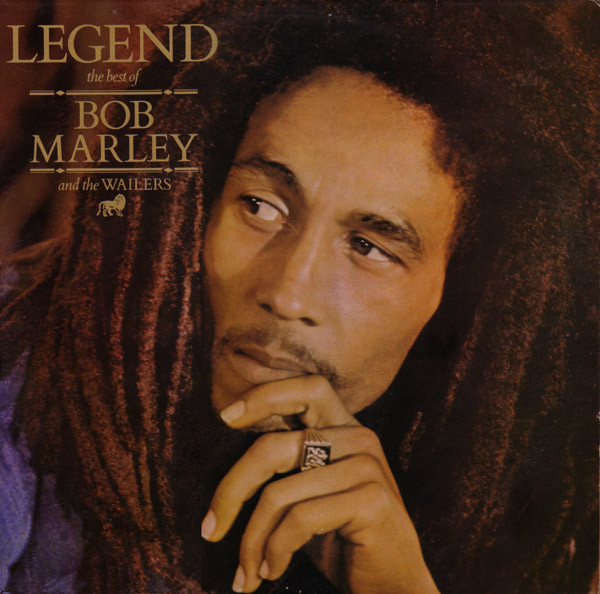
Legend (The Best Of Bob Marley And The Wailers)
1984

Exodus
1977

Kaya
1978
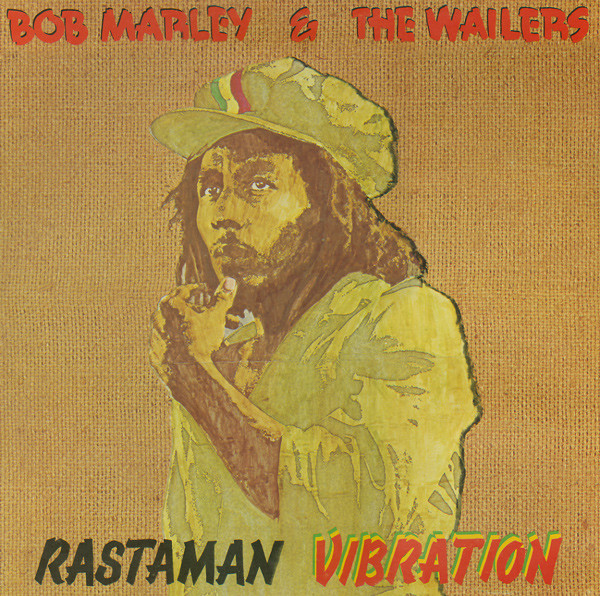
Rastaman Vibration
1976

Natty Dread
1975

Uprising
1980

Live!
1975
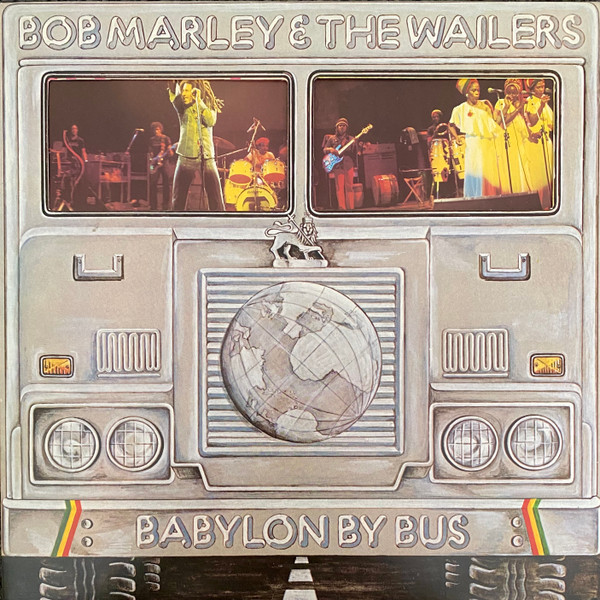
Babylon By Bus
1978
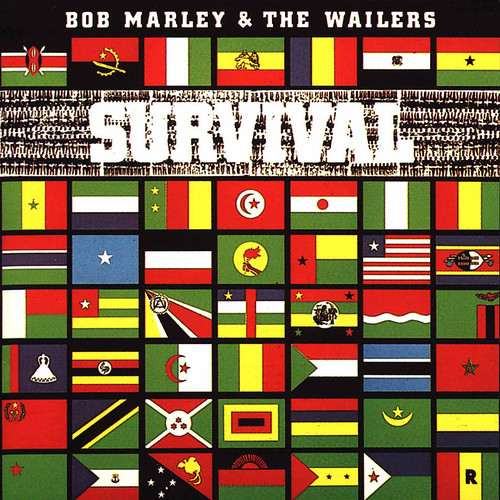
Survival
1979

Confrontation
1983

Catch A Fire
2001

Soul Rebels
1970
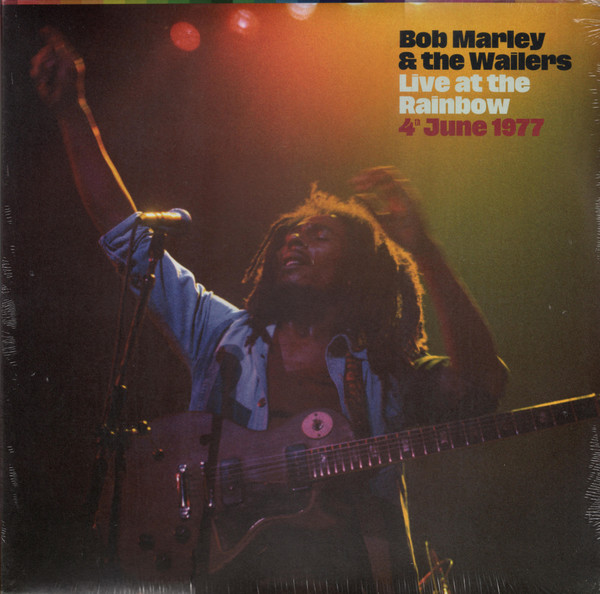
Live!
1983
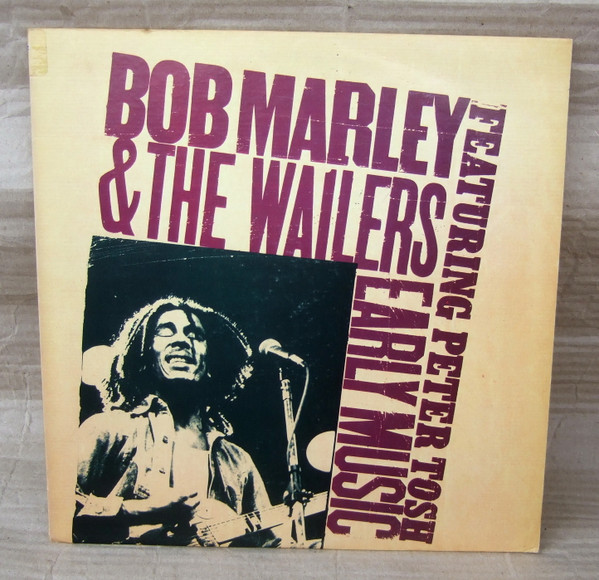
Early Music
1977

African Herbsman
1973

Soul Revolution Part II
1971
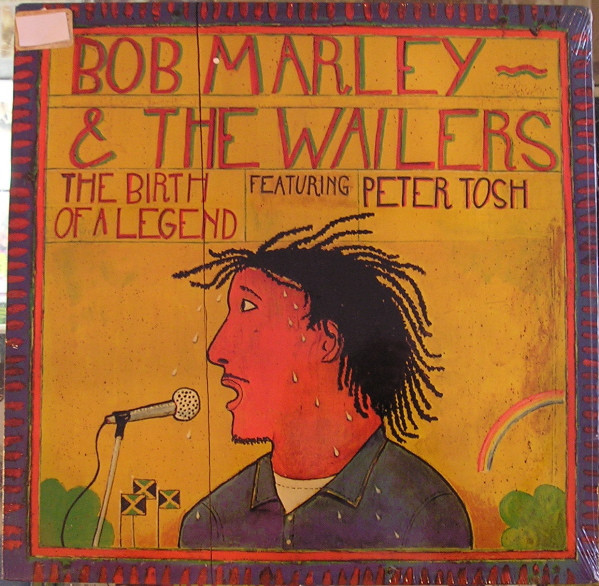
The Birth Of A Legend
1977

Rebel Music
1986
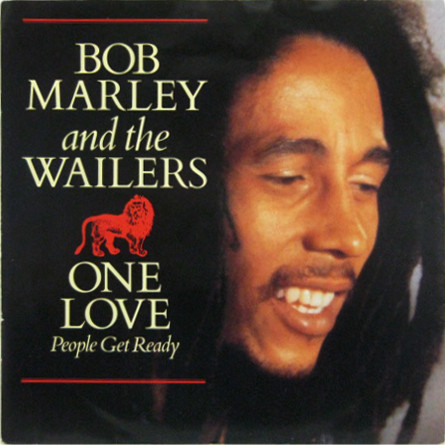
One Love / People Get Ready
1984

The Capitol Session '73
2021
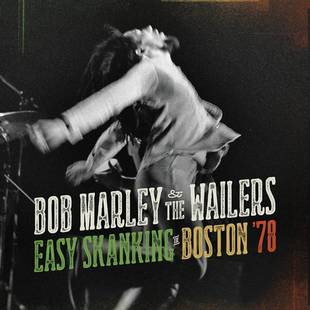
Easy Skanking In Boston '78
2015
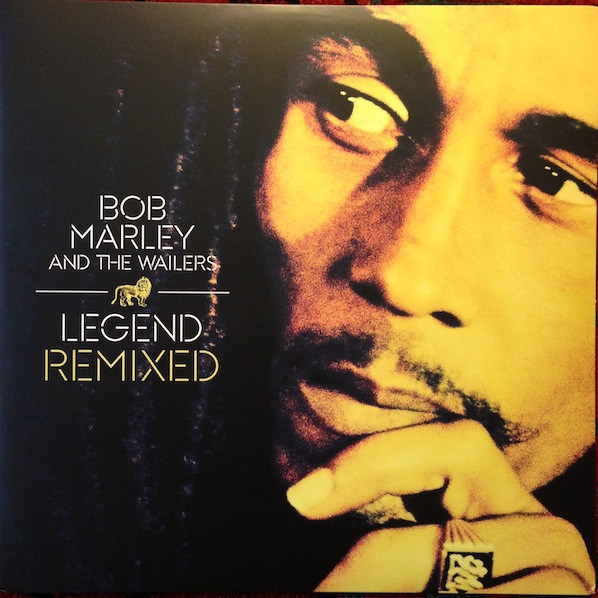
Legend Remixed
2013
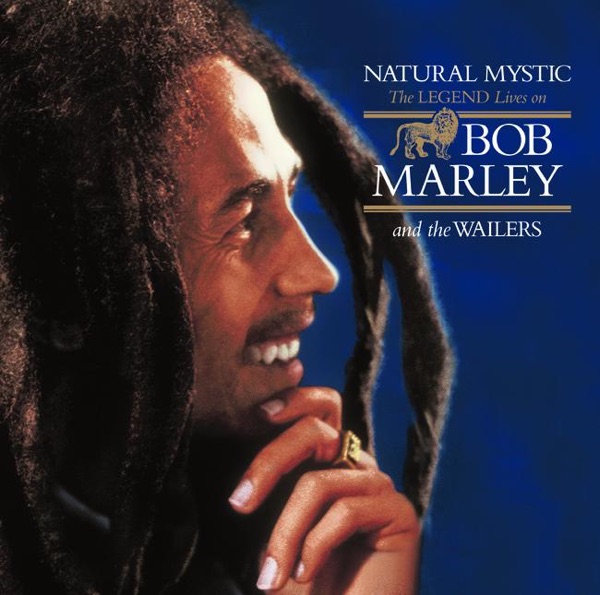
Natural Mystic (The Legend Lives On)
1995
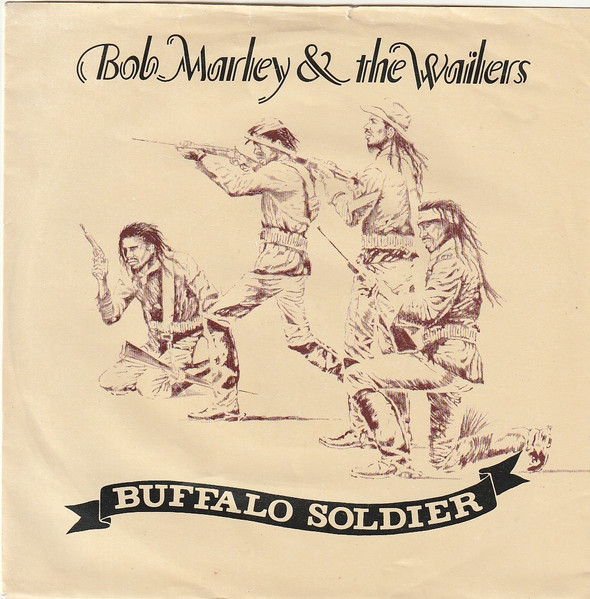
Buffalo Soldier
1983
Related artists
Members
Frequent collaborators
Around the web
Follow every record they touch.
Start your shelf and Gatefold tracks Bob Marley & The Wailers's new pressings, tour dates, and the whole discography — automatically.
Start your shelf →Free forever. Works with 10 records or 10,000.