
Artist
Paul Simon
Newark, United States · b. 1941
Paul Simon is a musician from Newark, United States, active since 1941. Their discography on Gatefold includes 24 records. They also recorded with Simon & Garfunkel and Tom & Jerry.

92
Albums tracked
1,749
In collections
1941
Since
Biography
Paul Simon started out under the name Jerry Landis, chasing Doo-Wop trends and trying to sound like a Brill Building hack before he ever found a voice. By the time he hit Columbia, he was a folk-rock machine, but the guy's real trick was a cold-blooded obsession with rhythm over melody. He’d fly to Jamaica just to get the drum sound at Dynamic Sounds Studios for 'Mother and Child Reunion,' or burn through a marriage just to get the right snare snap on 'Hearts and Bones.' He isn't a folk singer. He's a collector of sounds who happens to write lyrics on top. He spent most of the 80s as a has-been after 'One-Trick Pony' and 'Hearts and Bones' died on the charts. Most guys would have packed it in or started playing the hits at state fairs. Instead, he ignored a UN cultural boycott, flew to Johannesburg, and tracked 'Graceland' with musicians like Bakithi Kumalo and Ray Phiri. It was a career-saving move that looked like a PR disaster on paper. He’s spent the decades since experimenting with Brian Eno and choral arrangements, proving he's still the smartest—and often the most stubborn—guy in the room.
Bio from The Clerk
The Arc of Paul Simon
The pivots — what forced Paul Simon to reinvent.
The Muscle Shoals Pivot
After the split with Garfunkel, Simon ditched the pristine New York vocal stacks and headed to Muscle Shoals Sound Studio to work with the Swampers. You hear the shift immediately on 'There Goes Rhymin’ Simon' where the stiff folk structures give way to gospel and R&B grooves. He was looking for a grease that the folk scene lacked, leaning on the Muscle Shoals Rhythm Section to provide a loose, Southern pocket. It turned him from a poetic songwriter into a proper groove-based artist.
The Johannesburg Sessions
Following the commercial failure of 'Hearts and Bones,' Simon became obsessed with a bootleg cassette of South African mbaqanga music. He flew to South Africa in '85 to record with local players, ignoring the political firestorm to capture a specific, rubbery bass tone and accordion-heavy drive. The resulting record, 'Graceland,' didn't just save his career; it changed the way pop music integrated polyrhythmic structures. It felt like a reinvention of the drum kit, trading standard rock beats for a cyclical, percussive energy.
The Sonic Architecture Era
By the mid-2000s, Simon moved away from world-beat explorations toward a dense, glitchy textural focus, most notably on 'Surprise' with Brian Eno. He traded his acoustic foundations for Eno’s 'sonic landscapes' and electronic treatments, creating a weird tension between his precise songwriting and digital chaos. This led to his later work like 'Stranger to Stranger,' where he used custom-made instruments like the Cloud-Chamber Bowls. He became less interested in the song as a story and more interested in the song as a frequency.
Influences
- The Everly Brothers — Simon has explicitly stated that 'Bye Bye Love' was the template for Simon & Garfunkel’s vocal blend. You hear it in the tight, two-part harmony and the percussive acoustic guitar strumming that defined the early Columbia years. It’s the DNA of everything they did before they got weird.
- Chuck Berry — Before he was a folkie, Simon was a rock and roll obsessive who modeled his early Tom & Jerry guitar playing on Berry’s double-stop riffs. The rhythmic bounce of 'Kodachrome' is just a sophisticated evolution of a Berry shuffle. He took the rock and roll backbeat and sanded it down for a collegiate audience.
- Odetta — Simon cites her 1956 album 'Sings Ballads and Blues' as the record that made him trade his electric guitar for an acoustic. Her heavy, rhythmic thumb-picking style is the foundation for his fingerstyle work on 'The Paul Simon Songbook.' She provided the weight that grounded his pop sensibilities.
- The Dixie Hummingbirds — He brought this legendary gospel group in to sing on 'Loves Me Like a Rock' because he’d been studying their vocal arrangements since the 50s. You hear their influence in the call-and-response structures he uses to build tension in his solo work. He wasn't just a fan; he hired them to prove he knew the source material.
- Jimmy Cliff — Simon traveled to Kingston to record with Cliff’s backing band after being floored by the rocksteady and early reggae coming out of Jamaica. 'Mother and Child Reunion' is one of the first credible examples of a white American artist getting the reggae feel right. It was a direct result of his obsession with Cliff's 'The Harder They Come' era.
Paul Simon — solo
Their records — most-collected first.
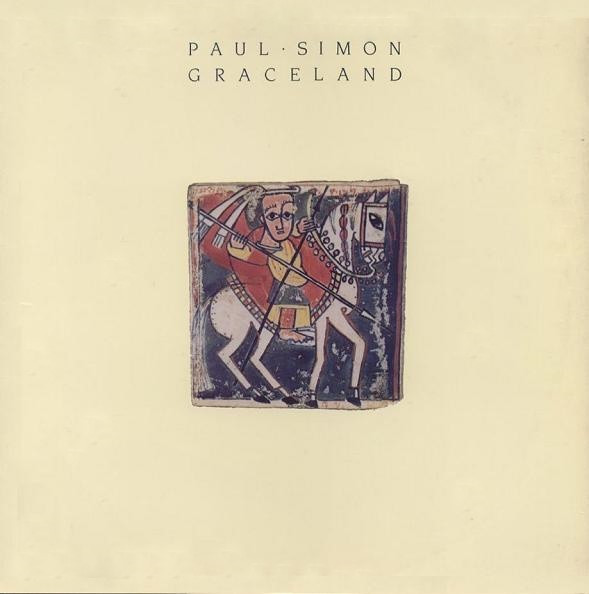
Graceland
1986
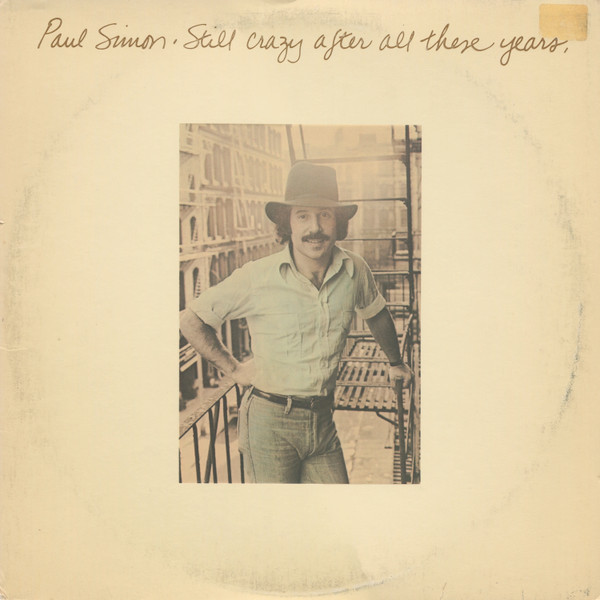
Still Crazy After All These Years
1975
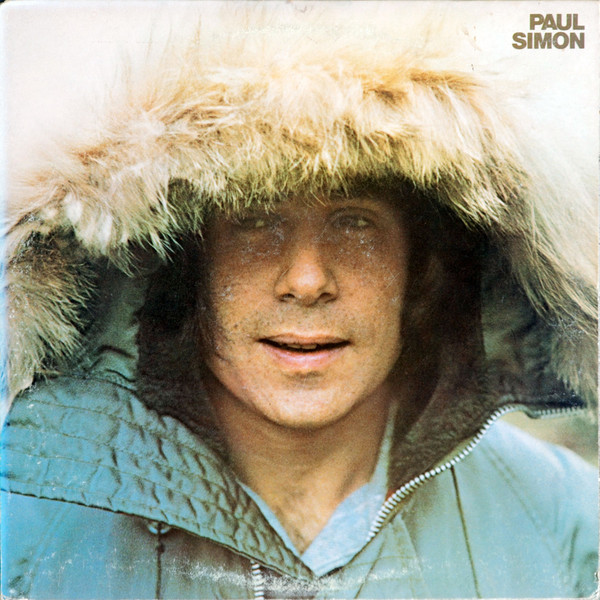
Paul Simon
1972

There Goes Rhymin' Simon
1973
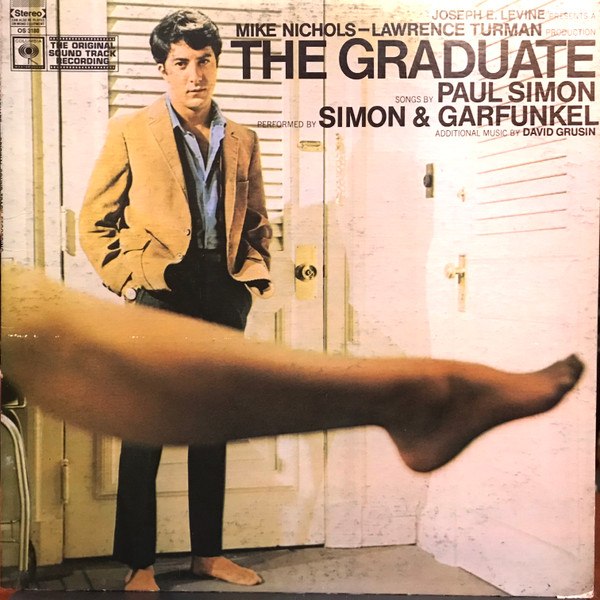
The Graduate (Original Sound Track Recording)
1968
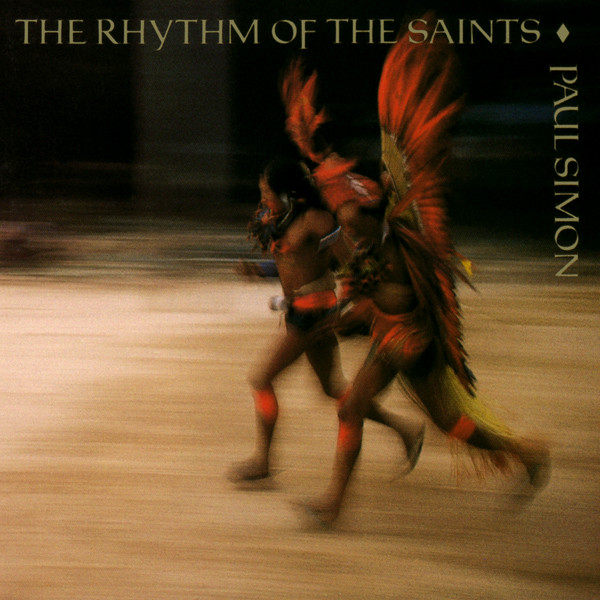
The Rhythm Of The Saints
1990
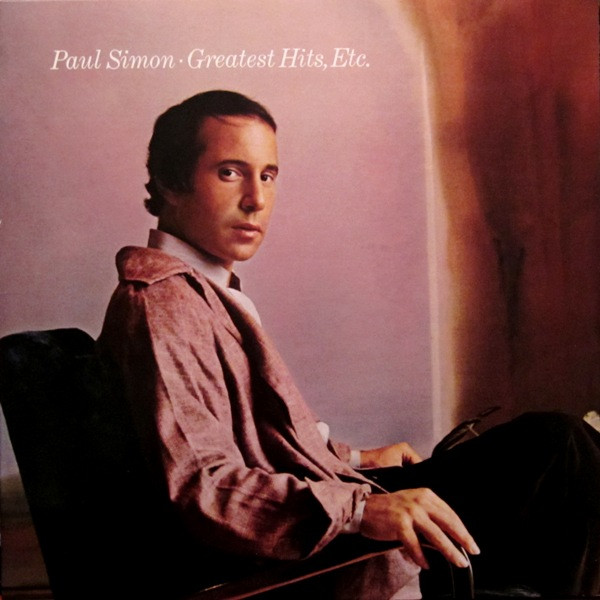
Greatest Hits, Etc.
1977
One-Trick Pony
1980
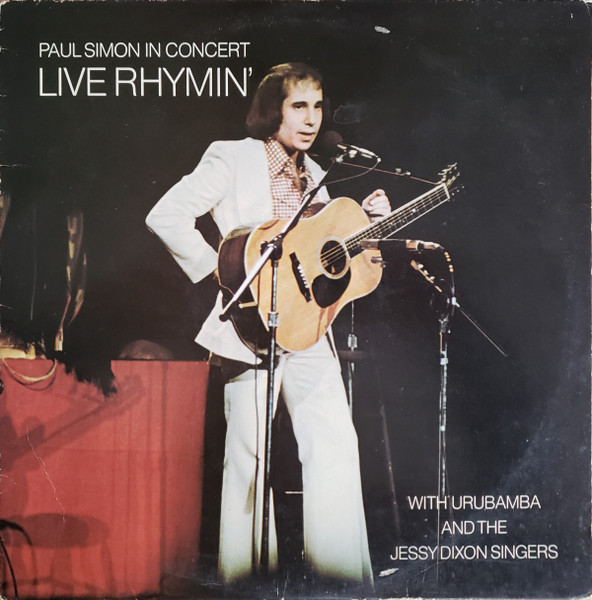
Paul Simon In Concert Live Rhymin'
1974

Hearts And Bones
1983

Negotiations And Love Songs (1971-1986)
1988

Stranger To Stranger
2016

Seven Psalms
2023

So Beautiful Or So What
2011
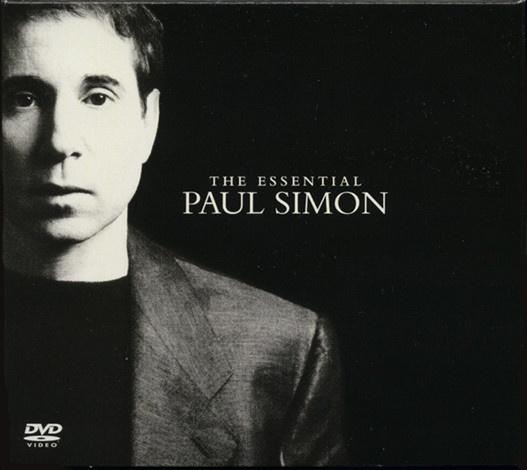
The Essential Paul Simon
2007
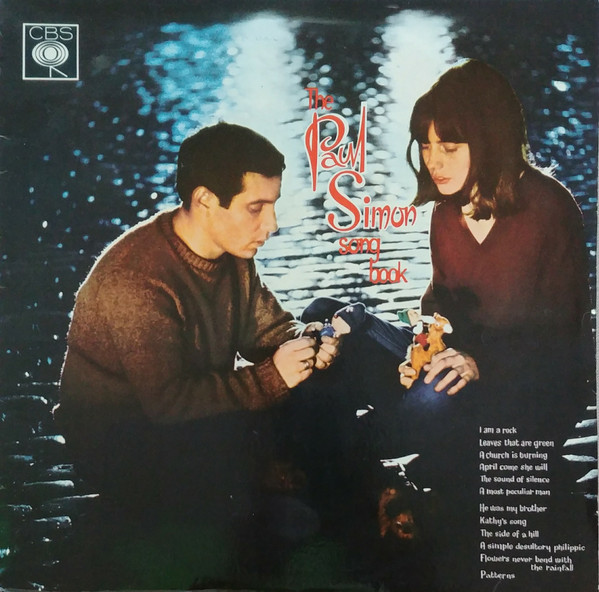
The Paul Simon Song Book
1965

Paul Simon's Concert In The Park
1991
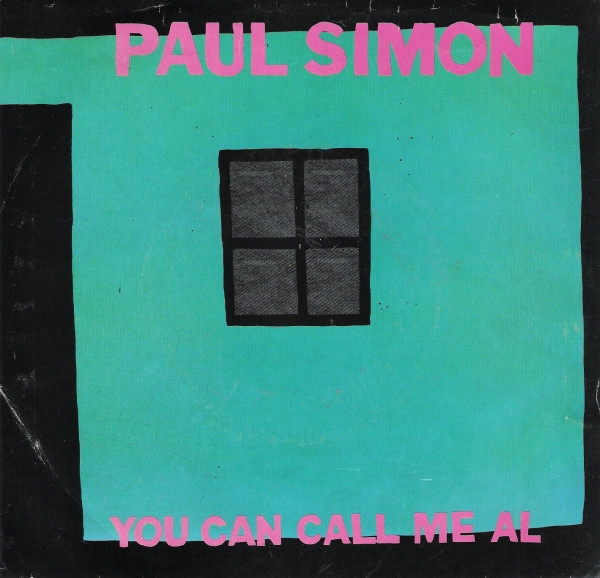
You Can Call Me Al
1986

Songs From The Capeman
1997
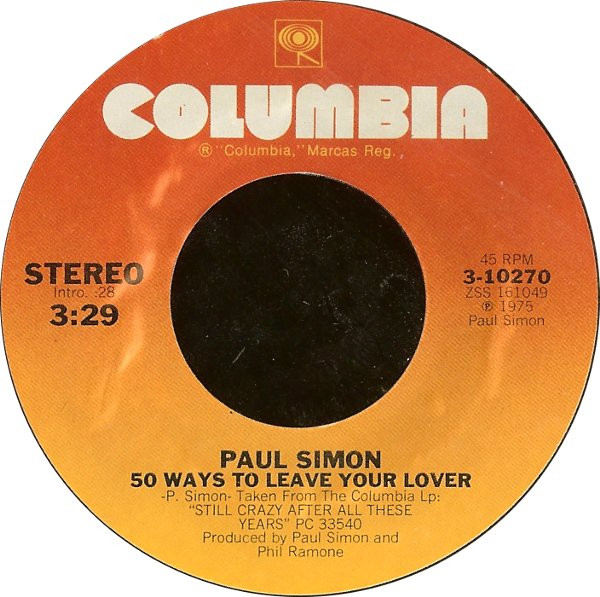
50 Ways To Leave Your Lover / Some Folks Lives Roll Easy
1975
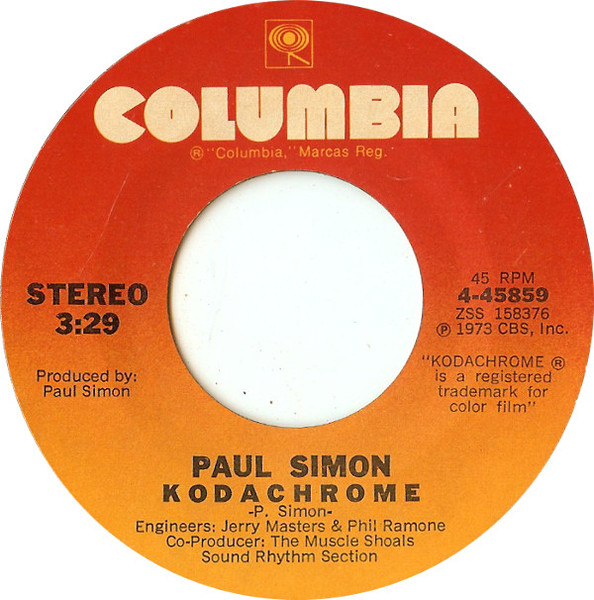
Kodachrome / Tenderness
1973

Loves Me Like A Rock
1973

Me And Julio Down By The Schoolyard
1972

You're The One
2000
Simon & Garfunkel
Paul Simon under another name — MusicBrainz marks this project eponymous.
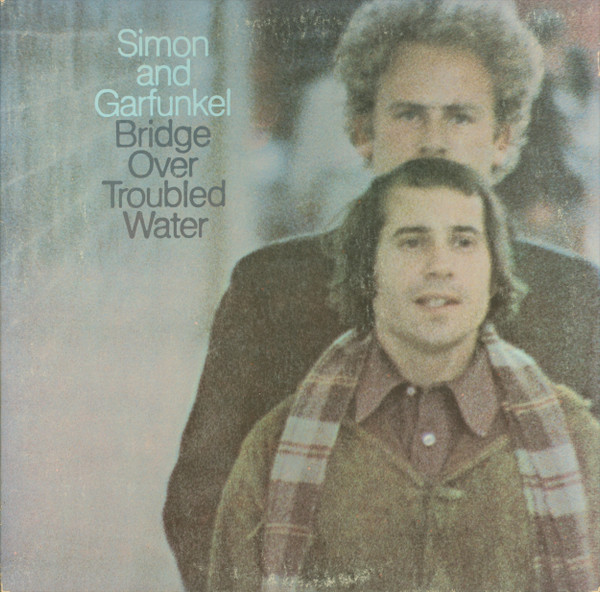
Bridge Over Troubled Water
1970
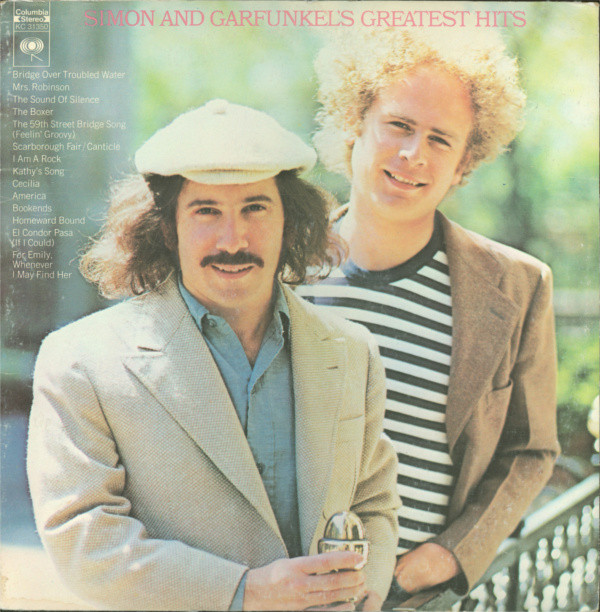
Simon And Garfunkel's Greatest Hits
1972
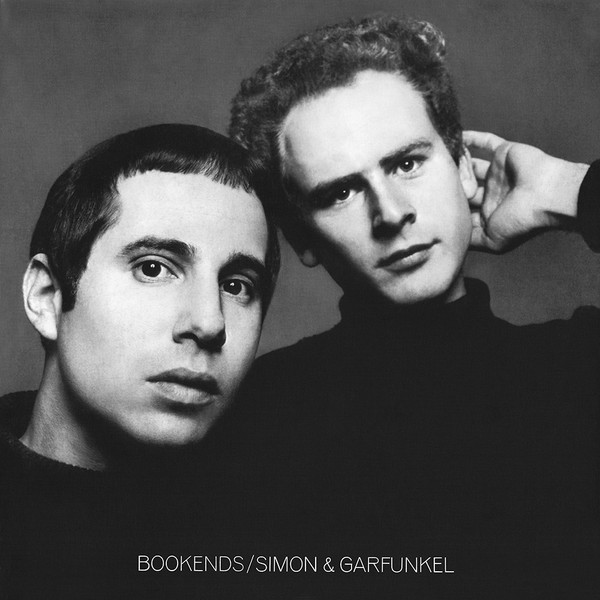
Bookends
1968
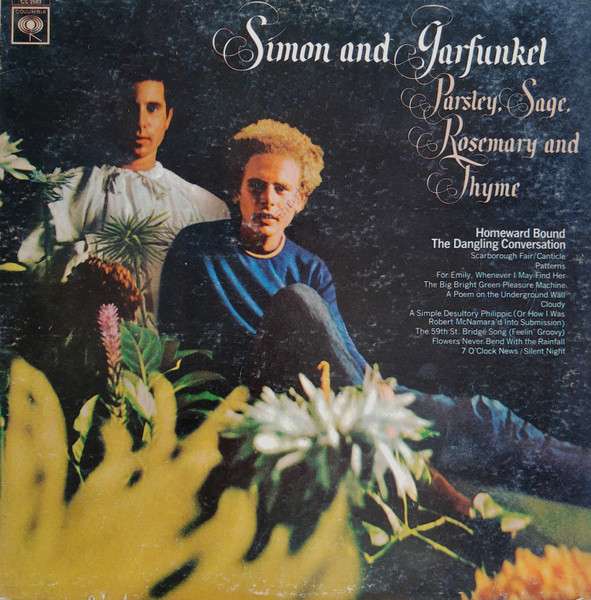
Parsley, Sage, Rosemary And Thyme
1966
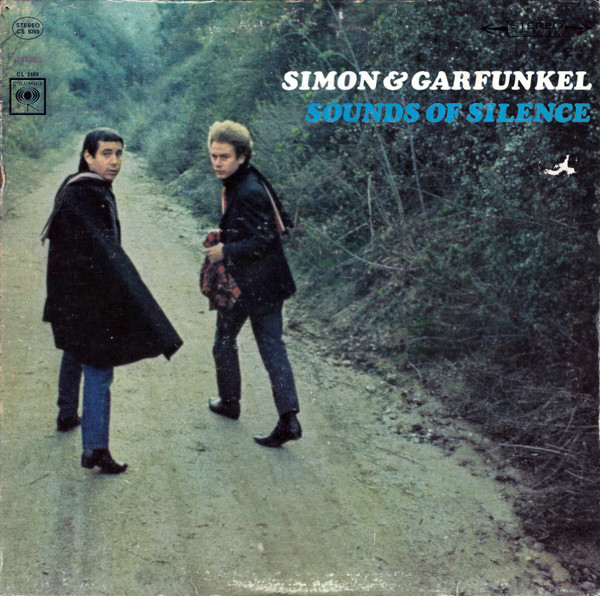
Sounds Of Silence
1966
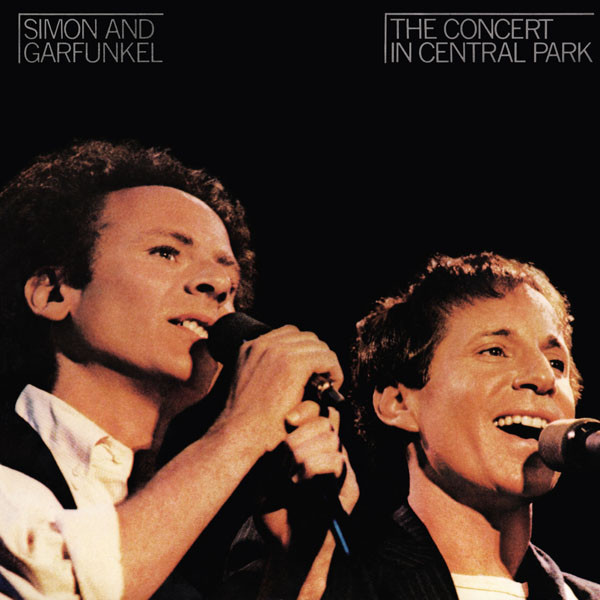
The Concert In Central Park
1982
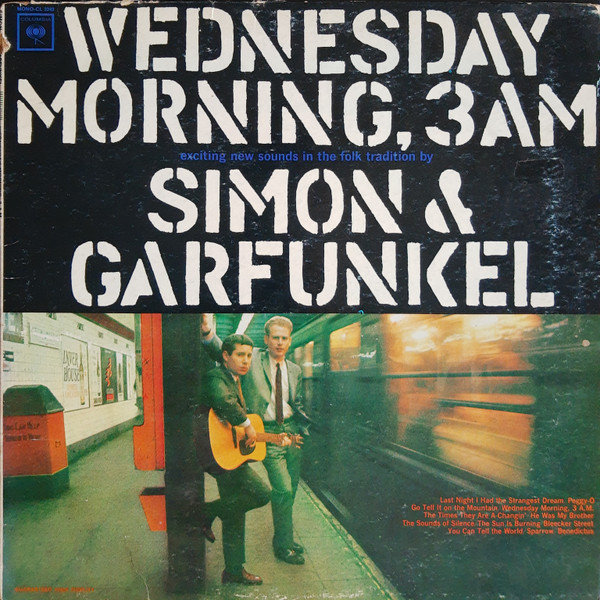
Wednesday Morning, 3 A.M.
1964
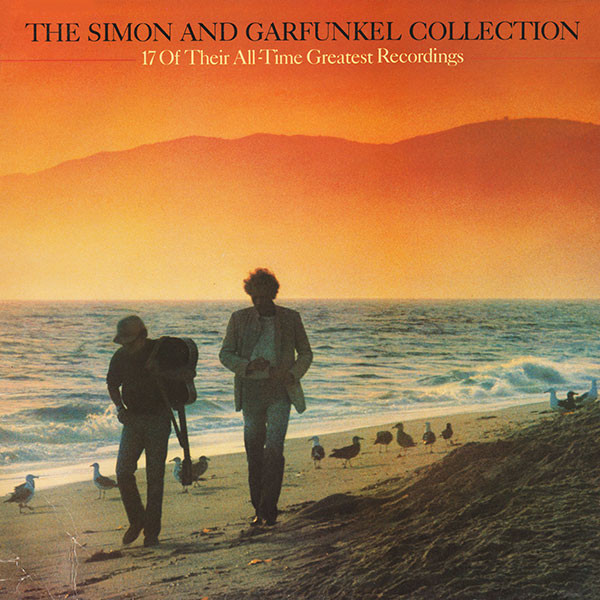
The Simon And Garfunkel Collection
1981

The Essential Simon & Garfunkel
2003
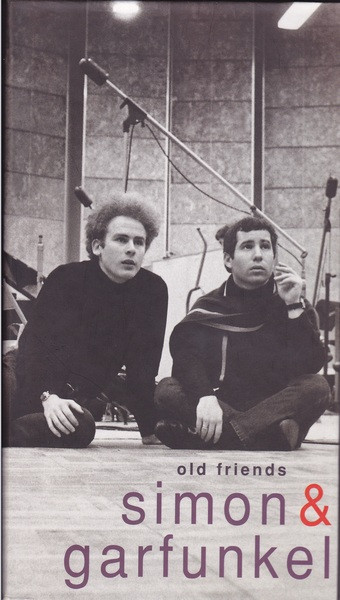
Old Friends
1997

The Definitive Simon & Garfunkel
1991
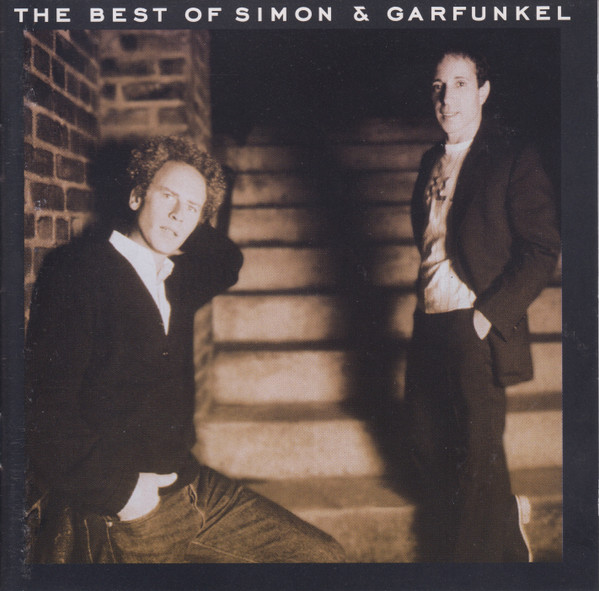
The Best Of Simon & Garfunkel
1999
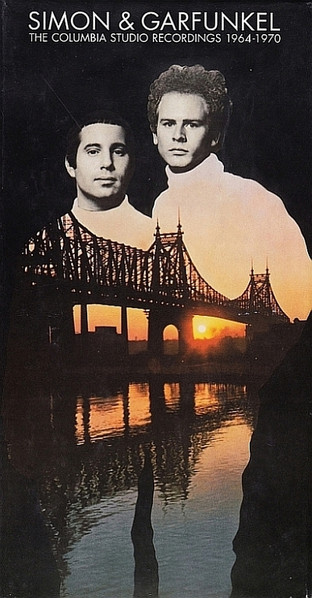
The Columbia Studio Recordings 1964-1970
2001

Mrs. Robinson
1968

Old Friends Live On Stage
2004

Greatest Hits
1998

I Am A Rock
1966
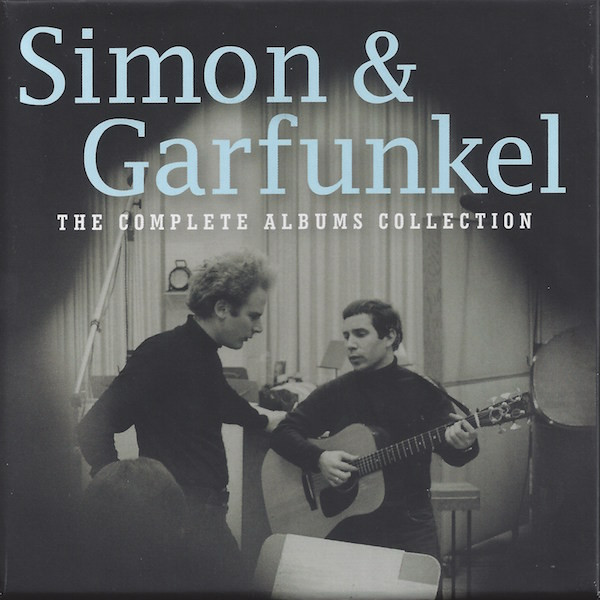
The Complete Albums Collection
2014
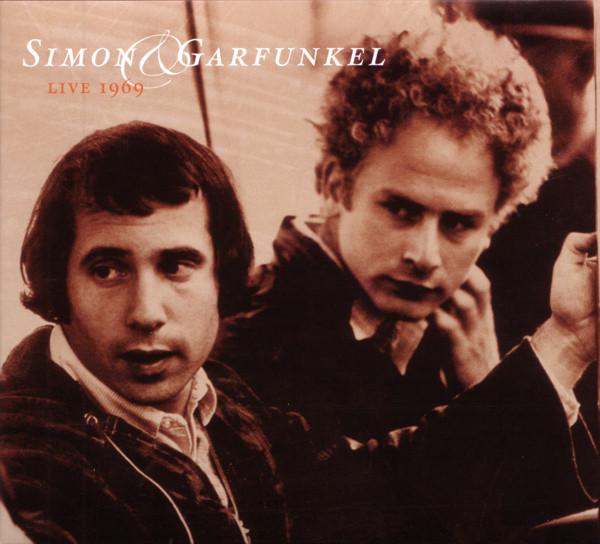
Live 1969
2008
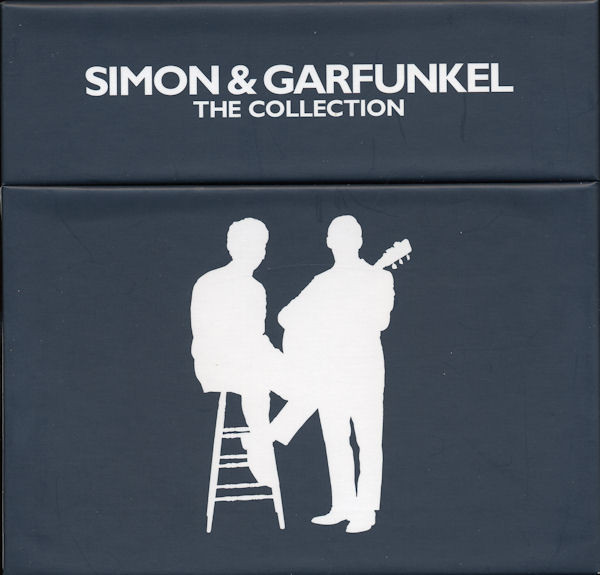
The Collection
2007
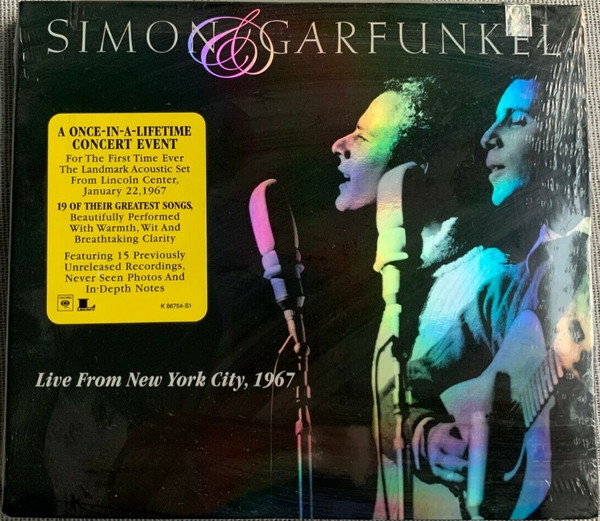
Live From New York City, 1967
2002
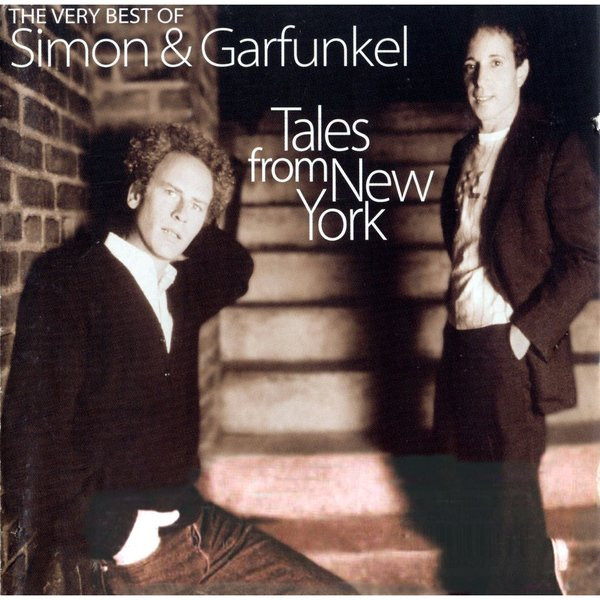
Tales From New York: The Very Best Of Simon & Garfunkel
1999
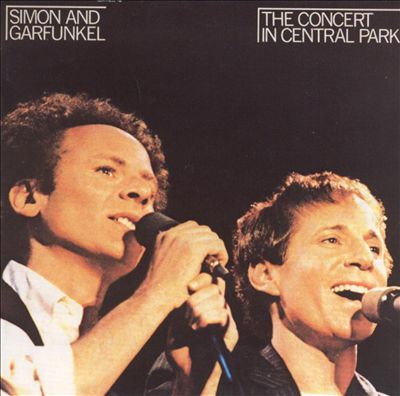
The Concert In Central Park / 20 Greatest Hits
1997

The Lost BBC Sessions & More
2019
Tom & Jerry
A project Paul Simon was part of. Former member.

Related artists
Around the web
Follow every record they touch.
Start your shelf and Gatefold tracks Paul Simon's new pressings, tour dates, and the whole discography — automatically.
Start your shelf →Free forever. Works with 10 records or 10,000.