
Artist
Nektar
Hamburg, Germany · Formed 1969
Nektar is a music group from Hamburg, Germany, active since 1969. Their discography on Gatefold includes 24 records.

27
Albums tracked
90
In collections
1969
Since
Biography
Dieter Dierks ran the board at Studio Dierks in Stommeln, pushing tape machines to their breaking point while four British expats and a light artist tried to out-Kraut the Germans. Nektar were an anomaly: an English squad living in West Germany, signed to Bellaphon, and officially crediting their lighting guy Mick Brockett as a full band member on the sleeve. Roye Albrighton played guitar with a heavy, blues-battered swing that set them apart from the sterile side of prog. They built sprawling, side-long conceptual tracks out of sheer sweat and grease rather than classical pretense. Then the mid-seventies hit, and America took the bait with Remember the Future before anyone back in London even noticed they existed. The machine started to fray once Albrighton walked out before Magic Is a Child, leaving them to drift into lightweight late-seventies radio fluff. When Roye came back, the fire flickered in spurts across reunions and lineup shifts, but those early Dieter Dierks sessions remain the real deal. Heavy psych dressed up in space suits, completely indifferent to what the British music press thought.
Bio from The Clerk
The Arc of Nektar
The pivots — what forced Nektar to reinvent.
The Dierks Space-Rock Foundry
Holled up in West Germany under engineer Dieter Dierks, the band carved out their signature heavy space-prog sound across Journey to the Centre of the Eye and A Tab in the Ocean. Mick Brockett was dialed in as a full visual member, translating their live liquid light projections directly into the pacing of the studio arrangements. Albrighton’s stinging lead guitar and Taff Freeman's Mellotron gave them a rough-edged, punchy counterweight to the prevailing symphonic prog trends. It was loud, weird, and distinctly forged outside the London industry fishbowl.
American Breakthrough and the Concept Peak
Cut in 1973, Remember the Future captured lightning in a bottle by structuring two side-long continuous suites around tighter, funk-inflected hard rock grooves. Bellaphon licensed their catalog to Passport Records in the States, and American FM radio picked up the title track without any mainstream press push. The sudden US chart success drove them into massive arena tours supporting the likes of Frank Zappa. It proved that a British band recording in Stommeln could conquer American arenas purely on word-of-mouth FM airplay.
Geoff Emerick and the Pop Drift
Looking for a tighter, cleaner production sheen, they brought in former Beatles engineer Geoff Emerick and synth player Larry Fast for 1975's Recycled. The record tackled environmental collapse with blistering synthesizer arrangements, but internal exhaustion fractured the group shortly after. Roye Albrighton left the fold, forcing the remaining members to hire guitarist Dave Nelson for 1977's Magic Is a Child. The resulting sound abandoned the sprawling space-rock odysseys in favor of soft-edged, radio-friendly pop-rock that alienated their hardcore following.
The Albrighton Reclamation
Albrighton reclaimed the wheel for 1980's Man in the Moon before putting the moniker on ice for decades, finally sparking a full-blown reunion at NEARfest in 2002. Reunited with Freeman, Moore, and Howden, the classic core went back to cut The Prodigal Son and Evolution. Even as members drifted in and out and Albrighton's health battles mounted prior to his 2016 passing, the band stubbornly kept the heavy, Hammond-driven machinery running on tour. The latter-day records served as an uncompromised victory lap for a band that never got proper credit from the English establishment.
Influences
- The Jimi Hendrix Experience — Roye Albrighton routinely cited Jimi Hendrix as the primary catalyst for his aggressive, wah-heavy lead phrasing. You hear that searing, overdriven attack tearing through the opening minutes of A Tab in the Ocean. It gave Nektar a raw blues-rock spine that most European prog outfits completely lacked.
- The Beatles — The band leaned heavily on tight, three-part vocal harmonies lifted straight from Abbey Road to anchor their extended instrumental jams. Tracks like 'Countenance' show how much Allan Freeman and Derek Moore relied on Lennon-McCartney vocal phrasing to humanize their sci-fi concepts. Bringing in Beatles engineer Geoff Emerick to produce Recycled was the ultimate receipt.
- Pink Floyd — Pink Floyd's late-sixties live light experiments directly inspired Nektar to integrate liquid light artist Mick Brockett as a permanent, credited band member. The atmospheric, slide-guitar float on Journey to the Centre of the Eye mirrors the interstellar space drift of Saucerful of Secrets. They took Floyd's psychedelic blueprint and played it at twice the volume.
- The Moody Blues — The sweeping, orchestral Mellotron washes deployed by Allan 'Taff' Freeman take direct cues from Mike Pinder's pioneering keyboard arrangements on Days of Future Passed. You hear this heavy, dramatic symphonic pad driving the dynamic shifts on 'King of Twilight.' It provided the cinematic glue between Albrighton's hard-charging guitar riffs.
- Cream — The rhythmic engine of bassist Derek 'Mo' Moore and drummer Ron Howden was built on the heavy, improvisational push-and-pull pioneered by Jack Bruce and Ginger Baker. Songs like 'Desolation Valley' abandon strict timekeeping for fluid, heavy-bottomed blues jamming. It kept their early records sounding like a live powerhouse rather than a sterile studio construct.
Discography
Their records — most-collected first.
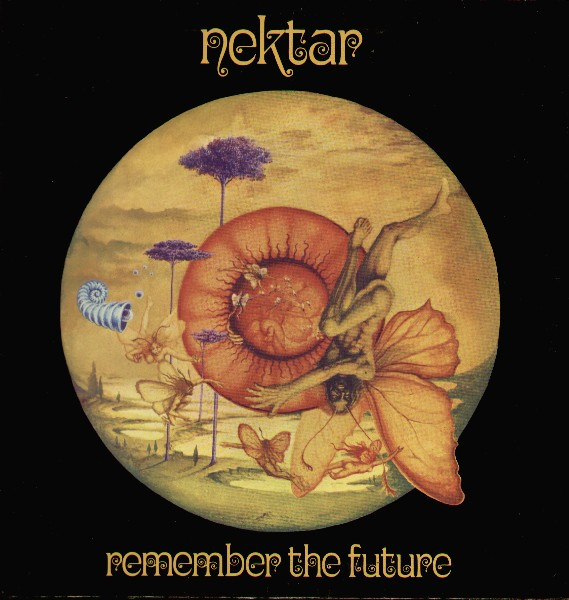
Remember The Future
1973
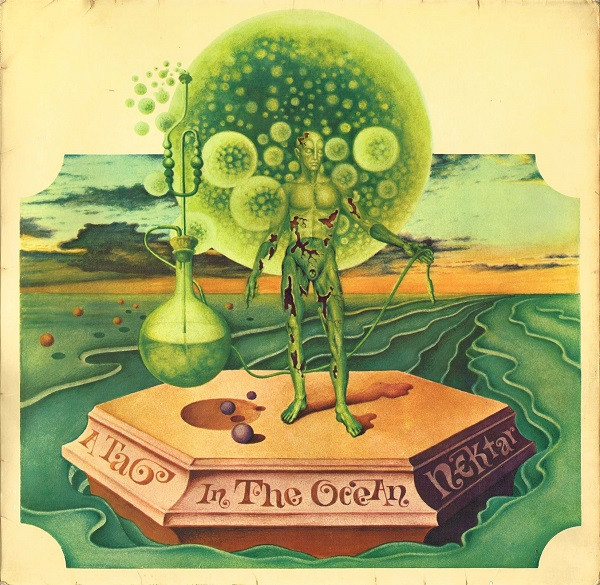
A Tab In The Ocean
1972
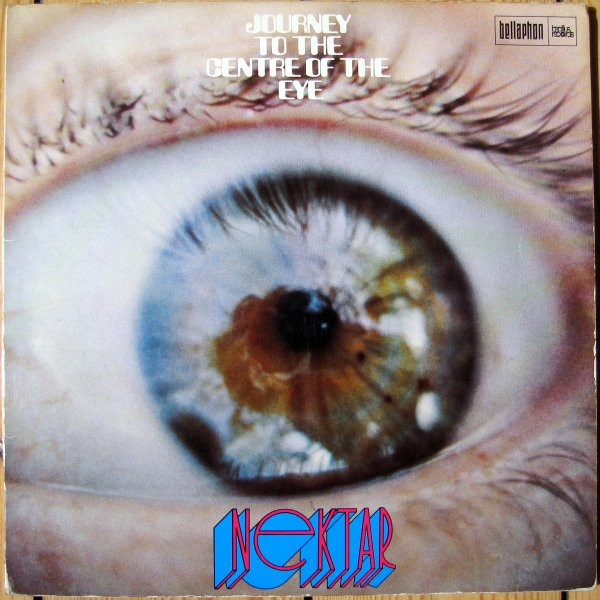
Journey To The Centre Of The Eye
1971

Down To Earth
1974
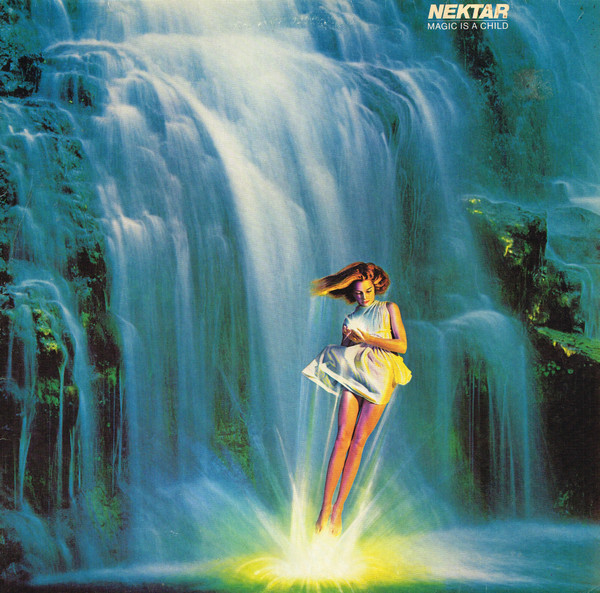
Magic Is A Child
1977
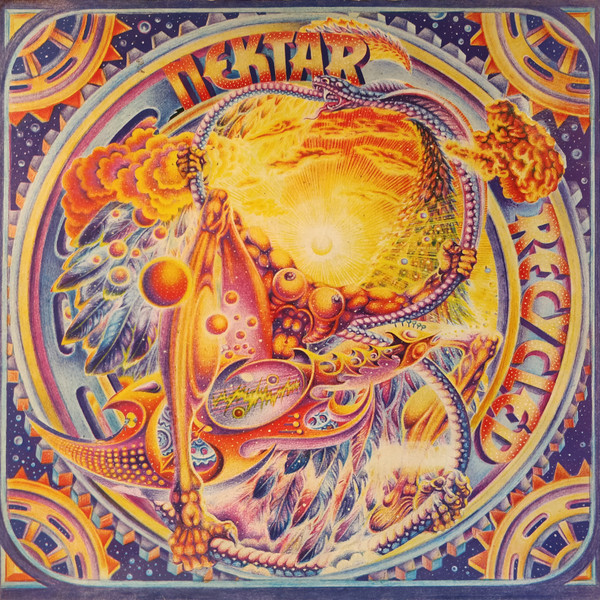
Recycled
1975

Live In New York
1977

Sunday Night At London Roundhouse
1974

...Sounds Like This
1973

Man In The Moon
1980

Journey To The Other Side (Live At The Dunellen Theatre June 10, 2023)
2024

Mission To Mars
2024
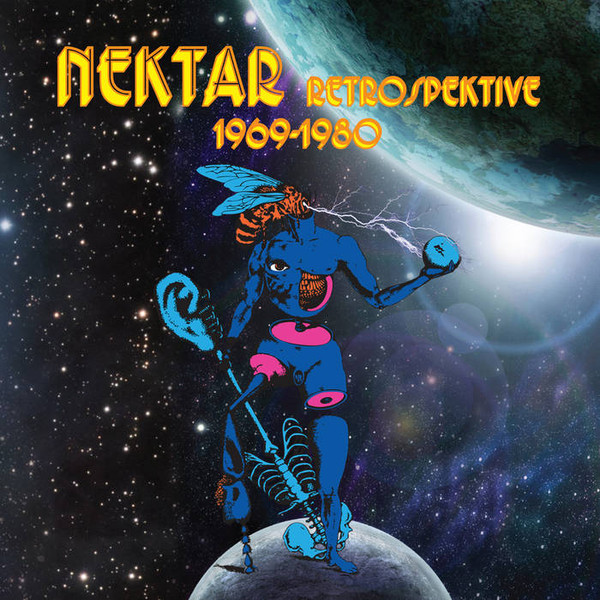
Retrospektive 1969-1980
2021

The Other Side
2020

Live In Bremen
2017

Time Machine
2013

A Spoonful Of Time
2012
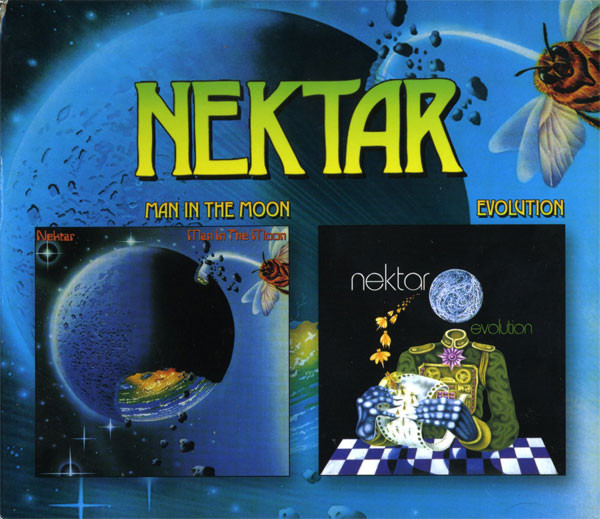
Man In The Moon / Evolution
2012

Fortyfied
2009

Book Of Days
2008

Live In Germany 2005
2005

Door To The Future • The Lightshow Tapes Volume 1
2005

Evolution
2004
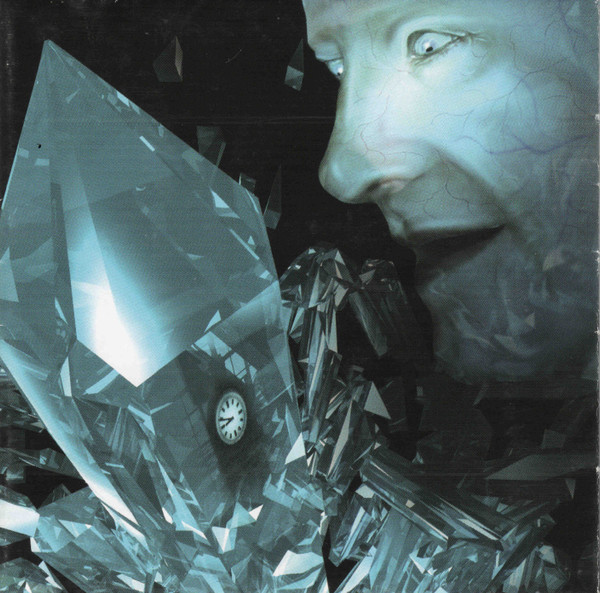
The Prodigal Son
2001
Related artists
Frequent collaborators
Around the web
Follow every record they touch.
Start your shelf and Gatefold tracks Nektar's new pressings, tour dates, and the whole discography — automatically.
Start your shelf →Free forever. Works with 10 records or 10,000.