
Artist
Mort Shuman
Brooklyn
Mort Shuman is a music group from Brooklyn. Their discography on Gatefold includes 12 records.

12
Albums tracked
0
In collections
—
Since
Biography
Doc Pomus sat in a wheelchair scribbling lyrics on yellow legal pads while Mort Shuman hammered out chords on an upright piano in a cramped Brill Building cubicle. Between 1958 and 1965, they fed the pop machine with ruthless efficiency, writing "Save the Last Dance for Me," "A Teenager in Love," and "Viva Las Vegas." Shuman wasn't just a hitmaker on a clock. He was a classically trained pianist obsessed with cabaret, foreign idioms, and drama who got bored of teen-pop formula long before the British Invasion killed it off. He bailed on New York, relocated to Paris, and spent his second act translating Jacques Brel into English, effectively altering theatrical songwriting forever with *Jacques Brel Is Alive and Well and Living in Paris*. Then he turned himself into a legitimate French pop star. The American industry treated him like a nostalgic footnote from the Brill era. The Europeans understood what he actually was: a melodist with a wicked, theatrical streak and no interest in staying in his lane.
Bio from The Clerk
The Arc of Mort Shuman
The pivots — what forced Mort Shuman to reinvent.
The Brill Building Factory
Paired with Doc Pomus at Hill & Range, Shuman churned out dozens of defining pop and rhythm-and-blues hits for Atlantic and Elvis Presley. His rhythmic, minor-key piano grooves gave songs like "Sweets for My Sweet" and "Little Sister" a sharper bite than the usual teen idol fluff. The grind was relentless, and the pair practically owned the pop charts through the early sixties until the traditional songwriting room model began to fracture.
The Brel Translation and Theater Pivot
Exhausted by the American pop assembly line, Shuman immersed himself in the chanson world and acquired the rights to Jacques Brel's catalog. Alongside Eric Blau, he translated Brel's abrasive, passionate French lyrics into English for the off-Broadway revue *Jacques Brel Is Alive and Well and Living in Paris*. The show became an international juggernaut, introducing Brel to English-speaking artists from Scott Walker to David Bowie.
The French Solo Years
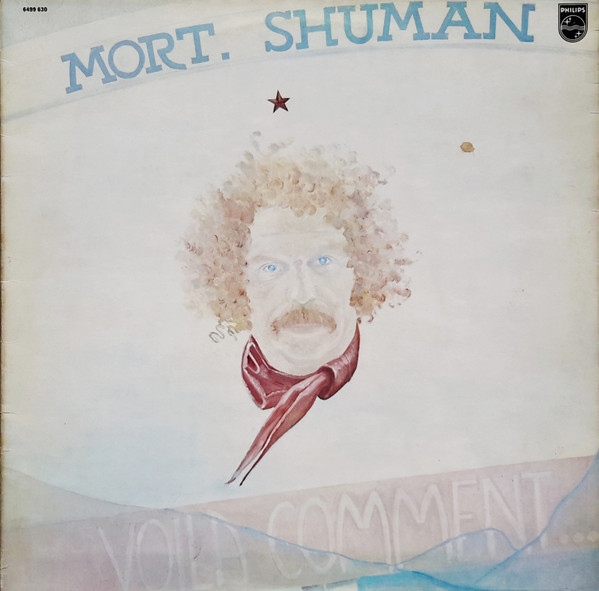
Settling permanently in France, Shuman rebranded himself as a gravel-voiced solo singer and film composer throughout the seventies. Records like *Voilà comment...* and soundtrack work for films like *À nous les petites Anglaises* made him a household name in Paris. He embraced lush orchestrations, dry French humor, and unabashed melodrama, leaving his Brill Building roots entirely behind.
Influences
- Jacques Brel — Shuman discovered Brel's records in the early sixties and spent years securing the English translation rights to his catalog. Brel's dramatic pacing and cynical romanticism directly rebuilt Shuman's writing style on *Jacques Brel Is Alive and Well and Living in Paris* and his 1969 solo cut "My Death." It completely broke him out of the Brill Building formula.
- Big Joe Turner — Doc Pomus cut his teeth writing blues for Big Joe Turner, and that heavy jump-blues rhythm was injected directly into Shuman's early collaborative tracks like "Boogie Woogie Country Girl." You hear Turner's rhythmic bounce in the driving piano riffs Shuman later laid down for Elvis Presley. It kept Shuman's pop melodies anchored in real swing.
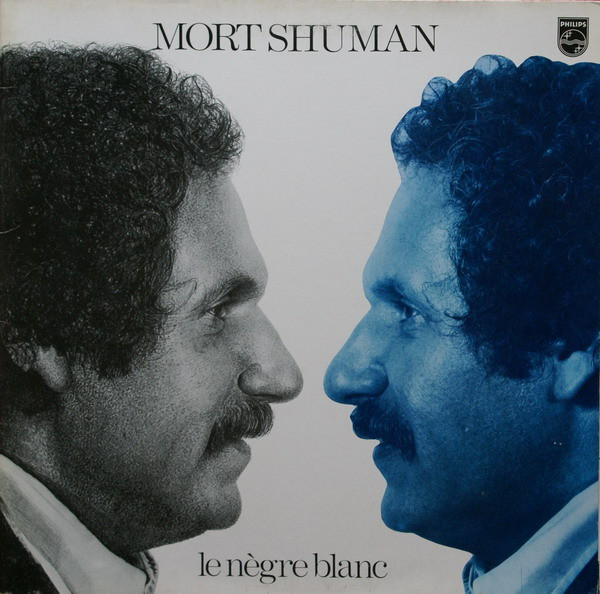
- Kurt Weill — Shuman studied classical piano and openly drew from Weimar-era cabaret and European theater traditions. That abrasive, dramatic tension bleeds straight through his theatrical scoring and later French solo arrangements on albums like *Le Nègre blanc*. It gave his commercial work an edge most American pop writers never possessed.
- Ray Charles — Atlantic Records was the target destination for Pomus and Shuman's best material in the late fifties, and Ray Charles's mix of gospel changes and rhythm-and-blues set their blueprint. Shuman's gospel-inflected chord voicings on ballads like "Save the Last Dance for Me" mirror Charles's mid-fifties Atlantic arrangements. The gospel cadences were fundamental to his piano style.
- Chopin — Before ever touching a pop chart, Shuman had formal classical piano training steeped in Chopin's romanticism and minor-key harmonic structures. That European classical framework shows up across his melancholic melodies and dramatic modulations on cuts like "Sur un fil rouge." He used classical architecture to make simple three-chord pop sound massive.
Discography
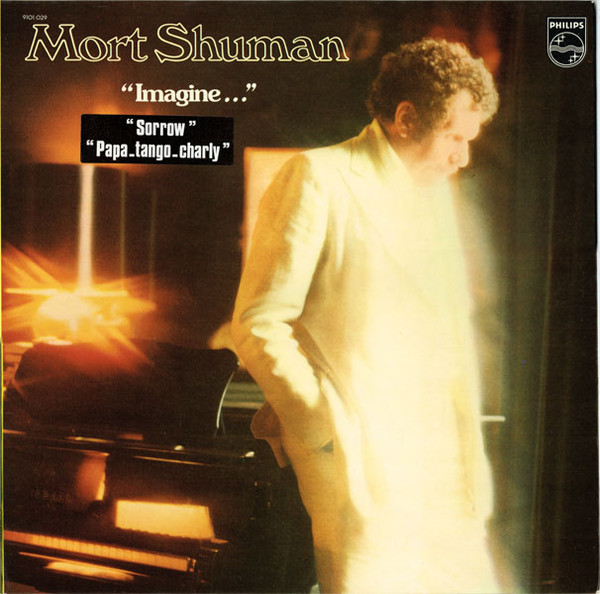
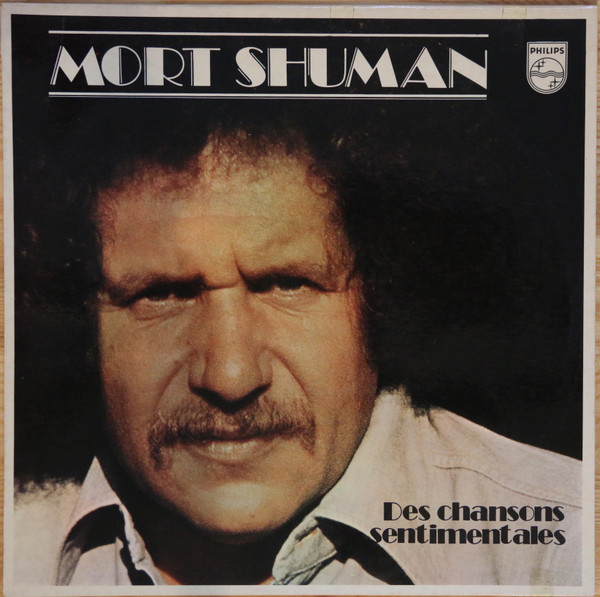
Their records — most-collected first.





Related artists
Around the web
Follow every record they touch.
Start your shelf and Gatefold tracks Mort Shuman's new pressings, tour dates, and the whole discography — automatically.
Start your shelf →Free forever. Works with 10 records or 10,000.