
Artist
Small Faces
London, United Kingdom · 1965 – 1978
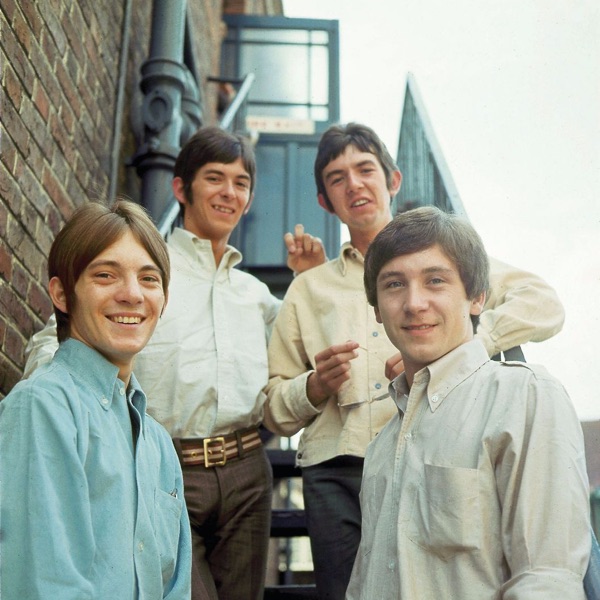
Small Faces is a music group from London, United Kingdom, active 1965–1978. Their discography on Gatefold includes 24 records.
42
Albums tracked
105
In collections
1965
Since
Biography
Don Arden ran their lives like a mob boss, handing them twenty quid a week while they were moving thousands of units and buying speed on his tab. Steve Marriott had a voice that could strip paint off a battleship, but Decca Records treated them like clean-cut teenybopper bait. They recorded their 1966 debut on a three-track machine at IBC Studios, fighting through lousy mixes that couldn't handle the sheer volume of Ronnie Lane's bass or Kenney Jones's absolute beast of a drum sound. Arden literally paid off chart fixers, but the band didn't need the help because they had more soul in their pinky fingers than most of the UK beat scene combined. Everything changed when they bailed on Decca, signed to Andrew Loog Oldham's Immediate Records, and got their hands on Olympic Studios' four-track gear with engineer Glyn Johns. Suddenly Ian McLagan's Hammond M102 organ wasn't buried in the mud, and Marriott could actually stretch his legs. They spent their days getting stoned, messing with tape flanging, and writing about local characters. It peaked with a concept record packaged in a round tobacco tin that nearly drove the printers insane. When Marriott walked off stage in 1969 because he was sick of the screaming girls and the pop constraints, the rest of the band just grabbed Rod Stewart and Ron Wood and kept rolling as the Faces. The late-seventies reunion records are best left forgotten, but that run from '66 to '68 remains undefeated.
Bio from The Clerk
The Arc of Small Faces
The pivots — what forced Small Faces to reinvent.
The Decca Grind
Under the thumb of Don Arden, the band was worked to the bone cut-and-pasting Mod-friendly R&B singles for the screaming teens. Jimmy Winston got booted on keyboards, Ian McLagan stepped in with his heavy Hammond organ, and they started chasing a tougher, heavier soul groove. You can hear the frustration boiling over on tracks like 'All or Nothing,' where Marriott screams like his life depends on escaping the pop machine. Decca kept pushing for commercial fluff, leading the band to dump Arden and jump ship to a label that actually let them breathe.
The Olympic Studios High
Signing with Immediate Records put them in Olympic Studios with Glyn Johns behind the board and complete creative freedom. They began experimenting with heavy studio phasing, tape loops, and phasing effects, turning their Mod soul into technicolor psychedelia. This is the era of 'Itchycoo Park' and 'Green Circles,' where McLagan's keys and Lane's melodic basslines took over the arrangements. The sound got thick, lush, and incredibly British, moving away from American soul covers into hyper-local songwriting.
The Tobacconist Masterpiece
In 1968, they went all-in on a mock-Victorian concept album about a character named Happiness Stan looking for the missing half of the moon. They dragged in comic Stanley Unwin to narrate half the record in his own private, gibberish language called 'Unwinese.' The music on Ogdens' Nut Gone Flake was heavy, proto-heavy-metal rock mixed with music hall singalongs and deep-groove soul. It spent six weeks at number one in the UK, but they could never figure out how to play the damn thing live, which eventually tore them apart.
Influences
- Muddy Waters — The band named themselves after hearing Muddy Waters' song 'You Need Love,' which Marriott later heavily adapted into their own track 'You Need Loving.' You can hear Waters' heavy, driving Chicago blues groove all over their early Decca recordings. It is the exact vocal blueprint Marriott used before Robert Plant openly lifted it for Led Zeppelin.
- Booker T. & the M.G.'s — Ronnie Lane and Kenney Jones were obsessed with the Stax rhythm section of Al Jackson Jr. and Duck Dunn. You hear this direct influence in Jones's tight, snare-heavy backbeat and Lane's highly melodic, walking basslines on tracks like 'Grow Your Own.' They wanted to be a British Booker T. and the M.G.'s, and McLagan's Hammond organ completed the picture.
- Ray Charles — Steve Marriott's entire vocal delivery was a direct attempt to match the raspy, emotional grit of Ray Charles. The band covered Charles's 'Hallelujah I Love Her So' on their 1966 debut album. Marriott took Charles's gospel-inflected phrasing and pushed it through a wall of overdriven British amplifiers.
- The Who — As early Mod pioneers in London, the Small Faces shared stages, gear, and a wild, high-energy stage presence with Pete Townshend's crew. The explosive drum style of Kenney Jones on their early singles directly mirrors Keith Moon's chaotic energy. They pushed each other to see who could play louder and faster in the mid-sixties club scene.
- Solomon Burke — The band's early live sets and first recordings were built entirely on American soul giants, with Solomon Burke being a major favorite. They recorded a heavy cover of Burke's 'Everybody Needs Somebody to Love' on their debut LP. It showed their dedication to the Atlantic Records soul catalog over the standard British beat group sound.
Discography
Their records — most-collected first.
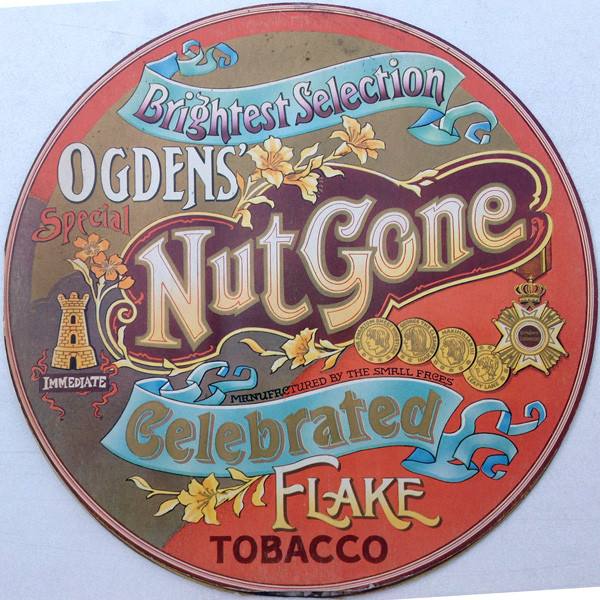
Ogdens' Nut Gone Flake
1968

There Are But Four Small Faces
1968

Small Faces
1967

Spotlight On The Small Faces
1976

Greatest Hits The Immediate Years 1967 - 1969
2014

Early Faces
1972

From The Beginning
1967
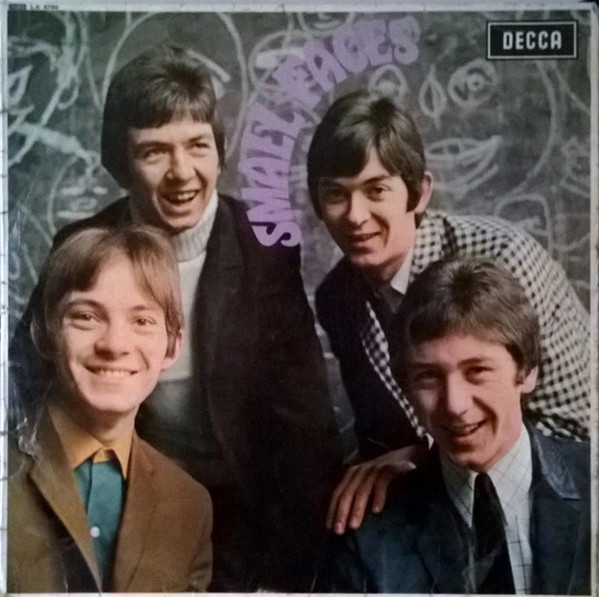
Small Faces
1966
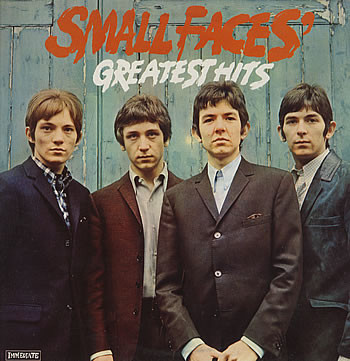
Small Faces' Greatest Hits
1977

Itchycoo Park
1967

The Ultimate Collection
1990

Playmates
1977

The Autumn Stone
1969
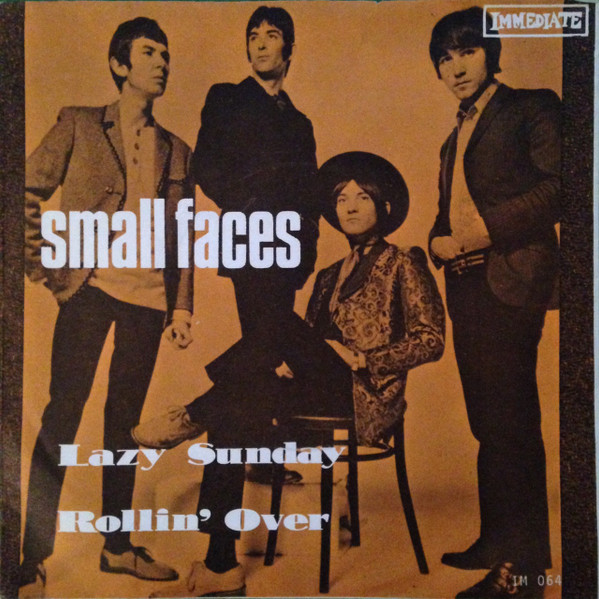
Lazy Sunday
1968

The BBC Sessions
1999

Big Music (A Compleat Collection)
1984
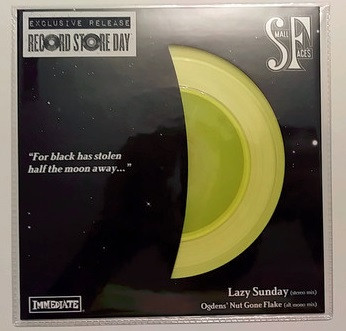
Lazy Sunday / Ogden's Nut Gone Flake
1980

Profile
1979

78 In The Shade
1978

Magic Moments
1976

Itchycoo Park
1975

The History Of Small Faces
1972

Sha-La-La-La-Lee
1966
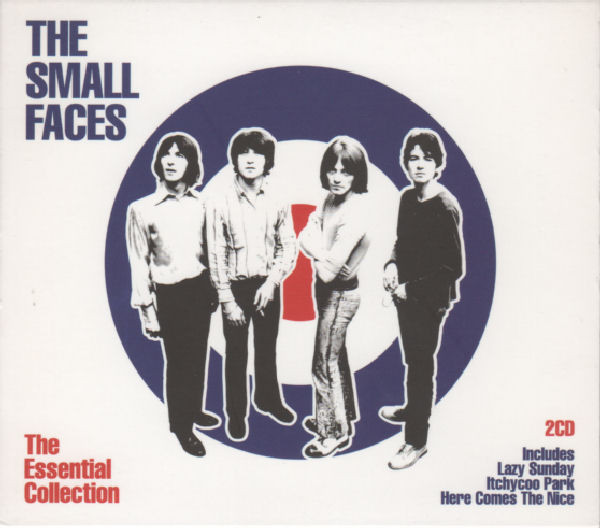
The Essential Collection
2005
Related artists
Frequent collaborators
Around the web
Follow every record they touch.
Start your shelf and Gatefold tracks Small Faces's new pressings, tour dates, and the whole discography — automatically.
Start your shelf →Free forever. Works with 10 records or 10,000.