
Artist
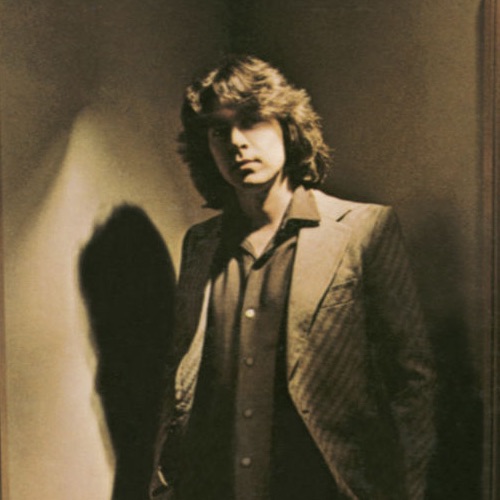
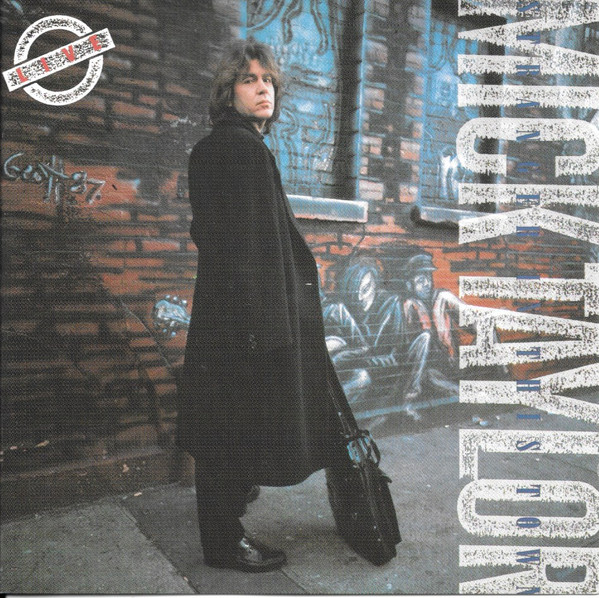
Mick Taylor
United Kingdom · b. 1949
Mick Taylor is a musician from United Kingdom, active since 1949. Their discography on Gatefold includes 5 records. They also recorded with The Rolling Stones, John Mayall & the Bluesbreakers and The Gods.
134
Albums tracked
3,115
In collections
1949
Since
Biography
Mick Taylor was eighteen years old when he walked onto a stage to replace Peter Green in the Bluesbreakers because Green simply didn't show up. He didn't just fill the seat; he used a 1959 Les Paul and a Marshall stack to define the thick, fluid sustain that every blues-rock kid has been chasing since '67. He was the technician in a world of showmen. While the rest of the scene was busy smashing gear or tripping out, Taylor was obsessed with the microtones of a string bend and the clean vibrato that made him the only guy who could actually play circles around Keith Richards. Joining the Stones was the best and worst thing to happen to him. He saved their live sound, giving 'Sticky Fingers' and 'Exile on Main St.' a melodic sophistication they never had before and haven't touched since. But you can't be a shy virtuoso in a circus of junkies and egomaniacs forever. By the time he quit in '74, he was exhausted by the lack of songwriting credits and the general chaos of the Jagger-Richards axis. He spent the next few decades as the ultimate gun-for-hire, floating through sessions for Dylan and Grateful Dead, always the best player in the room and usually the most overlooked.
Bio from The Clerk
The Arc of Mick Taylor
The pivots — what forced Mick Taylor to reinvent.
The Bluesbreakers Apprenticeship
John Mayall acted as a finishing school for Taylor, pushing him to bridge the gap between traditional Chicago blues and the emerging British heavy rock sound. On 'Crusade,' you hear a teenager playing with the poise of a veteran, utilizing a pure, unadulterated tone that avoided the fuzz-box trends of the era. This period was defined by rigid discipline and nightly improvisation that sharpened his ability to play melodic leads over shifting blues structures. It was the foundation that made him a professional before he was legally old enough to drink in the clubs he was headlining.
The Golden Age of the Stones
When Brian Jones washed out, Taylor brought a structural integrity to the Rolling Stones that allowed them to move from pop-rock into sprawling, country-inflected masterpiece territory. Jimmy Miller’s production on 'Sticky Fingers' caught Taylor’s slide guitar at its peak, particularly on 'Sway' and 'Moonlight Mile,' where his lyrical phrasing acted as a counterpoint to Jagger’s grit. This wasn't just rhythm and riffing anymore; it was a dual-guitar weave where Taylor took the heavy lifting of the solos, allowing Keith Richards to focus on the rhythmic 'open-G' pocket. The tension between his technical perfection and the band’s loose sloppiness created the most fertile period in their entire discography.
The Session Specialist
After walking away from the biggest band in the world, Taylor retreated into high-level session work and under-promoted solo efforts. His work on Bob Dylan’s 'Infidels' in 1983 showed he hadn't lost his touch, providing a sharp, biting edge to Mark Knopfler’s clean production style. He became the guy you called when you needed a record to sound 'expensive' without losing its soul, appearing on tracks for everyone from Suzanne Vega to Carla Olson. While his solo career lacked the marketing muscle of his Stones years, his playing remained terrifyingly consistent, characterized by a weathered, mature touch that favored space over speed.
Influences
- Freddie King — Taylor has repeatedly cited King’s sharp, piercing attack as his primary blueprint for blues phrasing. You hear it in the aggressive, top-end bite of his solos on the 'Get Yer Ya-Ya's Out!' live tracks. He took King's high-register stings and smoothed them out with his own fluid legato.
- B.B. King — The economy of movement and the heavy emphasis on vibrato came straight from B.B.’s playbook. Taylor’s ability to hold a single note and make it sing for four bars on 'Can't You Hear Me Knocking' is a direct extension of the 'Live at the Regal' school of thought. It’s about vocalizing through the wood and wire.
- Albert King — The massive, multi-step string bends that define Taylor’s lead style are rooted in Albert King’s southpaw technique. Taylor used the extra tension of his 1959 Les Paul to mimic those wide, crying bends found on 'Born Under a Bad Sign.' He focused on the physical weight of the note, just like Albert.
- Muddy Waters — The slide guitar work on 'Exile on Main St.' is a direct homage to the Delta-to-Chicago transition Muddy perfected. Taylor took the raw, acoustic slide language and electrified it through a cranked Ampeg SVT. It’s the dirt beneath the fingernails of his otherwise polished technique.
- Django Reinhardt — Taylor’s melodic sensibility often leaned toward jazz-inflected runs that mirrored Reinhardt’s chromaticism. You can hear this in his acoustic work and the more adventurous, non-pentatonic scales he slipped into Stones jams. He was looking for a sophistication that went beyond the standard three-chord shuffle.
Mick Taylor — solo
Their records — most-collected first.


The Rolling Stones
A project Mick Taylor was part of. Former member.
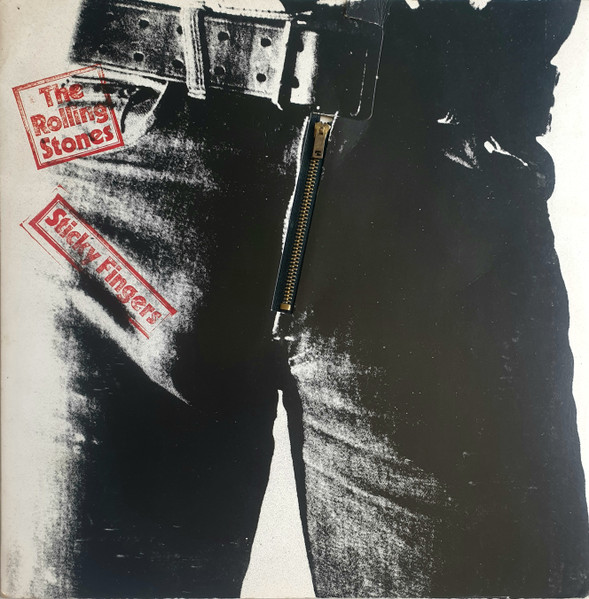
Sticky Fingers
1971
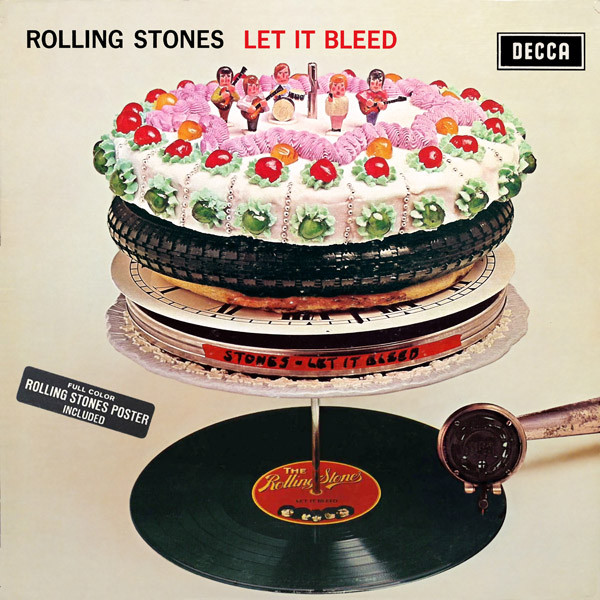
Let It Bleed
1969
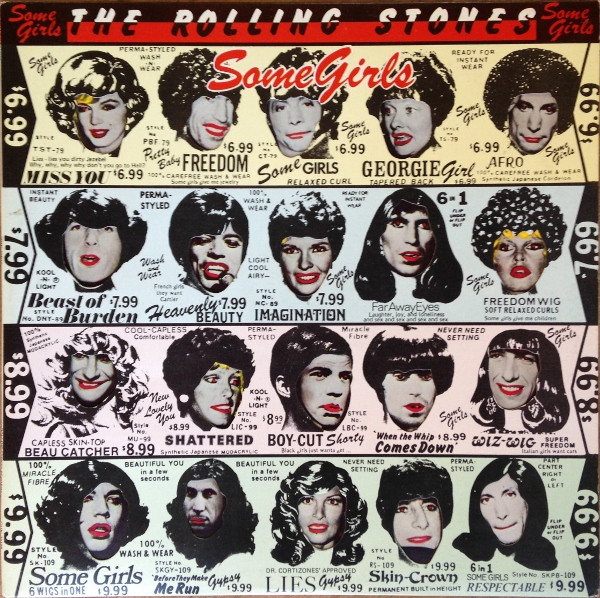
Some Girls
1978
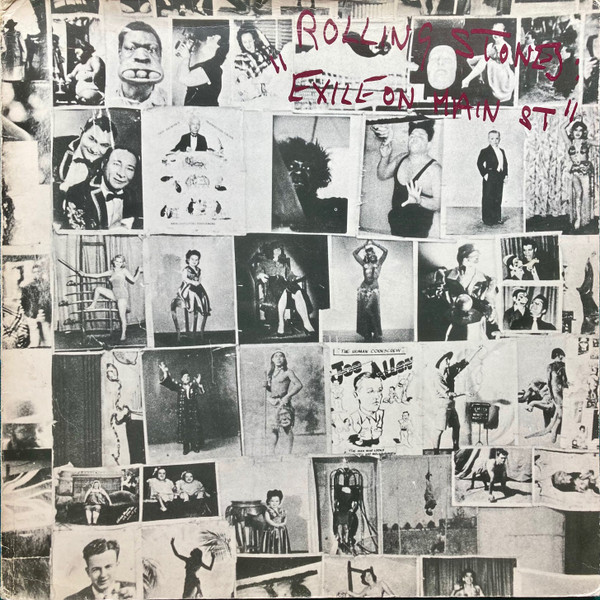
Exile On Main St.
1972
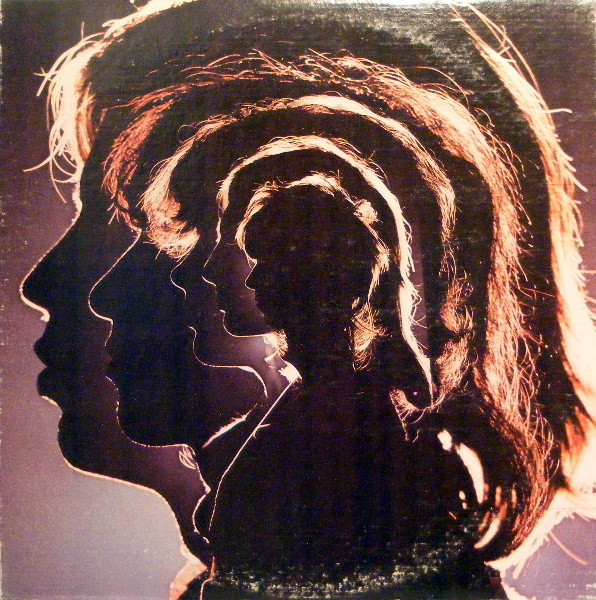
Hot Rocks 1964-1971
1971
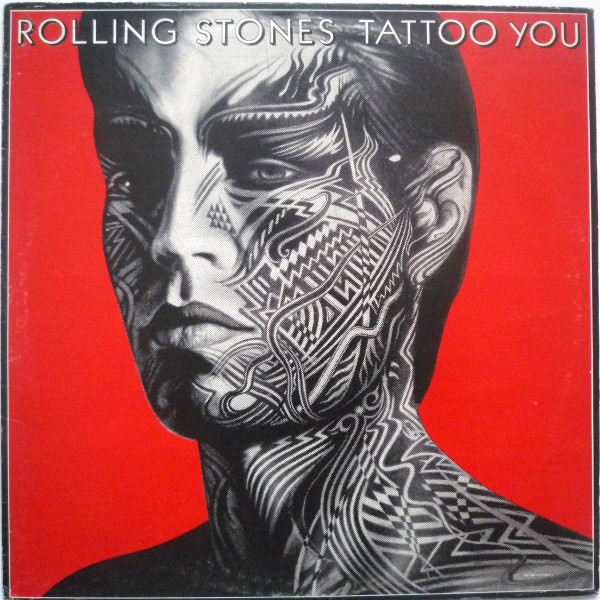
Tattoo You
1981
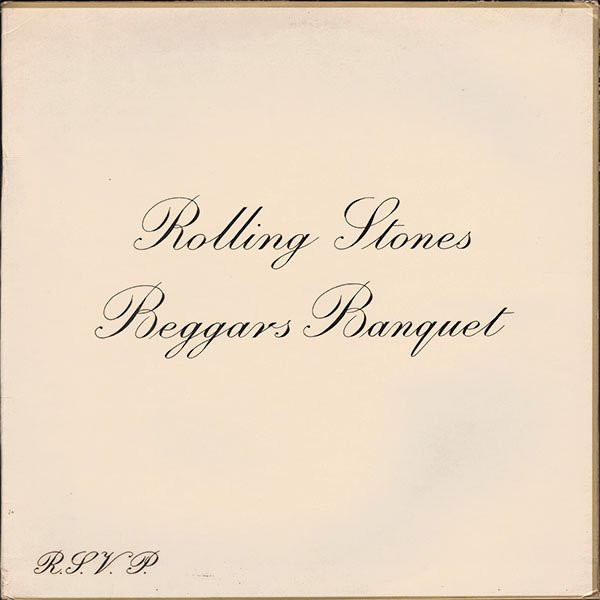
Beggars Banquet
1968
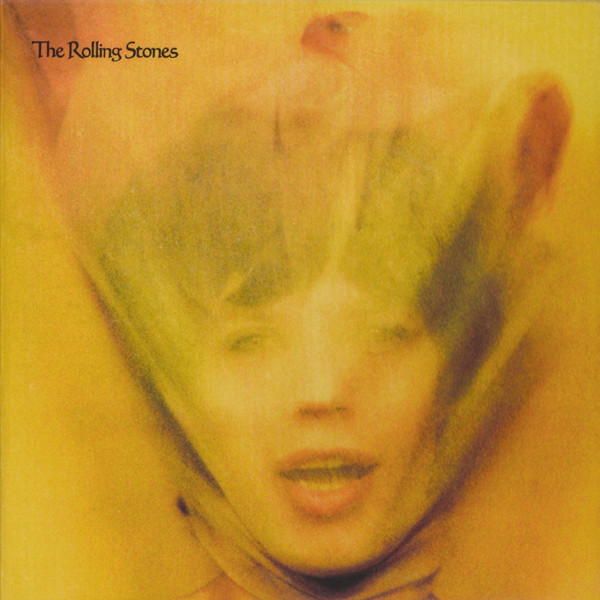
Goat's Head Soup
1973
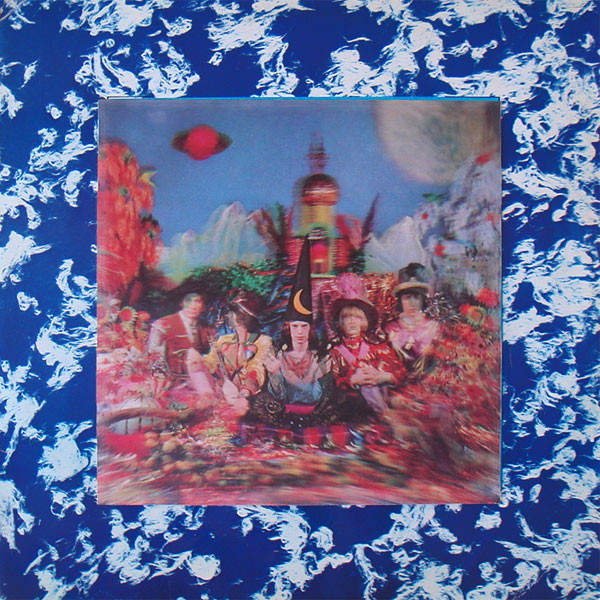
Their Satanic Majesties Request
1967
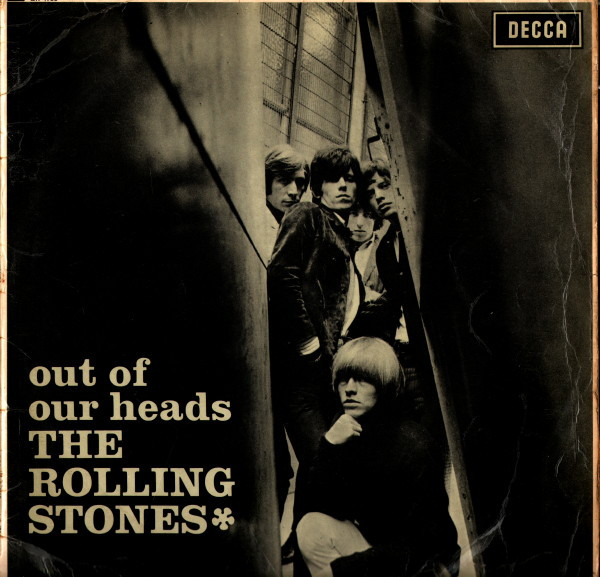
Out Of Our Heads
1965
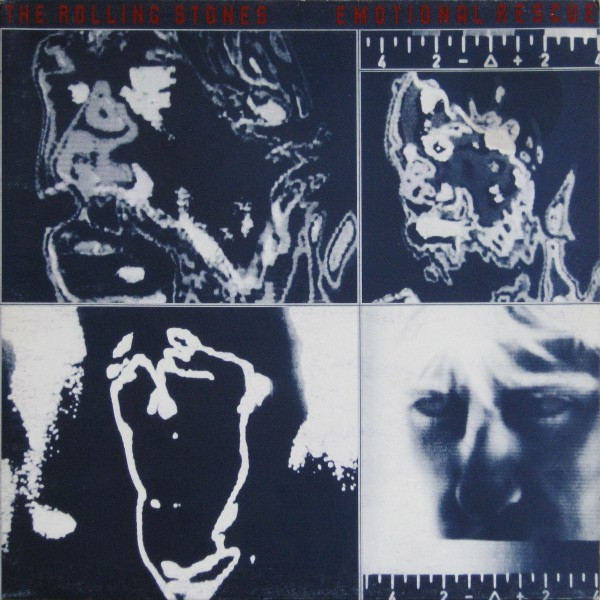
Emotional Rescue
1980

Between The Buttons
1967

It's Only Rock 'N Roll
1974

Get Yer Ya-Ya's Out! - The Rolling Stones In Concert
1970
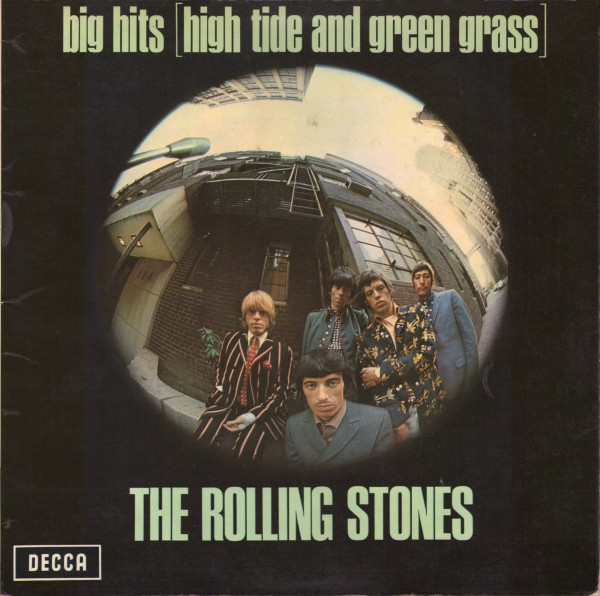
Big Hits (High Tide And Green Grass)
1966

Black And Blue
1976
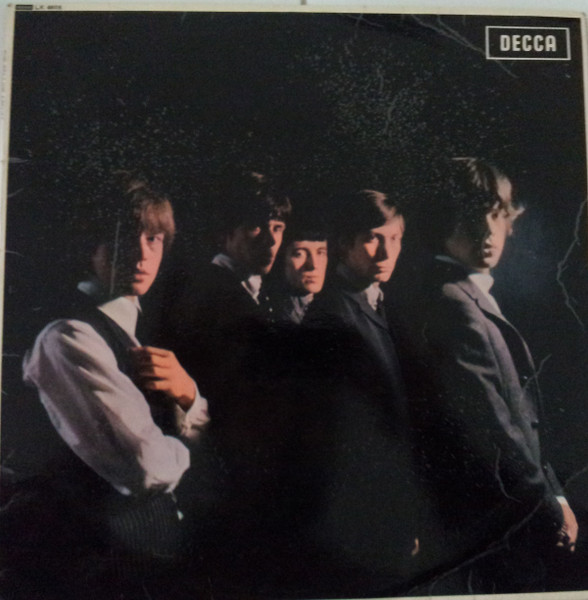
The Rolling Stones
1964
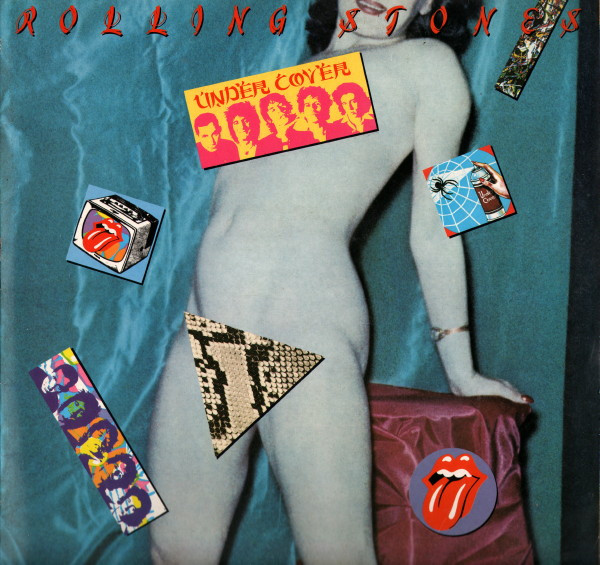
Undercover
1983
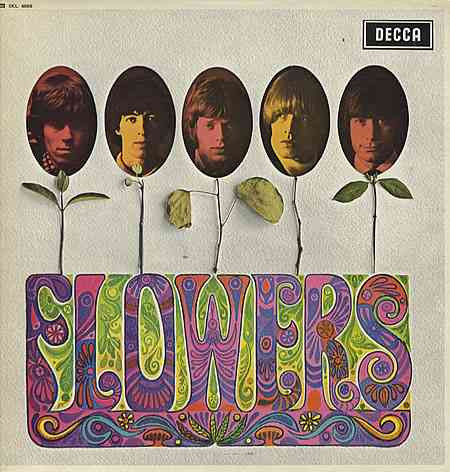
Flowers
1967
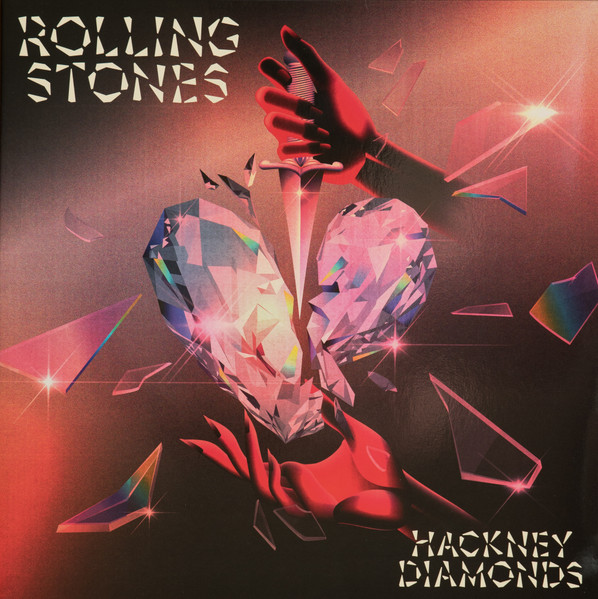
Hackney Diamonds
2023
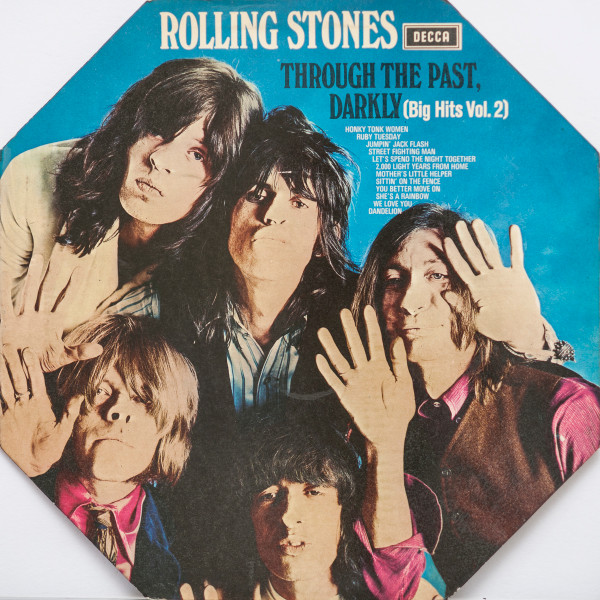
Through The Past, Darkly (Big Hits Vol. 2)
1969
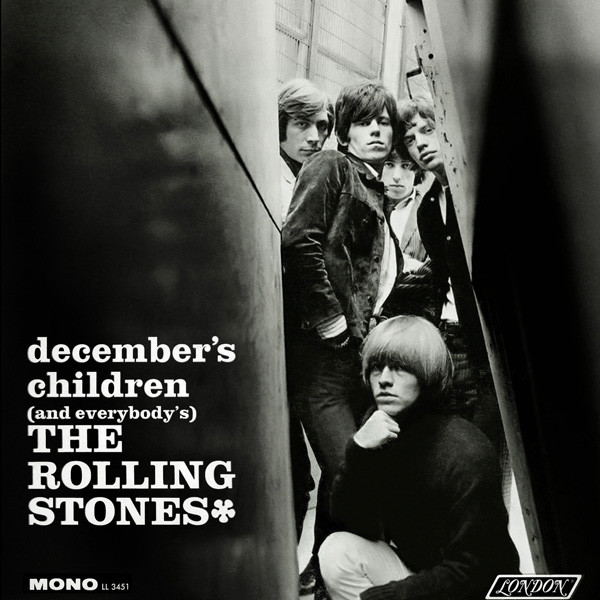
December's Children (And Everybody's)
1965
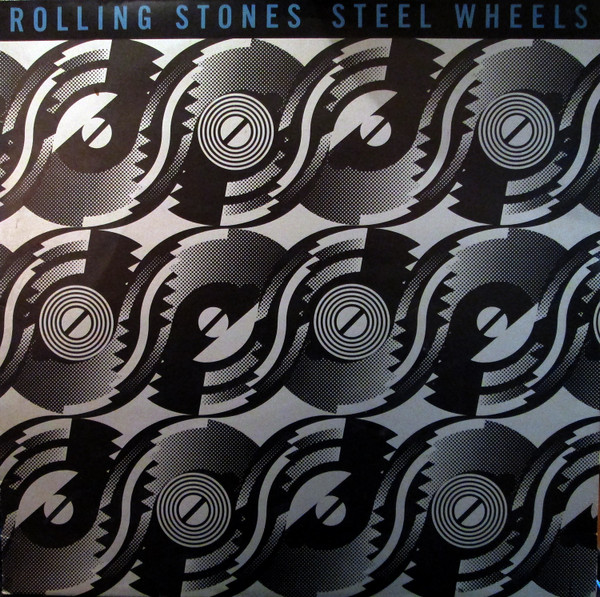
Steel Wheels
1989
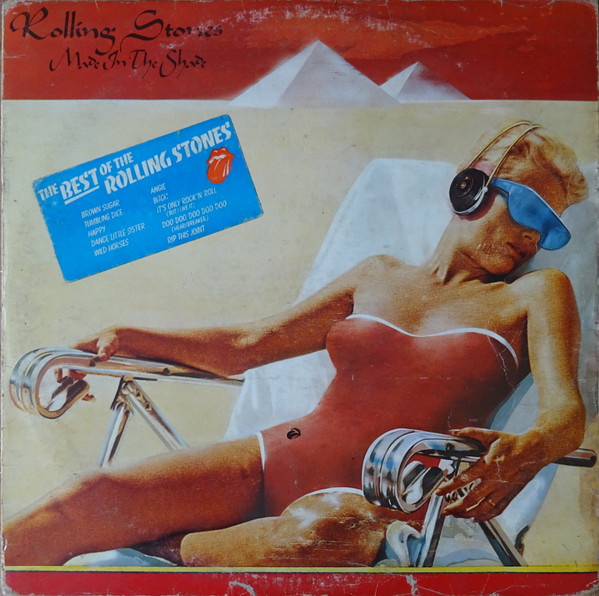
Made In The Shade
1975
John Mayall & the Bluesbreakers
A project Mick Taylor was part of. Former member.
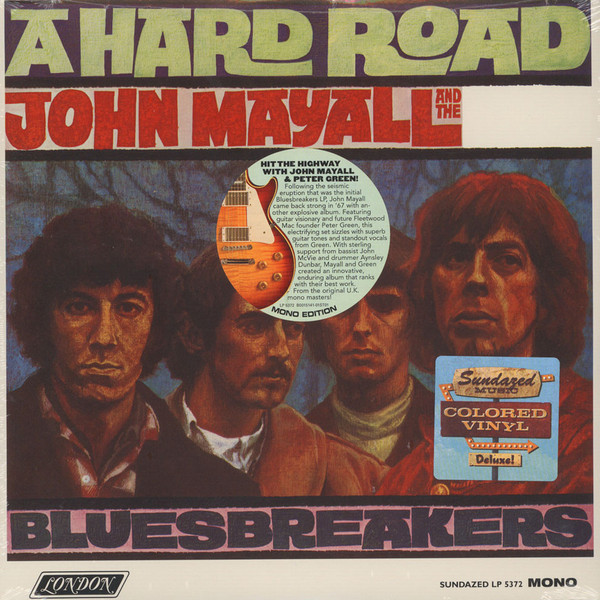


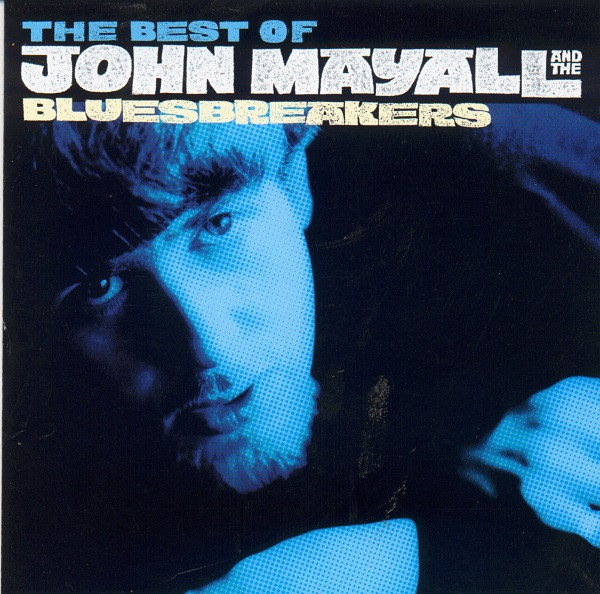
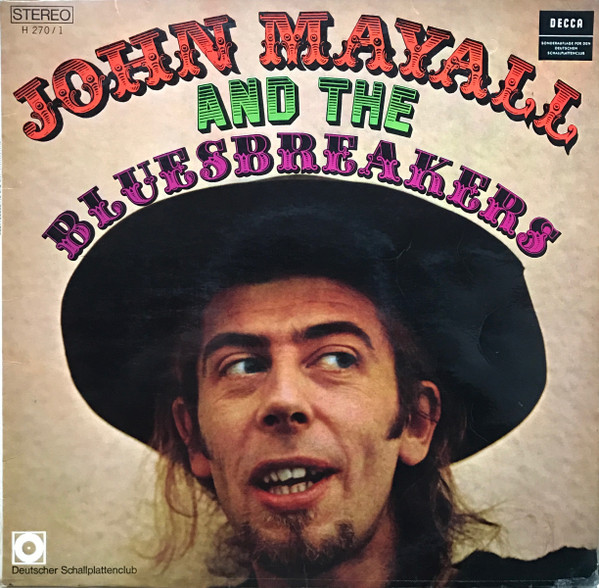
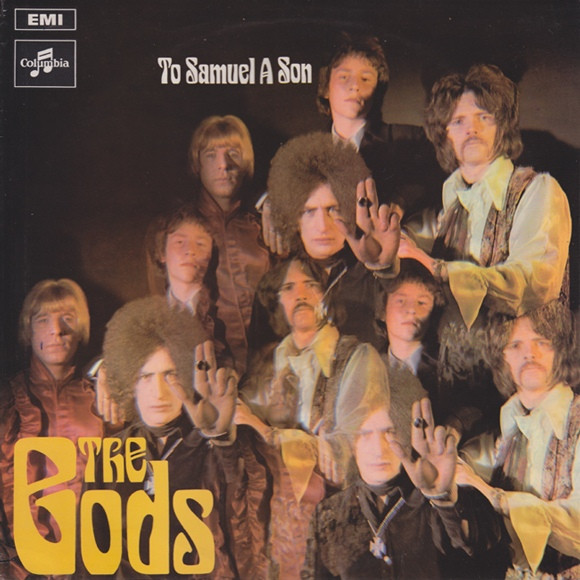
The Gods
A project Mick Taylor was part of. Former member.
Related artists
Frequent collaborators
Around the web
Follow every record they touch.
Start your shelf and Gatefold tracks Mick Taylor's new pressings, tour dates, and the whole discography — automatically.
Start your shelf →Free forever. Works with 10 records or 10,000.