
Artist
John Mayall
Macclesfield, United Kingdom · 1933 – 2024
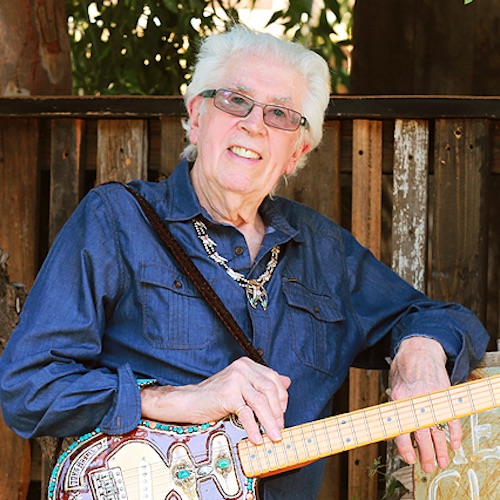
John Mayall is a musician from Macclesfield, United Kingdom, active 1933–2024. Their discography on Gatefold includes 24 records. They also recorded with John Mayall & the Bluesbreakers.
58
Albums tracked
202
In collections
1933
Since
Biography
Mike Vernon booked Decca Studios in West Hampstead for three days in March 1966, handed John Mayall a copy of the Beano comic, and told Eric Clapton to crank his Marshall JTM45 combo until the room rattled. Clapton refused to turn down or mic the amp properly, the engineers complained about the bleed, and Mayall just let the tape roll while he hammered on an old Hammond organ. That wasn't just a record date. It was a finishing school for the guys who would run the next decade of British rock. Mayall didn't have the greatest vocal pipes on the planet, and his harp playing was more stubborn rhythm than virtuosic flash. What he had was ears like a hawk for talent and zero patience for stagnation. The second a guitarist figured out how to carry a room—Clapton, Peter Green, Mick Taylor—Mayall shoved them out of the nest and rebuilt the group with session pros, American jazz heads, or whoever was parked in his driveway.
Bio from The Clerk
The Arc of John Mayall
The pivots — what forced John Mayall to reinvent.
The Decca Guitar Academy
Between 1965 and 1969, Mayall ran the Bluesbreakers through London's Decca Studios like an intense blues boot camp. He hired Eric Clapton, replaced him with Peter Green, and then gave Mick Taylor the gig when Green left to form Fleetwood Mac. Every lineup lasted just long enough to cut a defining record before the soloist outgrew the band. You hear it across these dates as a rapid escalation from raw Chicago copycat riffs to heavy British lead overdrive.
The Drumless Acoustic Turn
Tired of deafening volume wars, Mayall moved to California in 1969, ditched full drum kits entirely, and brought in acoustic guitar, fingerpicking, and flute. The turning point was cutting 'The Turning Point' live at Fillmore East with acoustic guitarist Jon Mark and saxophonist Johnny Almond. Tracks like 'Room to Move' relied entirely on Mayall's mouth-percussion and chugging acoustic rhythm rather than heavy rhythm sections. It stripped the music down to wood, breath, and pocket groove.
The Laurel Canyon Fusion Years
After settling permanently in Los Angeles, Mayall hired American session heavyweights, bringing in jazz trumpeter Blue Mitchell, violinist Don 'Sugarcane' Harris, and guitarist Jerry McGee for 'USA Union' and 'Ten Years Are Gone'. The British blues purism gave way to sprawling, funk-tinged jazz-blues jams recorded for Polydor and ABC. The sound on record stretched out into long, loose arrangements driven by Mitchell's brass work and Harris's distorted electric violin.
The Return of the Bluesbreakers
After surviving a disastrous house fire in 1979 that destroyed his tape archives and musical diaries, Mayall hit the road and resurrected the Bluesbreakers banner in the mid-1980s. He brought in Texas gunslinger Coco Montoya and later Walter Trout to rebuild a tough, straight-ahead roadhouse sound. Records like 'Chicago Line' and 'Wake Up Call' abandoned the soft-rock and funk experiments to focus strictly on heavy, unvarnished electric blues. It established his final four-decade run as the working-class elder statesman of the circuit.
Influences
- Sonny Boy Williamson II — Mayall backed him on tour across the UK in 1964 during the American Folk Blues Festival package runs. You can hear Williamson's conversational, talk-singing phrasing and percussive, hand-cupped harp style all over Mayall's early cut 'Crawling Up a Hill'. It gave Mayall the blueprint for leading a band using only a harmonica and a pocket watch.
- Otis Rush — Mayall obsessively collected Cobra Records 78s and singles shipped over from Chicago, putting Rush's 'All Your Love' right at the top of the 1966 Bluesbreakers tracklist. You hear that exact Cobra minor-key tension in the rhythm charts Mayall arranged for Clapton and Peter Green. Rush showed him that British kids could handle dramatic, slow-burn Chicago blues.
- Freddie King — Mayall covered 'Hide Away' on the 1966 Beano album and repeatedly pulled from King's Federal Records catalog for stage sets. The hard-driving, syncopated rhythm Mayall played on Hammond organ was explicitly designed to lock into King's sharp, thumb-picked Texas attack. It became the default tempo for every young guitarist Mayall ever hired.
- J.B. Lenoir — Mayall recorded multiple direct tribute tracks to Lenoir, including 'The Death of J.B. Lenoir' on 1967's 'The Blues Alone'. You hear Lenoir's distinct, stripped-down boogie patterns and acoustic flatpicking drive Mayall's self-recorded multi-instrumental sessions. Lenoir was the stylistic reason Mayall felt comfortable playing blues on 12-string acoustic guitar.
- Albert King — Mayall regularly adapted King's Stax catalog and vocal cadences across his late-sixties transition into heavier horn arrangements. You hear King's wide string bends and stinging, sparse attack reflected in the precise arrangements Mayall demanded from Mick Taylor on 'Bare Wires'. King proved to Mayall that horns and heavy lead guitar belonged on the exact same stage.
John Mayall — solo
Their records — most-collected first.
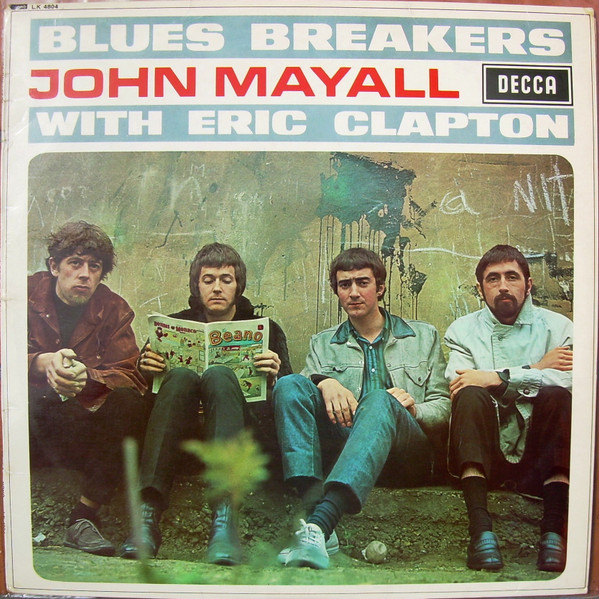
Blues Breakers
1966
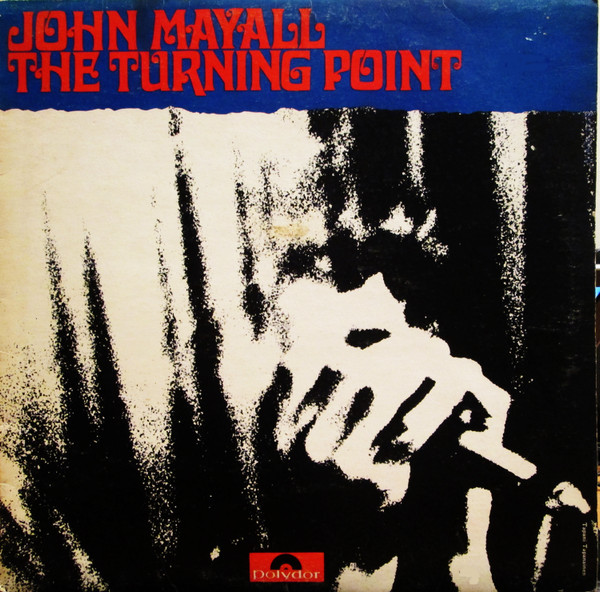
The Turning Point
1969
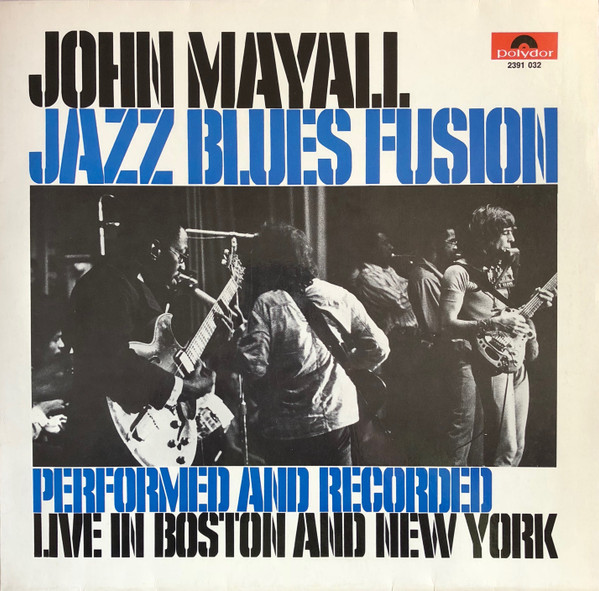
Jazz Blues Fusion
1972
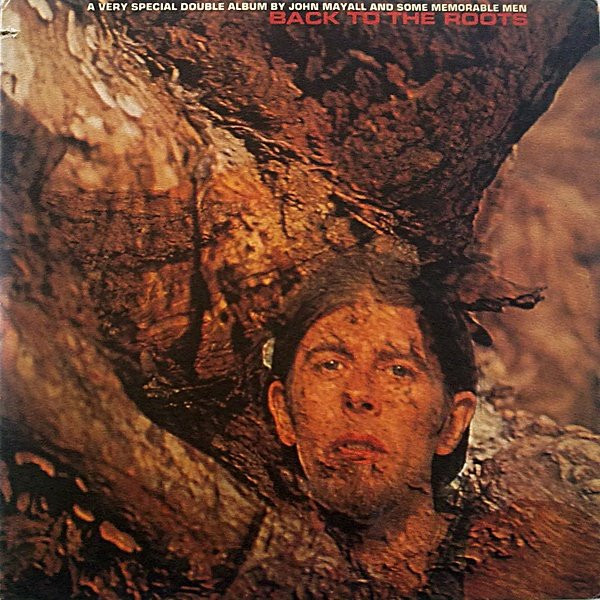
Back To The Roots
1971

USA Union
1970

Moving On
1972
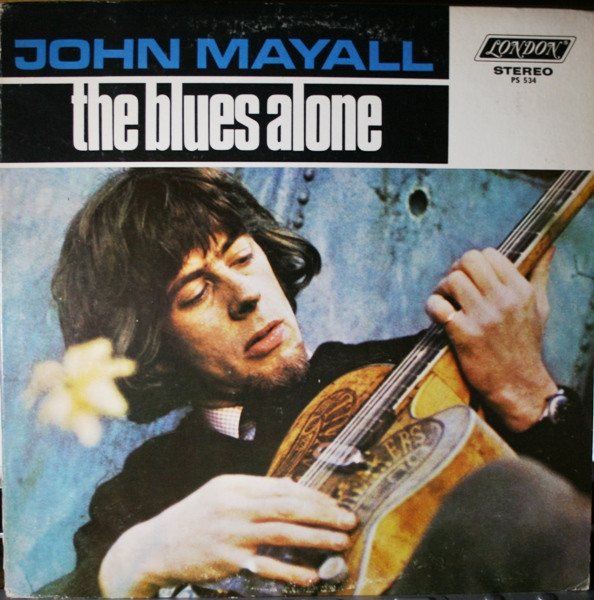
The Blues Alone
1968

Memories
1971
Empty Rooms
1970
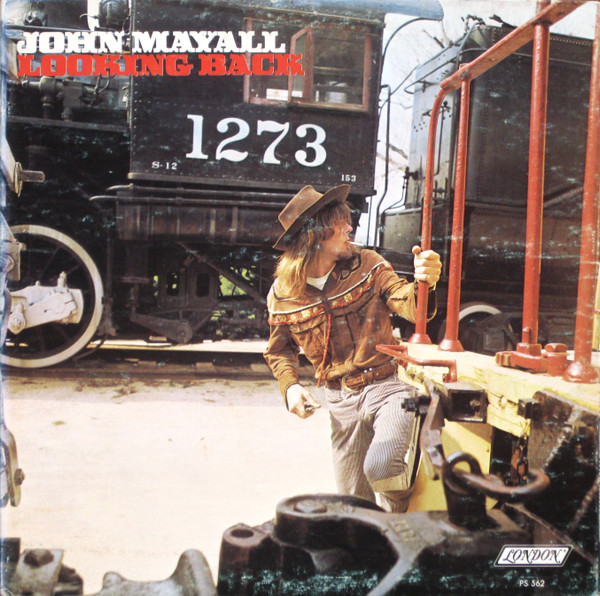
Looking Back
1969

Blues From Laurel Canyon
1968

Ten Years Are Gone
1973

The Diary Of A Band Volume One
1968

New Year, New Band, New Company
1975
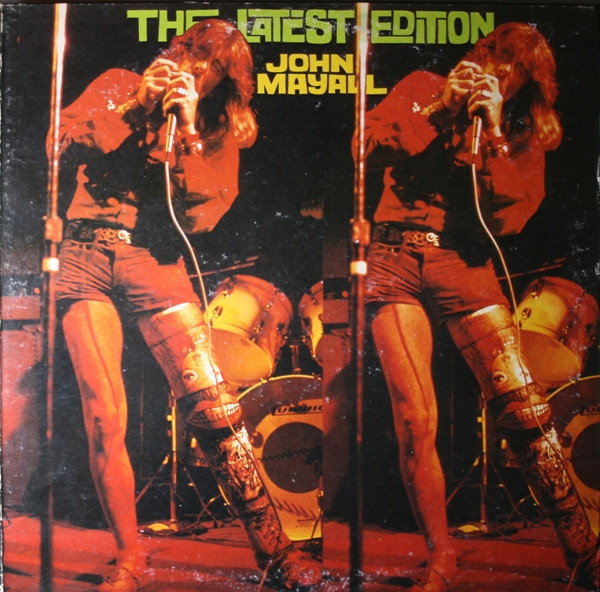
The Latest Edition
1974
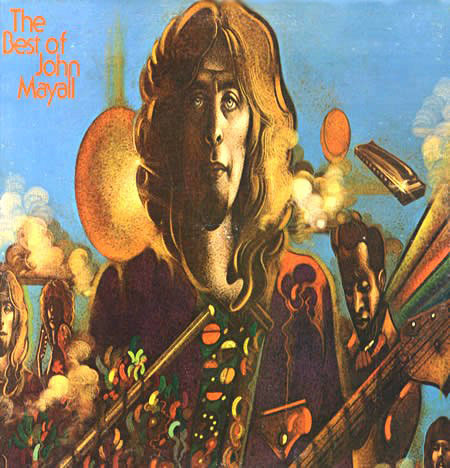
The Best Of John Mayall
1973

The Diary Of A Band Volume Two
1968

The First Generation 1965-1974
2021

Road Show Blues
1980

Lots Of People
1977

The World Of John Mayall
1970

John Mayall Plays John Mayall
1965
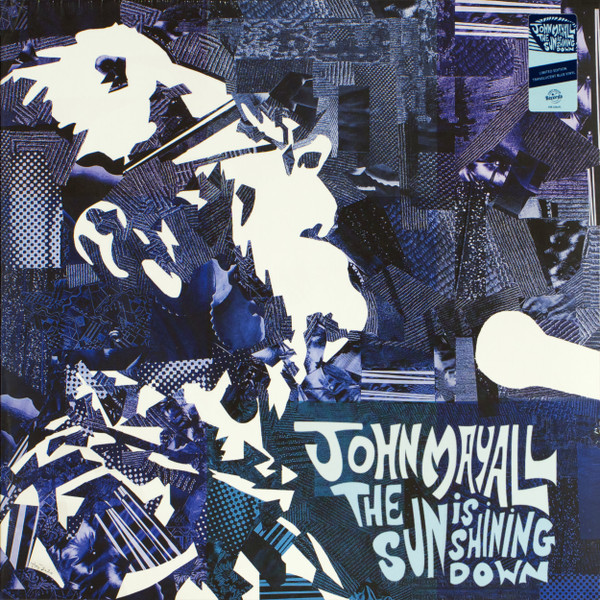
The Sun Is Shining Down
2022
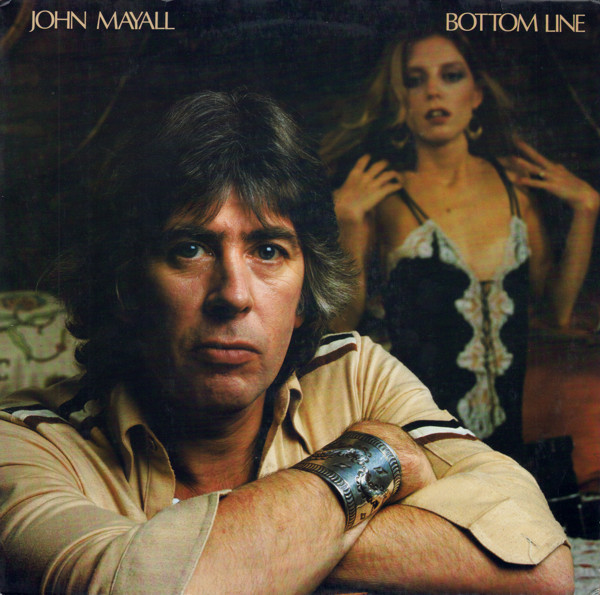
Bottom Line
1979
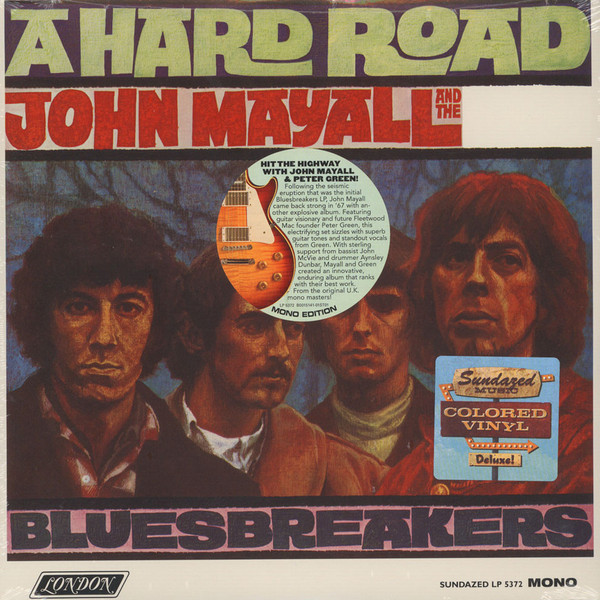
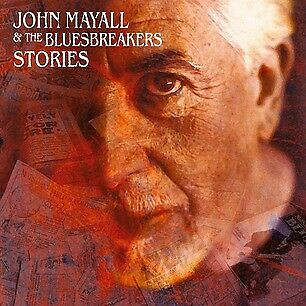
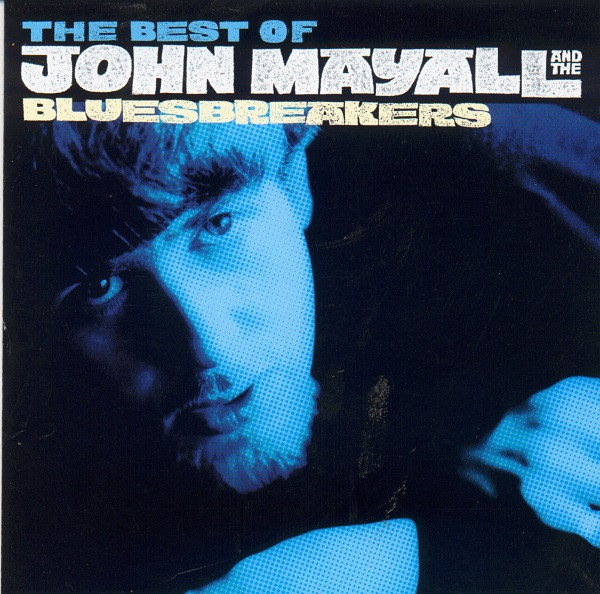
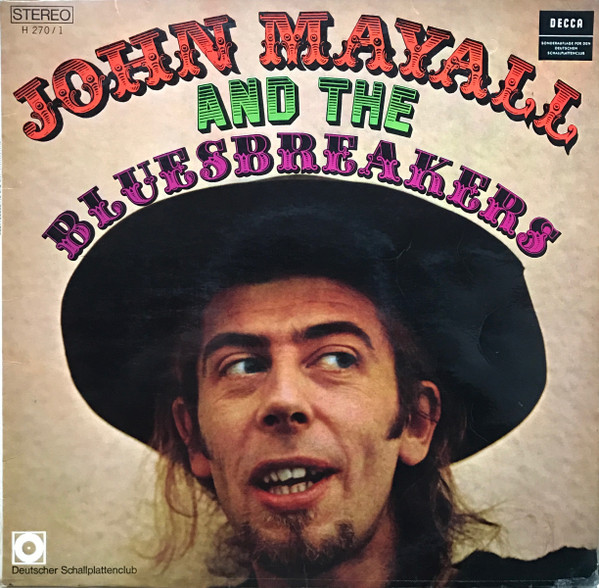
John Mayall & the Bluesbreakers
John Mayall under another name — MusicBrainz marks this project eponymous.


Related artists
Around the web
Follow every record they touch.
Start your shelf and Gatefold tracks John Mayall's new pressings, tour dates, and the whole discography — automatically.
Start your shelf →Free forever. Works with 10 records or 10,000.