
Artist
Merry Clayton
Gert Town, United States · b. 1948
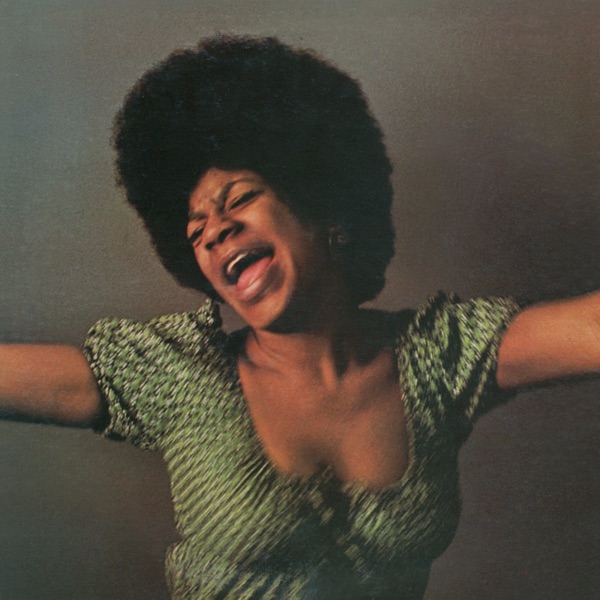
Merry Clayton is a musician from Gert Town, United States, active since 1948. Their discography on Gatefold includes 5 records.
5
Albums tracked
7
In collections
1948
Since
Biography
Jack Nitzsche got Merry Clayton in the studio at midnight on a stormy night in 1969 to sing a backup vocal on a Rolling Stones track. She was pregnant, wearing curlers, and literally in her pajamas when she stepped up to the microphone. Two takes later, she cracked her voice on the word 'murder' and secured herself a permanent spot in rock history. That raw, terrifying intensity was not a studio trick. It was a lifetime of gospel training meeting the heavy, dark reality of late-sixties rock and roll. But the industry did not know what to do with a voice that big when it was out front. Lou Adler signed her to Ode Records, trying to transition her from the ultimate session weapon into a solo star. The resulting self-titled records are monsters of soul-rock, but they suffered from a label that was constantly trying to polish her edges. She could tear through Neil Young or Leon Russell covers like she owned them, but the charts favored safer, tamer singers. Then came the soundtrack era, where she was relegated to belting out theme songs like 'Keep Your Eye on the Sparrow' or singing backup for Neil Young, Lynyrd Skynyrd, and Tori Amos. It is a tragedy of the modern studio system that a vocalist of this caliber spent decades saving other people's records instead of dominating her own. She was too heavy for pop, too rock for R&B, and far too real for the radio programmers of the seventies and eighties.
Bio from The Clerk
The Arc of Merry Clayton
The pivots — what forced Merry Clayton to reinvent.
The Session Weapon
Before she was ever a solo artist, Clayton was the secret weapon for the industry's biggest acts, starting as a teenager under the tutelage of Ray Charles. As part of The Raelettes, she learned how to navigate demanding studio arrangements under Charles's strict eye. This period was defined by her ability to walk into a room, read a chart, and immediately cut through the mix with absolute precision. You hear this masterclass in backing vocals on Bobby Darin tracks and early soul sessions where her voice acts as the emotional anchor for singers who simply could not match her power.
The Ode Solo Years
When Lou Adler signed Clayton to Ode Records in 1970, the goal was to capitalize on her newfound fame from the 'Gimme Shelter' session. Producer Adler surrounded her with elite L.A. session players and tried to frame her as a leading lady of the burgeoning soul-rock crossover scene. The arrangements on her 1971 self-titled album are lush and heavy, trading the raw grit of her early session work for a more calculated, album-oriented soul sound. While tracks like her cover of 'Southern Man' are absolute fire, the records struggled to find a solid demographic between rock listeners and R&B purists.
The Soundtrack and Guest Era
By the mid-seventies, Clayton shifted away from chasing solo album success to become the premier voice-for-hire in Hollywood and the arena rock circuit. She cut 'Keep Your Eye on the Sparrow' for the Baretta TV soundtrack and lent her unmatched belt to Lynyrd Skynyrd's 'Sweet Home Alabama.' Producers knew that adding Clayton to a chorus gave a track instant gospel credibility and grit. This phase was defined by high-paying, high-profile studio gigs where she remained the anonymous engine behind some of the biggest hits of the FM radio era.
Influences
- Ray Charles — Charles hired Clayton as a member of his backing group, The Raelettes, when she was still a teenager in the mid-sixties. He drilled her on tight vocal harmonies and stage presence, which you can hear in the sharp, disciplined timing of her solo work on Ode. Charles taught her how to inject secular secularity with pure sanctified church energy.
- Aretha Franklin — Clayton grew up singing in her father's church, the New Hope Baptist Church in Los Angeles, where the Franklin family were frequent visitors. You hear Aretha's phrasing and dynamic control all over Clayton's debut album, especially in her runs on the cover of 'Bridge Over Troubled Water.' The two shared a deep gospel foundation that prioritized emotional release over clean pop vocals.
- Mahalia Jackson — As a child of a prominent Baptist minister, Clayton was reared on the heavy gospel of Mahalia Jackson. You hear this influence in Clayton's massive, chest-resonant vibrato and her refusal to hold back on high notes. It is the exact same vocal weight that Jackson used to shake church rafters, brought directly into a secular rock studio.
- The Staple Singers — Mavis Staples's deep, gritty lead vocals served as a direct blueprint for how Clayton approached message music in the early seventies. On her cover of 'Gimme Shelter,' Clayton adopts the same urgent, prophetic tone that Mavis used on Stax records like 'Respect Yourself.' It is soul music that sounds like a warning.
- Sam Cooke — Cooke was a close family friend of the Claytons and a frequent guest at their home during his gospel days with the Soul Stirrers. Clayton learned her early lessons in vocal projection and smooth melodic transitions directly from watching Cooke perform. You hear this influence in her quieter, more restrained ballad deliveries on her 1971 self-titled record.
Discography
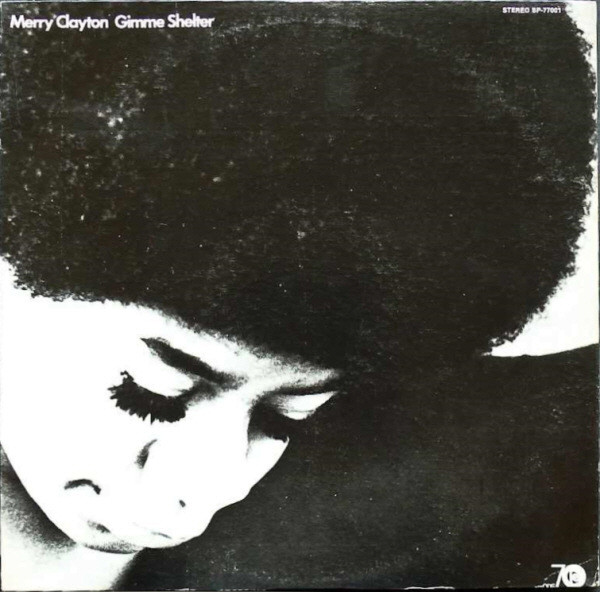
Their records — most-collected first.


Related artists
Around the web
Follow every record they touch.
Start your shelf and Gatefold tracks Merry Clayton's new pressings, tour dates, and the whole discography — automatically.
Start your shelf →Free forever. Works with 10 records or 10,000.