
Artist
Lynyrd Skynyrd
Jacksonville, United States · Formed 1964
Lynyrd Skynyrd is a music group from Jacksonville, United States, active since 1964. Their discography on Gatefold includes 24 records.

63
Albums tracked
436
In collections
1964
Since
Biography
Al Kooper signed them to Sounds of the South after catching them at Funochio's in Atlanta, dragged them into Studio One in Doraville, and realized he didn't need to teach them shit about arrangements. Ronnie Van Zant had already drilled the band for years in a tin shack on the Westside of Jacksonville without air conditioning until every single guitar harmony was locked. People mistake them for loose, beer-chugging good old boys. Holy shit, that's wrong. They were an airtight, three-guitar counterpoint machine playing intricate Southern soul and British blues rock disguised as swamp boogie. They survived Ed King quitting mid-tour, brutal inner-band brawls, and producer Tom Dowd stripping back their wall of guitars on Gimme Back My Bullets. Then Steve Gaines walked in with a Stratocaster, injected pure funk into the rhythm section, and wrote three of the best tunes on Street Survivors just in time for the 1977 plane crash to end the real band forever. Everything after 1987 is a tribute act with family ties and legal settlements. The original five-year run is pure, lethal discipline.
Bio from The Clerk
The Arc of Lynyrd Skynyrd
The pivots — what forced Lynyrd Skynyrd to reinvent.
The Doraville Woodshed
Al Kooper dragged them into Studio One in Doraville, Georgia, to track the first two records after years of brutal rehearsal in a sweltering Jacksonville shack. Ed King moved from bass to third guitar, locking in a triple-axe harmony setup with Allen Collins and Gary Rossington that nobody else in rock was running. Kooper layered Billy Powell's gospel piano over Ronnie Van Zant's deadpan, street-level storytelling. You hear the payoff immediately: zero wasted notes, razor-sharp rhythm cuts, and tracks like 'Free Bird' and 'Sweet Home Alabama' that were completely mapped out before the tape even rolled.
The Tom Dowd Reset
By 1975, the relentless touring broke drummer Bob Burns and drove Ed King to quit overnight, leaving the band exhausted and down to a two-guitar lineup for Nuthin' Fancy. They brought in legendary producer Tom Dowd to clean up the sound on Gimme Back My Bullets in 1976. Dowd stripped away Kooper's heavy production for a leaner, bone-dry rhythm and blues feel. The record underperformed commercially, but it forced Van Zant and Rossington to strip the bloat out of their songwriting.
The Steve Gaines Rebirth and Crash
Cassie Gaines brought her younger brother Steve to audition in 1976, and he instantly gave the band the third guitar voice and songwriting spark they had been missing since King left. Gaines shared lead vocals with Ronnie and brought a syncopated, fiery blues swagger to 1977's Street Survivors. The record was their sharpest work in years, packed with tracks like 'You Got That Right' and 'I Know a Little'. Three days after it dropped, the chartered Convair CV-240 ran out of fuel over Gillsburg, Mississippi, killing Ronnie, Steve, Cassie, and assistant road manager Dean Kilpatrick, cutting the band's peak short.
The Tribute Machine
A decade after the crash, the surviving members reunited for a 1987 tour with Ronnie's younger brother Johnny Van Zant stepping in on lead vocals. What started as an emotional memorial run eventually hardened into a permanent touring corporation and studio outfit spanning records like 1991 and Twenty. Allen Collins was paralyzed in a 1986 crash and passed in 1990, leaving Rossington and Powell to anchor the lineup through decades of personnel churn. It became a southern rock brand playing the legacy catalog to sheds, completely severed from the dangerous, tightly wound outfit of the 1970s.
Influences
- The Allman Brothers Band — Ronnie Van Zant openly cited Duane Allman as the benchmark for twin-guitar arrangement and professional discipline, writing 'Free Bird' in part as a tribute to him. You hear it in the dual-lead harmonized runs that Collins and Rossington wove over Billy Powell's Hammond B3. They took the Allmans' jazz-inflected jam blueprint and tightened it into rigid three-minute pop-song structures.
- Free — Paul Rodgers and Paul Kossoff were massive touchstones for Van Zant and Rossington, who studied their minimalist British blues-rock arrangements relentlessly. You can hear Kossoff's wide, vibrato-heavy Les Paul phrasing directly in Rossington's slide work on 'Simple Man'. It gave Skynyrd their heavy, mid-tempo groove and kept them from playing at breakneck country speeds.
- Cream — Eric Clapton's blues-rock vocabulary from his Cream era was the foundational study material for Allen Collins and Gary Rossington while woodshedding in Jacksonville. The fire and fuzz of Collins' Firebird solos draw a straight line from Clapton's 'Crossroads' leads. It gave their three-guitar attack an aggressive, pushed-amp bite rather than a clean country twang.
- Merle Haggard — Van Zant was obsessed with Haggard's concise, plain-spoken songwriting and covered 'Honky Tonk Night Time Man' on Street Survivors. You hear Haggard's working-class character sketches and economical lyrics across every story Van Zant ever wrote. It kept Skynyrd grounded in blue-collar realism instead of typical rock-star posturing.
- The Rolling Stones — The band idolized the Stones' gritty rhythm interplay and worked directly with Jimmy Johnson at Muscle Shoals Sound Studio, where the Stones had cut Sticky Fingers. You hear Keith Richards' open-G riffing and loose swagger all over tracks like 'Don't Ask Me No Questions' and 'Swamp Music'. They took British swagger and dragged it directly back to the Alabama mud.
Discography
Their records — most-collected first.
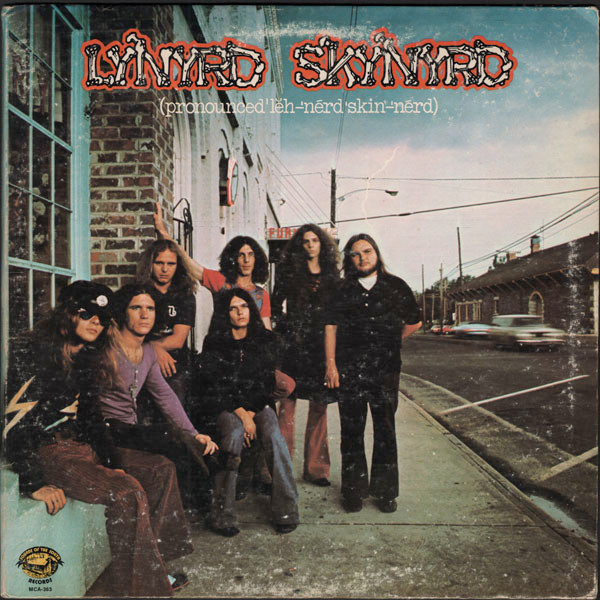
(Pronounced 'Lĕh-'nérd 'Skin-'nérd)
1973
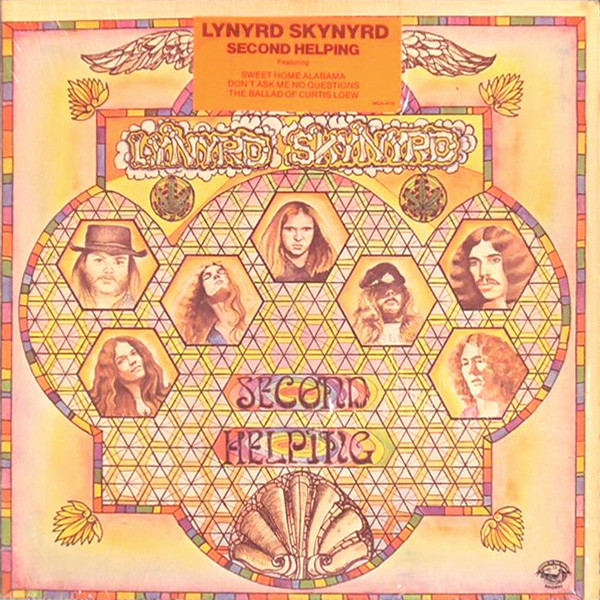
Second Helping
1974
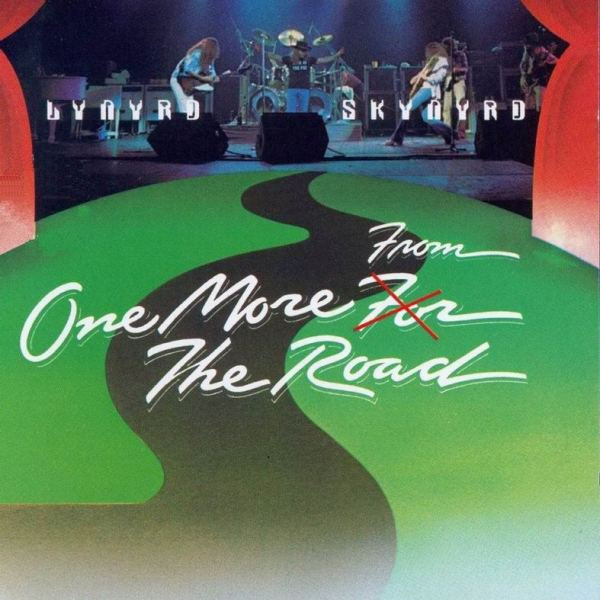
One More From The Road
1976
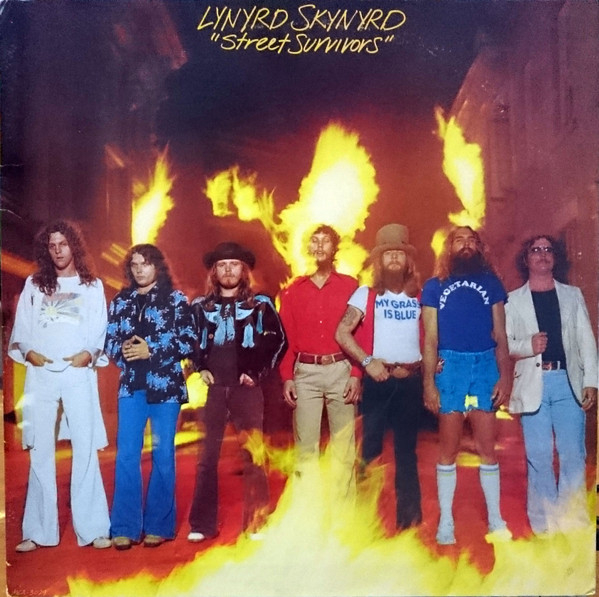
Street Survivors
1977
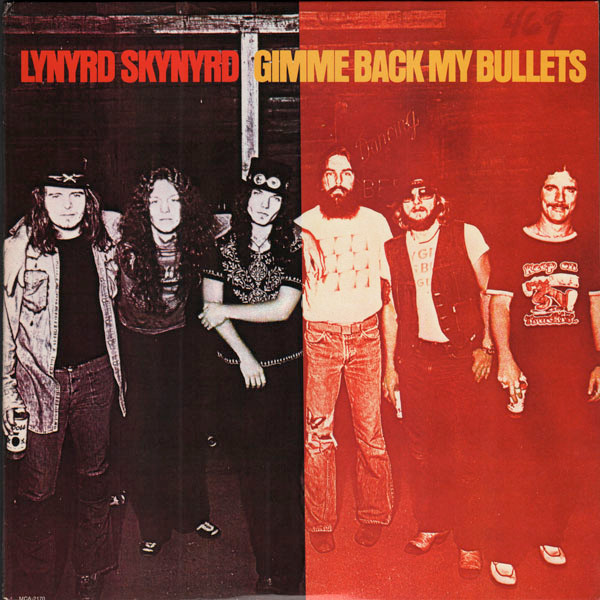
Gimme Back My Bullets
1976
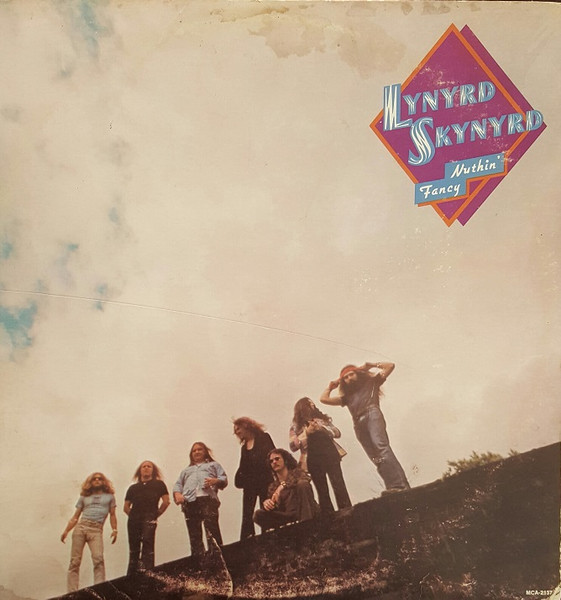
Nuthin' Fancy
1975
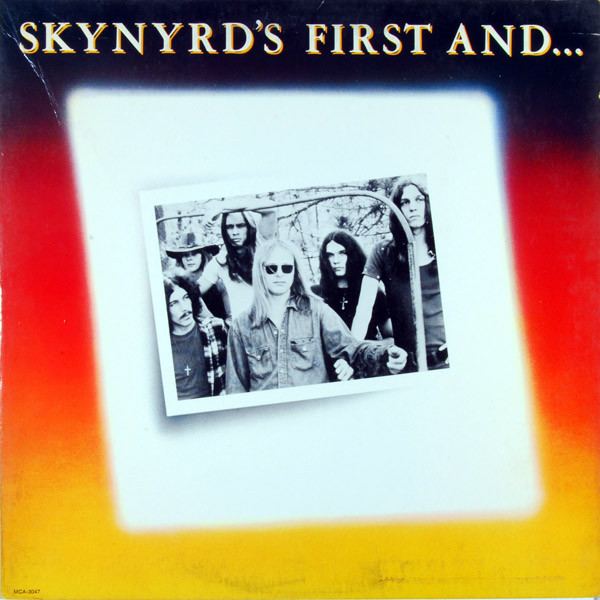
Skynyrd's First And... Last
1978

Skynyrd's Innyrds: Their Greatest Hits
1989
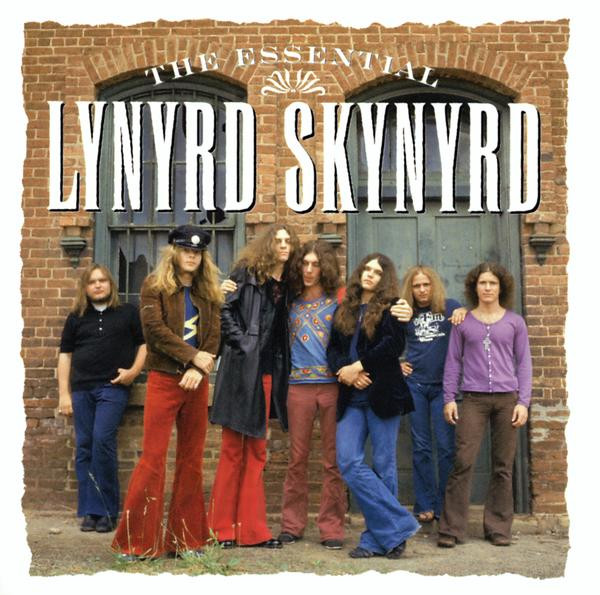
The Essential Lynyrd Skynyrd
1998

Icon
2010
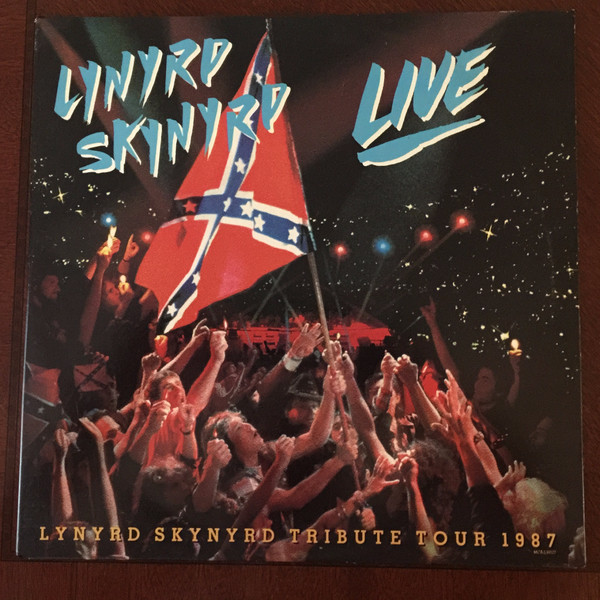
Southern By The Grace Of God: Lynyrd Skynyrd Tribute Tour 1987
1988

Legend
1987
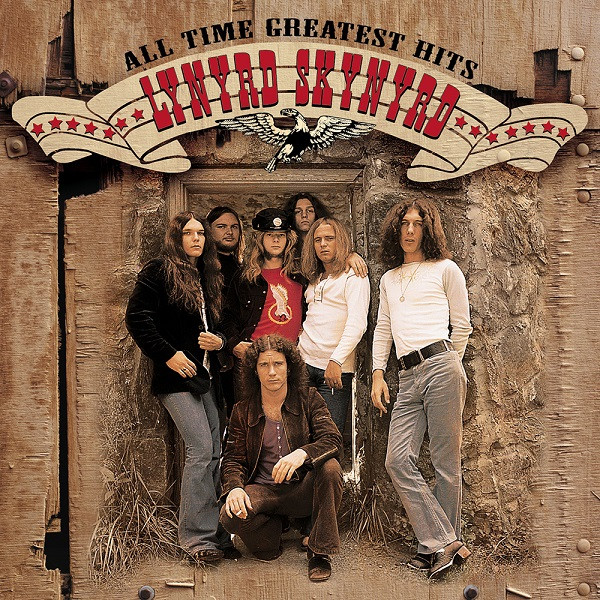
All Time Greatest Hits
2000
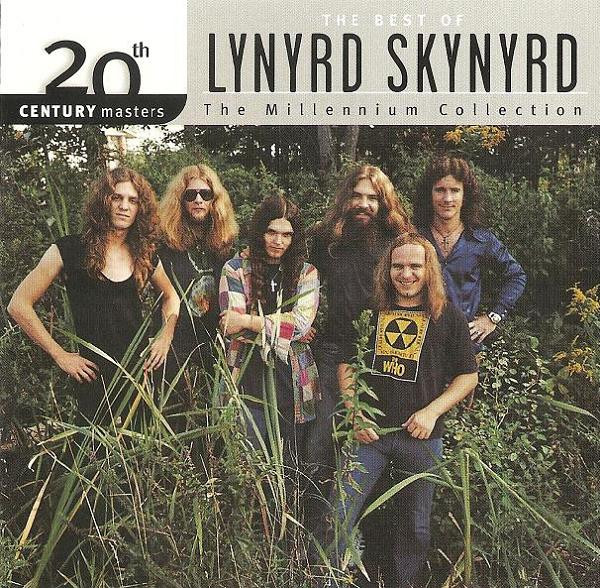
The Best Of Lynyrd Skynyrd
1999

Freebird The Movie
1996

The Last Rebel
1993

Free Bird / Sweet Home Alabama / Double Trouble
1976

Collected
2018

Last Of A Dyin' Breed
2012

Skynyrd's First - The Complete Muscle Shoals Album
1998

Endangered Species
1994
The Definitive Lynyrd Skynyrd Collection
1991

King Biscuit Flower Hour
1986
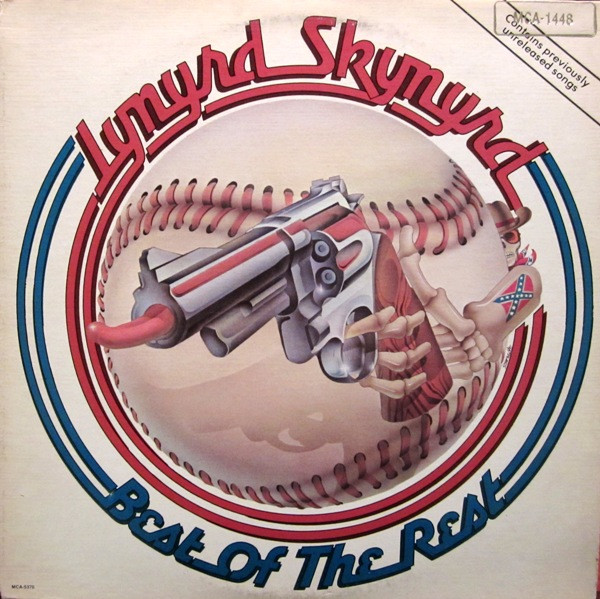
Best Of The Rest
1982
Related artists
Members
Frequent collaborators
Around the web
Follow every record they touch.
Start your shelf and Gatefold tracks Lynyrd Skynyrd's new pressings, tour dates, and the whole discography — automatically.
Start your shelf →Free forever. Works with 10 records or 10,000.