
Artist
Megadeth
Los Angeles, United States · Formed 1983
Megadeth is a music group from Los Angeles, United States, active since 1983. Their discography on Gatefold includes 24 records.

51
Albums tracked
631
In collections
1983
Since
Biography
Dave Mustaine got kicked out of Metallica in a New Jersey Greyhound station and spent the bus ride back to L.A. fuming over a handbill for a senator named Alan Cranston. That piece of paper had the word 'megadeath' on it, and Dave had a chip on his shoulder the size of a Marshall stack. He didn't just want to play fast; he wanted to play faster, meaner, and more technical than the guys who canned him. It was a revenge mission set to a jazz-fusion tempo, fueled by enough chemical intake to kill a normal person twice over. While the rest of the Big Four were leaning into stadium anthems or groove, Megadeth was busy rotating through the best session-grade players in the scene. You don't get the fretboard wizardry of Marty Friedman or the jazz-fluidity of Gar Samuelson by being a 'stable' band. You get it by being a revolving door of virtuosos who can handle Dave’s demands for complex time signatures and spider chords. The mid-90s saw them polish the edges for the radio, which pissed off the purists, but even the slick stuff had that underlying snarl. It’s a career built on technical spite, and honestly, the spite is what makes it work.
Bio from The Clerk
The Arc of Megadeth
The pivots — what forced Megadeth to reinvent.
The Jazz-Metal Combat Zone
Mustaine snatched Gar Samuelson and Chris Poland from a jazz-fusion project called The New Yorkers to record the early Combat Records sessions. This wasn't standard thrash; it was heroin-fueled chaos played with the precision of a bop quintet. You hear it in the frantic, swinging cymbal work and the dissonant lead swaps that made their debut and Peace Sells feel like they were going to fly off the rails at any second. It was high-IQ violence that forced the rest of the Bay Area to practice their scales.
The Virtuoso Polish
Bringing in Marty Friedman and Nick Menza for the Rust in Peace era changed the DNA of the band from a street fight to a clinic. Mike Clink, fresh off Guns N' Roses, helped engineer a sound that was surgically clean without losing the bite. This pivot moved them away from the jagged punk energy of the 80s and into the realm of 'prog-thrash' where the solos were as hooky as the choruses. It is the peak of the lineup's technical capability, characterized by neo-classical precision and tighter, more political songwriting.
The Platinum Pivot
With Countdown to Extinction, the band intentionally slowed down the tempos and simplified the structures to compete with the Black Album's massive success. Max Norman came in to produce a sound that was heavier on the low end and more focused on Mustaine's rhythmic snarl than ten-minute instrumental sections. The songs got shorter and the production got expensive, pushing them into arenas but trading away some of the erratic danger of the early years. It was a calculated move toward heavy metal superstardom that actually paid off before the wheels fell off in the late 90s.
Influences
- Diamond Head — Mustaine has repeatedly cited 'It's Electric' as the song that made him want to play this style. You hear it in the galloping riffs and the structured NWOBHM melodicism that anchors even his fastest tracks. They basically provided the blueprint for the entire New Wave of British Heavy Metal obsession that birthed thrash.
- Venom — Megadeth covered 'Black Metal' during early rehearsals and soundchecks, showing where they got their taste for the occult and the grime. Venom’s sloppy, high-speed aggression was the necessary antithesis to the polished rock of the era. It gave Dave the permission to be ugly and fast.
- Budgie — The band famously covered 'Melt the Ice Away,' a nod to the Welsh power trio's influence on their riff construction. Budgie’s weird, quirky heavy rock transitions are all over the more technical sections of the early Megadeth catalog. They learned how to make a three-piece sound like a freight train from these guys.
- Sex Pistols — The cover of 'Anarchy in the U.K.' on the third record wasn't just a lark; it was an acknowledgment of the band's snotty, anti-authoritarian streak. Steve Jones's raw guitar tone is the direct ancestor of Mustaine's rhythmic 'chug.' That punk sneer is the only thing keeping the technical wizardry from feeling like a math class.
- Mahavishnu Orchestra — Mustaine grew up listening to John McLaughlin's fusion projects, which explains why he hired jazz drummers instead of rock hitters. You can hear that influence in the complex, odd-meter riffing of tracks like 'Take No Prisoners.' It’s metal played with a jazz-fusion brain.
Discography
Their records — most-collected first.
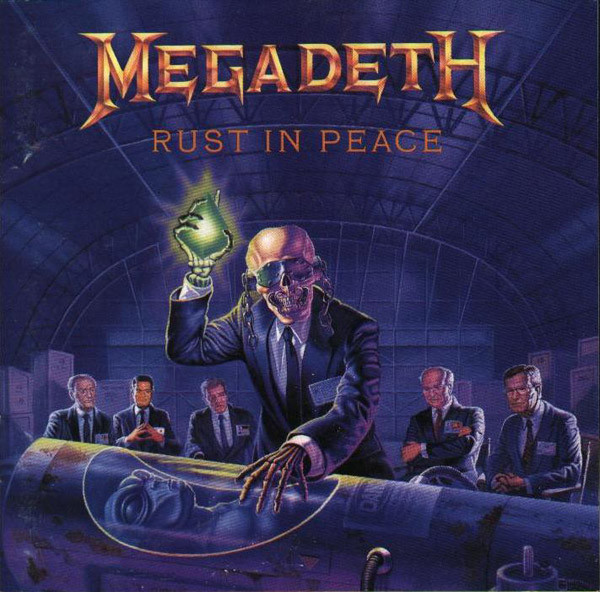
Rust In Peace
1990
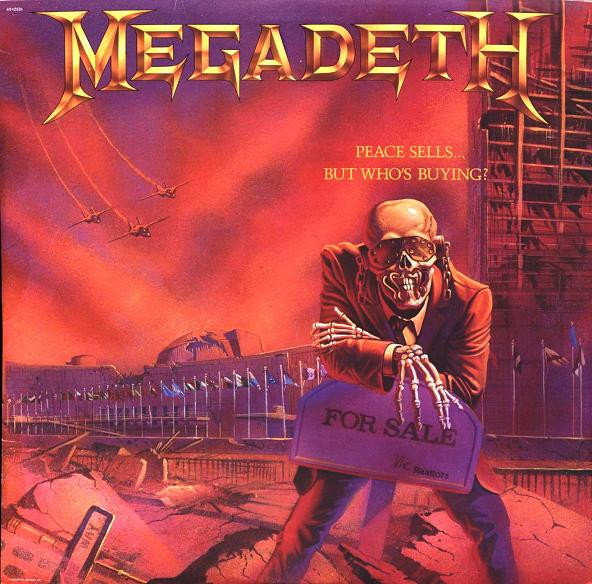
Peace Sells... But Who's Buying?
1986
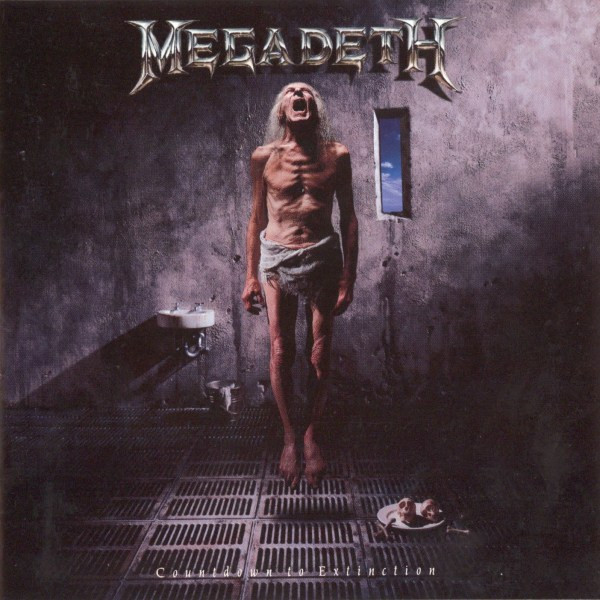
Countdown To Extinction
1992
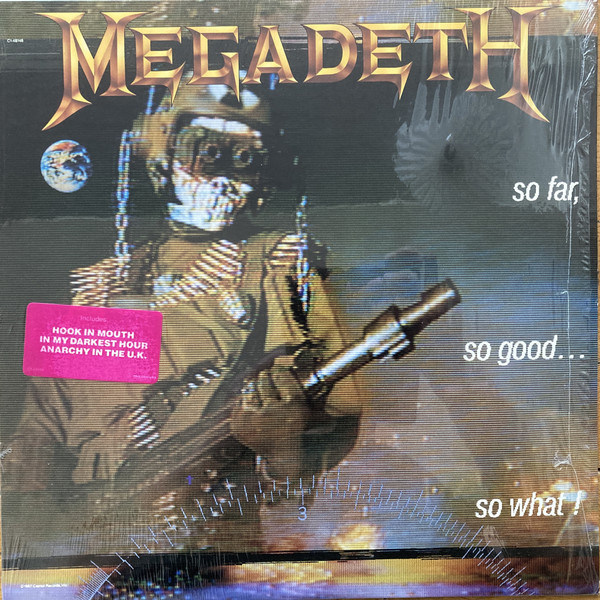
So Far, So Good... So What!
1988
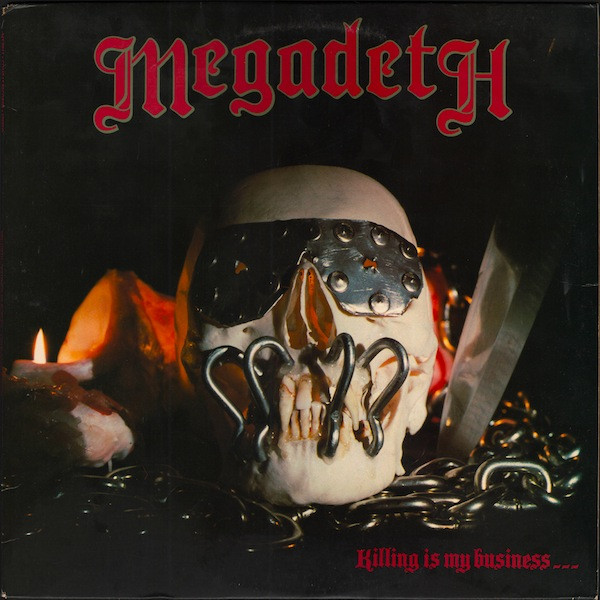
Killing Is My Business... And Business Is Good!
1985
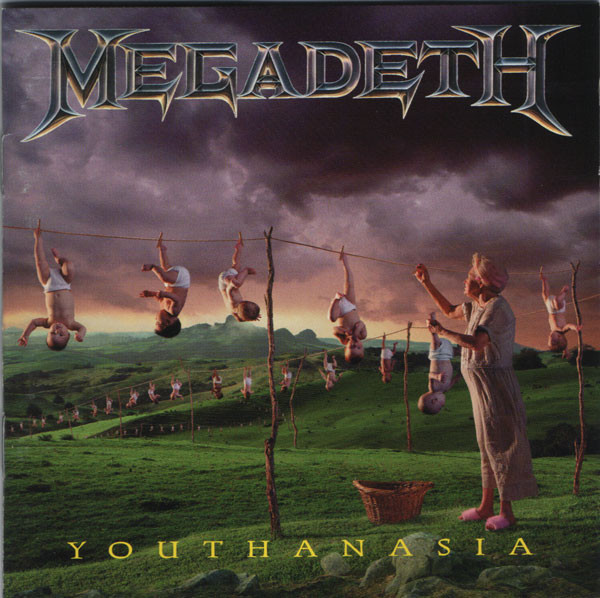
Youthanasia
1994

Megadeth
2026

Hidden Treasures
1995
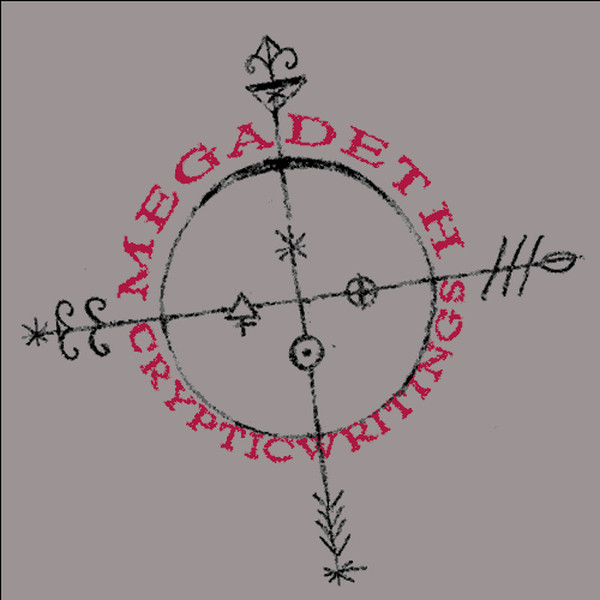
Cryptic Writings
1997
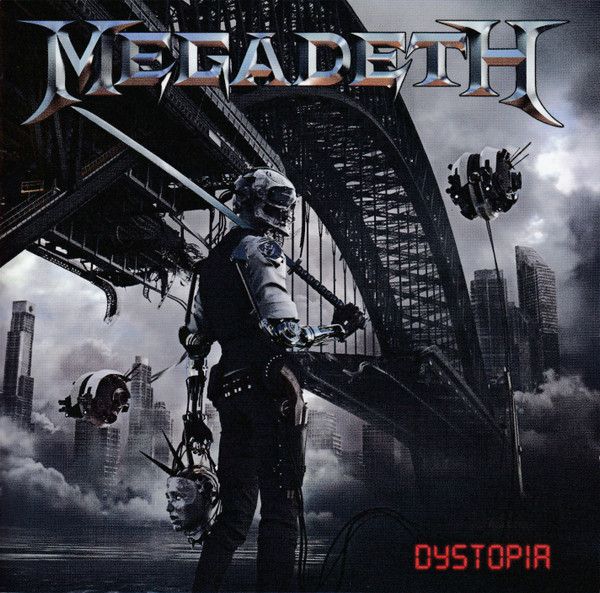
Dystopia
2016
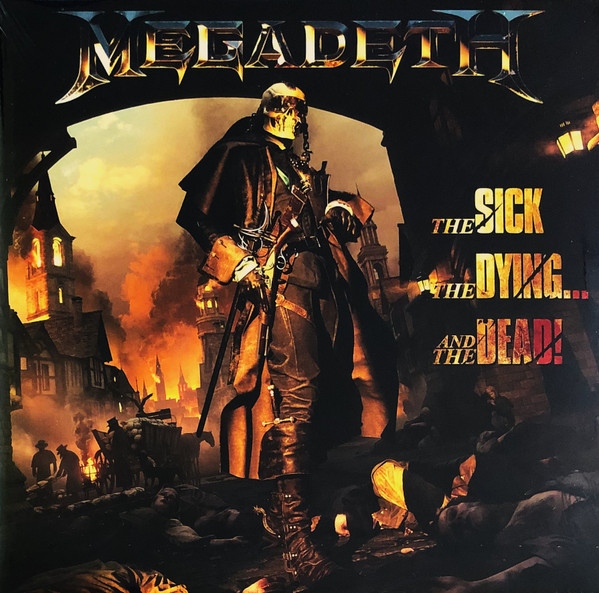
The Sick, The Dying... And The Dead!
2022
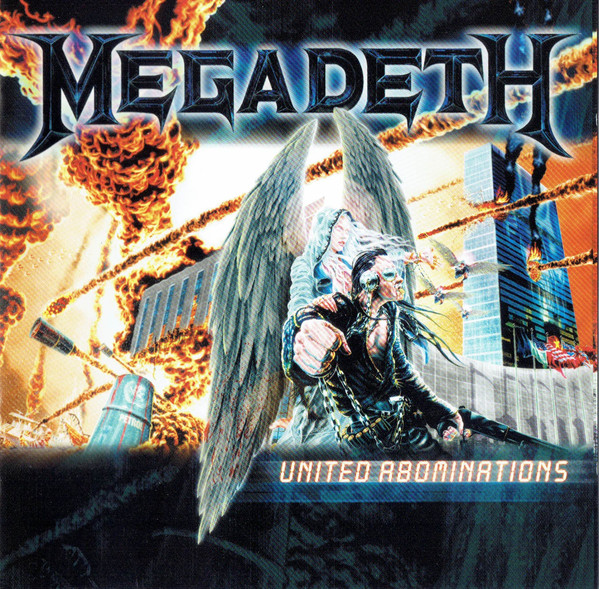
United Abominations
2007
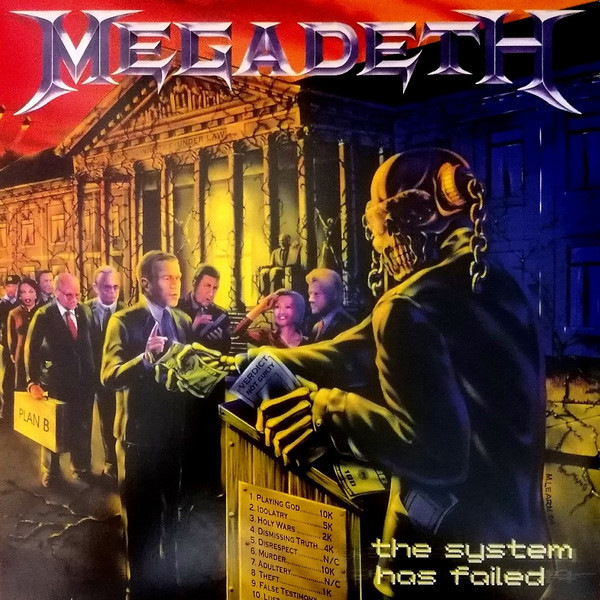
The System Has Failed
2004
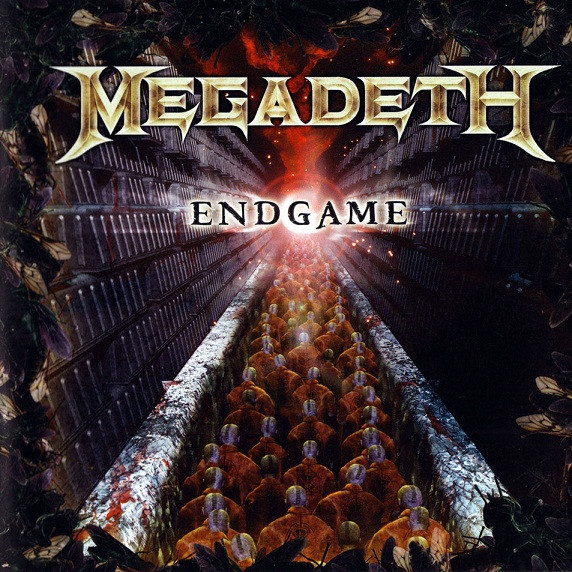
Endgame
2009
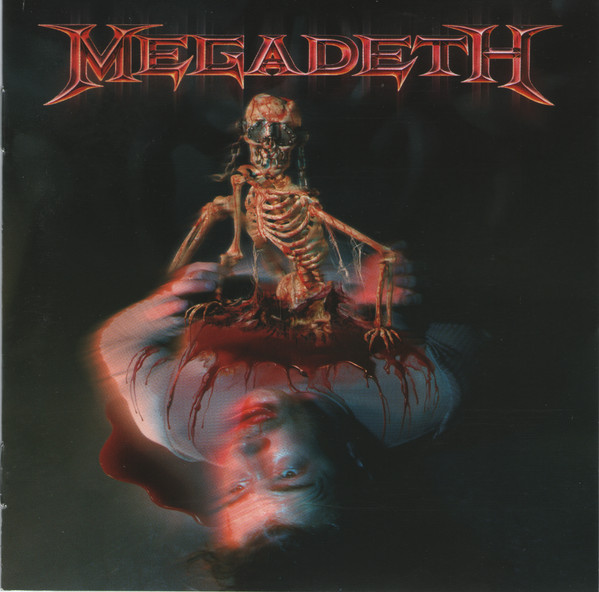
The World Needs A Hero
2001

Th1rt3en
2011

Rude Awakening
2002
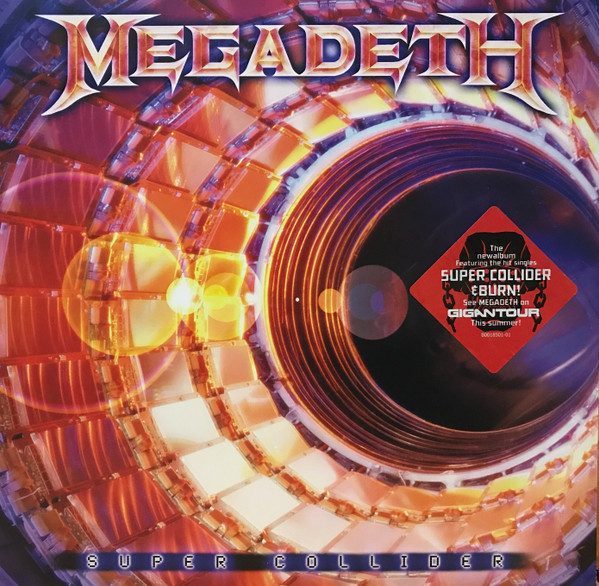
Super Collider
2013
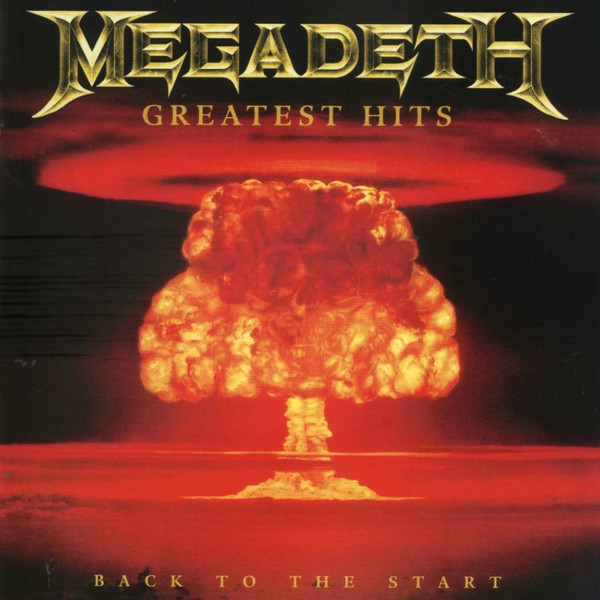
Greatest Hits: Back To The Start
2005
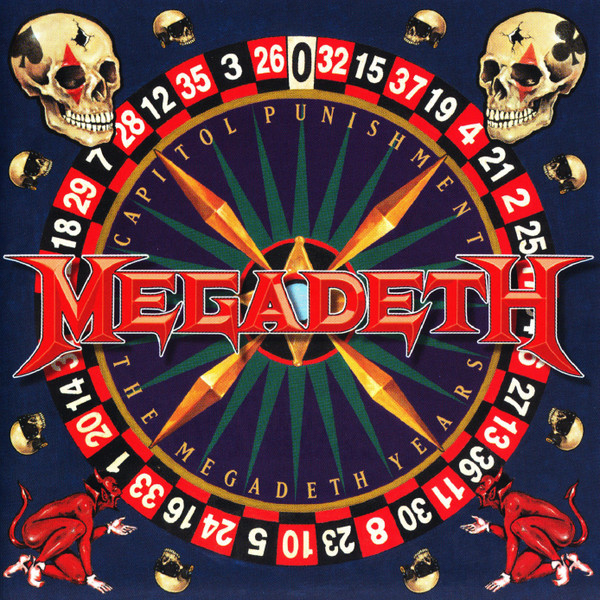
Capitol Punishment: The Megadeth Years
2000
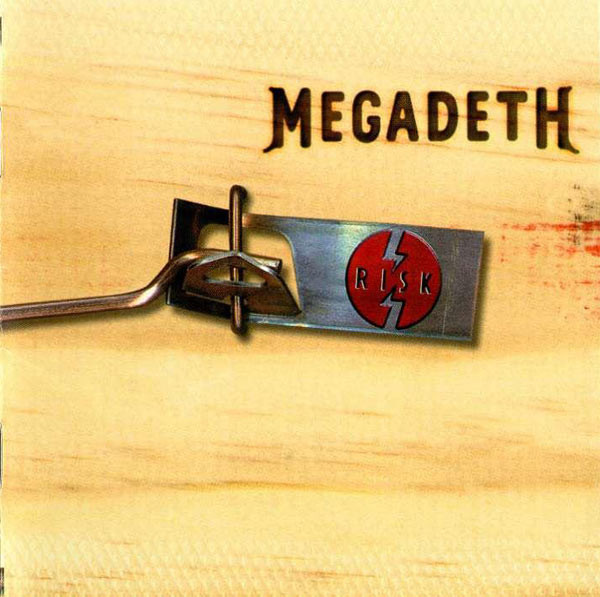
Risk
1999

Unplugged In Boston
2006

That One Night: Live In Buenos Aires
2007

Symphony Of Destruction
1992
Related artists
Members
Frequent collaborators
Around the web
Follow every record they touch.
Start your shelf and Gatefold tracks Megadeth's new pressings, tour dates, and the whole discography — automatically.
Start your shelf →Free forever. Works with 10 records or 10,000.