
Artist
Wayne Shorter
US jazz saxophonist and composer
Newark, United States · 1933 – 2023
Wayne Shorter is a musician from Newark, United States, active 1933–2023. Their discography on Gatefold includes 24 records. They also recorded with Weather Report, Art Blakey & The Jazz Messengers, Miles Davis Quintet, The Gil Evans Orchestra and V.S.O.P..

135
Albums tracked
1,033
In collections
1933
Since
Biography
Rudy Van Gelder had to mic him differently than Coltrane or Rollins because Wayne Shorter never forced air into the horn like an athlete. He didn't blow through the changes to prove a point. He played like a sniper who only had three bullets left in the chamber, leaving massive sinkholes of empty air that dared the rhythm section to fill them. Miles Davis chased him for years to write the book for the Second Great Quintet because Miles knew nobody else understood harmonic suspense like Wayne. He had his wandering years in the late eighties where the DX7 gloss and sterile production smothered his bite. Fair enough — a lot of titans got swallowed by smooth jazz and soundtrack credits back then. But write him off and you miss the miracle of the late quartet, where he spent his seventies and eighties pulling apart his own catalog like tissue paper, proving his real weapon was never chops, but the terrifying logic of what he chose not to play.
Bio from The Clerk
The Arc of Wayne Shorter
The pivots — what forced Wayne Shorter to reinvent.
The Blue Note Pen
Between 1964 and 1966, Shorter was doing double duty as the primary pen for Miles Davis while cutting a string of stone-cold dates under his own name at Van Gelder Studio. Records like Night Dreamer, Juju, and Speak No Evil established a moodier, occult-tinged alternative to hard bop. Herbie Hancock and Elvin Jones gave his elliptical, unresolved melodies room to hang in the air. It sounded less like a cutting contest and more like high modernism sneaking onto commercial vinyl.
The Weather Report Electricity
Leaving the straight-ahead world behind, he co-founded Weather Report and plugged his soprano sax into a wall of synthesis and heavy global groove. In the middle of Joe Zawinul's dense chordal walls, Wayne played the ghost, floating brief soprano fragments over massive basslines rather than soloing in long choruses. Then he tracked Native Dancer in '74, pulling Brazilian giant Milton Nascimento into American studios to bend the fusion boom toward acoustic, haunting songcraft. It remains one of the few seventies jazz-fusion turns that hasn't aged into kitsch.
The Late Quartet Deconstructions
After decades flirting with pop tours, guest spots, and slick contemporary production, he formed his acoustic quartet around the turn of the millennium and abandoned the safety net completely. The band stopped calling tunes and started playing continuous open-form sets where historic motifs from the sixties would surface for ten seconds and dissolve into free space. Alegría and Emanon proved that in his old age, he wasn't interested in a museum act. He treated his own legacy like raw material to be blown up on stage every night.
Influences
- Art Blakey — Shorter spent nearly five years in the trenches of the Jazz Messengers starting in 1959, serving as both tenor soloist and musical director. Blakey drilled the discipline of dynamic pacing and sharp arranging directly into his bones. You hear that relentless structural punch behind early compositions like 'Children of the Night.'
- Thelonious Monk — Shorter spent his formative Newark years obsessed with Monk's refusal to use excess filler notes. Monk taught him that awkward harmonic intervals and dead silence could carry more emotional weight than a flurry of sixteenth notes. You hear that eccentric, jagged logic driving the chord structures across Speak No Evil.
- Lester Young — Young was Shorter's primary childhood idol on the tenor, specifically for his detached, airy tone and habit of floating over the bar line. Shorter avoided the aggressive, buzzsaw attack of Coleman Hawkins in favor of Young's cool, narrative drift. You hear that light, singing phrasing on every ballad Wayne ever recorded.
- Charlie Parker — Like every saxophonist coming up in the forties, Shorter dissected Bird's bebop vocabulary until he could execute it at breakneck tempos in local jam sessions. The difference was that Shorter used Parker's chromatic agility as an escape hatch rather than a template to copy. You hear Bird's angular syntax hidden inside the harmonic left turns on 'Juju.'
- Bud Powell — Shorter consistently cited Powell's dense, percussive chord voicings as a blueprint for how he conceived harmonic movements on the saxophone. Powell's tense, nervous energy shaped the way Wayne wrote melodies that refuse to resolve neatly. You hear Powell's brooding minor-key architecture embedded in the backbone of 'The All Seeing Eye.'
Wayne Shorter — solo
Their records — most-collected first.

Speak No Evil
1966
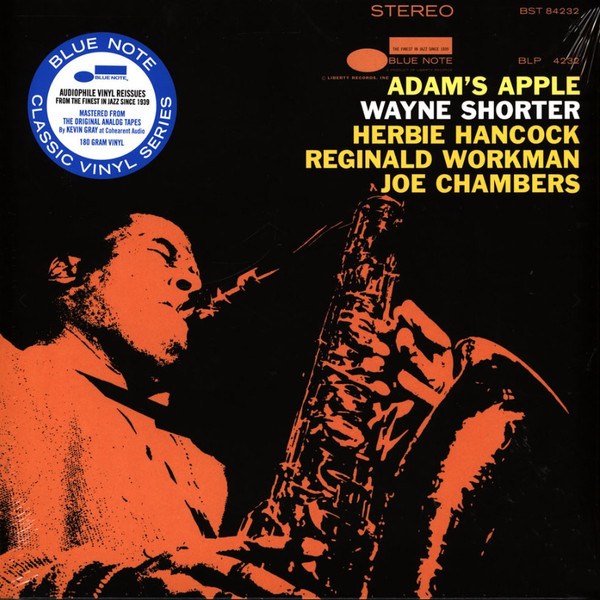
Adam's Apple
1967
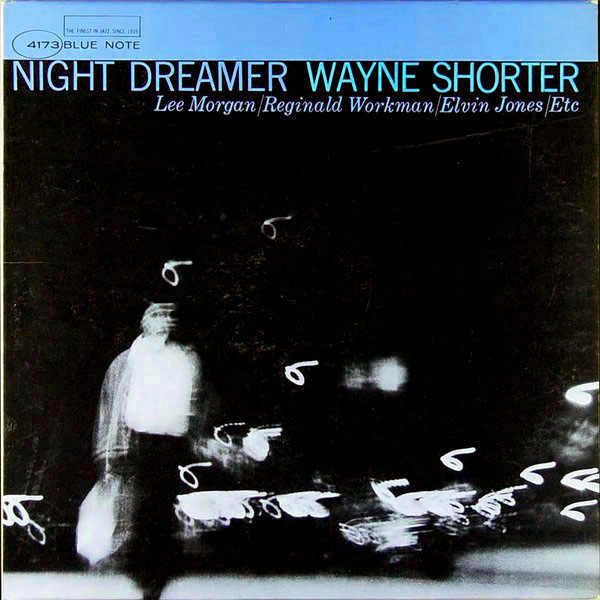
Night Dreamer
1964
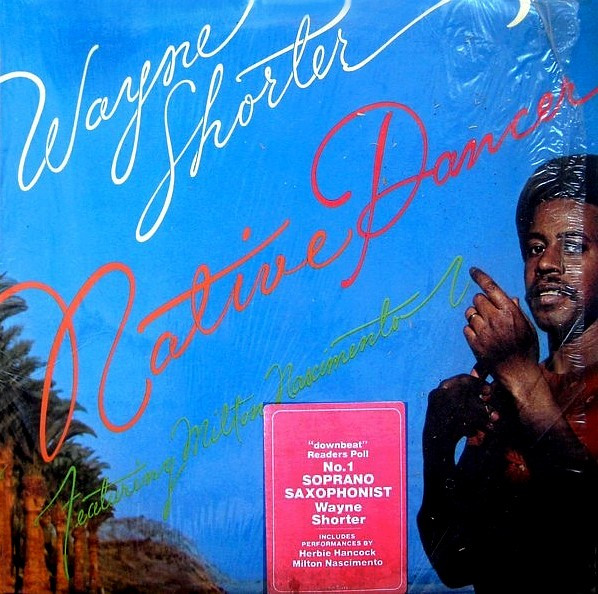
Native Dancer
1975
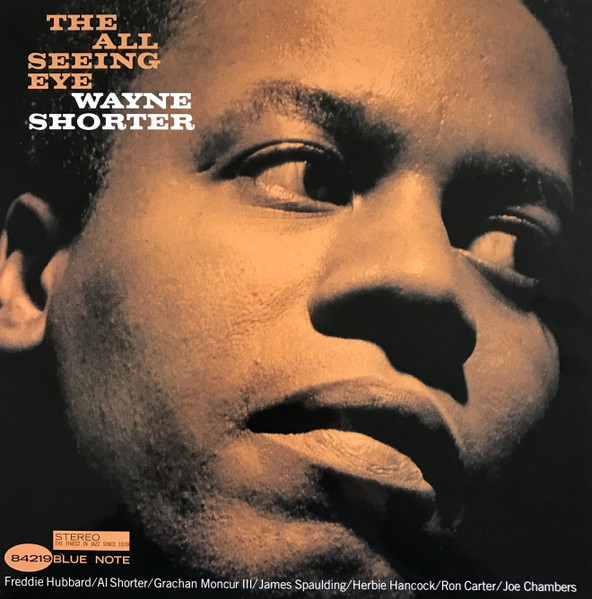
The All Seeing Eye
1966

Schizophrenia
1969
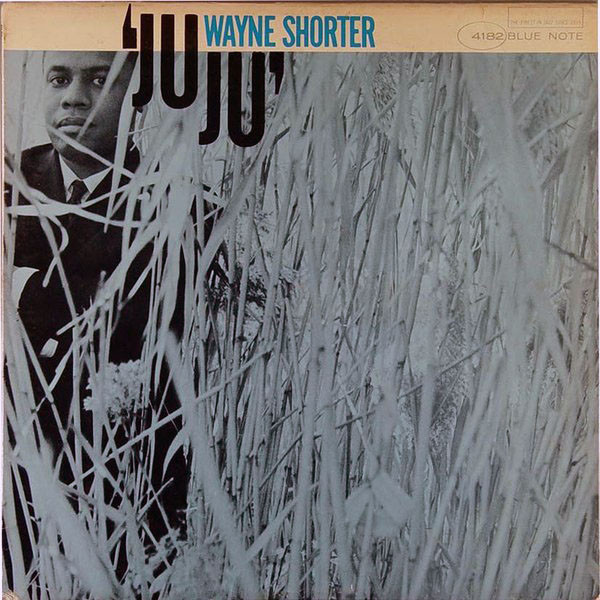
Juju
1965
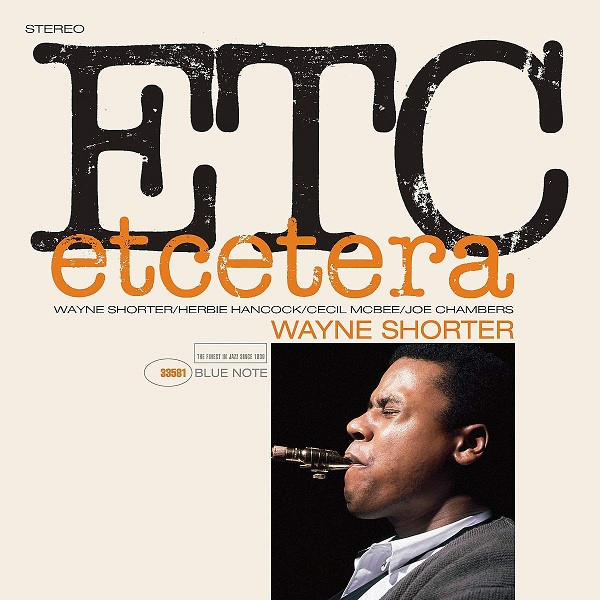
Etcetera
1980

The Soothsayer
1979

Odyssey Of Iska
1971
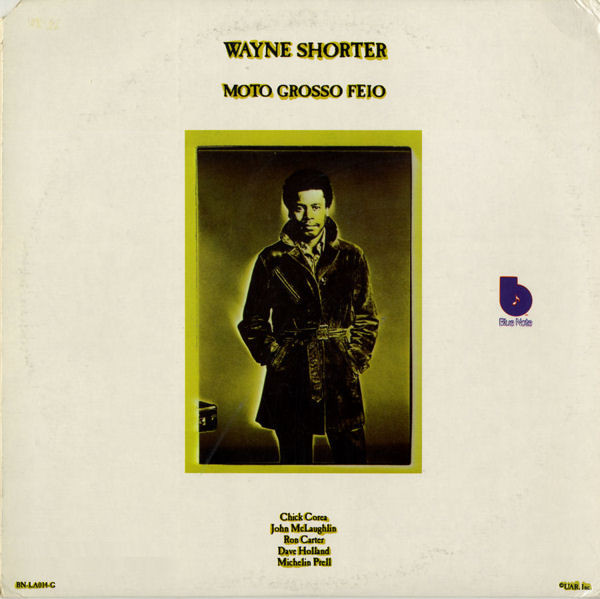
Moto Grosso Feio
1974
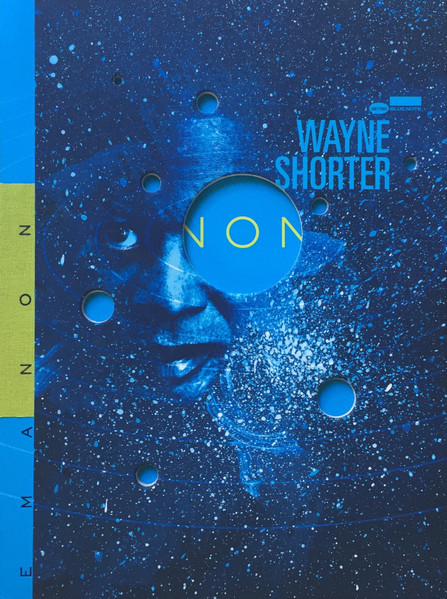
Emanon
2018
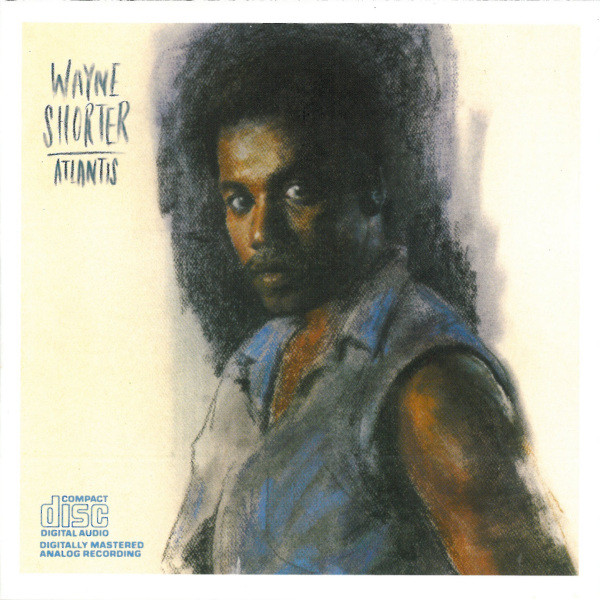
Atlantis
1985
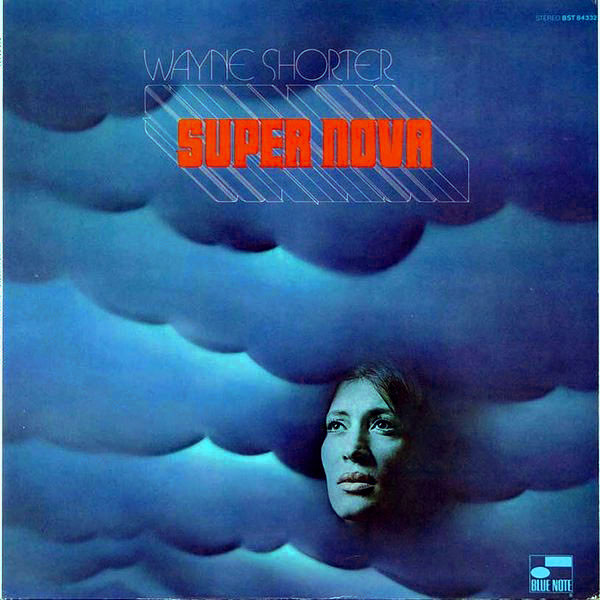
Super Nova
1970
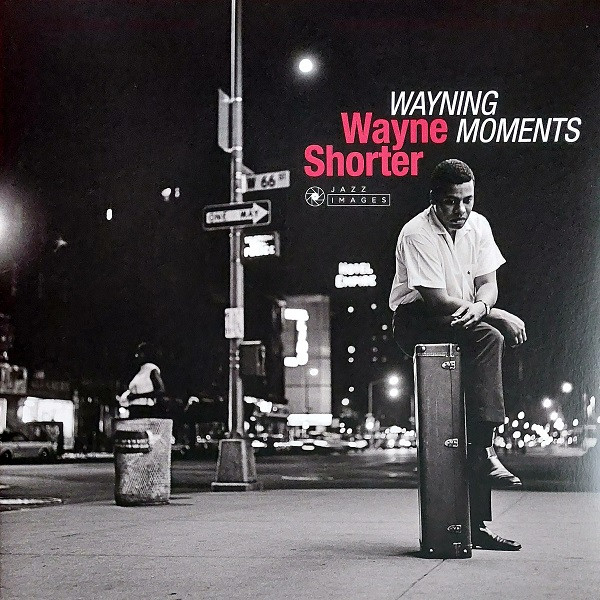
Wayning Moments
1962

Introducing Wayne Shorter
1960

Phantom Navigator
1987
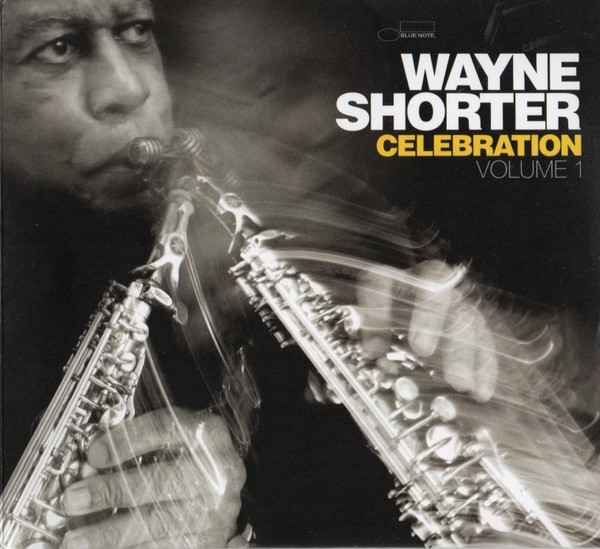
Celebration Volume 1
2024

Footprints Live!
2002
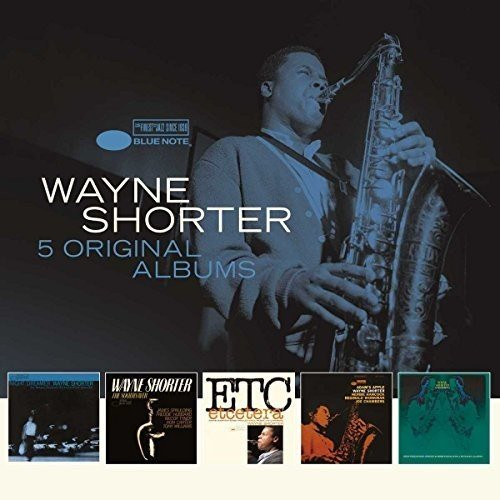
5 Original Albums
2016

Footprints The Life And Music Of Wayne Shorter
2004
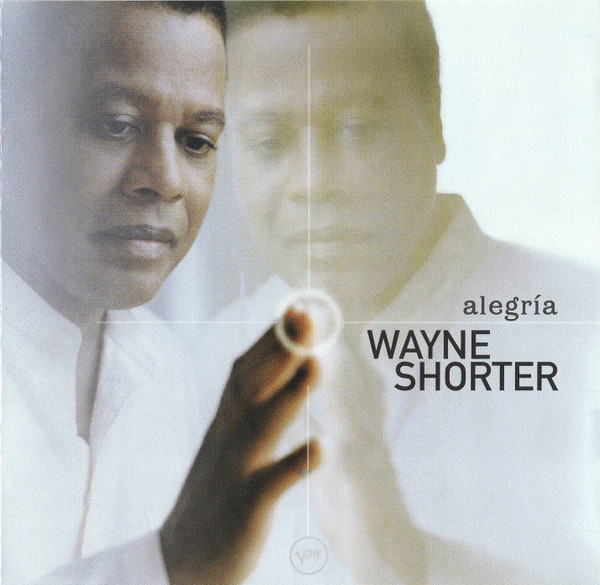
Alegría
2003
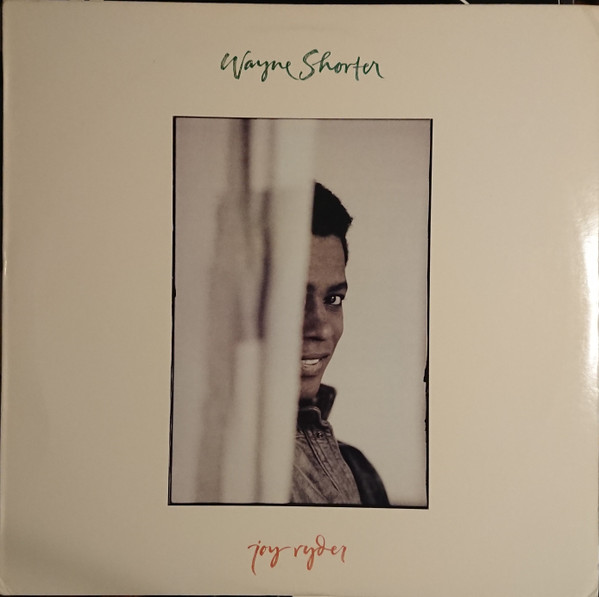
Joy Ryder
1988
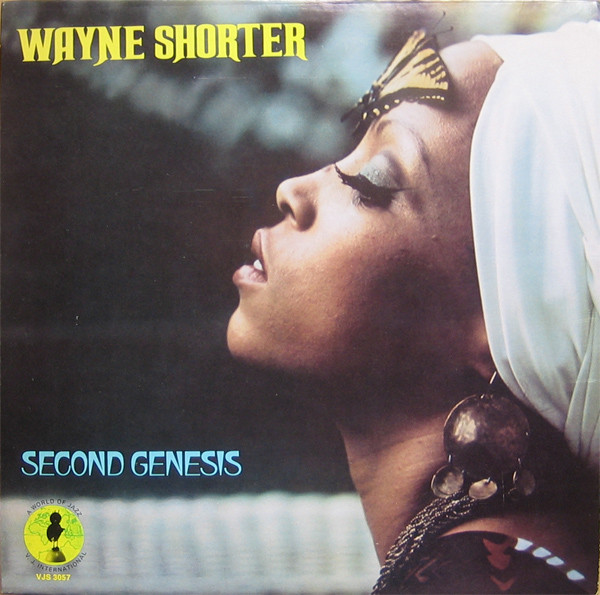
Second Genesis
1974
Weather Report
A project Wayne Shorter was part of. Former member.
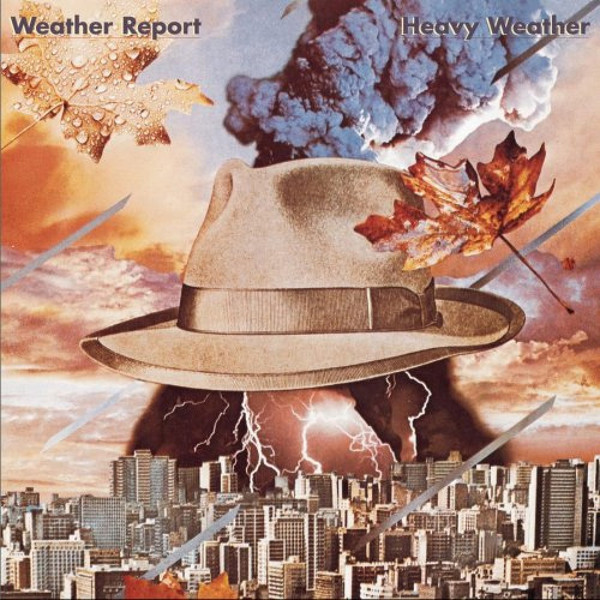
Heavy Weather
1977
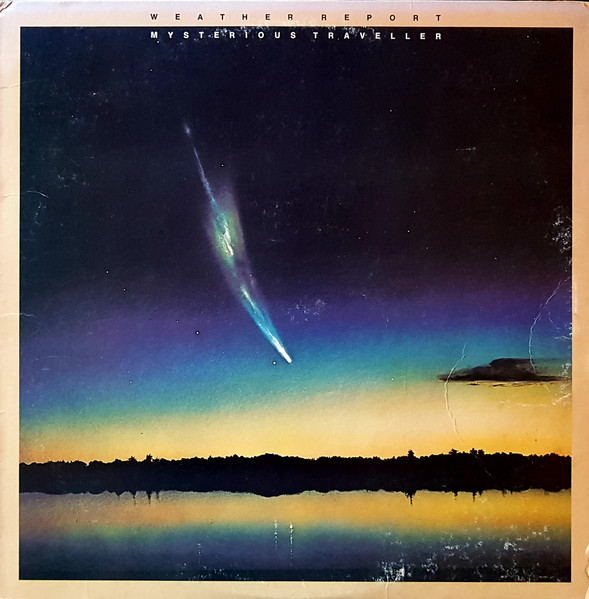
Mysterious Traveller
1974
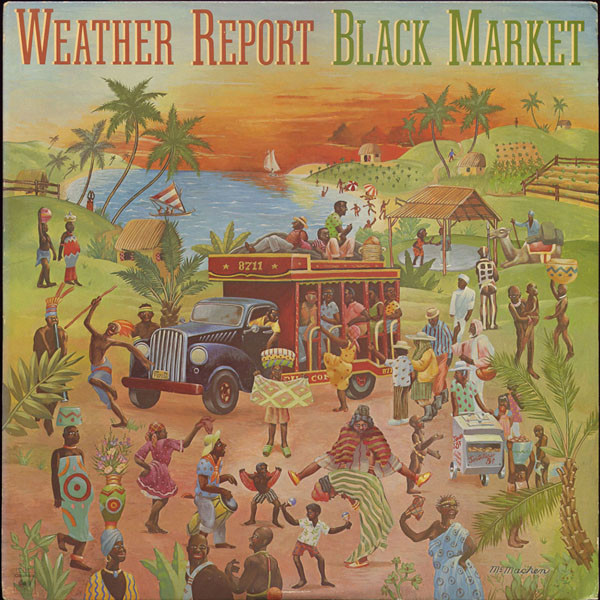
Black Market
1976
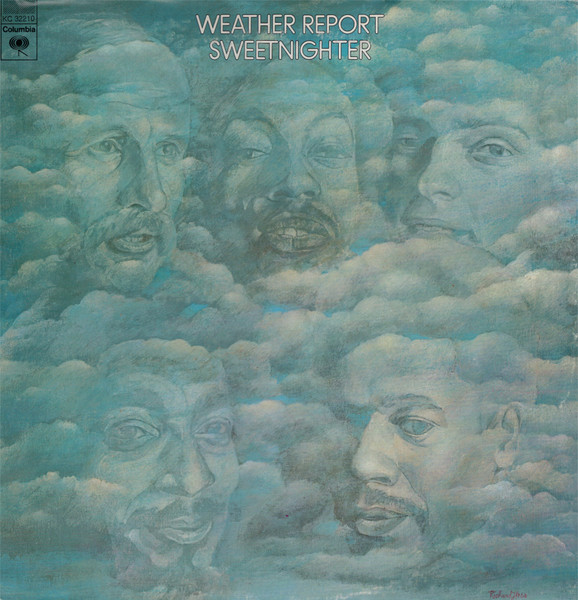
Sweetnighter
1973

Mr. Gone
1978
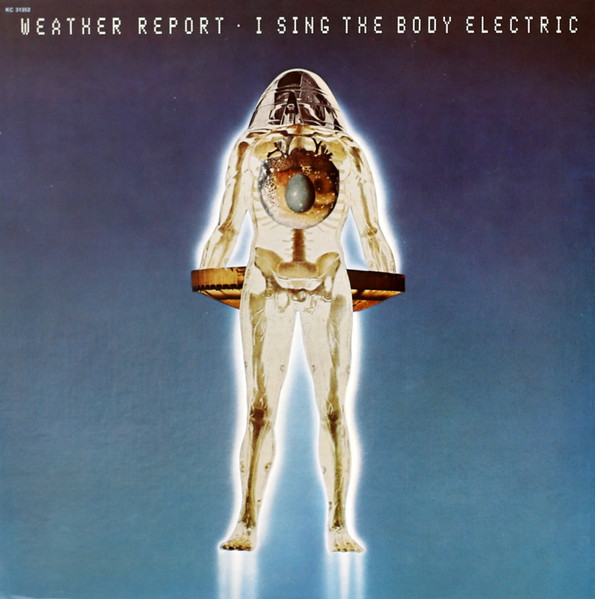
I Sing The Body Electric
1972
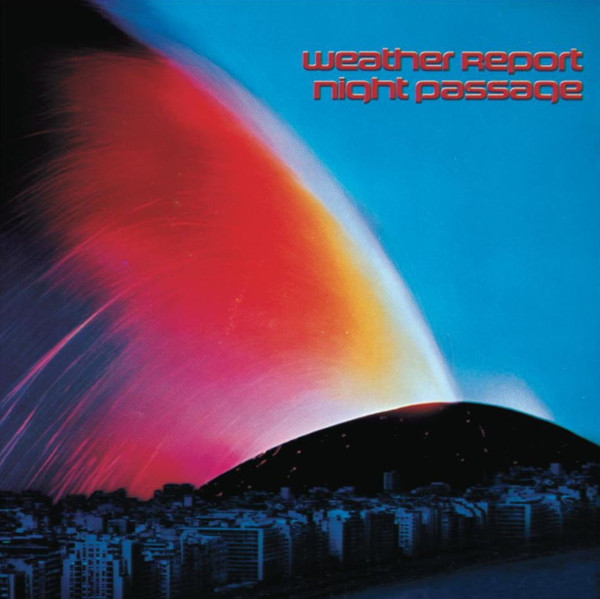
Night Passage
1980
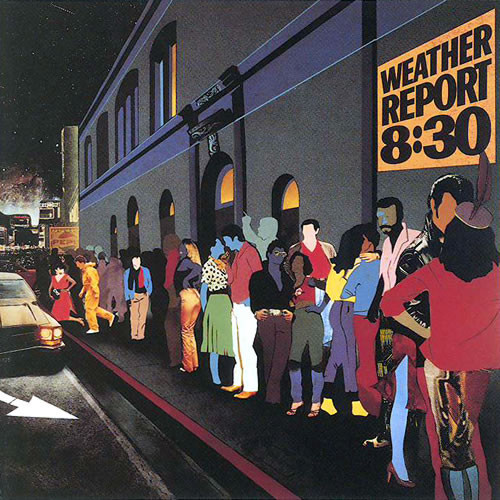
8:30
1979
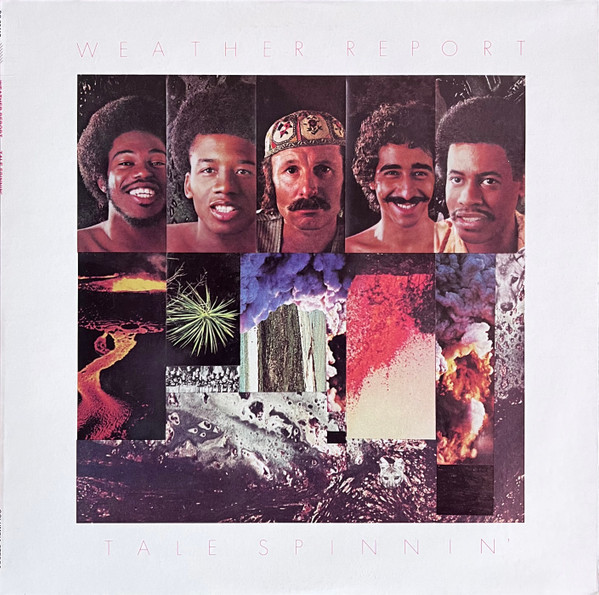
Tale Spinnin'
1975

Domino Theory
1984
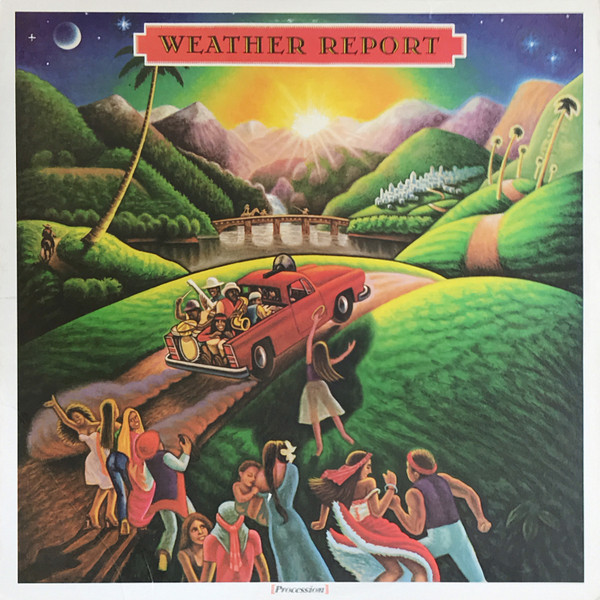
Procession
1983
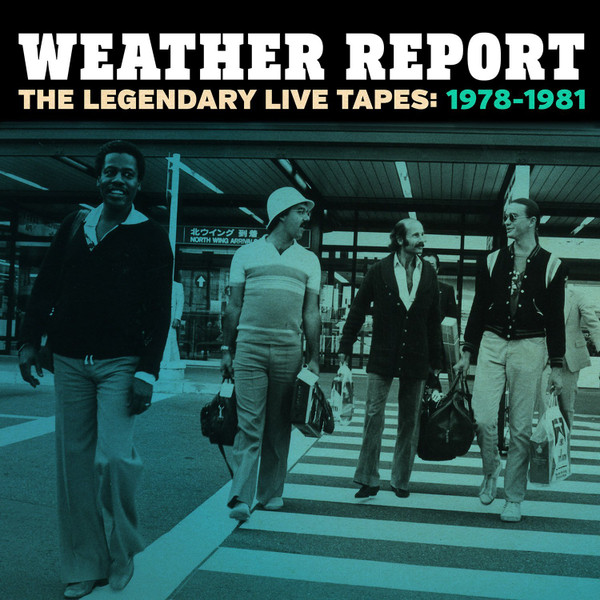
The Legendary Live Tapes: 1978-1981
2015
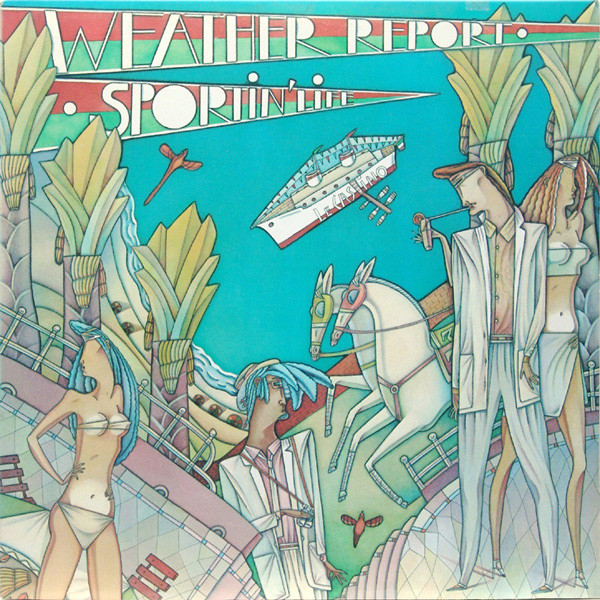
Sportin' Life
1985

Weather Report
1982
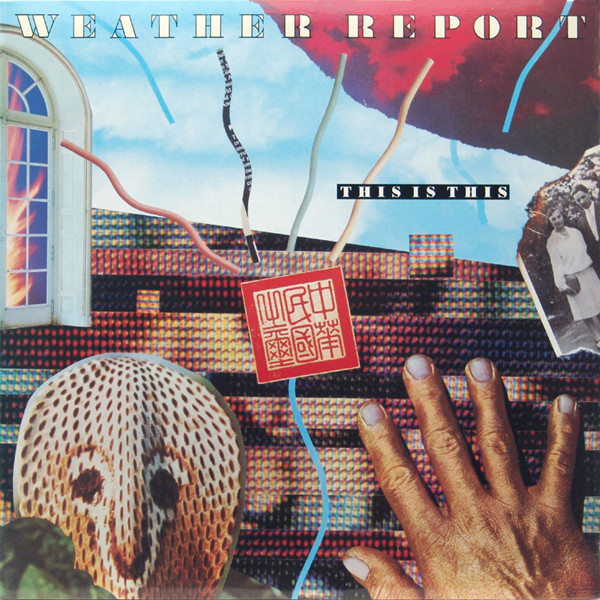
This Is This
1986
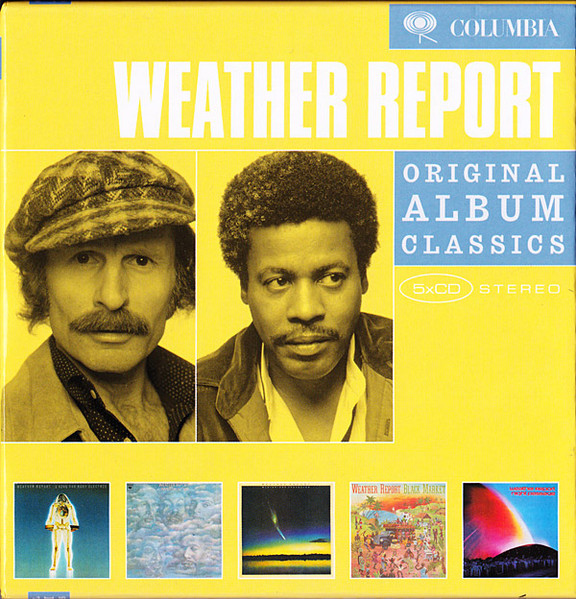
Original Album Classics
2007

Live In Berlin 1971
2023

Live In Offenbach 1978
2011
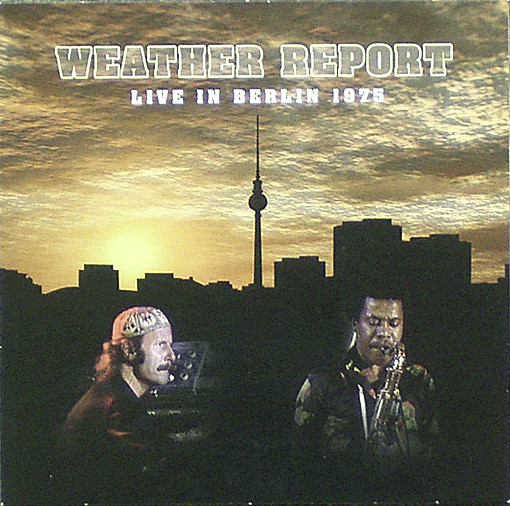
Live In Berlin 1975
2011
Live & Unreleased
2002

Live In London
2020

The Columbia Albums 1976-1982
2014
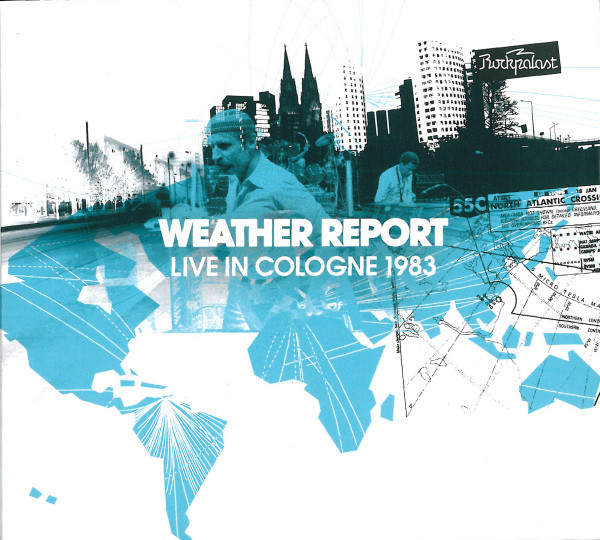
Live In Cologne 1983
2011

Collections
2008
Art Blakey & The Jazz Messengers
A project Wayne Shorter was part of. Former member.
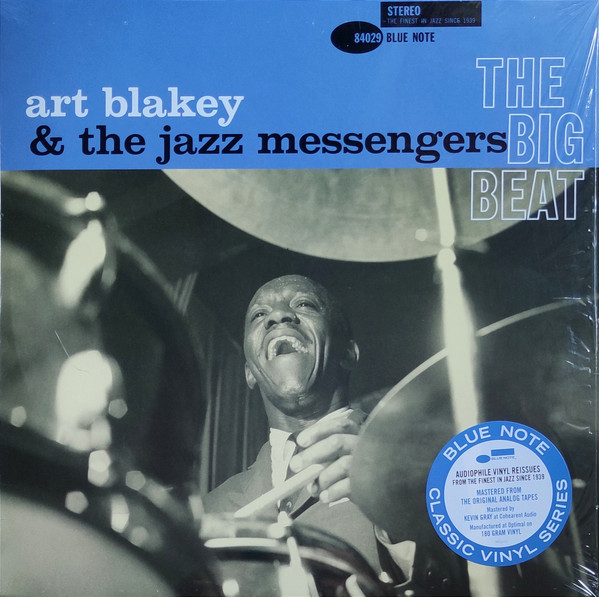
The Big Beat
1960

Caravan
1962

A Night In Tunisia
1961

Just Coolin'
2020

The Witch Doctor
1967

Free For All
1965

First Flight To Tokyo: The Lost 1961 Recordings
2021
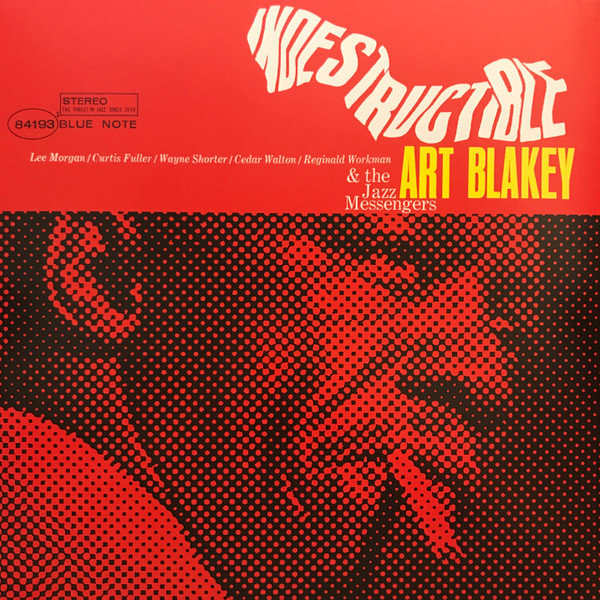
Indestructible
1966

Buhaina's Delight
1963

Mosaic
1961
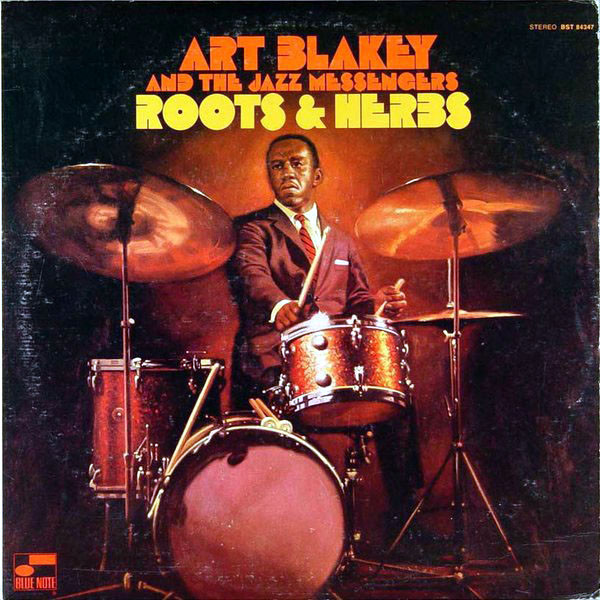
Roots & Herbs
1970
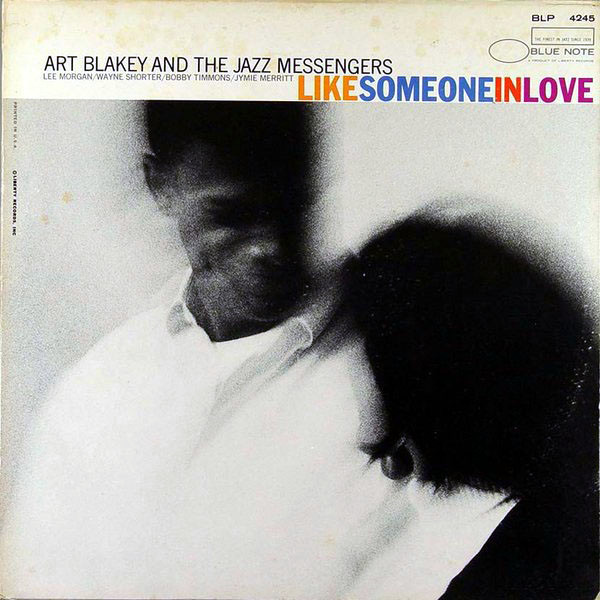
Like Someone In Love
1967
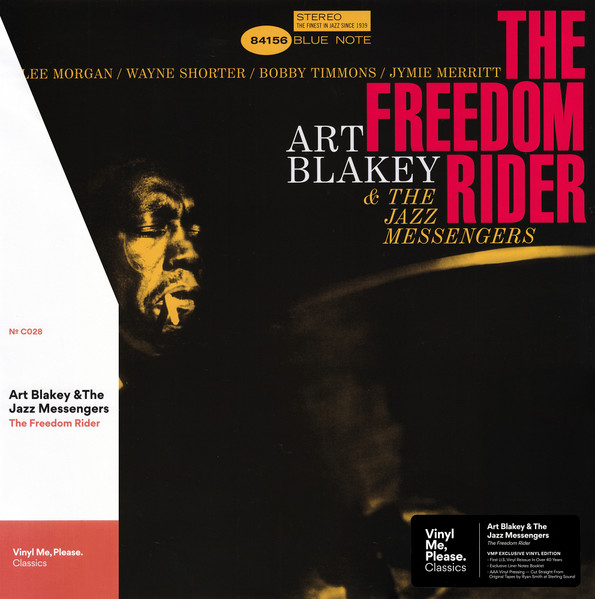
The Freedom Rider
1964

Meet You At The Jazz Corner Of The World (Volume 1)
1961
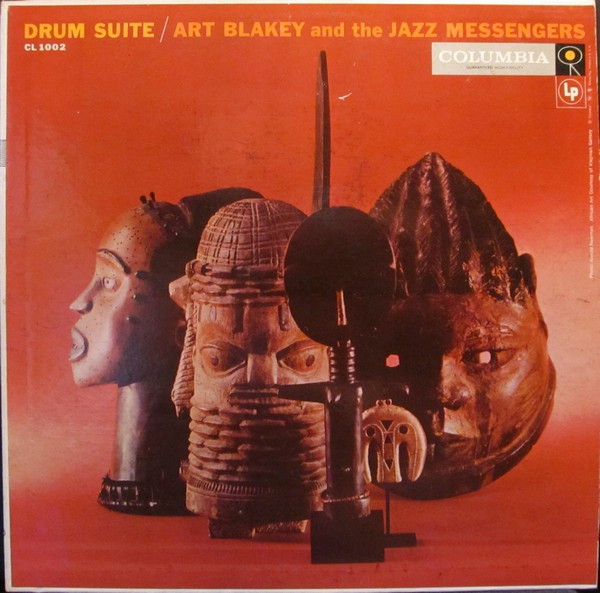
Drum Suite
1957
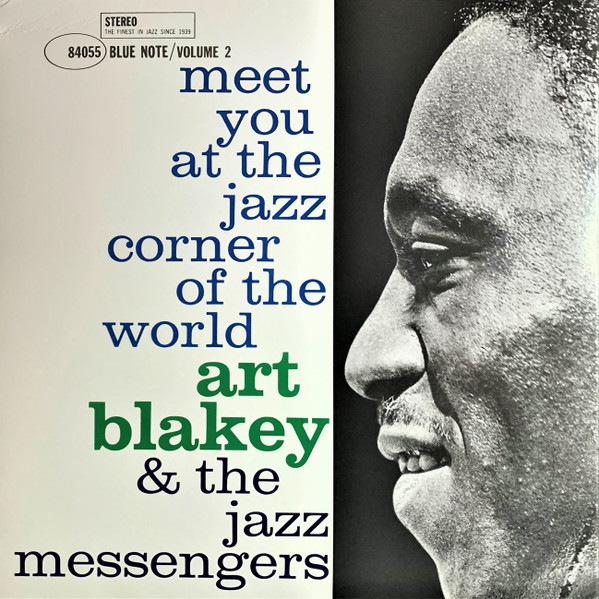
Meet You At The Jazz Corner Of The World (Volume 2)
1962

Kyoto
1966

Moanin'
1958

Soul Finger
1965

Au Club St. Germain Vol. 1
1959
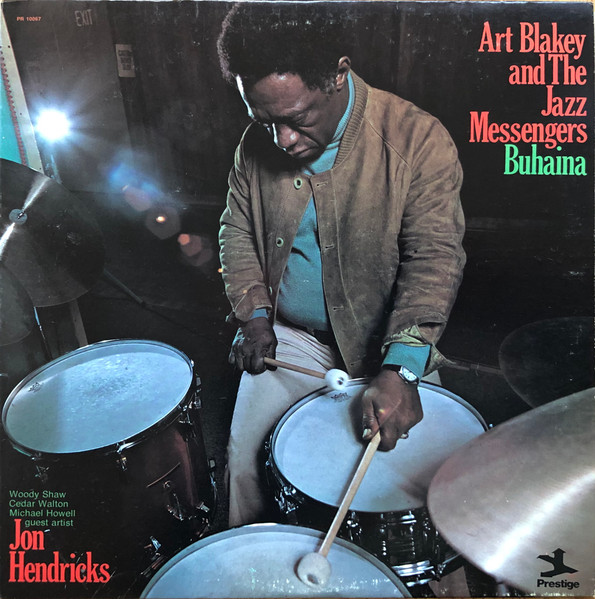
Buhaina
1973
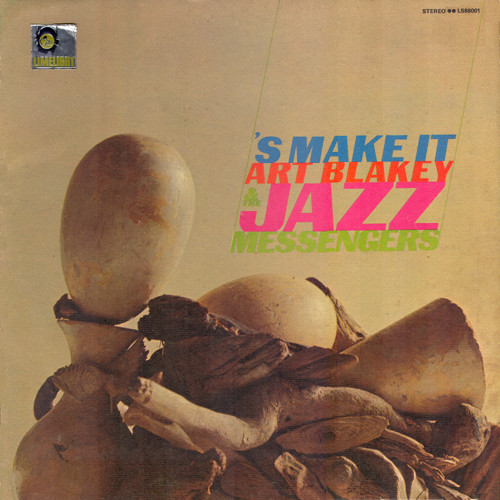
'S Make It
1965

Olympia Concert
1959

Live At Kimball's
1986
Miles Davis Quintet
A project Wayne Shorter was part of. Former member.
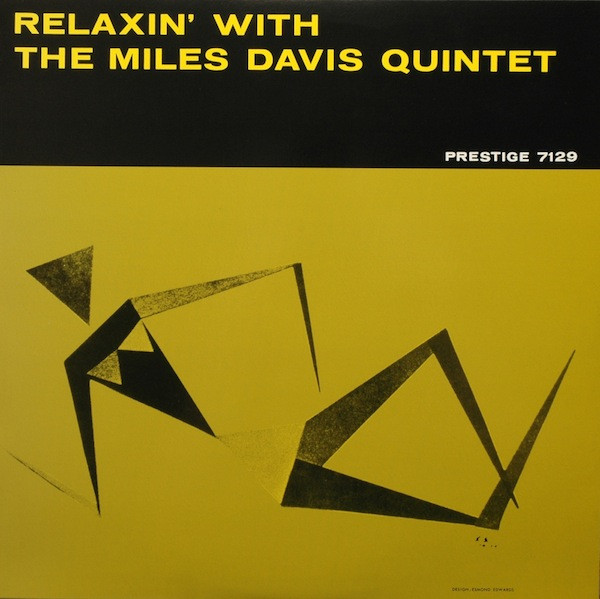
Relaxin' With The Miles Davis Quintet
1958

Cookin' With The Miles Davis Quintet
1957
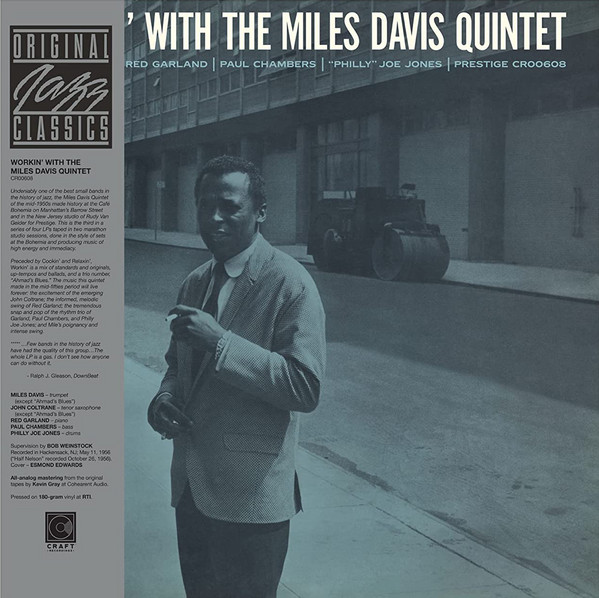
Workin' With The Miles Davis Quintet
1959
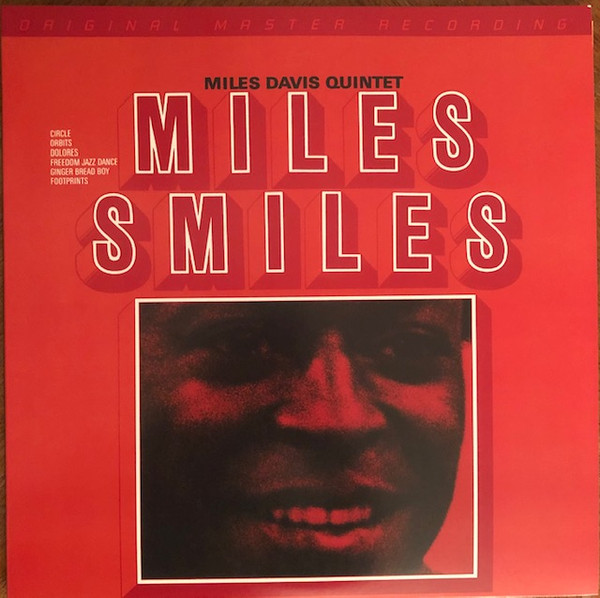
Miles Smiles
1967

Steamin' With The Miles Davis Quintet
1961
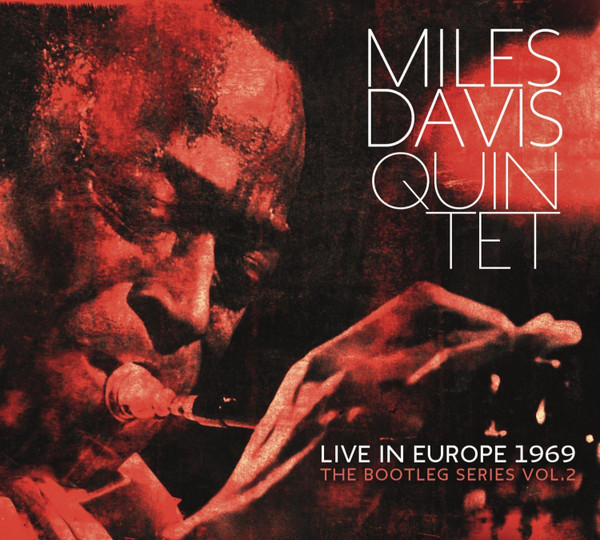
Live In Europe 1969 (The Bootleg Series Vol. 2)
2013

Live In Europe 1967 (The Bootleg Series Vol. 1)
2011
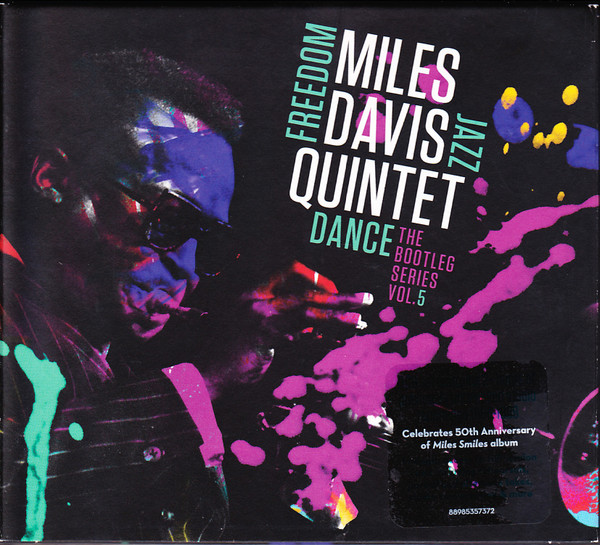
Freedom Jazz Dance (The Bootleg Series Vol. 5)
2016
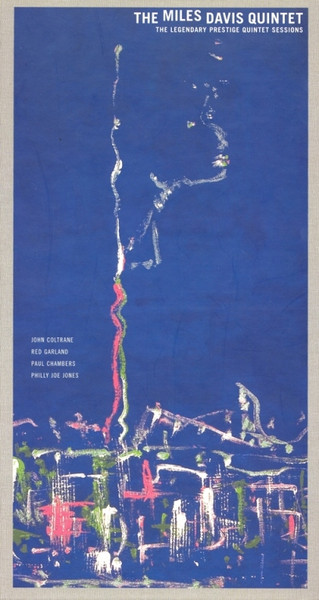
The Legendary Prestige Quintet Sessions
2006
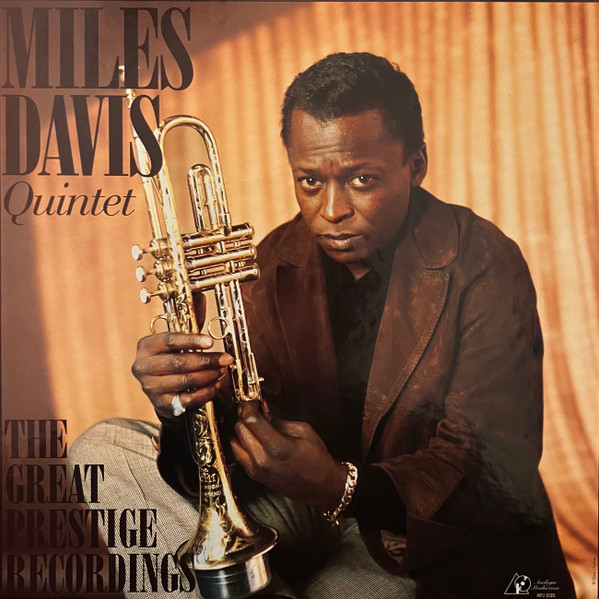
The Great Prestige Recordings
1996
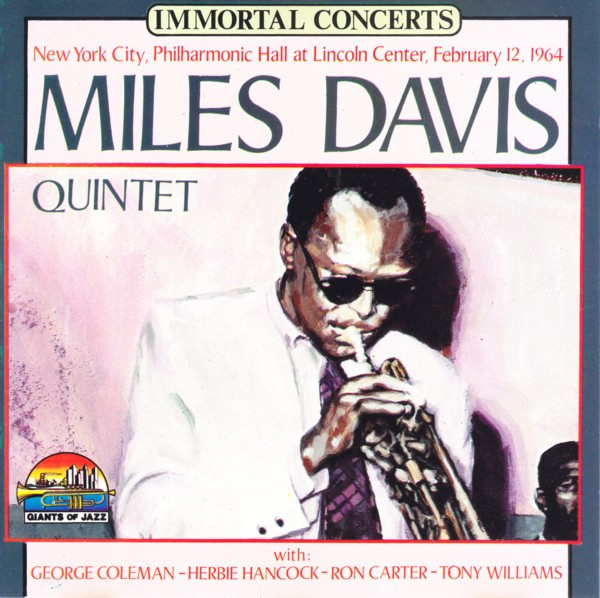
New York City, Philharmonic Hall At Lincoln Center, February 12, 1964
1989

April 11, 1970 Fillmore West
2015
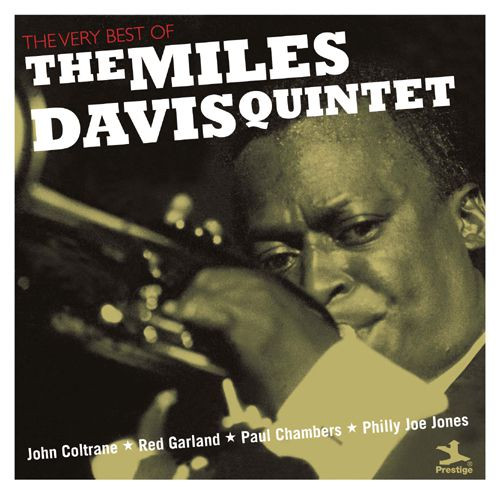
The Very Best Of The Miles Davis Quintet
2012

Live In Berlin 1969
2010
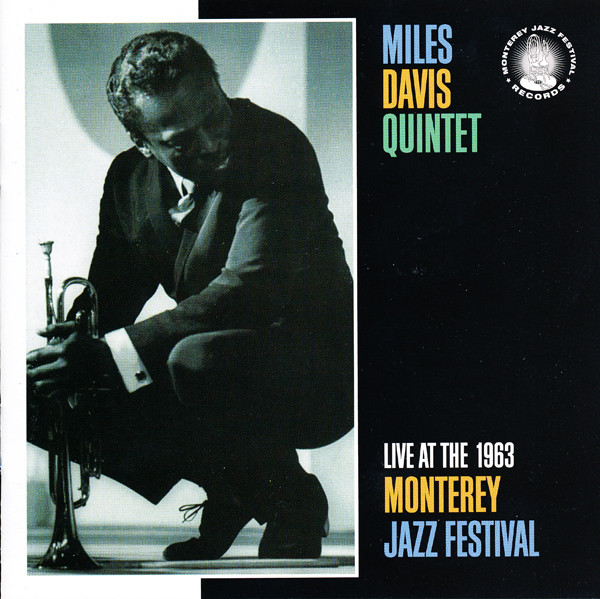
Live At The 1963 Monterey Jazz Festival
2007

Live In Milan 1964
2007
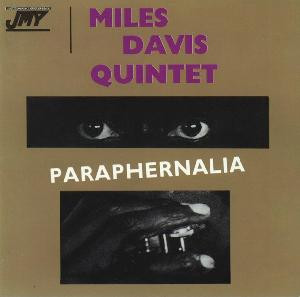
Paraphernalia
1992
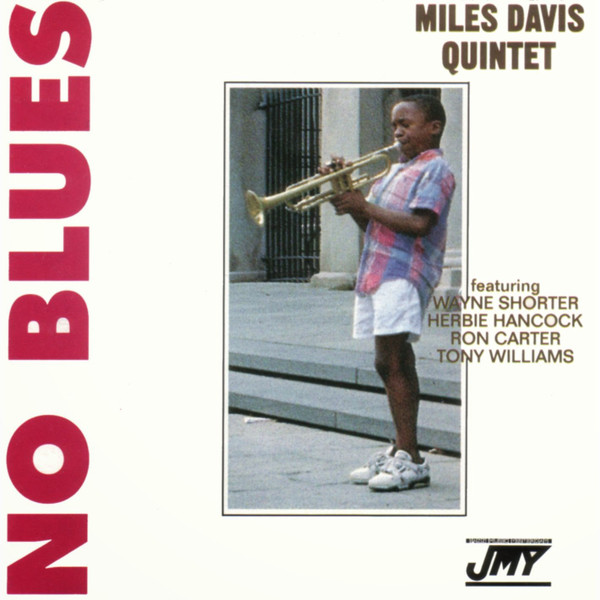
No Blues
1990
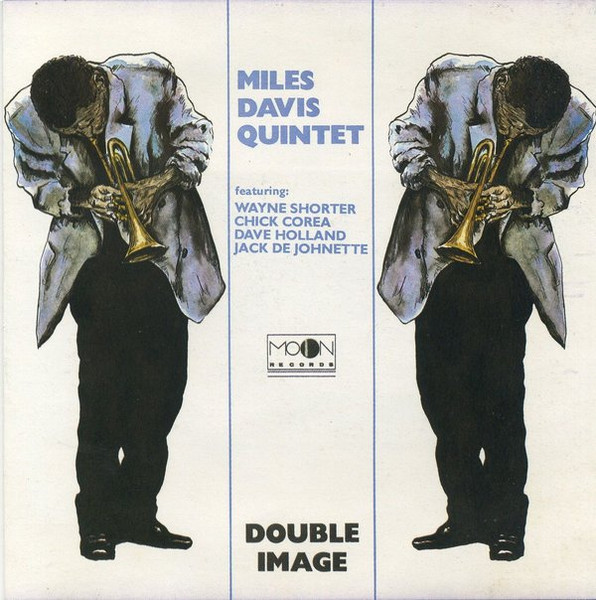
Double Image
1989

Cookin' With Miles Davis Quintet
1958

Relaxin' With The Miles Davis Quintet Vol. 1
1958

The Mastery Of Miles
1956

Davis' Cup

Jazz Gallery
The Gil Evans Orchestra
A project Wayne Shorter was part of.



V.S.O.P.
A project Wayne Shorter was part of.

Related artists
More projects
Frequent collaborators
Around the web
Follow every record they touch.
Start your shelf and Gatefold tracks Wayne Shorter's new pressings, tour dates, and the whole discography — automatically.
Start your shelf →Free forever. Works with 10 records or 10,000.