
Artist
Magma
Paris, France · Formed 1969
Magma is a music group from Paris, France, active since 1969. Their discography on Gatefold includes 24 records.
35
Albums tracked
49
In collections
1969
Since
Biography
Christian Vander did not start a rock band in Paris; he founded a cult out of grief when John Coltrane died. He tuned his snare tighter than a gunshot, invented an entire phonetic language called Kobaïan so everyday words wouldn't pollute the cosmic narrative, and whipped an endless rotation of conservatory-trained French jazz players into playing martial, polyrhythmic marathons. In 1970, Laurent Thibault produced their double-LP debut, throwing brass blasts, jazz-rock breaks, and apocalyptic chanting straight into the teeth of the post-68 French counterculture. Rock critics had no damn clue what bin to file it under, so Vander simply invented his own genre: Zeuhl. Most bands fall apart when their lineup turns into a revolving door, but Magma weaponized the turnover. When Jannick Top strapped on a bass tuned in cellos-style fifths, the rhythm section stopped playing jazz and started sound like tectonic plates grinding beneath a Wagnerian operatic choir featuring Stella Vander. It was uncompromising, exhausting, and occasionally hostile to the casual listener, which made their brief early-80s drift toward commercial funk hurt even worse. But Vander outlasted the trends by doing the only logical thing: launching Seventh Records to control the vault himself and proving that this manic, alien choir could pack concert halls well into their seventies.
Bio from The Clerk
The Arc of Magma
The pivots — what forced Magma to reinvent.
The Kobaïan Genesis
Vander formed the core group in 1969 to exorcise his Coltrane obsession through dystopian mythology and European jazz harmony. The double-album debut Kobaïa, produced by Laurent Thibault on Philips, introduced Vander's constructed language along with brass-heavy fusion. Guitarist Claude Engel split right after, making room for trumpeter Louis Toesca and reed player Jeff Seffer on 1971's 1.001° Centigrades. The sound was still rooted in free jazz and brass rock, but the rhythmic architecture was getting darker and more regimented.
The Giorgio Gomelsky Epics
A signing to A&M Records and hooking up with producer Giorgio Gomelsky pushed the band from an oddball French brass ensemble into a full-blown cosmic monolith. The arrival of bassist Jannick Top gave the band an earth-shattering bottom end on 1973's Mëkanïk Dëstruktïẁ Kömmandöh, where Klaus Blasquiz and Stella Vander led a massive vocal choir over relentless, hypnotic vamps. They stripped down to a raw quartet of piano, bass, drums, and voice for 1974's Ẁurdah Ïtah before Gomelsky helped them cut Köhntarkösz the same year. It was the peak of their classical-infused, dark Zeuhl mastery, operating far outside normal rock idioms.
Heavy Funk and Château Sessions
Egos collided after Köhntarkösz, sending Jannick Top out the door while Bernard Paganotti brought a filthy, fuzz-laden bass drive to the live dates. Top returned briefly to split bass duties with Paganotti on 1976's Üdü Ẁüdü, which gave birth to the side-long bass-battle masterpiece 'De Futura'. Decamping to Le Château d'Hérouville with Thibault at the desk, Magma trimmed the sprawling operatics into punchier, synthesizer-laced funk rhythms on 1978's Attahk. The grooves were tighter and the tempos got faster, but Vander's drumming remained relentlessly intense.
Resurrection and the Masterworks Completed
Vander reformed Magma as a touring unit in 1996, eventually dragging the ensemble back into the studio to finish the sprawling epics he sketched out thirty years earlier. The release of 2004's K.A proved the band had lost none of its terrifying choral power, igniting a multi-decade run of completing archival suites like 2009's Ëmëhntëhtt‐Ré and 2019's orchestral Zëss: Le jour du néant. Forced off the road in 2020, Vander pivoted the group's dynamic for 2022's Kãrtëhl, opening the songwriting process to the rest of the ensemble for the first time. It proved this machine could survive on collective will rather than pure autocratic control.
Influences
- John Coltrane — Vander has stated across decades of interviews that Magma was born directly out of his grief over Coltrane's death in 1967. The spiritual, trance-like repetition across long-form pieces like 'Mëkanïk Kömmandöh' lifts directly from Coltrane's modal late-period sheets of sound. It is not an influence; it is the entire foundation.
- Carl Orff — Vander heavily drew from Orff's dramatic choral staging and primal, repetitive rhythms rather than standard prog-rock motifs. The militaristic, staccato vocal rounds barked by the choir on Mëkanïk Dëstruktïẁ Kömmandöh mirror the vocal arrangements of Carmina Burana. It gave Magma an ominous operatic weight no standard rock act could fake.
- Igor Stravinsky — Vander routinely cites Stravinsky's rhythmic complexity and Les Noces as the primary structural compass for Magma's arrangements. You hear it in the asymmetrical time signatures, slashing brass stabs, and mechanical percussion that propel 1.001° Centigrades and Köhntarkösz. It replaced blues licks with early-twentieth-century modernist tension.
- Béla Bartók — Bartók's percussive approach to string instruments and dark, modal pitch sets served as a core blueprint for Magma's harmonic palette. Jannick Top and Bernard Paganotti's driving, dissonant bass riffs on records like Köhntarkösz mirror the Hungarian composer's jagged string quartets. The band treats rhythm as an aggressive melodic instrument.
- Elvin Jones — Vander's drum technique is rooted entirely in the polyrhythmic power and loose, heavy triplet feel pioneered by Elvin Jones in the John Coltrane Quartet. On tracks throughout Kobaïa, Vander's frantic cymbal work, explosive fills, and driving independence lift straight from Jones's playbook. He plays rock and roll stages with the vocabulary of a modal jazz master.
Discography
Their records — most-collected first.
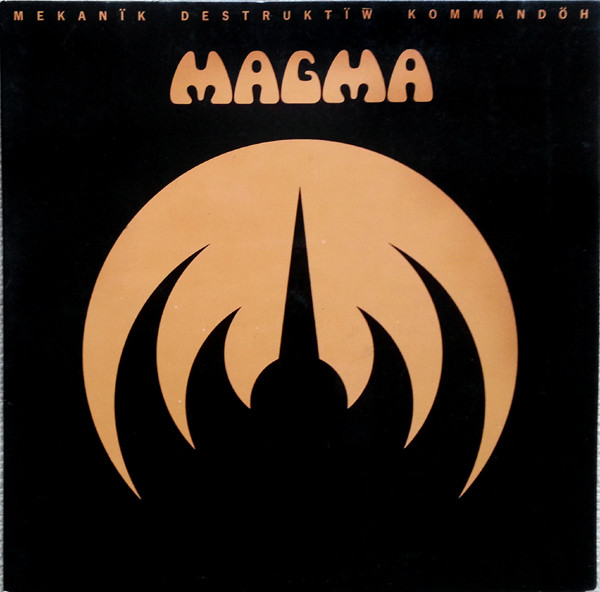
Mekanïk Destruktïẁ Kommandöh
1973

Üdü Ẁüdü
1976
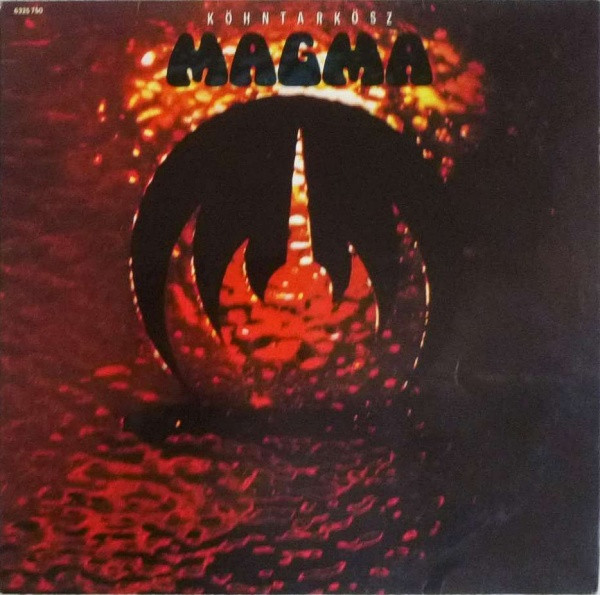
Köhntarkösz
1974

Magma
1970

Retrospektïẁ
2017

Šlağ Tanƶ
2015

Zühn Ẁöhl Ünsaï - Live 1974
2014
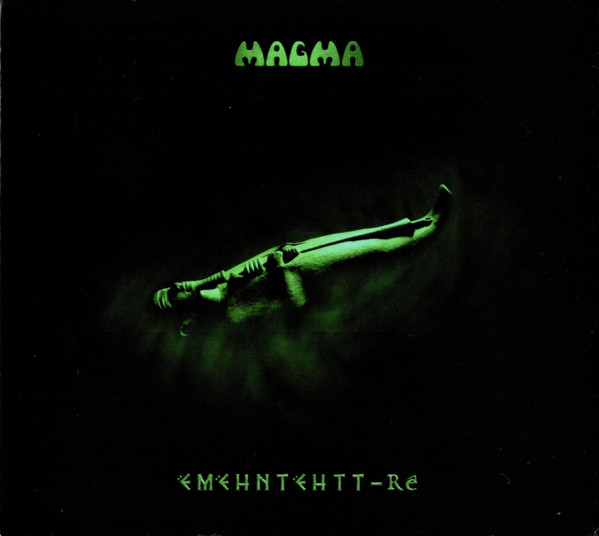
Ëmëhntëhtt-Ré
2009
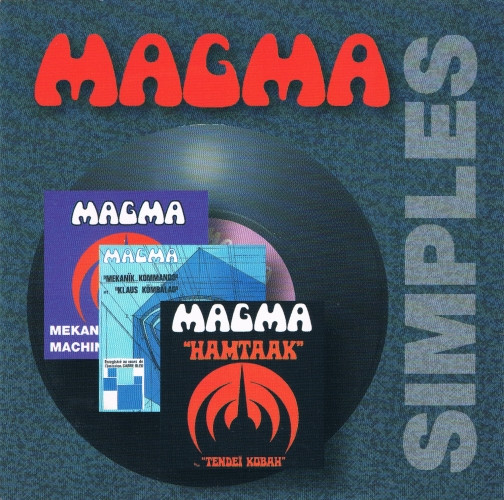
Simples
1998

Attahk
1978
2
1971
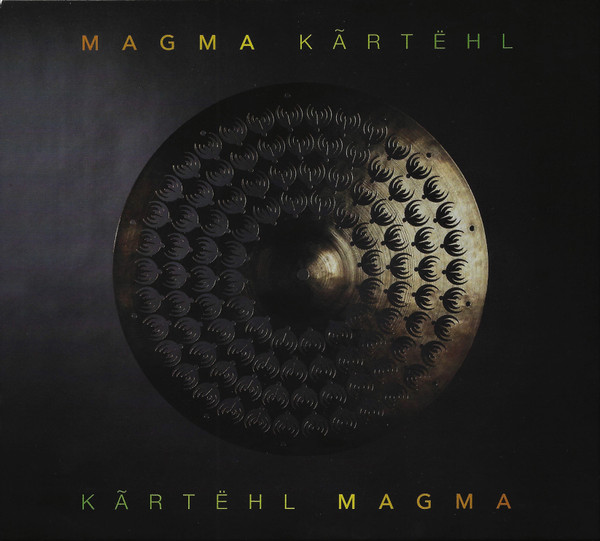
Kãrtëhl
2022

Zëss (Le Jour Du Néant)
2019
Ëmëhntëhtt-Ré Trilogie
2017
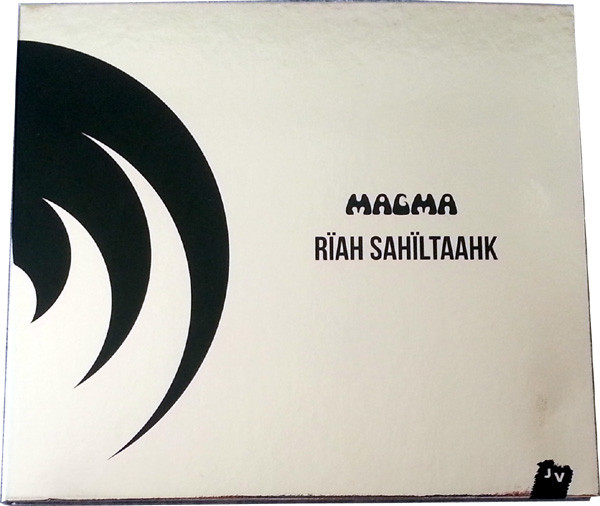
Rïah Sahïltaahk
2014
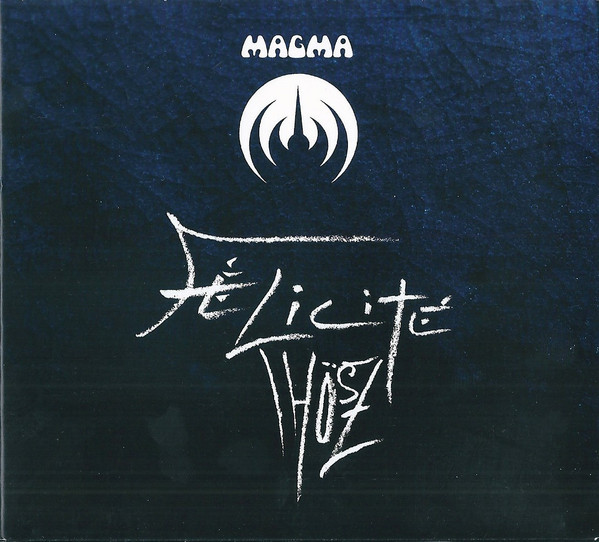
Félicité Thösz
2012

Mythes Et Legendes Volume IV
2008
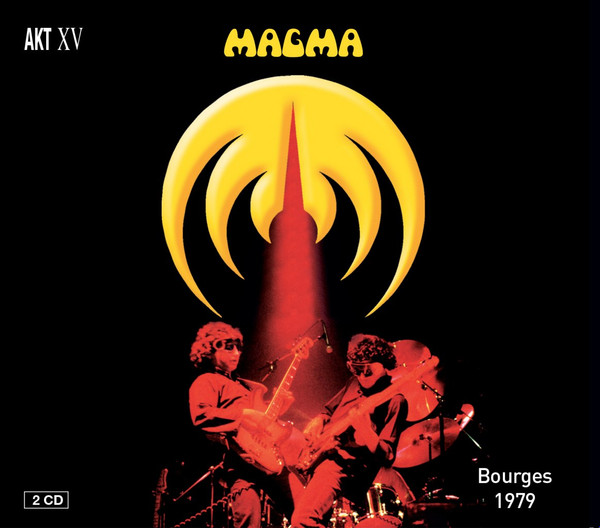
Bourges 1979
2008
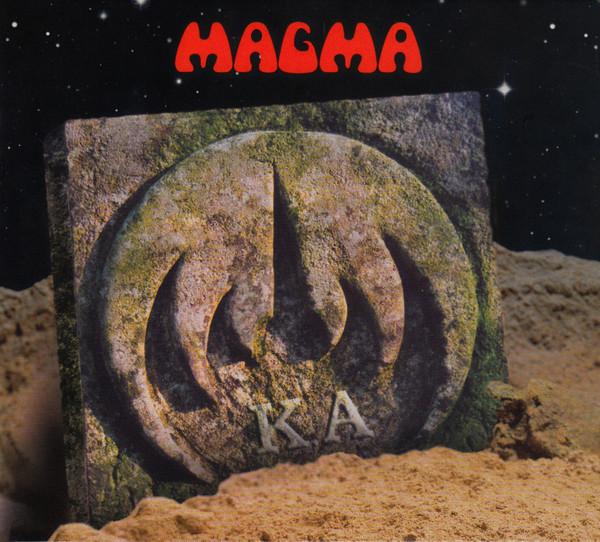
K.A
2004

Theusz Hamtaahk Trilogie
2001
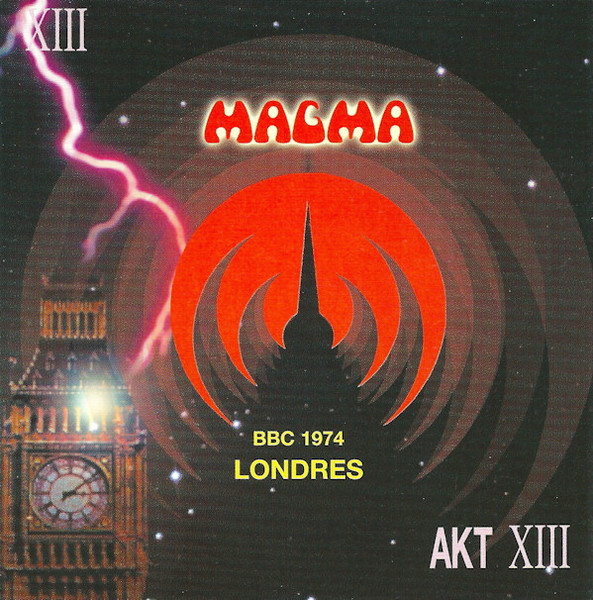
BBC 1974 Londres
1999
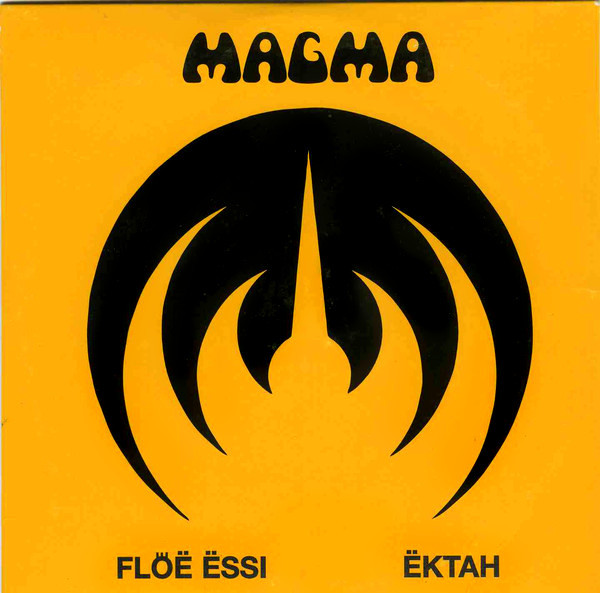
Flöë Ëssi / Ëktah
1998
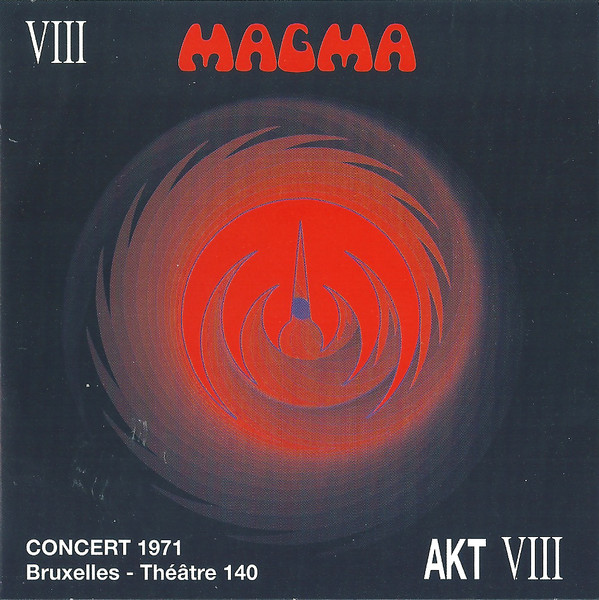
Concert 1971 - Bruxelles - Théâtre 140
1996

Concert 1976 - Opéra De Reims
1996
Related artists
Around the web
Follow every record they touch.
Start your shelf and Gatefold tracks Magma's new pressings, tour dates, and the whole discography — automatically.
Start your shelf →Free forever. Works with 10 records or 10,000.