
Artist
Limp Bizkit
Jacksonville, United States · Formed 1994
Limp Bizkit is a music group from Jacksonville, United States, active since 1994. Their discography on Gatefold includes 18 records.

18
Albums tracked
145
In collections
1994
Since
Biography
Ross Robinson dragged them into Indigo Ranch and made them record Three Dollar Bill, Yall$ while Sam Rivers had a 102-degree fever and Fred Durst was nursing a broken heart and a bruised ego. You can hear the actual physical strain in the tape hiss. Most people forget they started as a raw, ugly hardcore band from Jacksonville that just happened to have a guy who could scratch records and a guitarist who looked like he belonged in a Clive Barker movie. Borland is the only reason this band survived the punchline era—his weird, four-string custom guitar setups and obsession with Aphex Twin gave the riffs a texture that the rest of the baggy-pants frat-rockers couldn't touch. Then the money hit and everything got polished to a blinding, obnoxious sheen. They became the biggest band in the world by leaning into the cartoon version of themselves, trading the sludge of the first record for Terry Date’s massive, compressed stadium sound. It’s easy to shit on the red cap and the macho posturing, but behind the scenes, you had DJ Lethal bringing legitimate hip-hop production pedigree from House of Pain. They weren't just a rock band with a DJ—they were a rhythm section that operated like a loop-based sampler, built to flatten everything in its path.
Bio from The Clerk
The Arc of Limp Bizkit
The pivots — what forced Limp Bizkit to reinvent.
The Indigo Ranch Dirt
Ross Robinson used the same 'psychological' production tactics he used on Korn to make the band sound like they were losing their minds. The result was a record that sounded like a basement noise show, full of feedback and genuinely uncomfortable vocal takes. Borland was using a delay pedal to create these eerie, atmospheric washes that sat right under the heavy low-end of Rivers and Otto. It’s the only time they sounded dangerous rather than just loud.
The Billion-Dollar Polish
Moving to Significant Other meant hiring Terry Date to clean up the signal path and leaning hard into DJ Lethal’s hip-hop sensibilities. The drums got tighter, the bass got funkier, and the production became so massive it basically dictated the sound of late-90s radio. This was the peak of the Borland/Durst friction, where the art-school weirdness of the guitar parts had to fight for space against the most commercial hooks imaginable. You can hear the budget in every snare hit—it was built for arenas and nothing else.
The Borland Void
When Wes Borland bailed in 2001, the band tried to fill the hole with a nationwide talent search but ended up with Mike Smith for Results May Vary. The dynamic shifted from rhythmic tension to a generic, alt-metal slog that felt like it was chasing a ghost. Without Borland’s bizarre textures and visual identity, the band lost its anchor, and the songwriting drifted into some of the most bloated and uninspired sessions of their career. It’s a record that proves this was never just a one-man show—it was a delicate chemistry that absolutely collapsed without the weirdest guy in the room.
The Ross Robinson Reunion
Wes came back for The Unquestionable Truth, Part 1, and the first thing they did was find Ross Robinson to reclaim the grit of the early days. They ditched the radio play and recorded something that sounded like a tribute to Rage Against the Machine, with a raw, dry drum sound and zero commercial sheen. It was a cynical, heavy pivot that proved they still knew how to play like a real band when the spotlight wasn't so bright. It didn't move units like the early stuff, but for the first time in years, the rhythm section actually sounded like it had teeth.
Influences
- House of Pain — DJ Lethal was a founding member of House of Pain before joining the band, bringing their hip-hop DNA directly into the lineup. You hear it in the way the band treats the verse-chorus transitions like a beat drop rather than a standard rock bridge. It’s the reason their rhythm section has a swing that most metal bands lack.
- Rage Against the Machine — Fred Durst has cited their debut as the blueprint for his delivery, and the band has covered 'Killing in the Name' at countless live shows. The influence is all over the political pivot of The Unquestionable Truth, Part 1, where the riffs adopt Tom Morello’s percussive, scratchy style. It’s the source material for the entire rap-metal fusion they eventually rode to the bank.
- Primus — Sam Rivers and John Otto grew up obsessing over the rhythmic complexity of Les Claypool’s crew, and the band even tracked a demo with Claypool early on. You can hear it in the popping bass lines on tracks like 'Pollution' and 'Nookie.' Without the weird, funky low-end of Primus, Limp Bizkit would have just been a loud punk band.
- Suicidal Tendencies — The band’s skate-punk energy and Fred’s vocal cadences on the first record owe a massive debt to Mike Muir. They grew up on the crossover thrash scene, which taught them how to blend aggressive hardcore with a groove. That Venice Beach attitude was the original template for the Jacksonville scene they helped build.
- George Clinton / Parliament-Funkadelic — Wes Borland and Sam Rivers have repeatedly pointed to P-Funk as the inspiration for their heavy emphasis on 'the one' in their songwriting. You hear it in the syncopated, bouncing guitar riffs that prioritize the pocket over melody. It’s the reason their music worked in clubs just as well as it worked in mosh pits.
Discography
Their records — most-collected first.
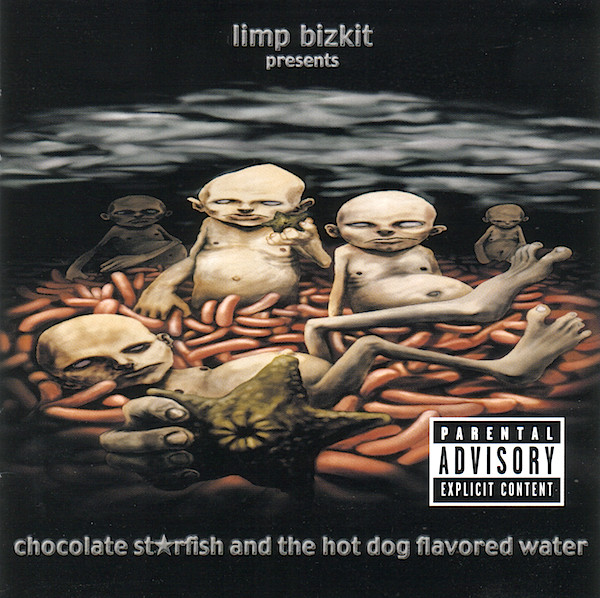
Chocolate Starfish And The Hot Dog Flavored Water
2000
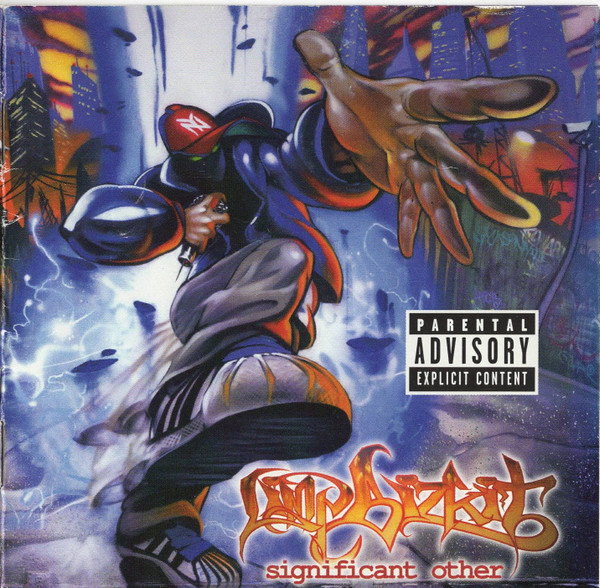
Significant Other
1999
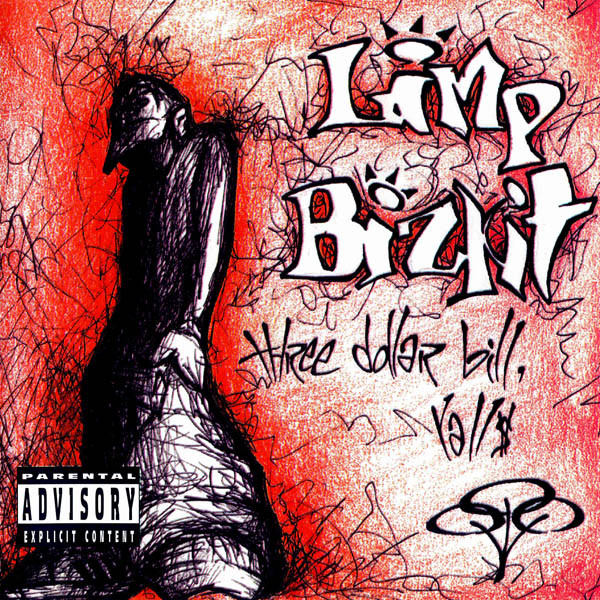
Three Dollar Bill, Yall$
1997

Results May Vary
2003
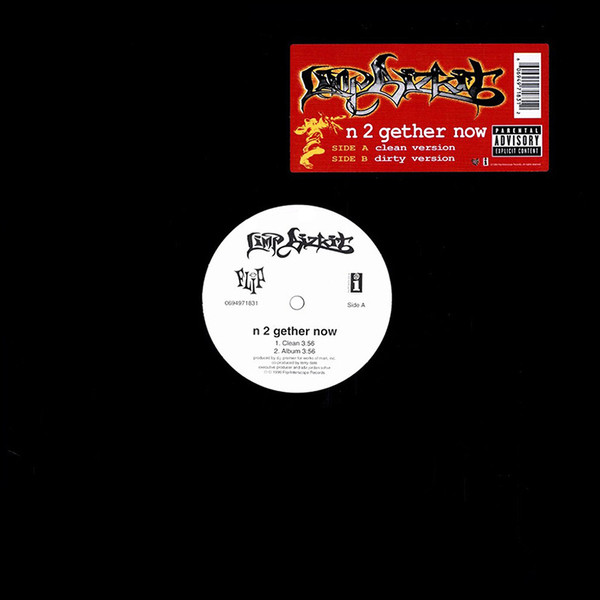
N 2 Gether Now
1999

Gold Cobra
2011

Still Sucks
2021
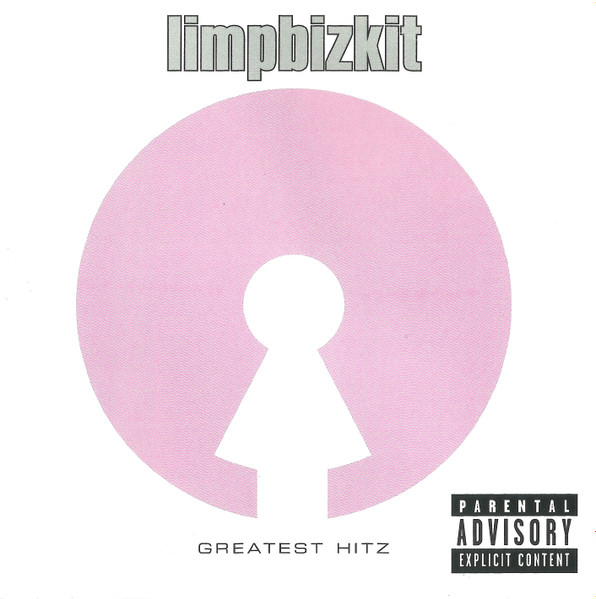
Greatest Hitz
2005

Rock Im Park 2001
2008

New Old Songs
2001
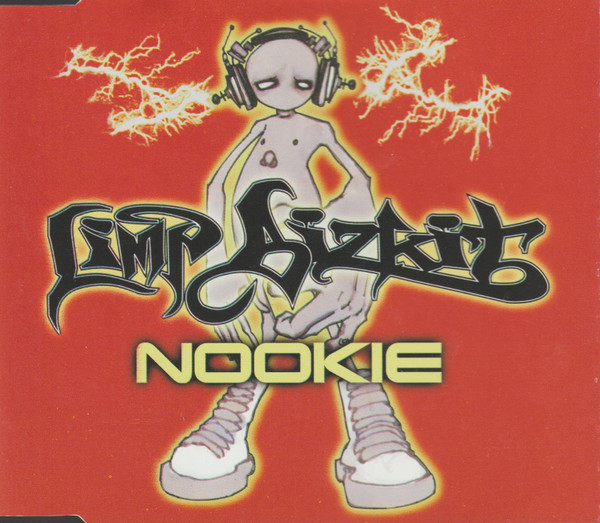
Nookie
1999

N 2 Gether Now (DNA Edit) / Street Dreams (DNA Edit)
2024
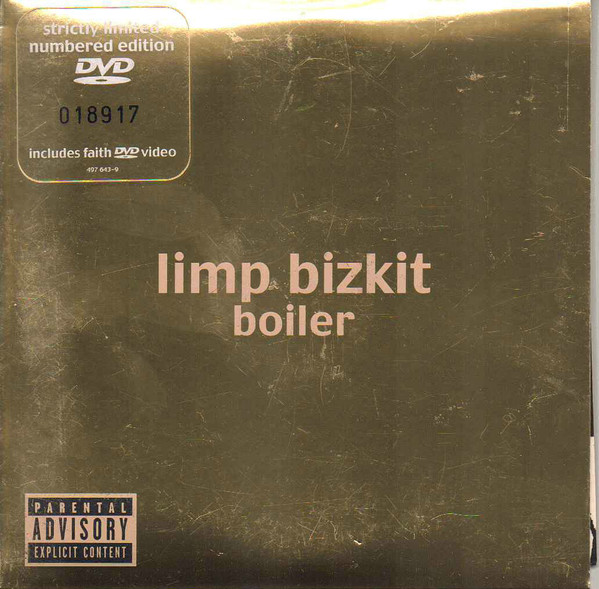
Boiler
2001

N 2 Gether Now / Nookie (The Neptunes Remixes)
2001
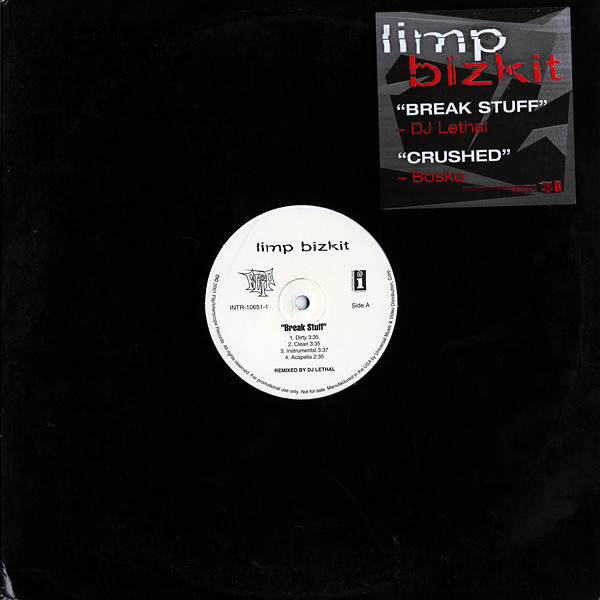
Break Stuff
2000
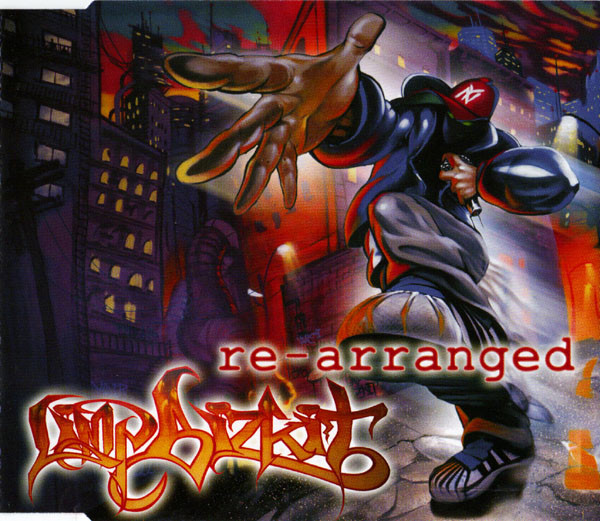
Re-Arranged
1999

Ozzfest '98
1998
Counterfeit Countdown
1997
Related artists
Members
Frequent collaborators
Around the web
Follow every record they touch.
Start your shelf and Gatefold tracks Limp Bizkit's new pressings, tour dates, and the whole discography — automatically.
Start your shelf →Free forever. Works with 10 records or 10,000.