
Artist
Journey
San Francisco, United States · Formed 1973
Journey is a music group from San Francisco, United States, active since 1973. Their discography on Gatefold includes 24 records.

37
Albums tracked
486
In collections
1973
Since
Biography
Neal Schon and Gregg Rolie walked out of Santana’s lineup because they wanted to play something that moved beyond the radio-edit Latin rock box. They started as a San Francisco jazz-fusion outfit, playing ten-minute jams that had more in common with Mahavishnu Orchestra than the karaoke staples everyone knows now. It was all technical proficiency and prog-heavy noodling until their manager basically forced them to find a frontman who could actually sell a melody. Steve Perry was a last-ditch effort after a failed experiment with Robert Fleischman. Perry had that Sam Cooke phrasing and a range that shouldn't have worked over Schon’s overdriven Les Paul, but the friction between those two made them a stadium juggernaut. Once Jonathan Cain brought his Roland Jupiter-8 and a knack for power ballads into the mix, the fusion roots were dead and buried. They traded the jazz chords for massive hooks and polished production that defined the early eighties FM dial.
Bio from The Clerk
The Arc of Journey
The pivots — what forced Journey to reinvent.
The Fusion Years
Before the ballads, they were a technical showcase for Neal Schon’s blues-shred and Aynsley Dunbar’s jazz-influenced drumming. The self-titled debut and Look into the Future are heavy on instrumental interplay and space-rock textures that prioritized chops over choruses. You can hear the lingering Santana DNA in the Hammond B3 organ work, but it’s stretched out into long-form arrangements that the label eventually hated. It’s the sound of a band trying to prove they’re the smartest guys in the room before they realized they needed to be the loudest.
The Perry Pivot
Roy Thomas Baker, the guy who produced Queen, was brought in for Infinity to tighten the screws on their sprawling sound. He layered Steve Perry’s vocals into those massive, multi-tracked harmonies that gave the band a new sense of scale. The transition from Rolie’s rougher delivery to Perry’s polished tenor transformed them from a Bay Area jam band into a radio-ready machine. This is where the songwriting shifted toward punchy, guitar-driven anthems like Lights that maintained a bit of grit before the synths took over.
The Cain Era
Gregg Rolie left the road exhausted, and Jonathan Cain jumped ship from The Babys to fill the keyboard slot, bringing a glossy pop sensibility that changed everything. Cain wrote the piano motif for Don't Stop Believin' on a Wurlitzer and convinced the band to lean into the power ballad format. The production on Escape and Frontiers is clinical and massive, stripped of the fusion fat and built for the new MTV aesthetic. It was the peak of their commercial powers, even if the old-school fans missed the extended guitar solos.
Influences
- Santana — Schon and Rolie were both members of the band during the Caravanserai era. You hear it in the early Latin-tinged percussion and the heavy use of the Hammond B3 organ. It’s the literal DNA of the group's founding.
- Sam Cooke — Steve Perry has cited Cooke as his primary vocal blueprint in nearly every retrospective interview. The soulful, melismatic runs on tracks like Send Her My Love are a direct lift from Cooke’s R&B phrasing. It gave their rock songs a depth most of their peers lacked.
- The Jimi Hendrix Experience — Neal Schon was heavily scouted by Eric Clapton and Hendrix's camp before he even hit twenty. His lead tone on the early records is a straight line from Hendrix’s controlled feedback and wah-pedal usage. He was the American answer to the British blues-rock boom.
- Mahavishnu Orchestra — The band's early instrumental jams were modeled after John McLaughlin’s fusion experiments. On the first three albums, the time signatures and intricate unisons were a nod to the high-level musicianship of the jazz-fusion scene. They wanted to be a virtuoso band before they wanted to be stars.
- The Beatles — Gregg Rolie frequently pointed to the Beatles' vocal layering as the reason Journey focused so heavily on three-part harmonies. You hear that obsession with vocal stacking on the Roy Thomas Baker-produced records. They used the studio as a tool to build a wall of voices.
Discography
Their records — most-collected first.
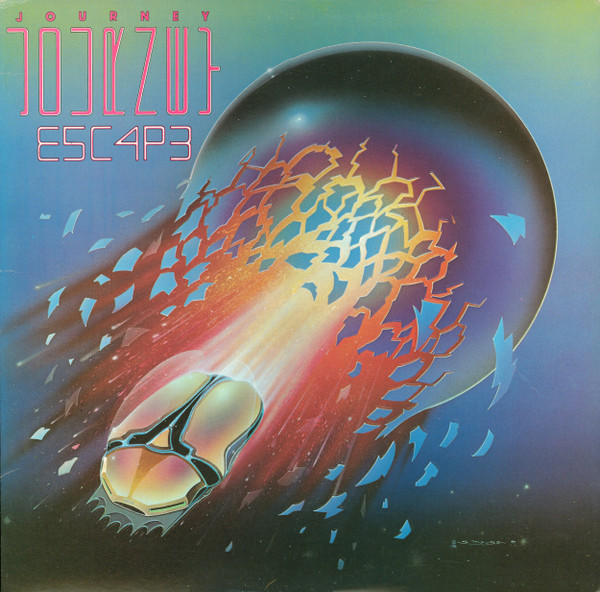
Escape
1981
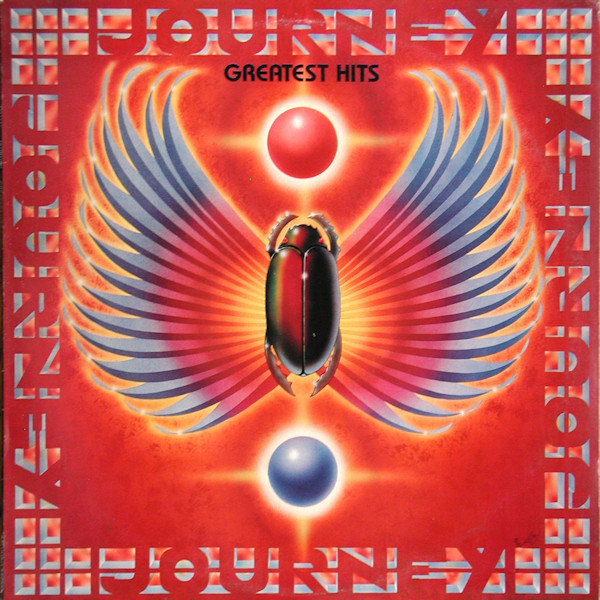
Greatest Hits
1988

Frontiers
1983
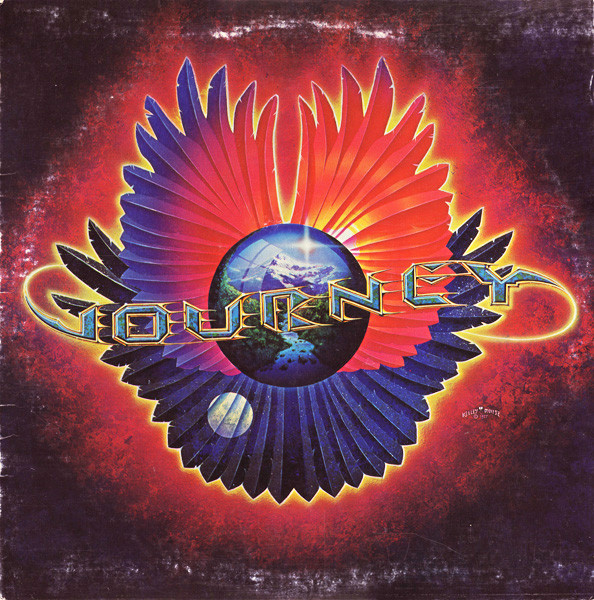
Infinity
1978
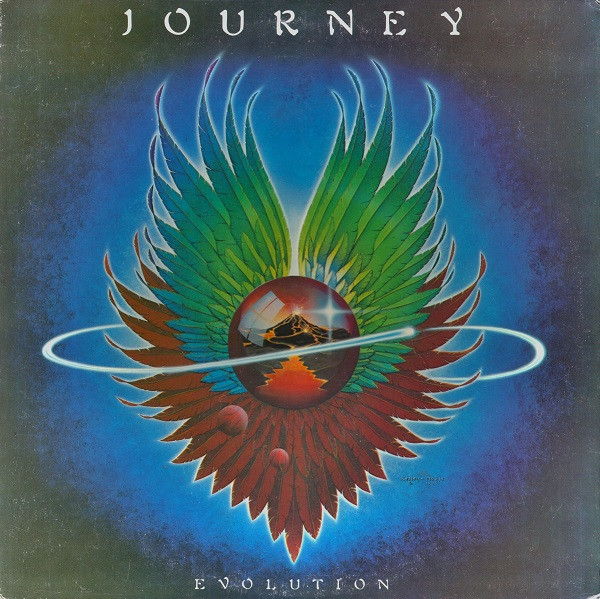
Evolution
1979
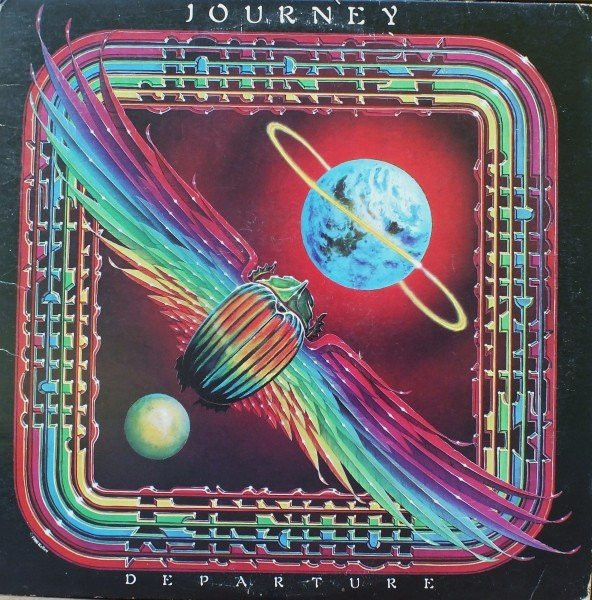
Departure
1980

Captured
1981
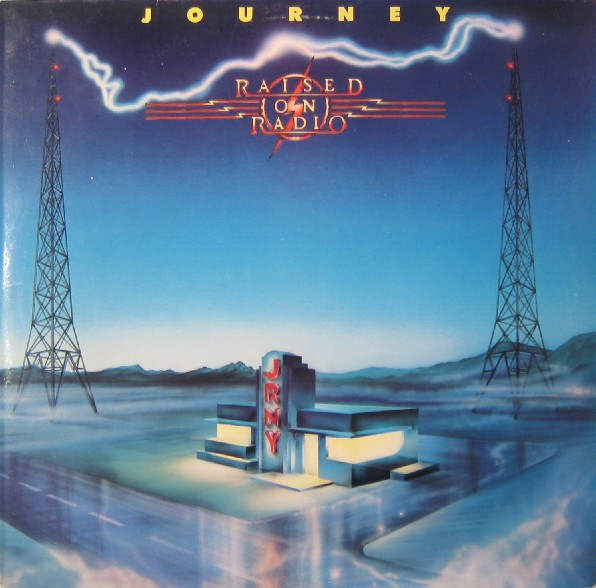
Raised On Radio
1986
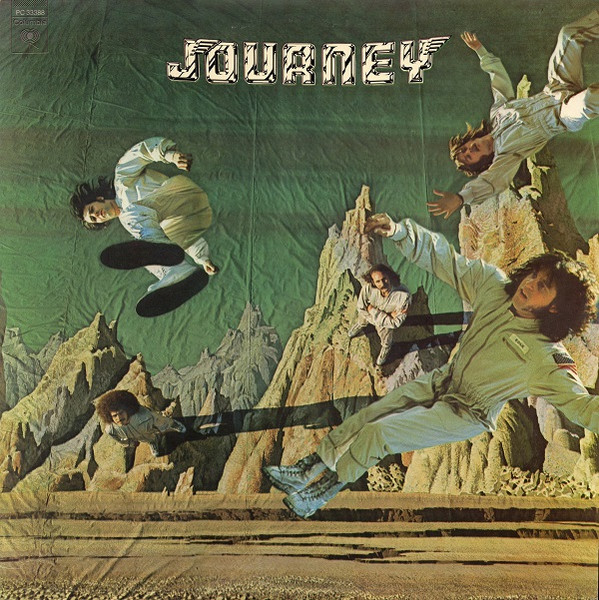
Journey
1975
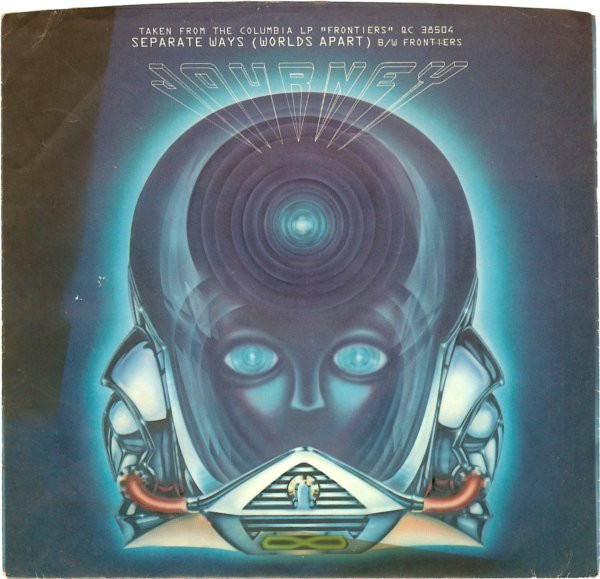
Separate Ways (Worlds Apart)
1983

Live In Houston 1981 Escape Tour
2005
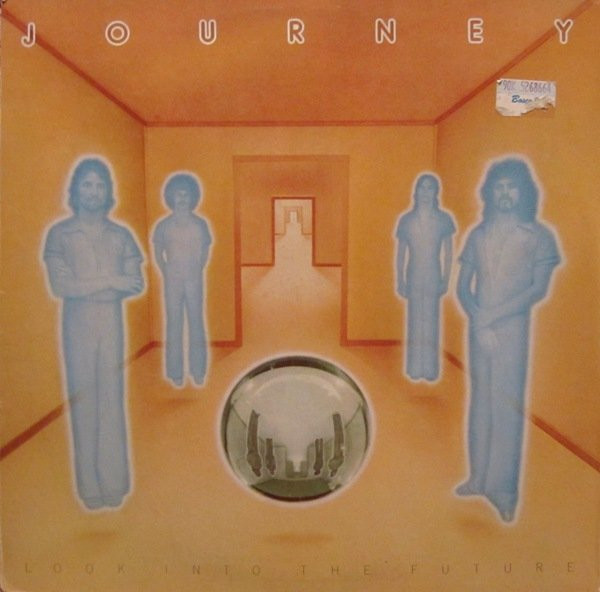
Look Into The Future
1976
Greatest Hits 2
2011
Revelation
2008
Dream, After Dream
1980

In The Beginning
1979
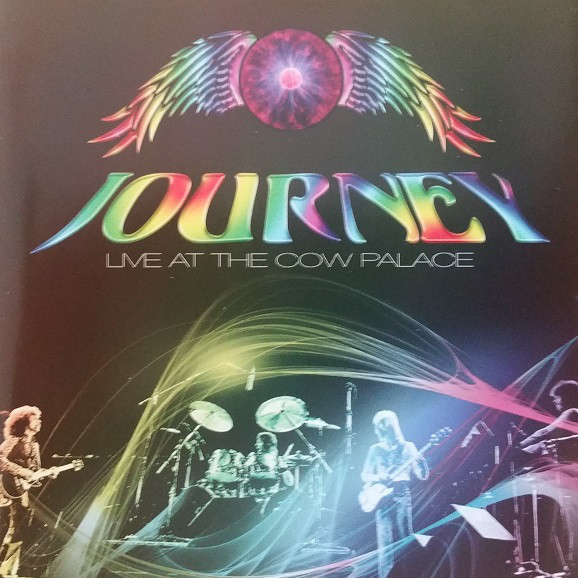
Live At The Cow Palace
2015

The Essential Journey
2001

Greatest Hits Live
1998
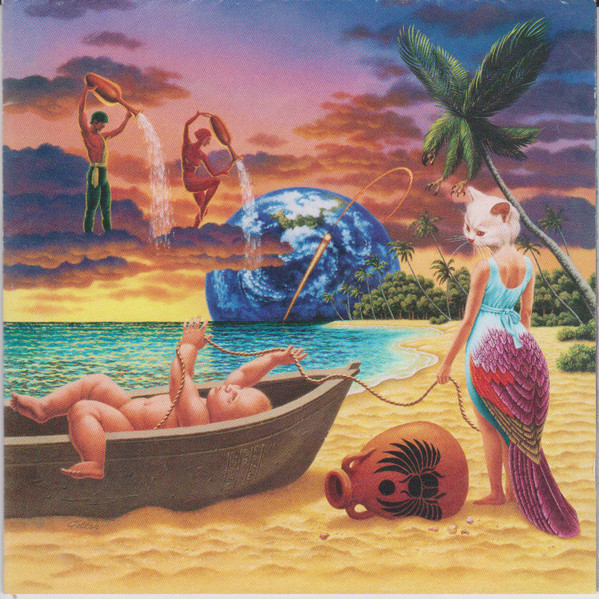
Trial By Fire
1996

Next
1977
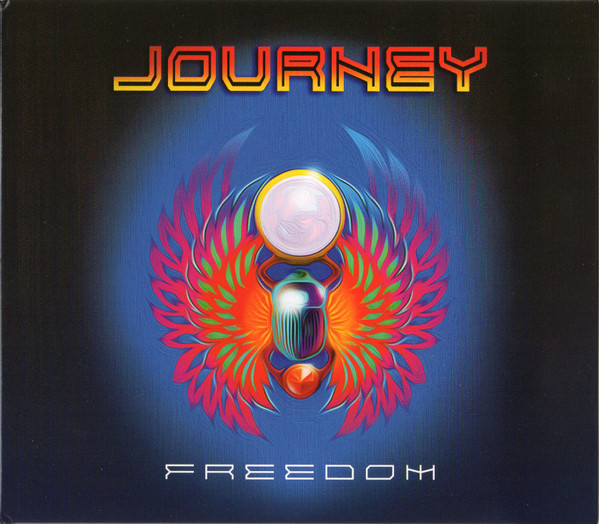
Freedom
2022
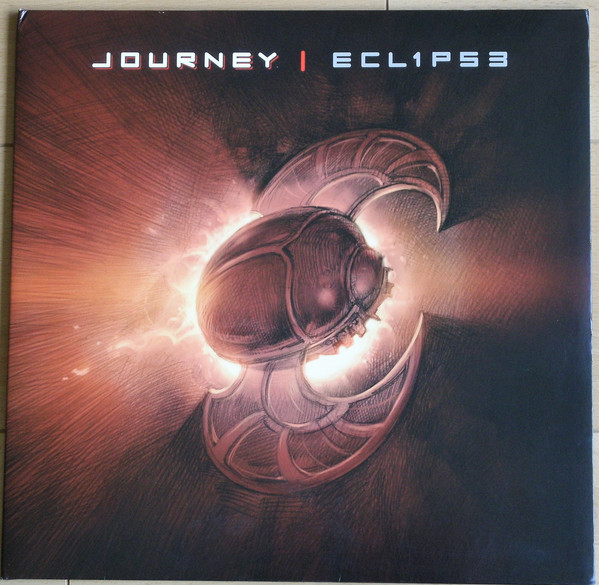
Eclipse
2011
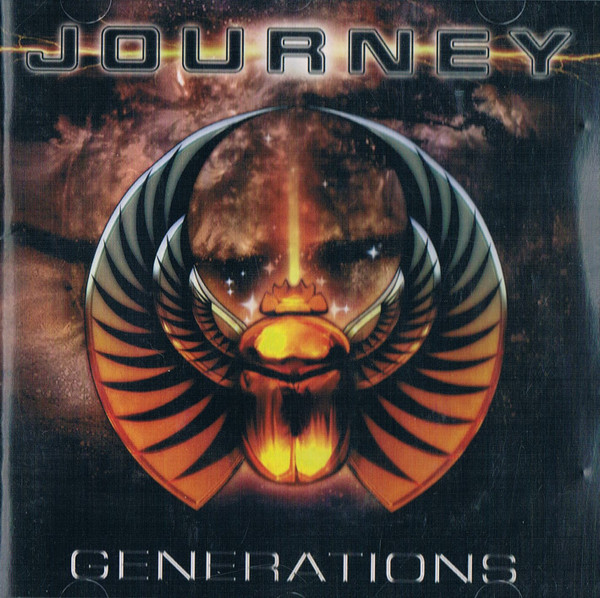
Generations
2005
Related artists
Members
Frequent collaborators
Around the web
Follow every record they touch.
Start your shelf and Gatefold tracks Journey's new pressings, tour dates, and the whole discography — automatically.
Start your shelf →Free forever. Works with 10 records or 10,000.