

Artist
Jerry Garcia
guitarist / vocalist in Grateful Dead
San Francisco, United States · 1942 – 1995
Jerry Garcia is a musician from San Francisco, United States, active 1942–1995. Their discography on Gatefold includes 23 records. They also recorded with Jerry Garcia Band, New Riders of the Purple Sage, Grateful Dead, Old & In the Way and Legion of Mary.

73
Albums tracked
379
In collections
1942
Since
Biography
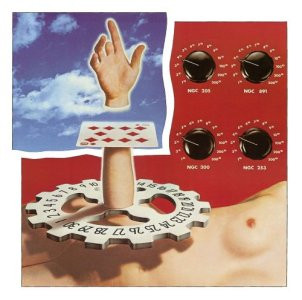
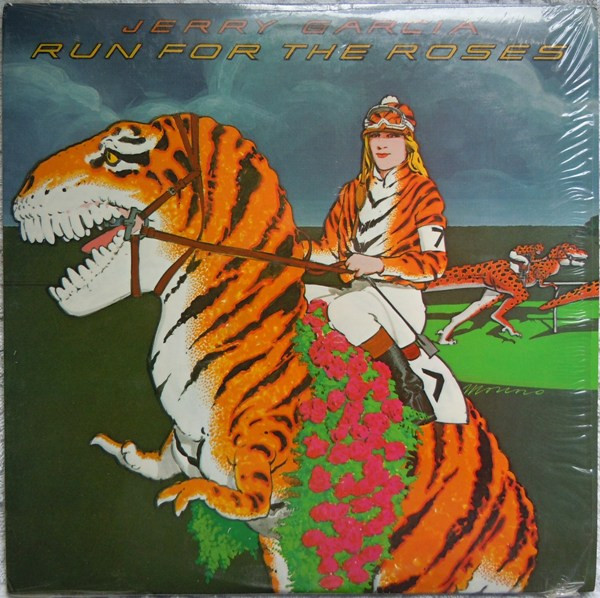
Jerry Garcia lost two-thirds of his right middle finger to an axe accident at age four, but he spent the rest of his life coaxing a crystalline, vocal-like phrasing out of stringed instruments that defied the physical limitation. He was never a studio perfectionist. He preferred the raw, dangerous energy of a live room where things could go wrong, cutting his 1972 debut solo record at Wally Heider Studios in San Francisco while playing almost all the instruments himself except for the drums. That record represents Garcia at his absolute peak: weird, vulnerable, and completely divorced from the heavy-handed blues-rock cliches of the era. The eighties were a mess. Health issues and a heavy habit turned the live shows into a crapshoot, and studio efforts like Run for the Roses felt like uninspired contractual obligations. But the guy's saving grace was always his refusal to stay in one lane. He would play a stadium on Saturday and then show up at a tiny Bay Area club on Monday to play classic R&B with Merl Saunders or bluegrass with David Grisman. He was a folk archivist trapped in the body of a stadium rock star.
Bio from The Clerk
The Arc of Jerry Garcia
The pivots — what forced Jerry Garcia to reinvent.
The Bluegrass Roots and Jug Band Obsession
Before the electric instruments and the acid tests, Garcia was a banjo-obsessed purist scraping by in the South Bay folk scene. In bands like the Wildwood Boys and the Sleepy Hollow Hog Stompers, he studied the high lonesome sound of Appalachian music and the syncopated drive of early acoustic string bands. This period codified his fingerpicking style and his deep love for traditional American murder ballads. You can hear this entire foundation on the raw home tapes from 1962, where his obsession with historical accuracy and clean acoustic articulation is already fully formed.
The Solo Multitrack Experiment
In 1971, Garcia stepped away from the collective weight of the Grateful Dead to record his self-titled debut at Wally Heider's facility. Working alongside engineer Stephen Barncard, Garcia played almost every guitar, pedal steel, bass, and keyboard part on the record. He used the studio as a canvas to layer his own ideas, resulting in a strange, introspective masterpiece that felt far more personal than his band's output. The pedal steel work on tracks like 'Wheel' proved he wasn't just a guitarist, but a multi-instrumentalist obsessed with texture and micro-tonal bends.
The Merl Saunders and R&B Deep Dive
Seeking an escape from the psychedelic circus, Garcia teamed up with keyboardist Merl Saunders at the Keystone in Berkeley for marathon sets of groove-heavy soul, jazz, and R&B. Bassist John Kahn joined the fold, establishing a decades-long musical partnership that grounded Garcia's flighty soloing in deep, pocket-driven grooves. This era forced Garcia to sharpen his rhythm playing and adapt his lead work to the swinging organ trios of the classic soul jazz era. The live recordings from the Keystone in 1973 showcase a leaner, funkier player who cared more about the pocket than the cosmos.
The Acoustic Dawg Renaissance
After a grueling decade of stadium touring and failing health, Garcia reunited with mandolinist David Grisman in 1990 to record in Grisman's basement studio. This stripped-back setting rescued Garcia from the slick production of the era, focusing purely on two-mic acoustic setups and traditional folk material. The resulting sessions became the highly acclaimed 'Dawg' collaborations, showing a weathered, soulful Garcia playing some of the most relaxed and technically precise acoustic guitar of his life. You can hear the joy of these sessions on 'The Pizza Tapes', where the lack of pressure allowed him to simply be a musician again.
Influences
- Bill Monroe — Garcia spent the early sixties traveling across the country tape-recording Monroe's live shows to study his mandolin and banjo players. The relentless, driving timing of bluegrass rhythm guitar on early Grateful Dead acoustic tracks comes straight from Monroe's Blue Grass Boys blueprint. You can hear this high-speed acoustic drive on the 1973 Old & In the Way sessions.
- Freddie King — Garcia frequently cited King as a primary influence on his early electric guitar style, specifically his sharp attack and use of plastic fingerpicks. The stinging, biting tone Garcia achieved on his Gibson SG during the late sixties live jams is a direct lift from King's early instrumental tracks. It is most obvious on the blistering solos of the 1969 live versions of 'Turn On Your Love Light'.
- Chuck Berry — The Grateful Dead kept Berry's songs in their live setlist for thirty years, with Garcia frequently handling the double-stop guitar intros. Berry's rhythmic phrasing and rapid-fire lyricism shaped how Garcia approached up-tempo rockers. The bouncy, syncopated lead work on 'Promise Land' is pure, unadulterated Berry worship.
- Django Reinhardt — Reinhardt's acoustic jazz style showed Garcia how a player with a hand deformity could still achieve incredible speed and melodic complexity. The chromatic runs and swinging, jazzy improvisation Garcia utilized in his mid-seventies jams with Legion of Mary reflect Reinhardt's gypsy jazz phrasing. You can hear this jazz-inflected acoustic picking on the David Grisman duets.
- Elizabeth Cotten — Garcia was a massive fan of Cotten's unique left-handed fingerpicking style and documented his admiration by frequently covering her signature song, 'Oh Babe It Ain't No Lie'. Her gentle, rolling folk style shaped the way he approached solo acoustic fingerpicking. You can hear her direct influence on his delicate acoustic playing on the 1996 album 'Shady Grove'.
Jerry Garcia — solo
Their records — most-collected first.
Garcia
1972
Reflections
1976

Garcia
1974

Jerry Garcia / David Grisman
1991

So What
1998
Run For The Roses
1982

Garcialive Volume 14 (The Ritz, New York, NY January 27th, 1986)
2020
All Good Things - Jerry Garcia Studio Sessions
2004

Not For Kids Only

Bare Bones Volume I - Master Takes
2024

Might As Well: A Round Records Retrospective
2023

Santa Cruz Blues
1997

Garcia (Remixed)
2024

The Very Best Of Jerry Garcia
2006

Garcia Plays Dylan
2005

Lonesome Prison Blues
1995

Heads & Tails: Volume 1
2023

Pure Jerry (Marin Veteran's Memorial Auditorium, San Rafael, California, February 28, 1986)
2009
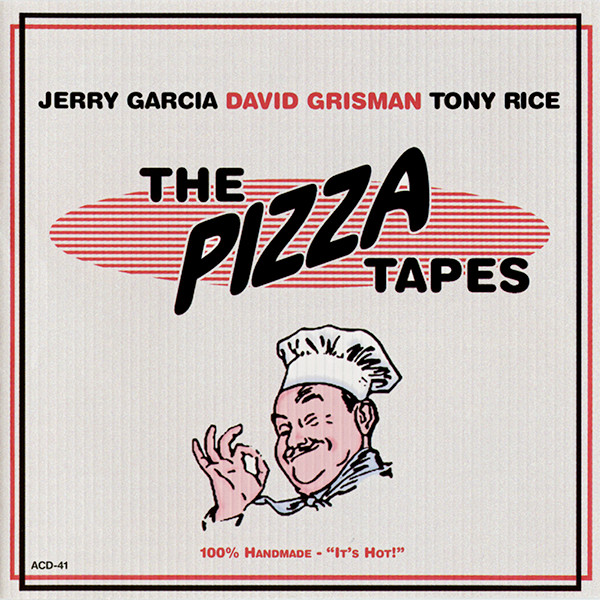
The Pizza Tapes
2000

Shady Grove
1996

Bare Bones Volume II - Other Tunes & Arrangements
2025

Before The Dead
2018
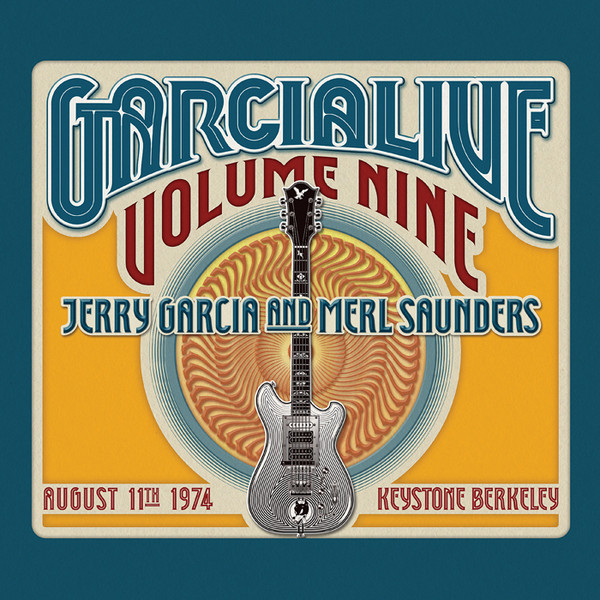
GarciaLive Volume Nine (August 11th 1974, Keystone Berkeley)
2017
Jerry Garcia Band
Jerry Garcia under another name — MusicBrainz marks this project eponymous.

Jerry Garcia Band
1991
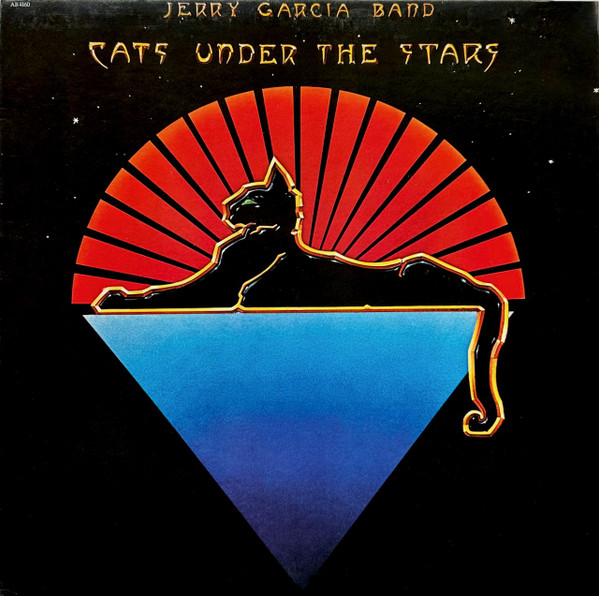
Cats Under The Stars
1978

Don't Let Go (Orpheum Theatre, San Francisco, May 21, 1976)
2001
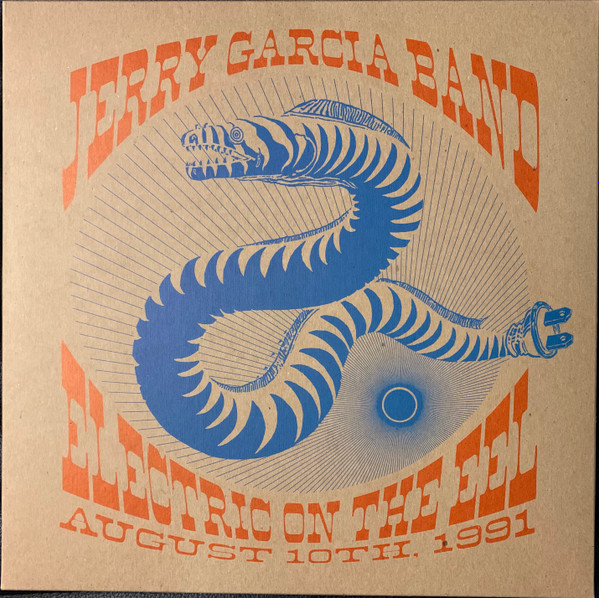
Electric On The Eel: August 10th, 1991
2019

GarciaLive Volume One (March 1st, 1980 Capitol Theatre)
2013

GarciaLive Volume Two (August 5th 1990 Greek Theatre)
2013
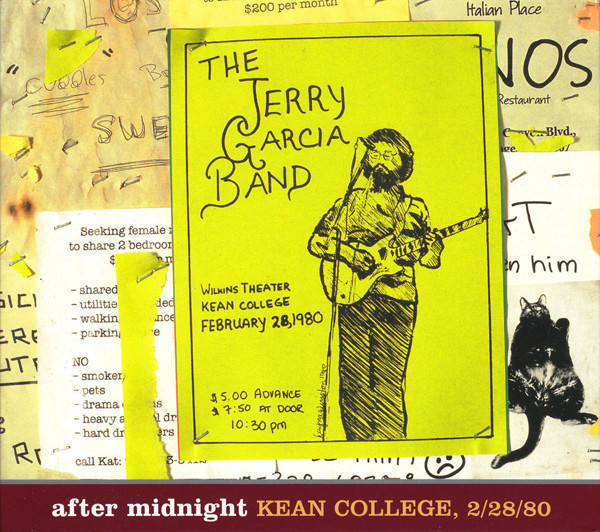
After Midnight - Kean College, 2/28/80
2004
New Riders of the Purple Sage
A project Jerry Garcia was part of. Former member.
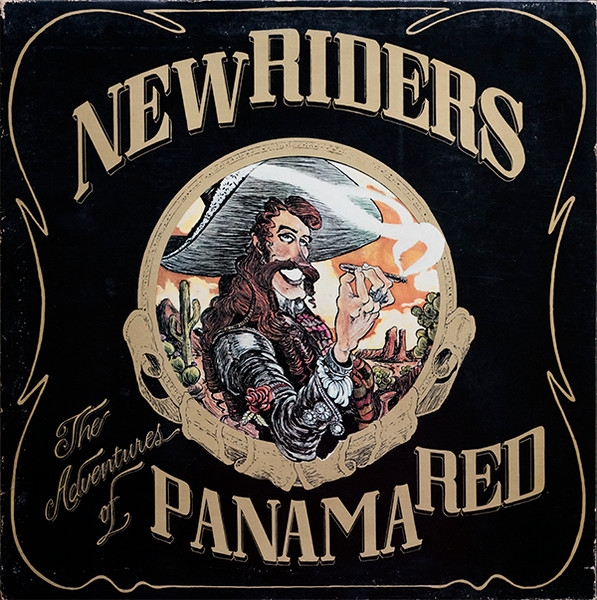
The Adventures Of Panama Red
1973
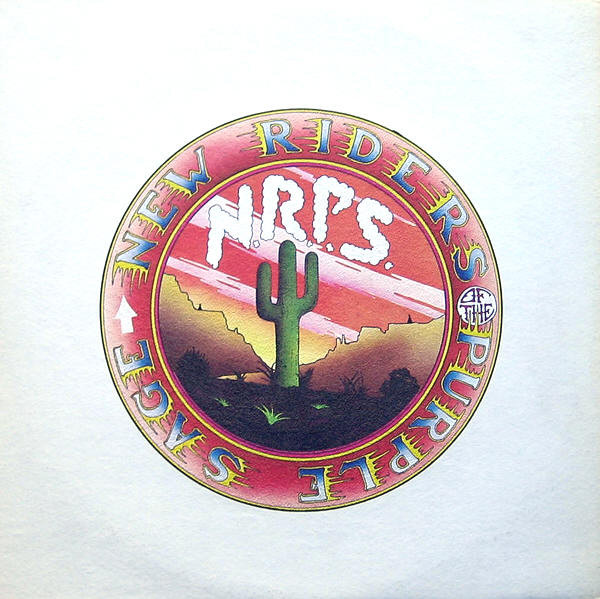
New Riders Of The Purple Sage
1971

The Best Of New Riders Of The Purple Sage
1976

Home, Home On The Road
1974
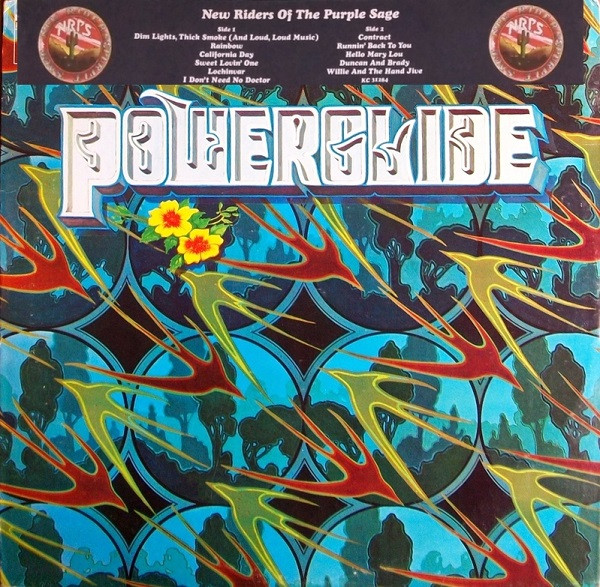
Powerglide
1972

Brujo
1974

Gypsy Cowboy
1972

Who Are Those Guys?
1977

Marin County Line
1978
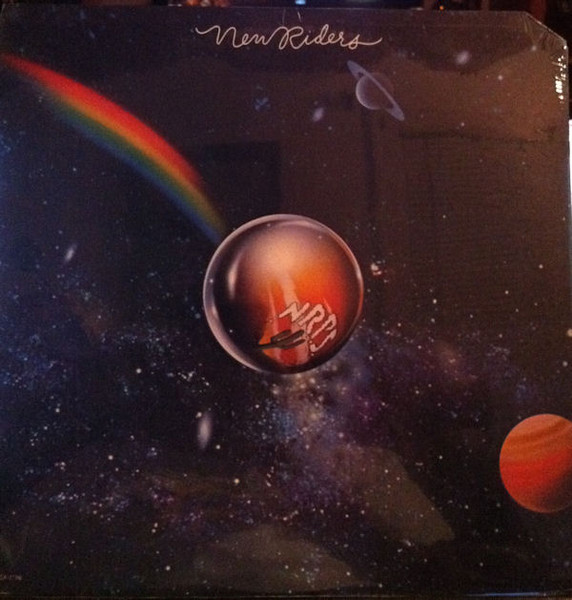
New Riders
1976

Oh, What A Mighty Time
1975

Midnight Moonlight
1993

Hempsteader: Live At The Calderone Concert Hall, Hempstead, New York, June 25, 1976
2024

Thanksgiving in New York City
2019

17 Pine Avenue
2012
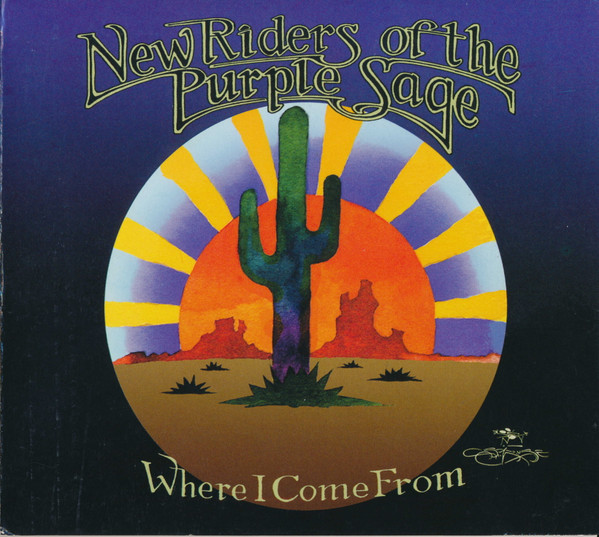
Where I Come From
2009

Keep On Keepin' On
1989
Vintage NRPS
1986

Feelin' All Right
1980

Home, Home On The Road / Brujo
Grateful Dead
A project Jerry Garcia was part of. Former member.

Cornell 5.8.77
2017
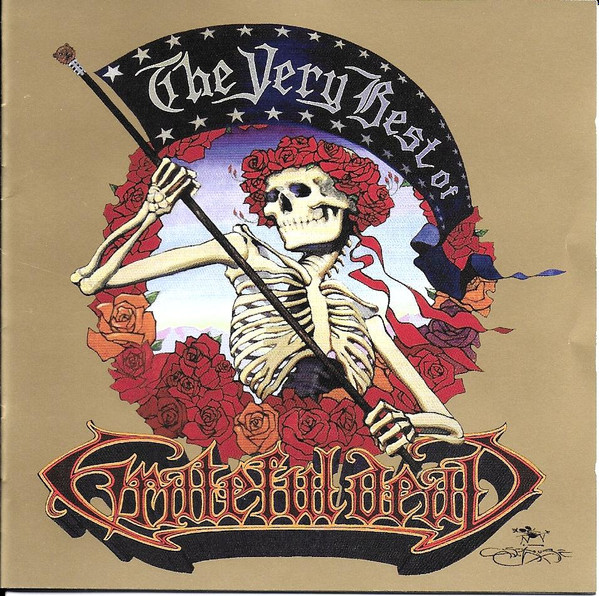
The Very Best Of Grateful Dead
2003

Road Trips Vol. 4 No. 3: Denver '73
2011

Road Trips Vol. 3 No. 2: Austin 11-15-71
2010
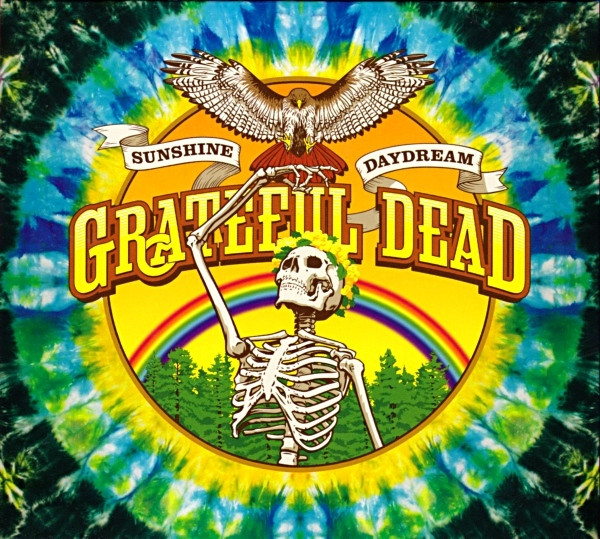
Sunshine Daydream - Veneta, Oregon, August 27, 1972
2013

Postcards Of The Hanging - Grateful Dead Perform The Songs Of Bob Dylan
2002

Dave's Picks, Volume 5 (Pauley Pavilion, UCLA, Los Angeles, CA • 11/17/73)
2013

Dave's Picks, Volume 1 (The Mosque, Richmond, VA • 5/25/77)
2012

Dave's Picks, Volume 2 (Dillon Stadium, Hartford, CT • 7/31/74)
2012
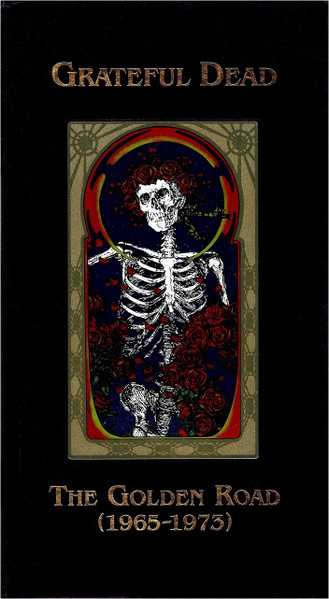
The Golden Road (1965-1973)
2001

Crimson, White & Indigo: Philadelphia, July 7, 1989
2010

For Dead Heads Only

30 Trips Around The Sun
2015

Dave's Picks, Volume 6 (San Francisco, 12/20/69 • St. Louis, 2/2/70)
2013
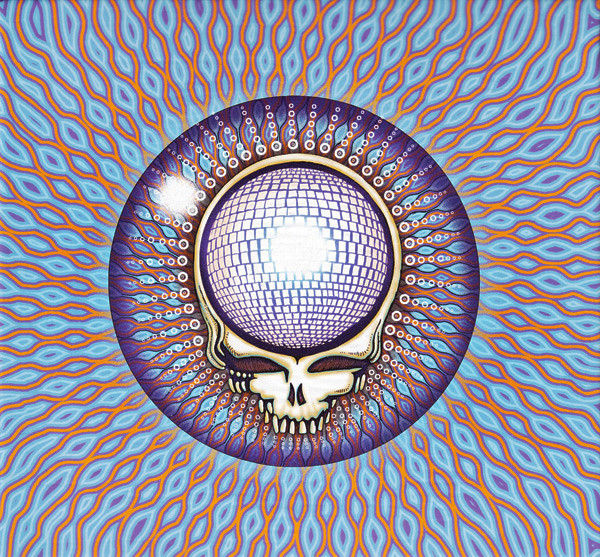
Winterland June 1977: The Complete Recordings
2009

Road Trips Vol. 1 No. 2 October '77
2008

View From The Vault IV
2003

Dozin' At The Knick
1996
Old & In the Way
A project Jerry Garcia was part of.


Legion of Mary
A project Jerry Garcia was part of.


Related artists
Frequent collaborators
Around the web
Follow every record they touch.
Start your shelf and Gatefold tracks Jerry Garcia's new pressings, tour dates, and the whole discography — automatically.
Start your shelf →Free forever. Works with 10 records or 10,000.