
Artist
Jermaine Jackson
soul/pop singer, of Jackson 5
Gary, United States · b. 1954
Jermaine Jackson is a musician from Gary, United States, active since 1954. Their discography on Gatefold includes 20 records. They also recorded with The Jacksons.

39
Albums tracked
213
In collections
1954
Since
Biography
The Motown board room had to be a fucking morgue when the Jacksons announced they were jumping ship to CBS in '75. Jermaine was the only one who stayed behind, largely because he’d married Berry Gordy’s daughter, Hazel. He spent the next few years as the lonely prince of a fading empire, trying to prove he wasn't just the guy who played bass while Michael did the spins. It was a brutal spot to be in—trapped between family loyalty and a father-in-law who was losing his grip on the charts. He eventually found his legs when he stopped trying to be a teen idol and leaned into the emerging synth-funk and sophisticated soul of the early '80s. When Stevie Wonder stepped in to produce and write for him, it shifted the whole dynamic from 'Jackson 5 leftover' to a legitimate heavyweight contender. He didn't have Michael’s supernatural range, but he had a grit and a bass-player’s pocket that made his best solo cuts feel more grounded than his brother's pop fantasies.
Bio from The Clerk
The Arc of Jermaine Jackson
The pivots — what forced Jermaine Jackson to reinvent.
The Motown Holdout
After the brothers left for Epic, Jermaine was stuck at Motown trying to find a solo identity under producers like Hal Davis and Greg Wright. The 1976 'My Name Is Jermaine' album was a desperate reintroduction that struggled to balance the classic Motown assembly-line sound with the looming disco era. You can hear the tension on those mid-70s tracks where the arrangements feel cluttered and the label was clearly trying to figure out if he was a crooner or a dance-floor filler.
The Wonder Collaboration
Stevie Wonder took over the driver's seat for the 'Let’s Get Serious' sessions in 1980, and it saved Jermaine’s career. Stevie brought in that signature rubbery synth-bass and complex horn arrangements that finally gave Jermaine a sophisticated, adult contemporary funk sound. The title track wasn't just a hit; it was a blueprint for how Jermaine could survive the 80s by leaning into heavy grooves rather than just chasing ballads.
The Arista Pivot
Clive Davis poached him for Arista in 1984, resulting in the self-titled smash that leaned into high-gloss 80s production with guests like Whitney Houston and even a reunion with his brothers. This era was defined by expensive Fairlight CMI programming and a bid for global stadium-pop relevance that moved away from his R&B roots. It worked commercially, but the grit of the Motown years was replaced by a polished, corporate sheen that prioritized radio hooks over the groove.
Influences
- James Jamerson — As the primary bassist for the Funk Brothers, Jamerson’s melodic lines were the textbook for Jermaine's early playing style. You hear that fluid, busy syncopation all over the early Jackson 5 Motown tracks before Jermaine stepped up to the mic. He was a bassist first, and Jamerson’s ghost is in every pocket he ever found.
- Marvin Gaye — Jermaine frequently cited Marvin as a vocal North Star, particularly the intimate, multi-tracked vocal style Marvin perfected on 'What's Going On.' On tracks like 'Daddy's Home,' Jermaine mimics that smooth, vulnerable tenor that Marvin used to bridge the gap between gospel and pop. It's a direct lineage of the 'sensitive soul' archetype.
- Stevie Wonder — Beyond producing his biggest hits, Stevie provided the harmonic complexity that Jermaine chased during his late Motown years. The synth-heavy arrangements on 'Let's Get Serious' are pure Wonder-school fusion. Jermaine basically spent the early 80s acting as a vessel for Stevie’s more dance-oriented ideas.
- The Temptations — The group’s transition into 'Psychedelic Soul' under Norman Whitfield influenced the way Jermaine approached vocal layering and social themes. You can hear the Whitfield-era grit in Jermaine's more aggressive 70s vocal takes. They provided the template for how a Motown act could get funky without losing the suit-and-tie discipline.
- Sam Cooke — Jermaine's early solo work was heavily indebted to the clean, enunciated phrasing of Sam Cooke. He covered 'You Send Me' and often referenced Cooke's ability to cross over into white pop markets without losing his church-bred soul. That poise was exactly what Motown tried to bake into Jermaine's DNA from day one.
Jermaine Jackson — solo
Their records — most-collected first.
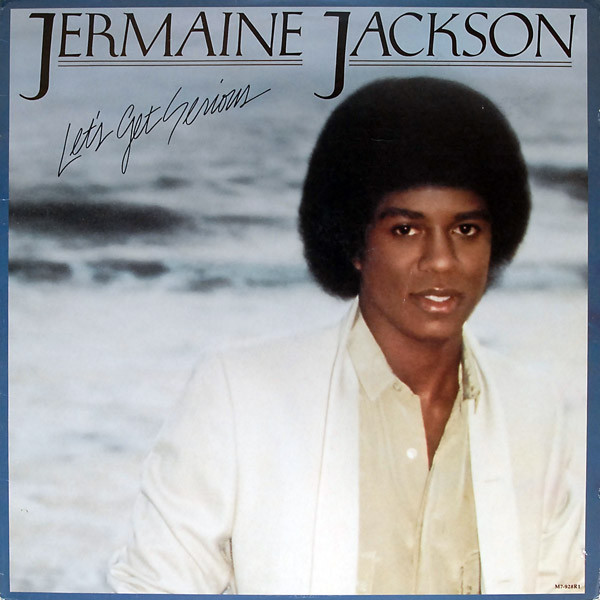
Let's Get Serious
1980

Jermaine Jackson
1984
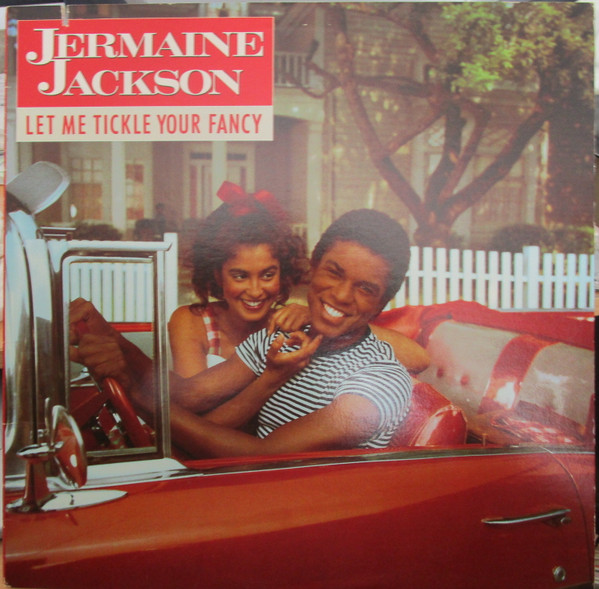
Let Me Tickle Your Fancy
1982
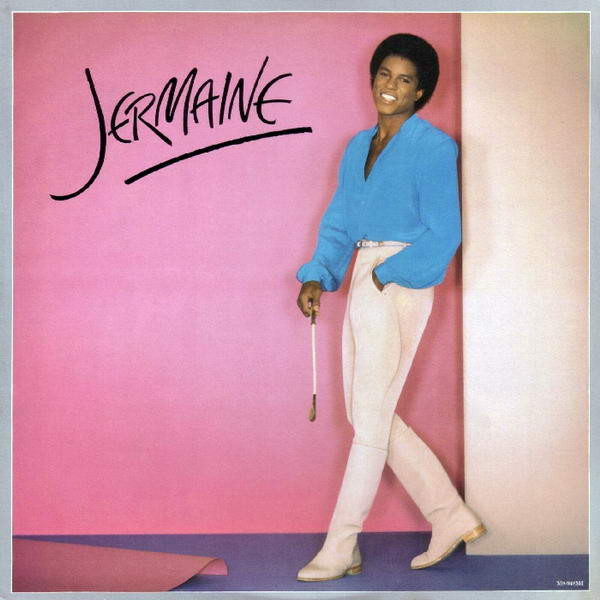
Jermaine
1980

Feel The Fire
1977
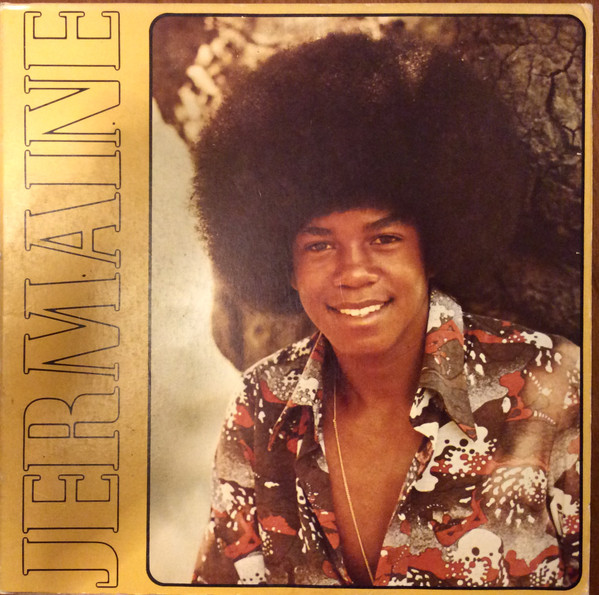
Jermaine
1972

Precious Moments
1986
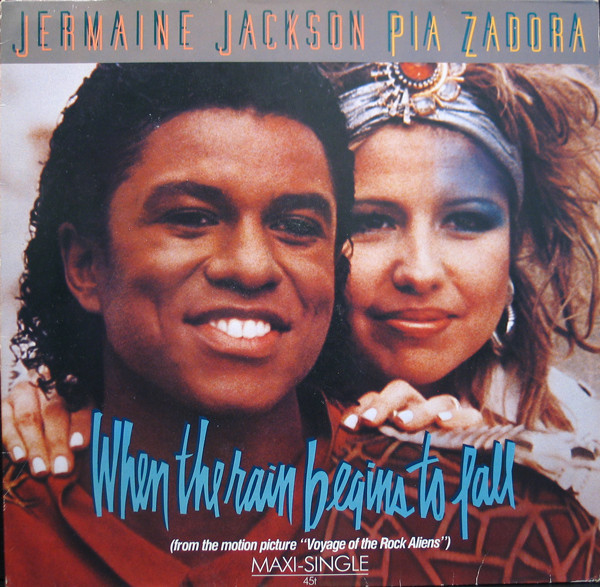
When The Rain Begins To Fall
1984

Do What You Do
1984

Let's Get Serious
1980

Frontiers
1978

My Name Is Jermaine
1976

Let's Be Young Tonight
1976

Come Into My Life
1973

Daddy's Home / Take Me In Your Arms (Rock Me For A Little While)
1972

I Wish You L.O.V.E.
2012

You Said
1991

Don't Take It Personal
1989

Dynamite
1984

I Like Your Style
1981
The Jacksons
A project Jermaine Jackson was part of.
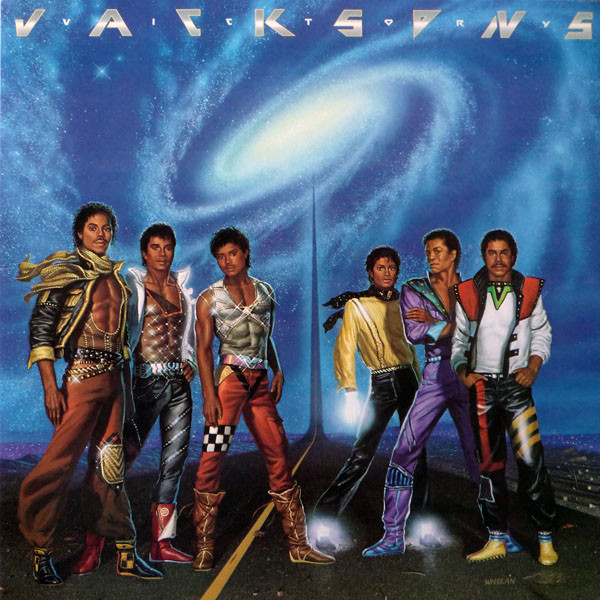
Victory
1984
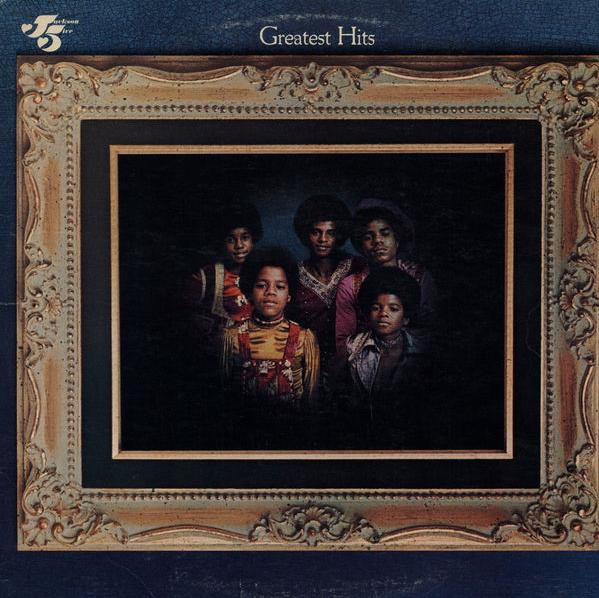
Greatest Hits
1971
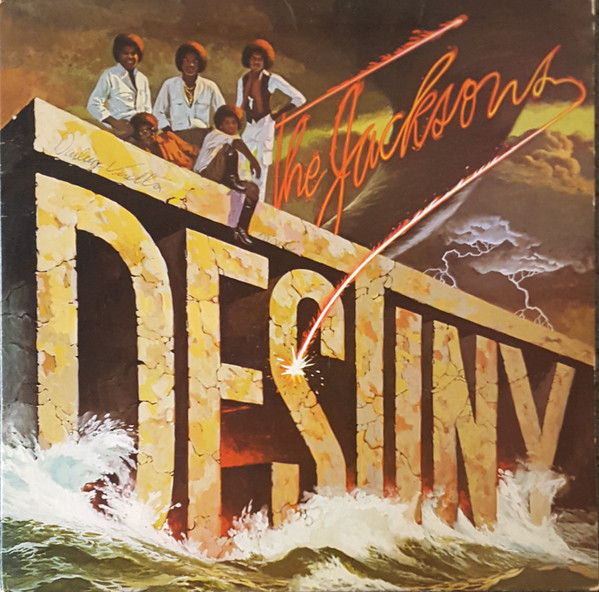
Destiny
1978
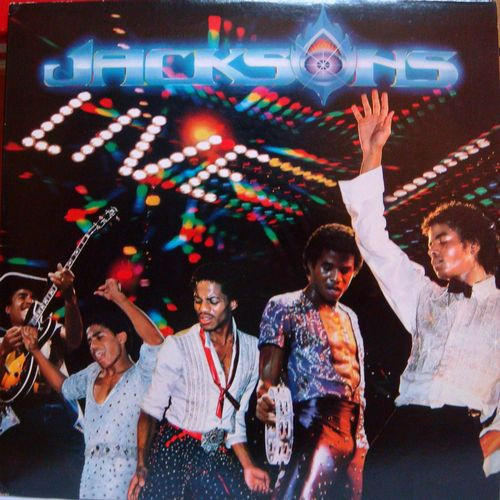
Live
1981

Diana Ross Presents The Jackson 5
1969
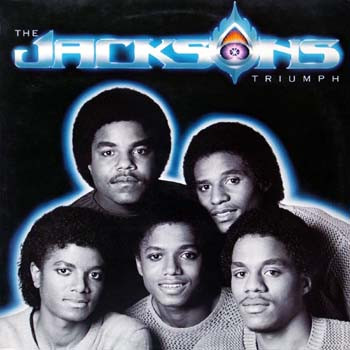
Triumph
1980
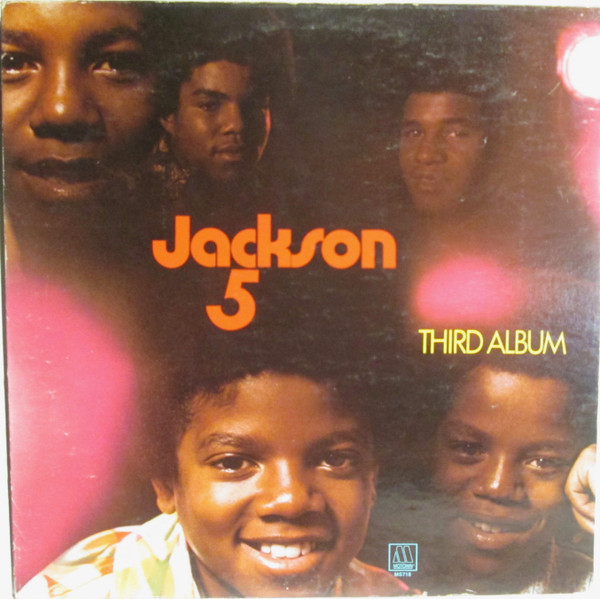
Third Album
1970
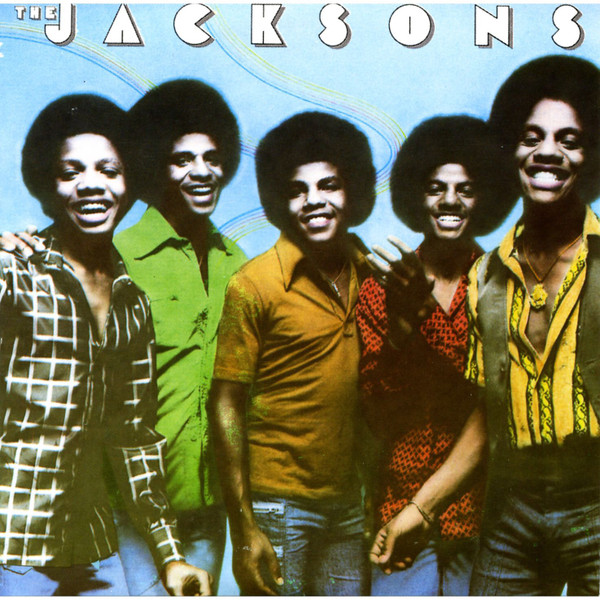
The Jacksons
1976
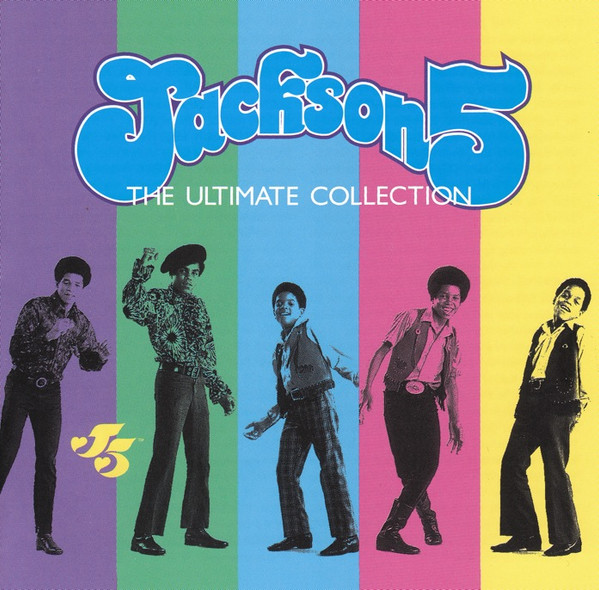
The Ultimate Collection
1996
ABC
1970
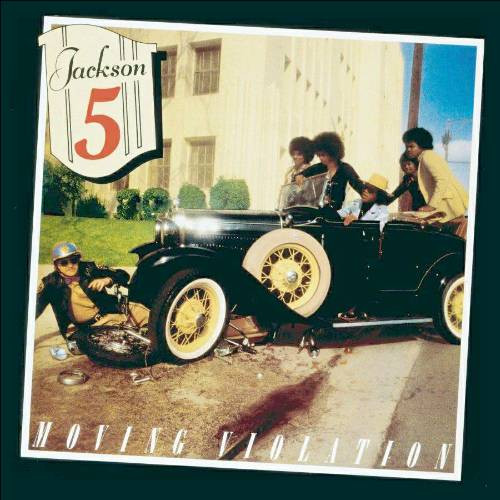
Moving Violation
1975
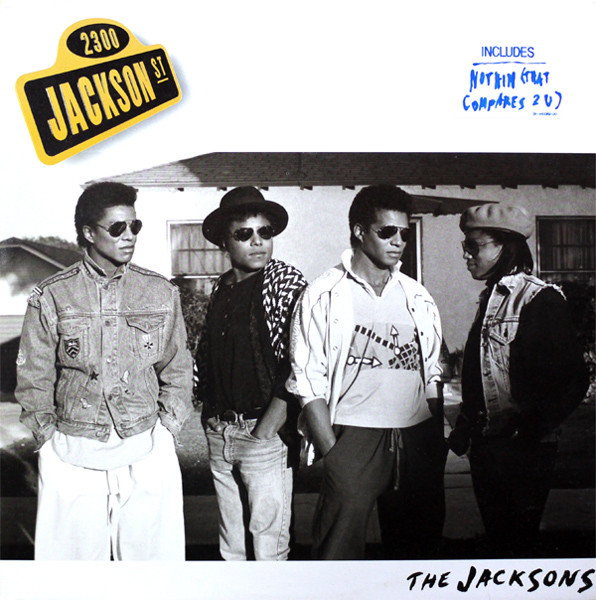
2300 Jackson Street
1989

The Jackson 5
1980
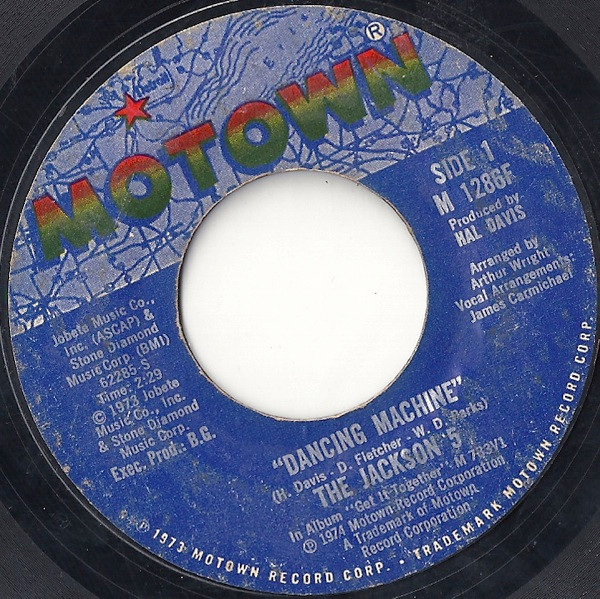
Dancing Machine
1974

Boogie
1979

Goin' Places
1977

Get It Together
1973
In Japan!
1973

Original Album Classics
2008
Related artists
Frequent collaborators
Around the web
Follow every record they touch.
Start your shelf and Gatefold tracks Jermaine Jackson's new pressings, tour dates, and the whole discography — automatically.
Start your shelf →Free forever. Works with 10 records or 10,000.