
Artist
Michael Jackson
“King of Pop”
Gary, United States · 1958 – 2009
Michael Jackson is a musician from Gary, United States, active 1958–2009. Their discography on Gatefold includes 24 records. They also recorded with The Jacksons.

96
Albums tracked
1,540
In collections
1958
Since
Biography
Quincy Jones practically dragged him out of the Motown machine and shoved him into Westlake Recording Studios with a bunch of session heavyweights. That is where the myth actually starts. Up to that point, he was just the kid with the freakish pitch who got pushed around by Berry Gordy's assembly-line songwriting. Quincy brought in Bruce Swedien, who used his Acusonic Recording Process to pair monstrously wide stereo images with rhythm tracks that hit you straight in the chest. That combination of Quincy's jazz-honed arrangements and Swedien's technical wizardry transformed a former child star into a studio force of nature. Then the industry got greedy and the ego took over. By the time the nineties rolled around, he was trying to compete with New Jack Swing and industrial beats, burying his natural instinct under layers of cold, calculated studio polish. He traded the effortless swing of the late seventies for a metallic, paranoid stomp. The vocal tics—the hiccups, the gasps, the high-pitched squeals—went from organic rhythmic punctuation to a caricature of themselves. But even when the records became bloated, overproduced double-disc statements of self-defense, the sheer craftsmanship behind the mixing desk never completely faltered. You cannot talk about this catalog without acknowledging that it is a masterclass in tension. He knew how to ride a bassline like a razor's edge, building tracks that felt like they were about to boil over. Behind the commercial juggernaut was a guy obsessed with perfectionism, running vocal takes for hours until his throat bled. The corporate sheen of the late-stage solo career can be exhausting, but the actual tape do not lie.
Bio from The Clerk
The Arc of Michael Jackson
The pivots — what forced Michael Jackson to reinvent.
The Quincy Breakthrough
Frustrated by Motown's rigid control, he teamed up with Quincy Jones during the production of The Wiz. They booked Westlake Recording Studios in 1979 to cut a record that blended disco, jazz, and sophisticated pop. Quincy brought in Rod Temperton to write tight, syncopated grooves, and Bruce Swedien engineered the tracks to sound massive on FM radio. The result was a lean, sweaty dance record that proved he could survive without his brothers.
The Westlake Blockbuster
The goal for the 1982 follow-up was simple and aggressive: every single track had to be a hit. Quincy and Bruce Swedien returned to Westlake, bringing in Eddie Van Halen to lay down a blistering guitar solo that bridged the gap between R&B and rock. They ran the master tapes so hard during mixing that the tape actually started shedding oxide, forcing them to rebuild the mixes from scratch. It set a new, terrifyingly high standard for pop production that the rest of the decade spent millions trying to copy.
The New Jack Transition
Quincy Jones was out, and Teddy Riley was brought in for the 1991 sessions to inject the raw, syncopated street energy of New Jack Swing. Recorded largely at Larrabee Sound Studios, the music shifted from warm brass arrangements to cold, aggressive drum machines and metallic synthesizer presets. You can hear the change instantly in the industrial clatter of the percussion and the defensive, sharp-edged vocal delivery. It was a deliberate move to stay relevant in a hip-hop dominated landscape, trading groove for sheer sonic impact.
Influences
- James Brown — He spent his childhood watching Brown's footwork and vocal grit from the wings of the Apollo Theater. You hear it in the percussive, non-verbal grunts and the frantic, syncopated rhythm dancing on tracks like Don't Stop 'Til You Get Enough. It is the exact same blueprint of turning the human voice into a drum kit.
- Jackie Wilson — He openly credited Wilson's frantic stage presence and vocal range as his primary performance textbook, even dedicating his Album of the Year Grammy to him in 1984. The dramatic, soaring falsetto leaps and the physical spin-and-drop choreography were lifted directly from Wilson's sixties television appearances. It is the bridge between classic soul showmanship and modern pop theatrics.
- Diana Ross — Ross mentored him during his early Motown years, even moving him into her home to teach him how to carry himself as an elite performer. You can hear her smooth, breathy vocal phrasing directly mirrored in his early solo ballads like She's Out of My Life. Her transition from group leader to solo superstar served as his literal career roadmap.
- Sly Stone — The Jackson 5 toured with Sly and the Family Stone in the late sixties, giving him a front-row seat to their heavy, funk-driven basslines and aggressive rhythm tracks. The gritty, slap-bass drive of Sly's Thank You played a direct role in how the bassline of Billie Jean was constructed. It taught him how to build a pop song from the low-end upward.
- Fred Astaire — He maintained a close personal friendship with Astaire, studying old Hollywood musicals to master the art of precise, narrative-driven physical movement. The signature lean in the Smooth Criminal video was a direct, highly engineered nod to Astaire's choreography in the 1953 film The Band Wagon. He took the effortless style of mid-century tap dance and translated it to modern street-level pop.
Michael Jackson — solo
Their records — most-collected first.
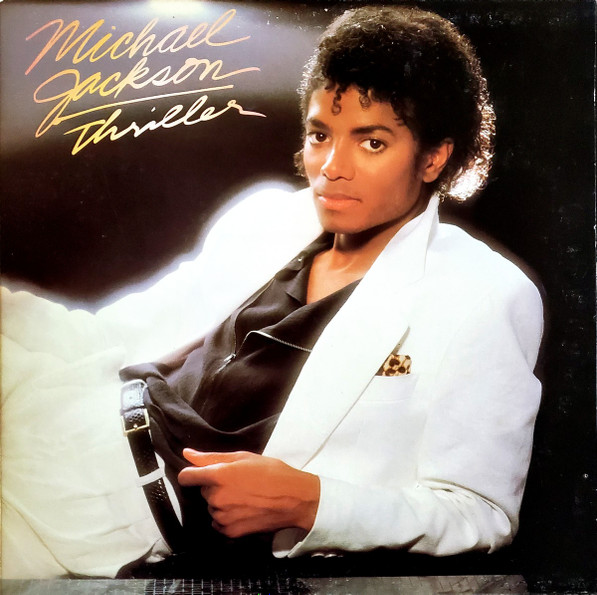
Thriller
1982
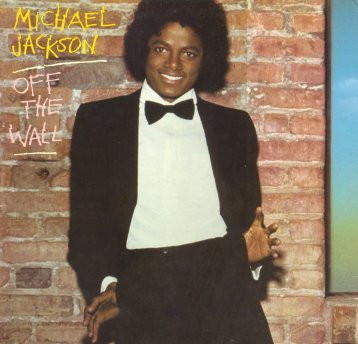
Off The Wall
1979
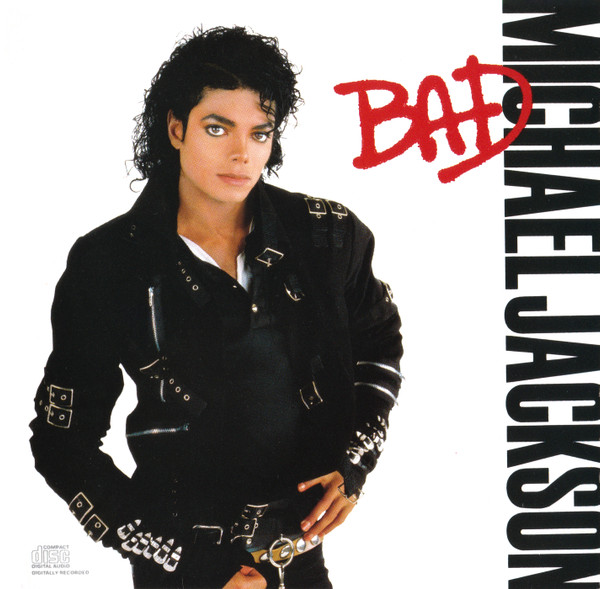
Bad
1987

Dangerous
1991
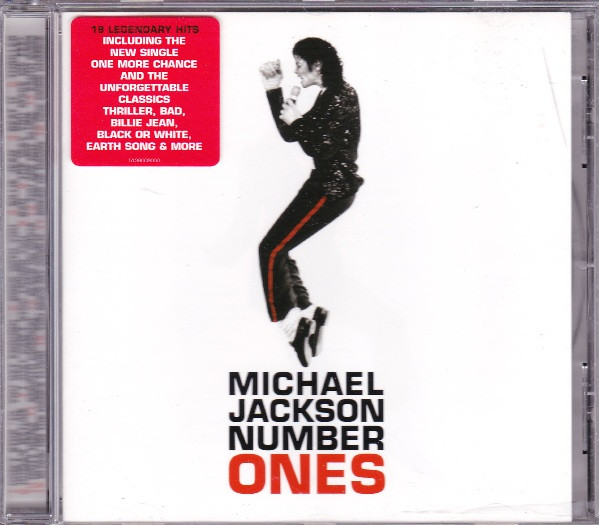
Number Ones
2003
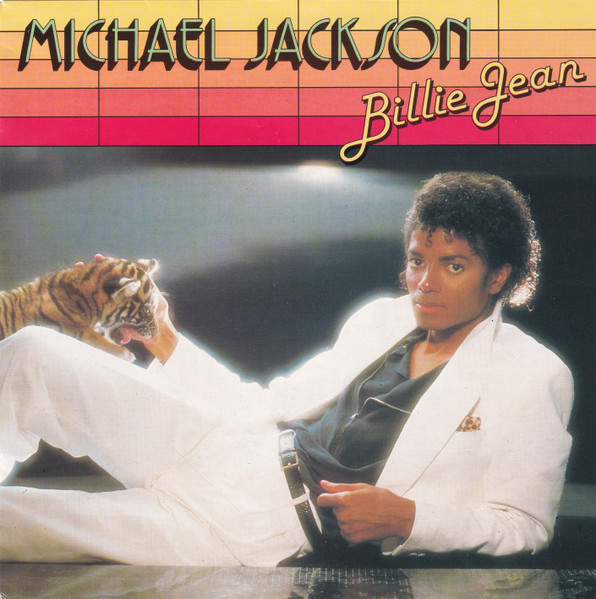
Billie Jean
1983
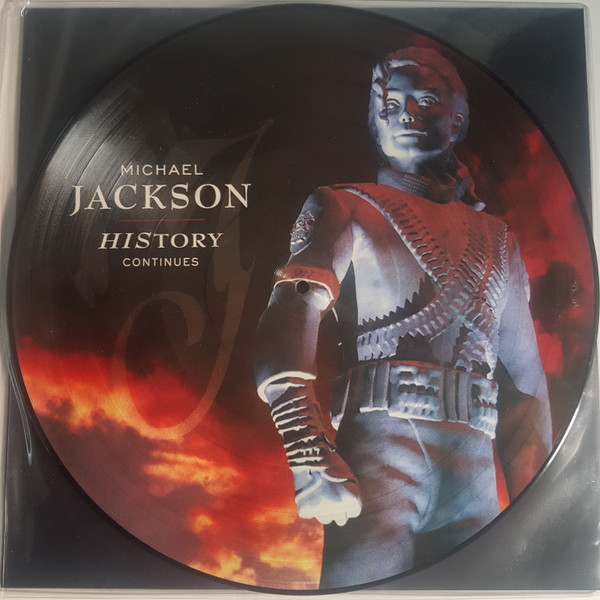
HIStory - Past, Present And Future - Book I
1995
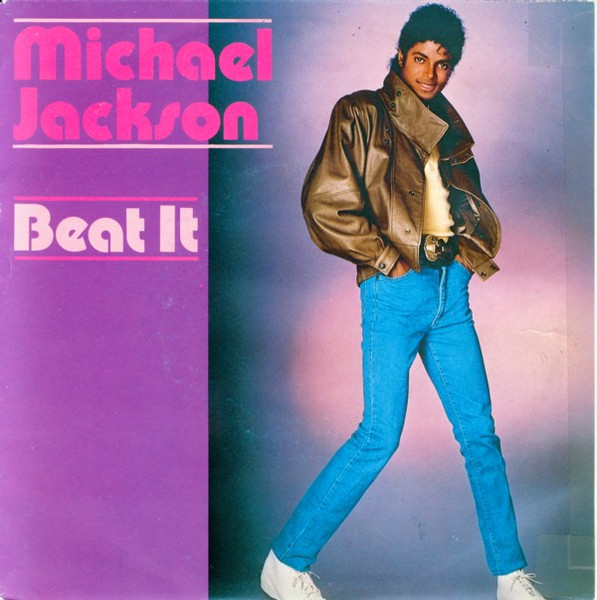
Beat It
1983

Invincible
2001
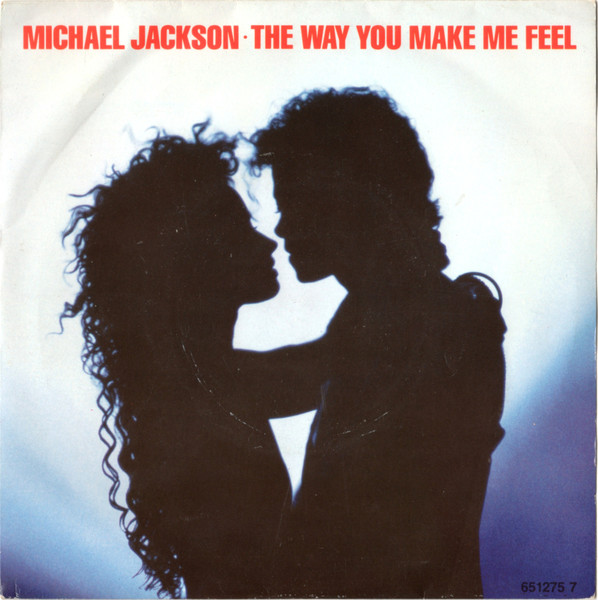
The Way You Make Me Feel
1987
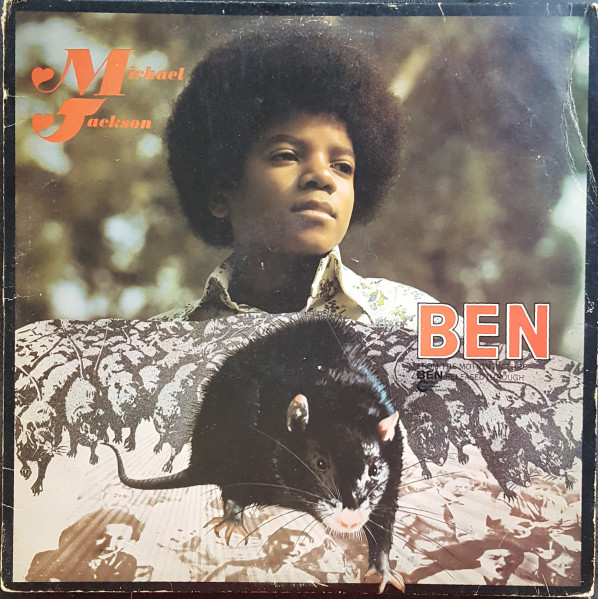
Ben
1972
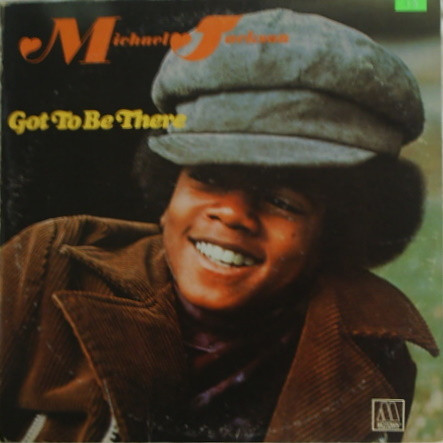
Got To Be There
1972
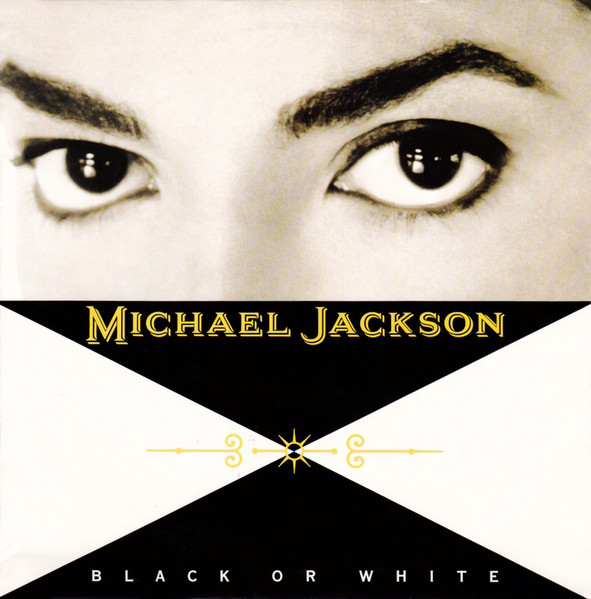
Black Or White
1991
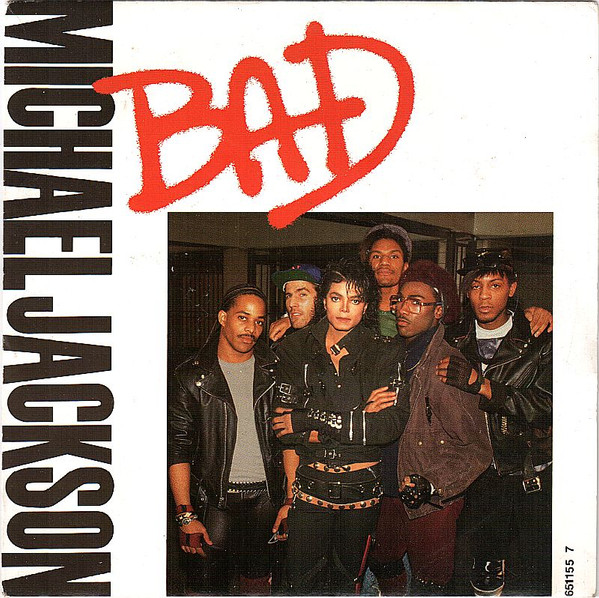
Bad
1987
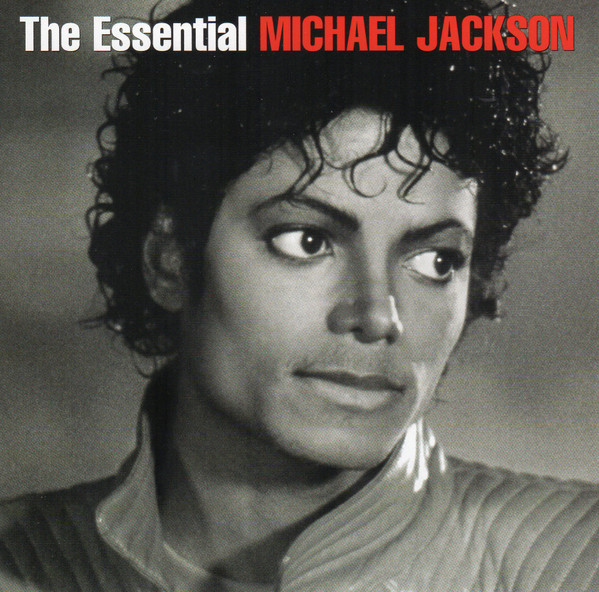
The Essential Michael Jackson
2005

Off The Wall
1980

Scream
2017

Blood On The Dance Floor (HIStory In The Mix)
1997

Stranger In Moscow
1996
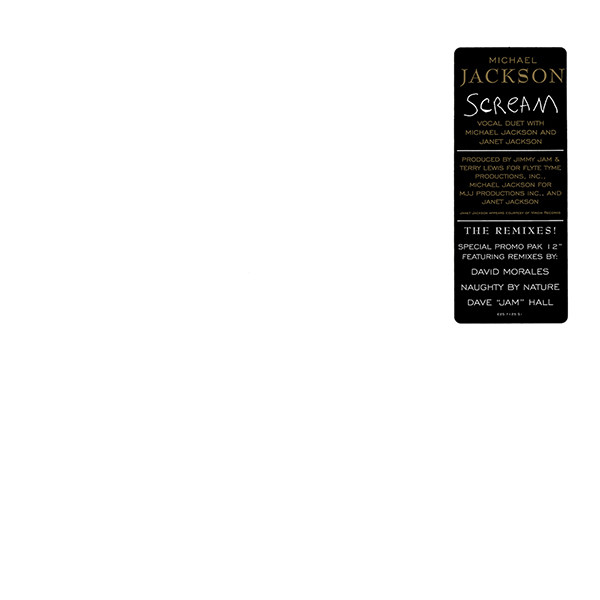
Scream / Childhood (Theme From "Free Willy 2")
1995

Wanna Be Startin' Somethin'
1983

The Best Of Michael Jackson
1975
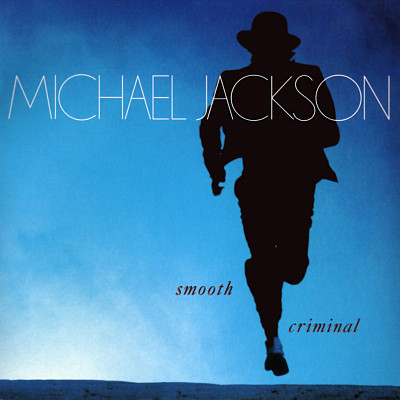
Smooth Criminal
1988

Dirty Diana
1988
The Jacksons
A project Michael Jackson was part of. Former member.
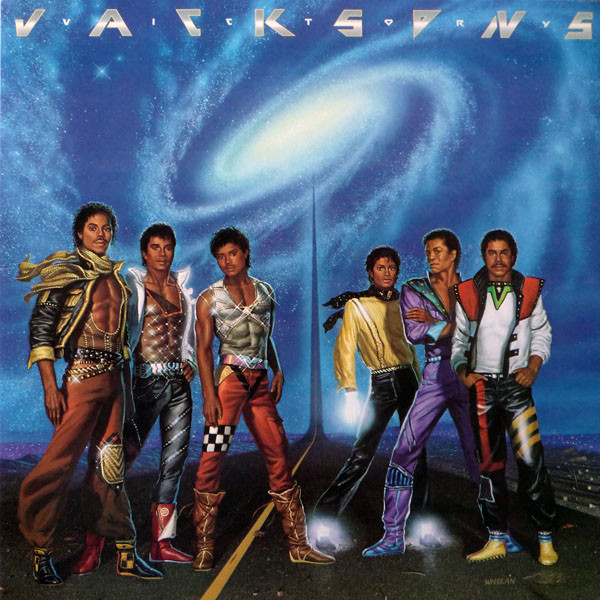
Victory
1984
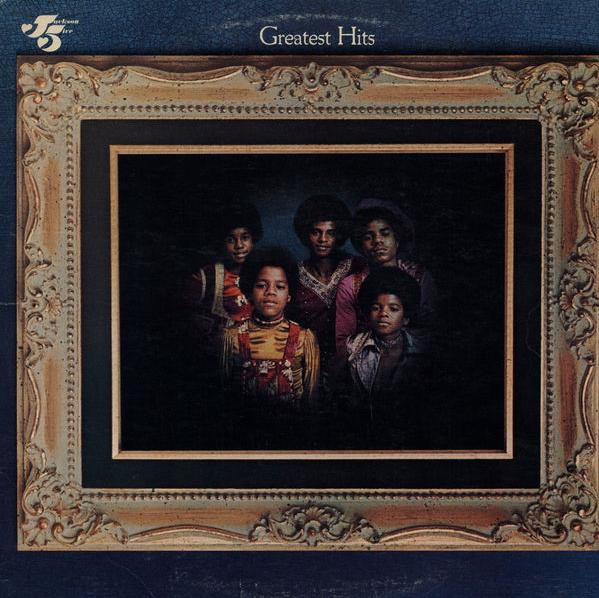
Greatest Hits
1971
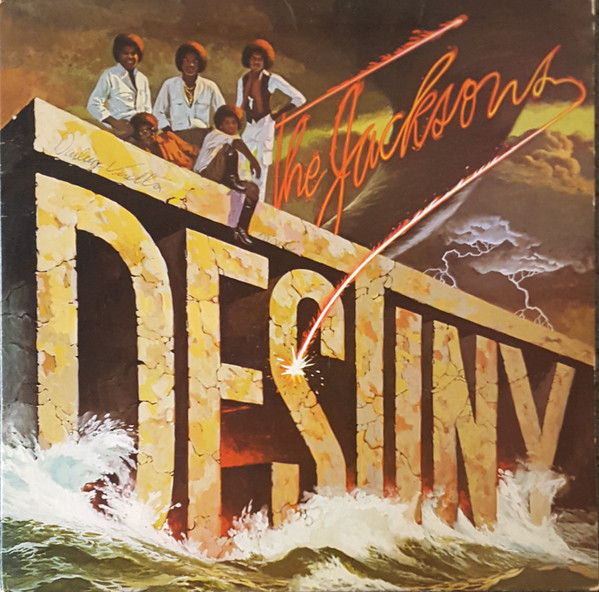
Destiny
1978
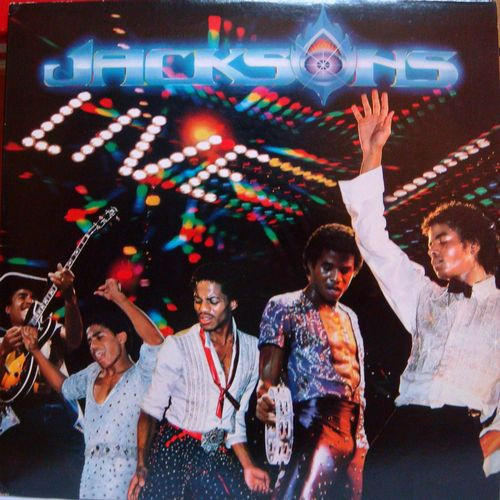
Live
1981

Diana Ross Presents The Jackson 5
1969
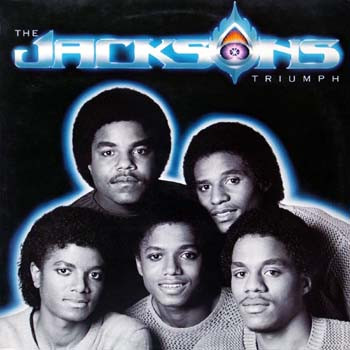
Triumph
1980
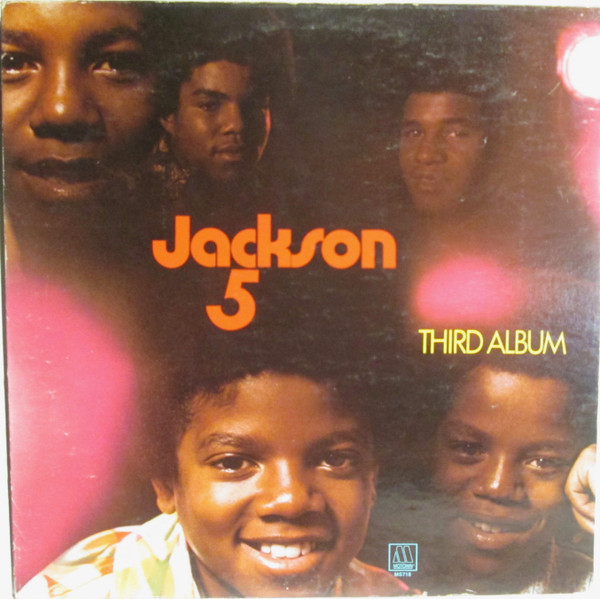
Third Album
1970
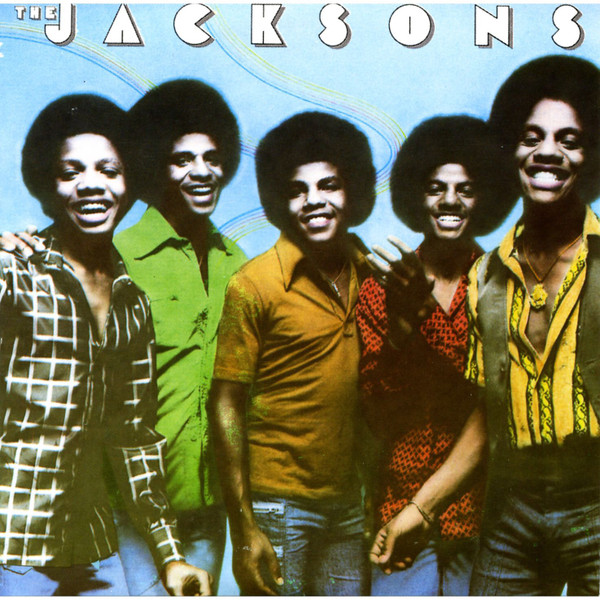
The Jacksons
1976
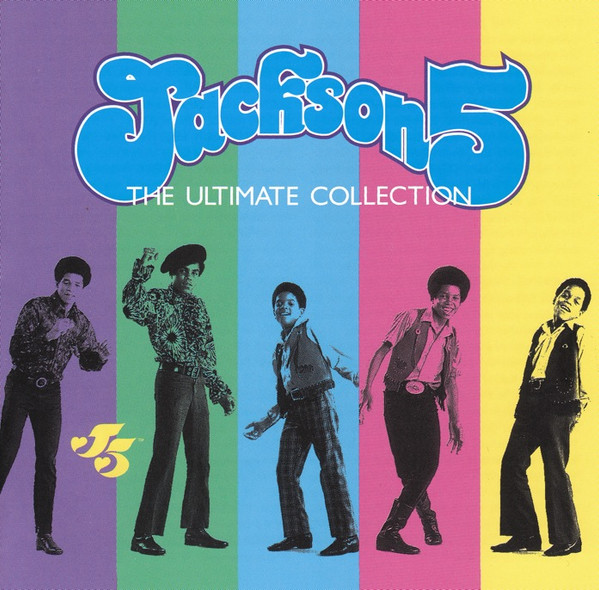
The Ultimate Collection
1996
ABC
1970
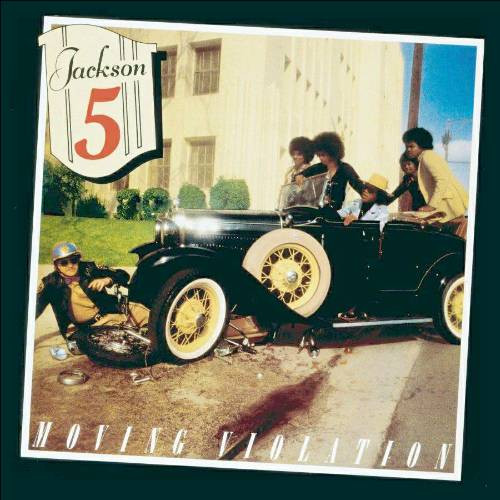
Moving Violation
1975
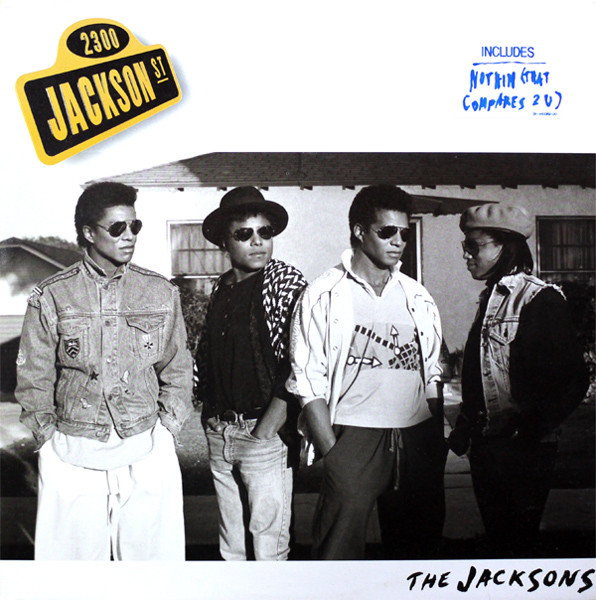
2300 Jackson Street
1989

The Jackson 5
1980
Dancing Machine
1974

Boogie
1979

Goin' Places
1977

Get It Together
1973
In Japan!
1973

Original Album Classics
2008
Related artists
Frequent collaborators
Around the web
Follow every record they touch.
Start your shelf and Gatefold tracks Michael Jackson's new pressings, tour dates, and the whole discography — automatically.
Start your shelf →Free forever. Works with 10 records or 10,000.