
Artist
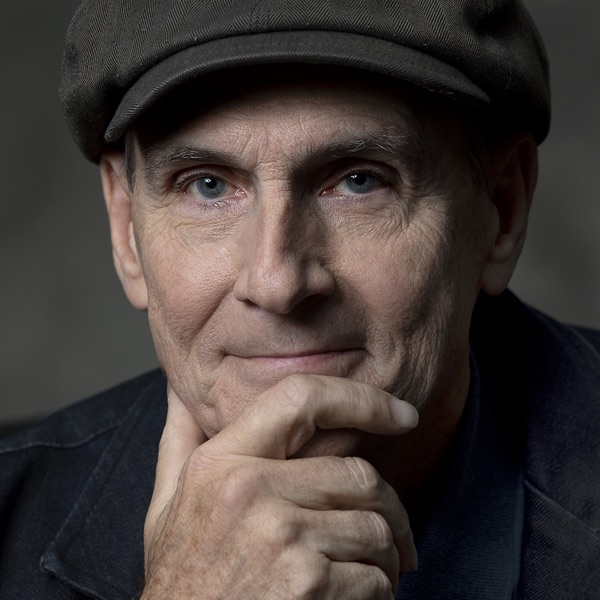
James Taylor
Boston, United States · b. 1948
James Taylor is a musician from Boston, United States, active since 1948. Their discography on Gatefold includes 24 records.
40
Albums tracked
555
In collections
1948
Since
Biography
Peter Asher pulled him out of a London flat, booked him into Trident Studios between sessions for the White Album, and let him lay down his debut while McCartney and Harrison drifted into the room. Paul played bass on 'Carolina in My Mind.' Taylor was fighting a raging heroin habit and pawned his Gibson J-50 more than once just to score. That debut got buried because Apple Records was an absolute shitshow of executive ego and chaos, but the guitar playing was already fully formed: thumb picking the basslines while his fingers carried church chords and blues licks at the exact same time. He migrated to Los Angeles, hooked up with Carole King and the Sunset Sound crew, and cut Sweet Baby James for practically pocket change. That record didn't just sell millions; it built the entire blueprint for Laurel Canyon singer-songwriters by swapping out the counterculture's amps for an acoustic guitar, a piano, and brutal autobiographical honesty about psych wards and suicide. The back half of the seventies got sleepy when slick pop production smoothed down the edges, but his fingerstyle technique never slipped. The guy turned deep personal wreckage into the quietest, most precise acoustic pop in American history.
Bio from The Clerk
The Arc of James Taylor
The pivots — what forced James Taylor to reinvent.
The Laurel Canyon Blueprint (1970–1972)
After surviving a stint in McLean Hospital and cutting a mismanaged debut in London, he set up at Sunset Sound in Los Angeles to strip everything down to wood and wire. He brought in Carole King on piano and Russ Kunkel on drums, tracking Sweet Baby James and Mud Slide Slim and the Blue Horizon with zero studio clutter. You hear the shift instantly: the ornate baroque strings of the Apple record were junked for dry, upfront vocals and an acoustic guitar that anchored every arrangement. It defined the early-seventies singer-songwriter movement before the major labels figured out how to package it.
The Slick Studio Shift (1974–1981)
By the mid-seventies, he moved away from naked folk-blues to embrace the polished machinery of peak Los Angeles studio rock. Bringing in players like David Sanborn and chasing R&B grooves on records like Walking Man and Gorilla, he leaned into full-band arrangements and glossy covers like 'How Sweet It Is.' The acoustic picking was still pristine, but it was now cushioned by electric bass, horn sections, and radio-ready backing vocals from Carly Simon. It kept him on top-40 radio through the late seventies, trading the raw vulnerability of his early material for absolute sonic comfort.
The Craftsman Elder (1985–2020)
Clean from addiction by the mid-eighties, he stopped chasing pop trends and settled into the role of a meticulous acoustic craftsman. Records like That's Why I'm Here and Hourglass stretched out the gaps between releases, focusing on warm, digital-era production and intricate acoustic arrangements cut with elite session pros. By the time he hit American Standard, he circled all the way back to the pre-rock Tin Pan Alley melodies that taught him how to play in the first place. The voice got deeper and slightly weathered, but his chord substitutions remained textbook-level brilliant.
Influences
- Ray Charles — Taylor has repeatedly cited Charles as the voice that showed him how to bend notes and phrase like a horn player. You hear it directly in Taylor's bluesier inflections on tracks like 'Steamroller' and his habit of pushing vocal lines behind the beat. It kept his acoustic folk grounded in genuine American soul.
- The Beatles — Taylor auditioned directly for Paul McCartney and George Harrison in 1968, leading to his signing with Apple Records. McCartney laid down the bassline on 'Carolina in My Mind,' and Harrison famously lifted a lyrical line from Taylor's 'Something in the Way She Moves' for his own Abbey Road ballad. You can hear their melodic architecture all over Taylor's voice-leading and inverted acoustic chords.
- Woody Guthrie — Taylor grew up absorbing the Appalachian folk tradition and Guthrie's dust-bowl ballad style through family record collections. That direct, unvarnished storytelling mode is the absolute backbone of songs like 'Sweet Baby James' and 'Fire and Rain.' He took Guthrie's plainspoken honesty and grafted it onto sophisticated Piedmont-style fingerpicking.
- Rev. Gary Davis — Taylor spent his teenage years studying Davis's Piedmont blues records to learn how to play independent basslines with his right thumb while picking melody lines on top. That exact alternating-thumb technique powers virtually every up-tempo acoustic groove Taylor ever tracked. Without Davis, Taylor's rhythm guitar simply doesn't exist.
- Lead Belly — Before he ever wrote an original song, Taylor cut his teeth learning Lead Belly's twelve-string blues runs and folk adaptations. You hear that thumping acoustic attack on earlier tracks like 'Night Owl' and his live takes on traditional tunes. It gave his acoustic rhythm an aggressive, percussive drive that softer folk revivalists lacked.
Discography
Their records — most-collected first.
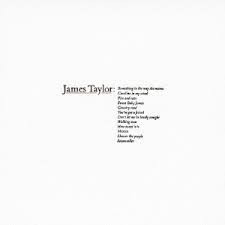
Greatest Hits
1976
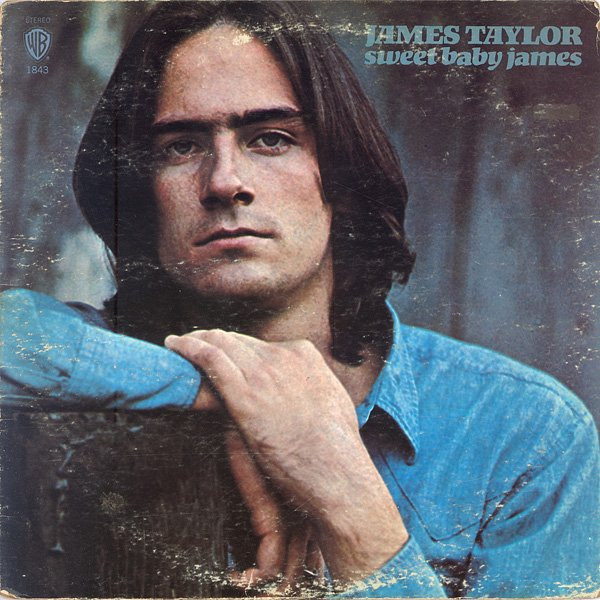
Sweet Baby James
1970
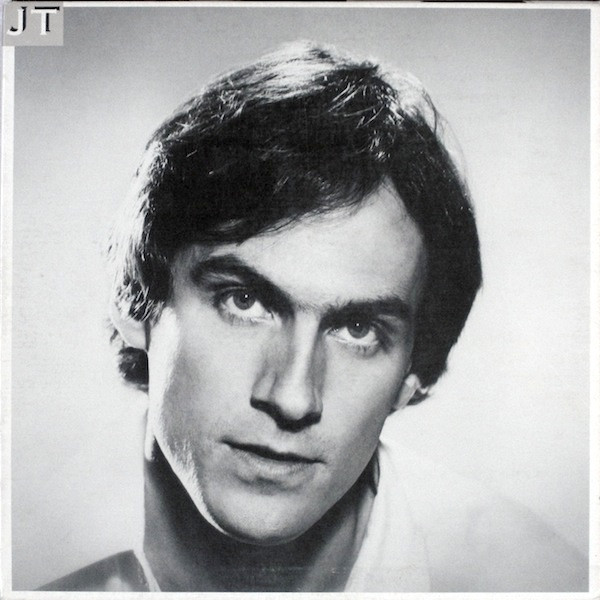
JT
1977
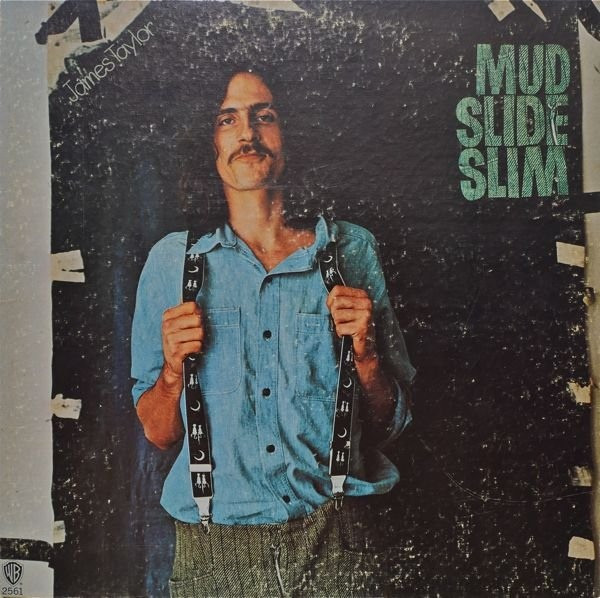
Mud Slide Slim And The Blue Horizon
1971
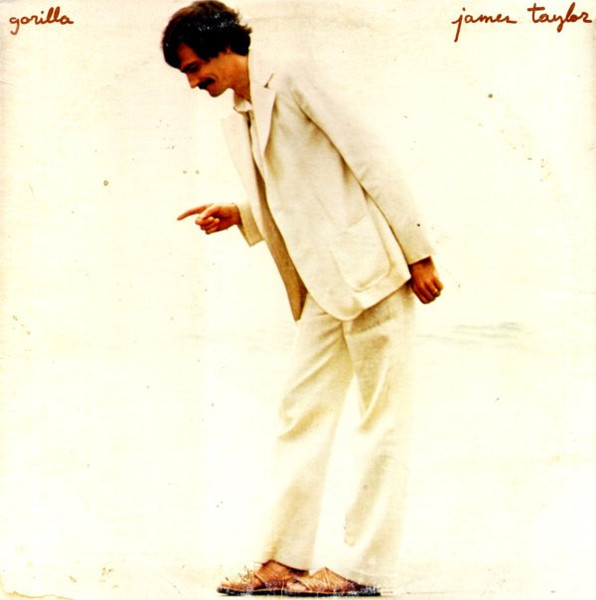
Gorilla
1975

James Taylor
1968

Dad Loves His Work
1981

Flag
1979

One Man Dog
1972
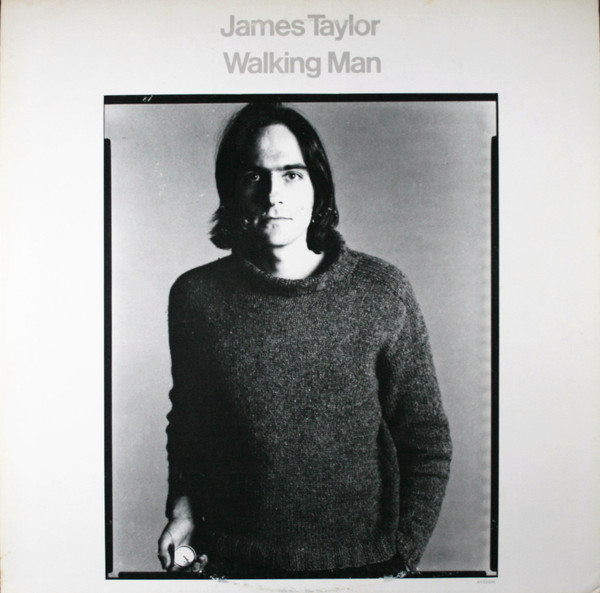
Walking Man
1974

In The Pocket
1976

1967
1970

Never Die Young
1988
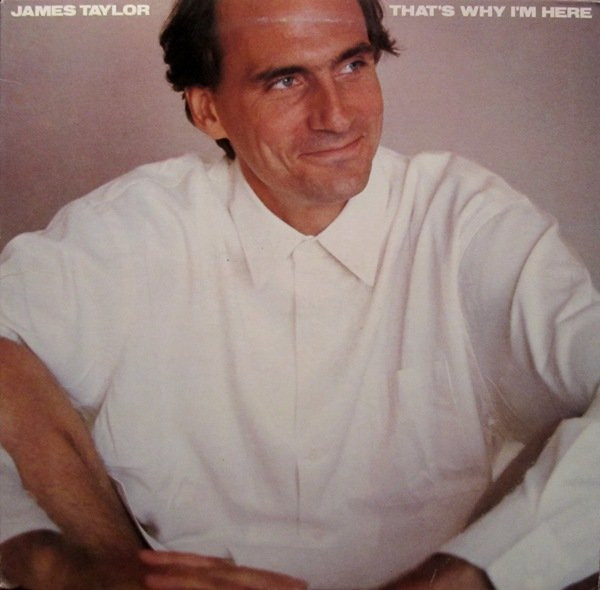
That's Why I'm Here
1985

October Road
2002

(Live)
1993

Before This World
2015

The Best Of James Taylor
2003

American Standard
2020

A Christmas Album
2004

Greatest Hits Volume 2
2000

Hourglass
1997

New Moon Shine
1991

The Best Of James Taylor
1991
Related artists
Around the web
Follow every record they touch.
Start your shelf and Gatefold tracks James Taylor's new pressings, tour dates, and the whole discography — automatically.
Start your shelf →Free forever. Works with 10 records or 10,000.