
Artist
The Jacksons
formerly “The Jackson 5”
Gary, United States · Formed 1966
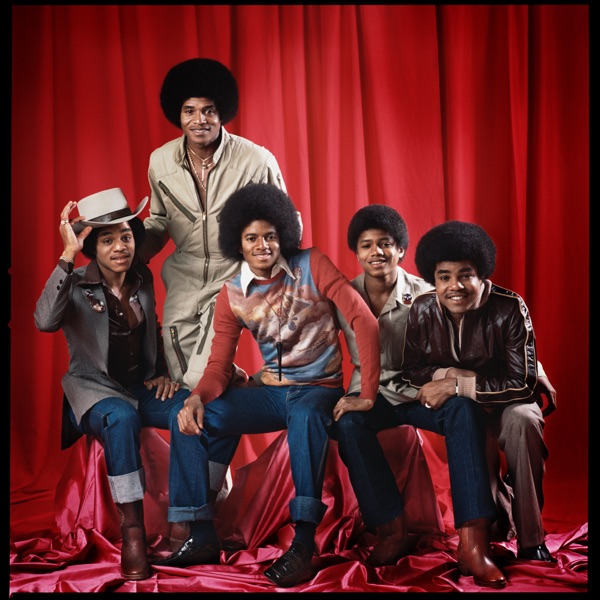
The Jacksons is a music group from Gary, United States, active since 1966. Their discography on Gatefold includes 24 records.
32
Albums tracked
225
In collections
1966
Since
Biography
Berry Gordy kept the Corporation on a tight leash, micromanaging every note and refusing to let the brothers touch an instrument in the studio. For years, they were the ultimate Motown product—perfectly synchronized, high-energy, and completely denied any creative agency over their own records. While Michael was the obvious lightning rod, the frustration of being treated like a boy band well into their twenties turned the rehearsal room into a pressure cooker. By the time they hit the mid-70s, the bubblegum sound was rotting, and Gordy was too distracted by the film business to notice the kids were outgrowing the factory. The jump to Epic wasn't just a label move; it was a fucking jailbreak. They lost the 'Jackson 5' name to Motown’s lawyers and left Jermaine behind, but they gained the right to write and produce their own shit. Bringing Randy in as a full member changed the rhythmic backbone, moving them away from the polished Detroit assembly line toward a harder, self-contained funk unit. They proved they weren't just a vehicle for a solo superstar—they were a legitimate band that could hold a groove without a room full of session veterans telling them where to stand.
Bio from The Clerk
The Arc of The Jacksons
The pivots — what forced The Jacksons to reinvent.
The Motown Assembly Line
From '69 to '72, the group was essentially a vocal front for 'The Corporation,' a shadowy hit-making collective Gordy put together to replace the Holland-Dozier-Holland vacuum. You hear it in the frantic, airtight arrangements of ABC and The Love You Save where the brothers are just hitting their marks over tracks cut by the Funk Brothers. It was the peak of the label’s 'Sound of Young America' phase, turning the Jacksons into a global commodity while keeping their actual musicality hidden behind the curtain.
The Gamble/Huff Transition
Moving to Epic in 1976 meant working with Kenneth Gamble and Leon Huff at Philadelphia International to prove they could survive without Motown. The Philly soul architects brought in the MFSB rhythm section to give the Jacksons a sophisticated, orchestral disco sheen on tracks like Enjoy Yourself. This era served as the bridge between their kid-star past and the mature, club-ready sound they were desperate to claim as their own.
The Self-Produced Pivot
Frustrated with outside producers, the brothers finally took the reins for 1978's Destiny and 1980's Triumph, writing and producing nearly everything themselves. This is the real sound of the Jacksons—heavy on the slap bass, intricate vocal harmonies, and Randy’s growing influence on percussion and synths. It’s the period where they moved from being a disco act to being the architects of the high-gloss, aggressive R&B that defined the turn of the decade.
Influences
- Sly & The Family Stone — The Jacksons covered 'Stand!' and 'I Want to Take You Higher' during their early Gaddy sessions and live sets. You hear Sly’s psychedelic funk influence in the way the brothers traded lead vocals within a single track. It broke the traditional 'lead singer plus backups' mold Motown usually enforced.
- James Brown — Michael famously studied Brown’s footwork and rhythmic grunts, which became the foundation for the group’s live choreography and vocal percussion. The staccato horn arrangements on early Motown cuts were direct attempts to bottle Brown's 'Cold Sweat' energy for a pop audience. Without the Godfather's 1960s blueprints, the Jacksons' stage show doesn't exist.
- The Temptations — They were the Jacksons' primary label-mates and the gold standard for vocal choreography at Motown. The group covered 'It’s Growing' and 'Hum Along and Dance,' lifting the multi-part harmony structures and the 'psychedelic soul' grit of the Norman Whitfield era. You can hear that influence most clearly on the heavier, more percussive tracks of the mid-70s.
- Jackie Wilson — Wilson’s athletic, operatic style of R&B showmanship was the first thing Joe Jackson forced the boys to study. His influence is all over the early vocal runs and the sheer physical endurance required for their sets. He was the bridge between the doo-wop era and the high-energy soul they eventually perfected.
- Frankie Lymon & The Teenagers — Lymon provided the commercial blueprint for the 'kid lead singer' dynamic that Motown exploited. The Jacksons covered 'Who’s Lovin’ You'—originally a Smokey Robinson tune—with Michael channeling the high-register urgency and precocious phrasing Lymon made famous in the 50s. It was the proof-of-concept for the entire Jackson 5 phenomenon.
Discography
Their records — most-collected first.
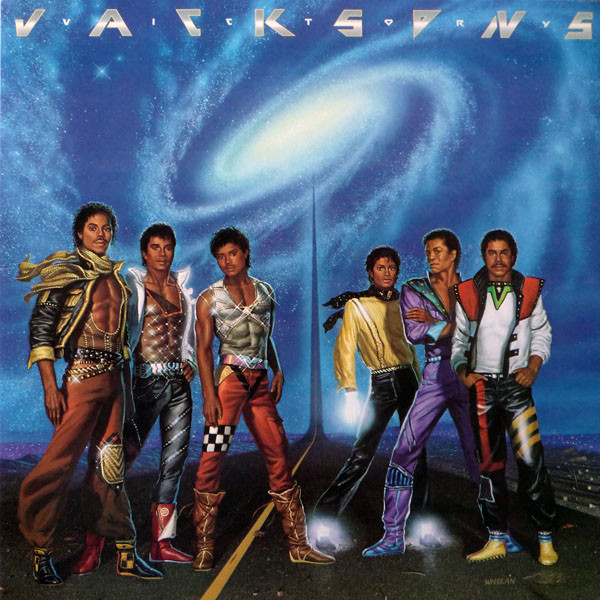
Victory
1984
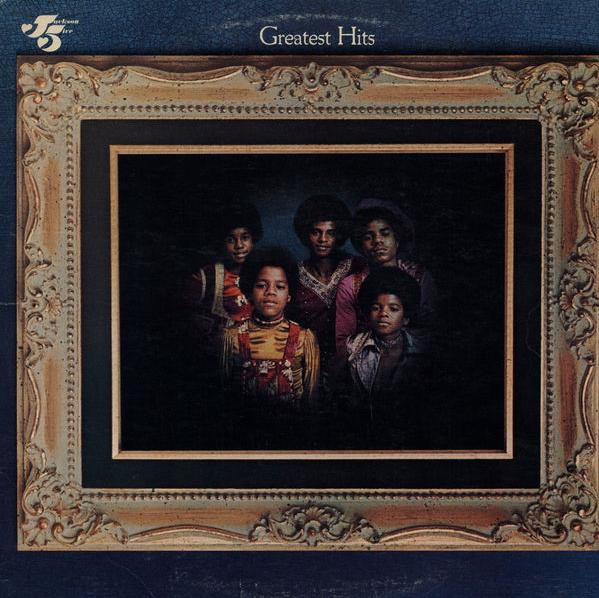
Greatest Hits
1971
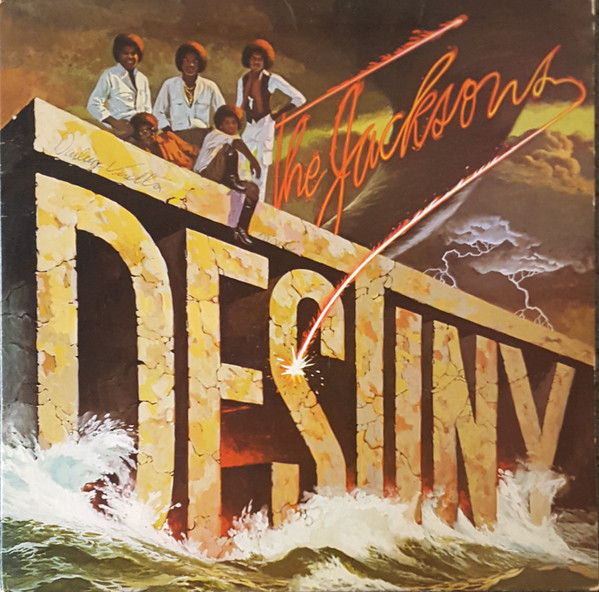
Destiny
1978
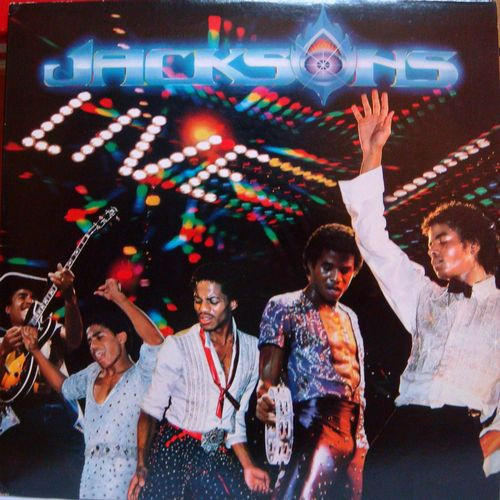
Live
1981

Diana Ross Presents The Jackson 5
1969
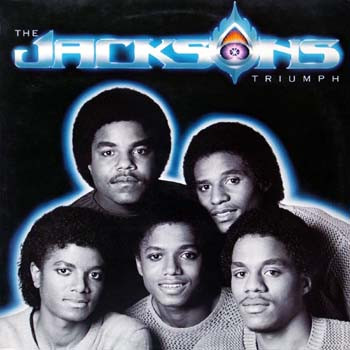
Triumph
1980
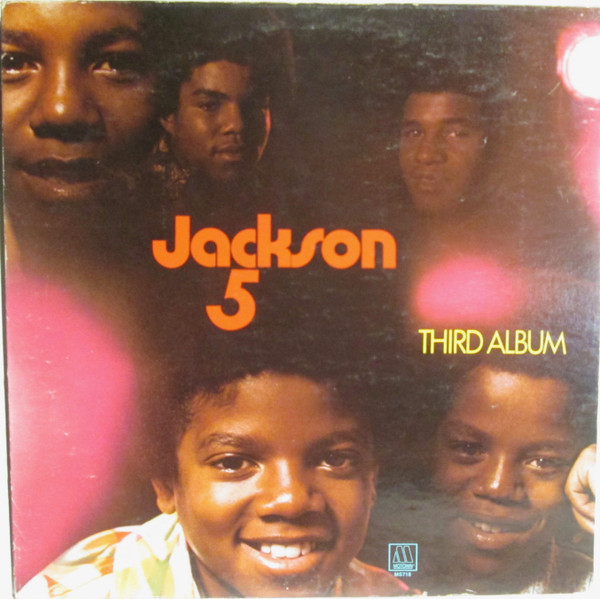
Third Album
1970
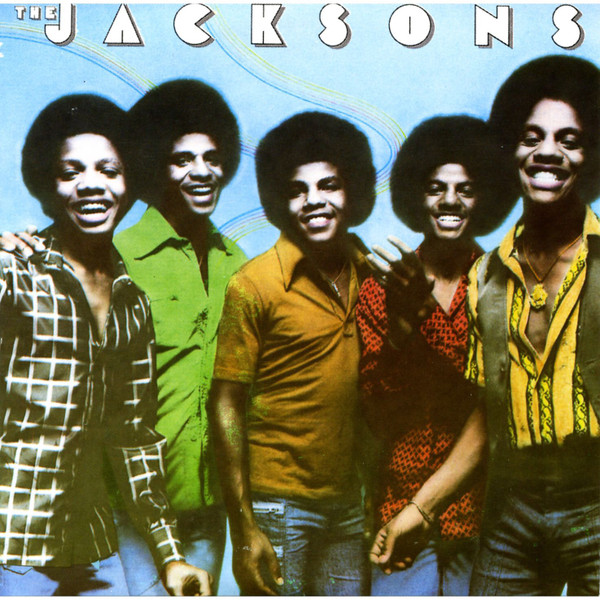
The Jacksons
1976

Shake Your Body (Down To The Ground)
1978
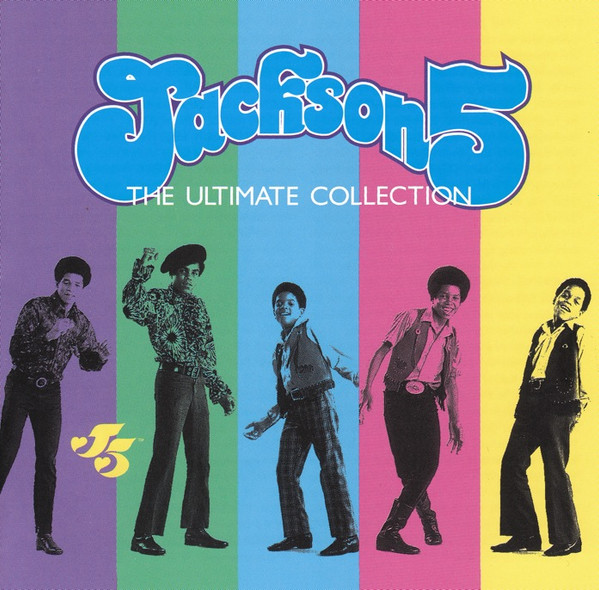
The Ultimate Collection
1996
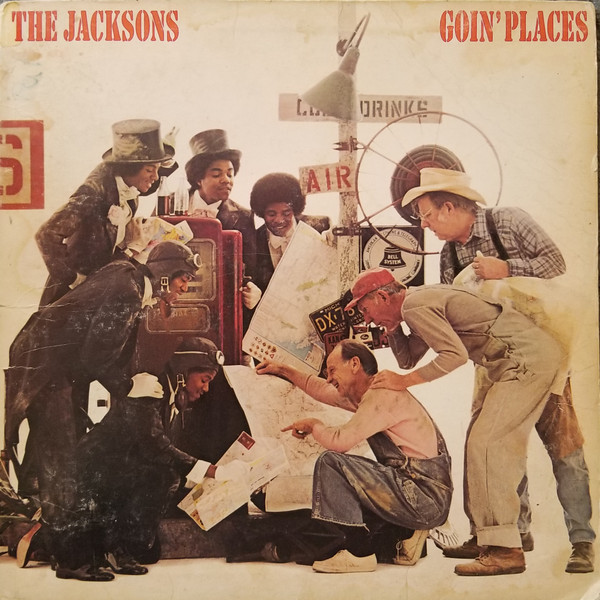
Goin' Places
1977
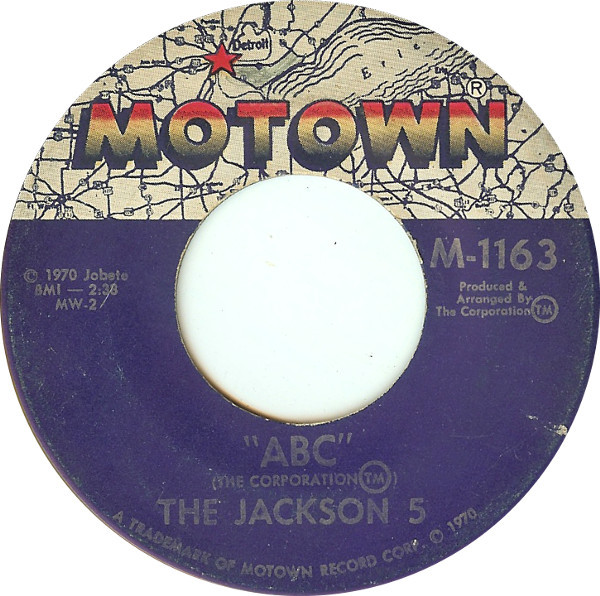
ABC
1970
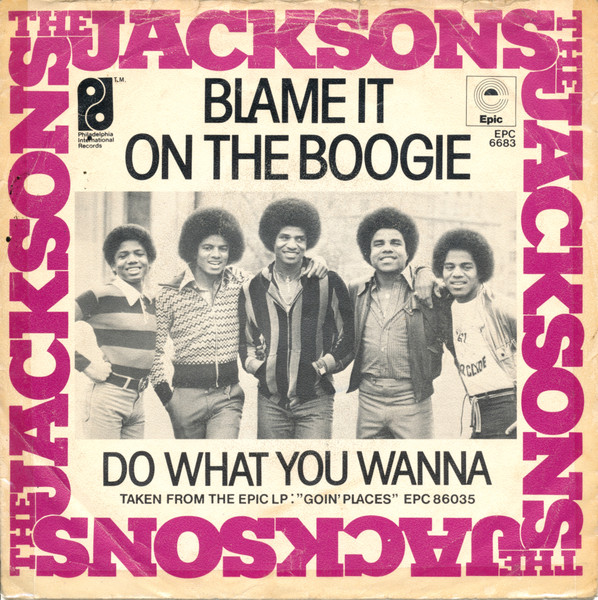
Blame It On The Boogie
1978
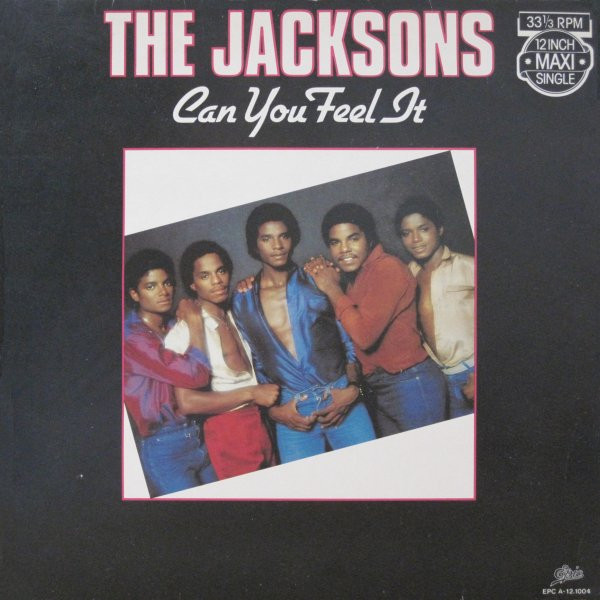
Can You Feel It
1980

Walk Right Now
1980
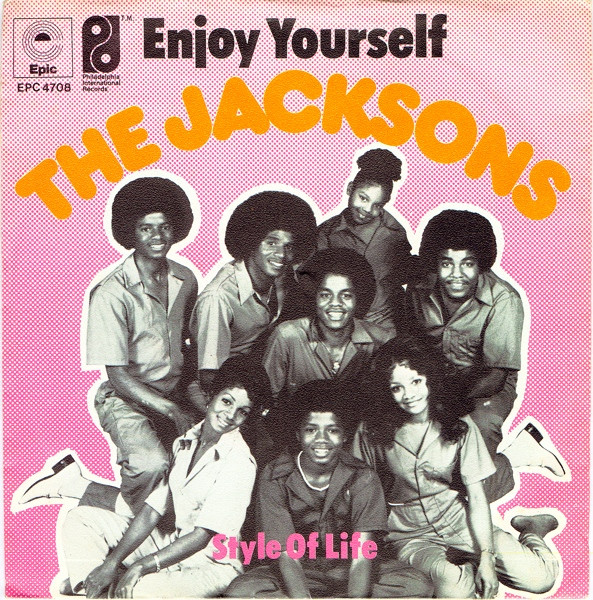
Enjoy Yourself
1976
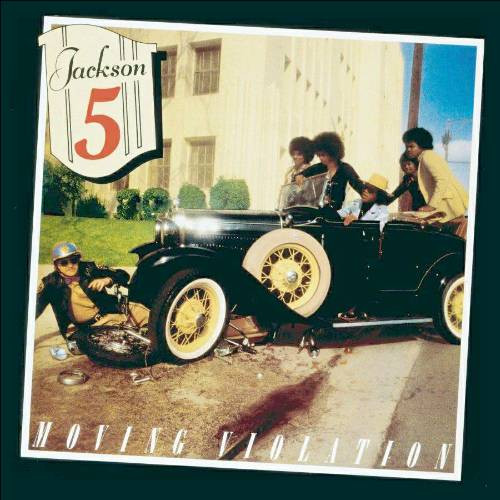
Moving Violation
1975
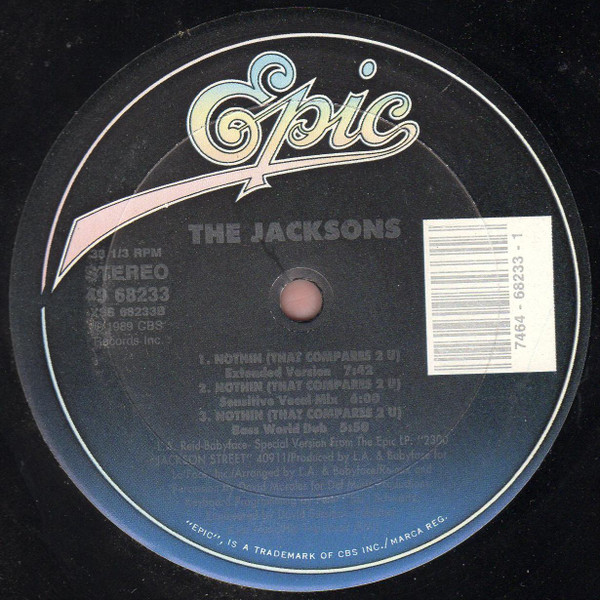
Nothin (That Compares 2 U)
1989
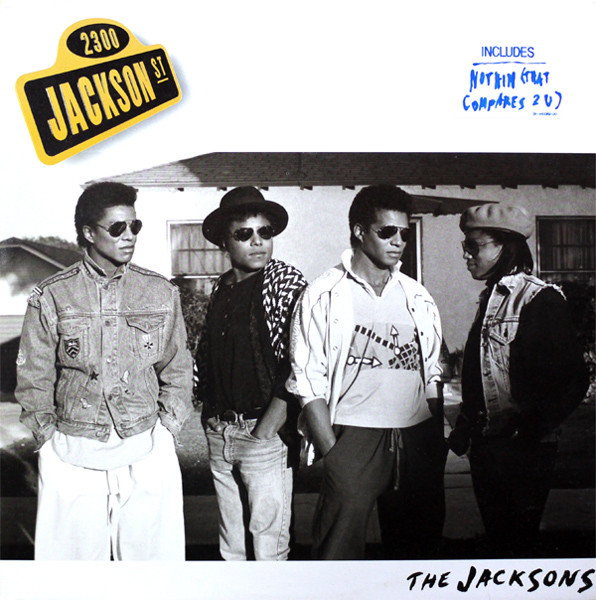
2300 Jackson Street
1989

The Jackson 5
1980

Heartbreak Hotel
1980
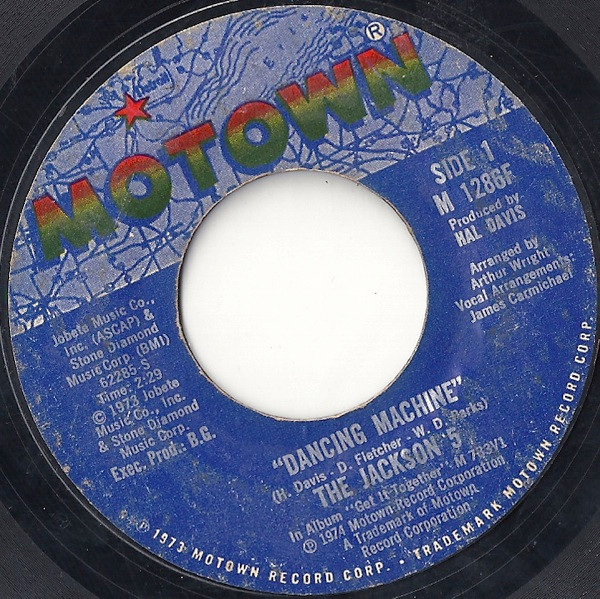
Dancing Machine
1974
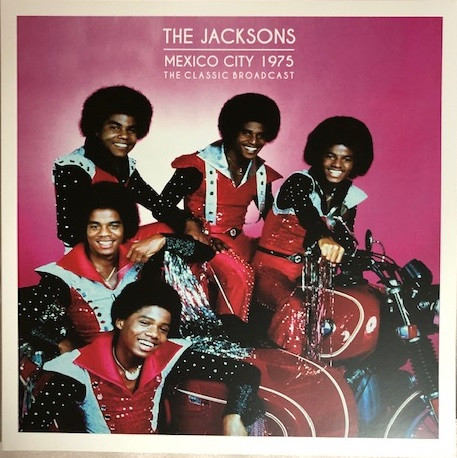
Mexico City 1975 - The Classic Broadcast
2018

2300 Jackson St
1989
Related artists
Members
Frequent collaborators
Around the web
Follow every record they touch.
Start your shelf and Gatefold tracks The Jacksons's new pressings, tour dates, and the whole discography — automatically.
Start your shelf →Free forever. Works with 10 records or 10,000.